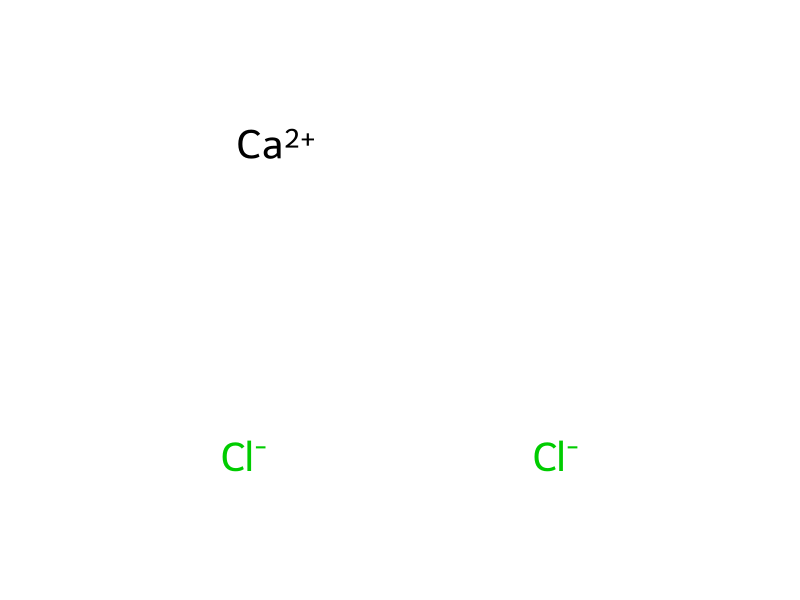
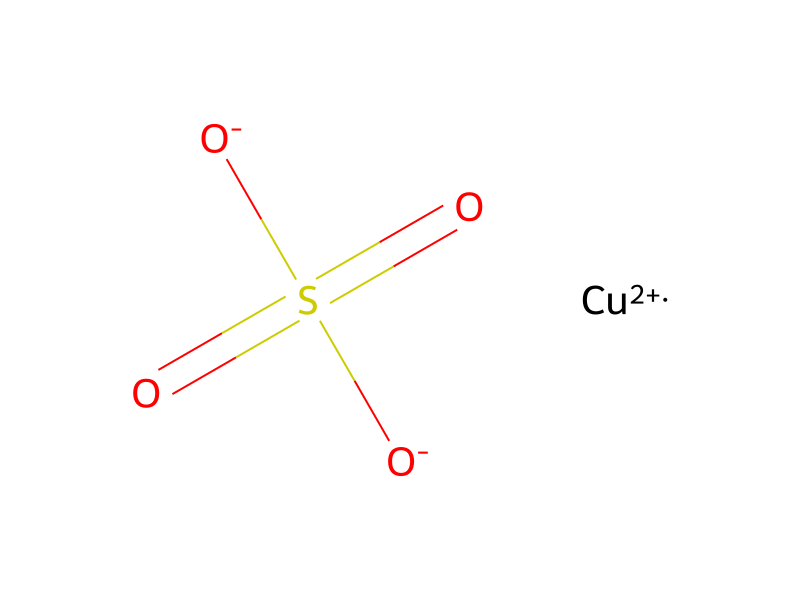
Cl[C:2]1[C:7]2[CH2:8][CH2:9][C:10]3[CH:16]=[C:15]([O:17][CH2:18][CH3:19])[CH:14]=[CH:13][C:11]=3[S:12][C:6]=2[CH:5]=[CH:4][CH:3]=1.[Cu](C#N)[C:21]#[N:22].[Cl-].[Ca+2].[Cl-].O.N>S([O-])([O-])(=O)=O.[Cu+2].O>[C:21]([C:2]1[C:7]2[CH2:8][CH2:9][C:10]3[CH:16]=[C:15]([O:17][CH2:18][CH3:19])[CH:14]=[CH:13][C:11]=3[S:12][C:6]=2[CH:5]=[CH:4][CH:3]=1)#[N:22]The mixture of 520mg of 9-chloro-10,11-dihydro-2-ethoxydibenzo-[b,f]thiepin, 0.1g of copper sulfate, 1g of copper cyanide and 20ml of N-methylpyrrodlidone was refluxed with stirring for 15hrs., while preventing the moisture with calcium chloride. After cooling, to this was added 20ml of conc. ammonia water and 100ml of water, and the mixture was extracted. The extract was washed with water, dried over anhydrous potassium carbonate and, the solvent was evaporated to obtain the residue. This was chromatographed on silica gel, eluted with the mixed solvent of benzene and n-hexane (4:1) and there was otained 150mg of 9-cyano-10,11-dihydro-2-ethoxydibenzo[b,f]thiepin having a melting point of 124°to 126° C as colorless powdered crystals.