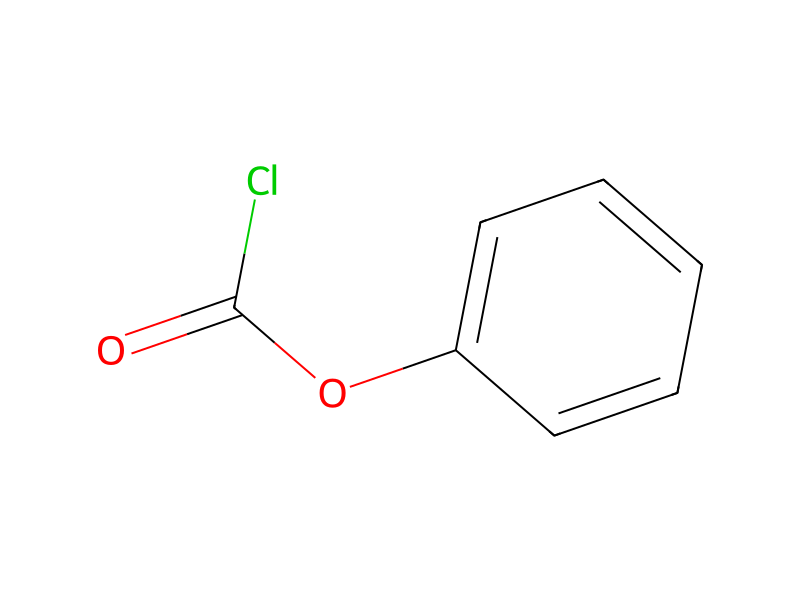
[CH3:1][C:2]([C:11]1[O:15][N:14]=[C:13]([NH2:16])[CH:12]=1)([CH3:10])[CH2:3][N:4]1[CH2:9][CH2:8][O:7][CH2:6][CH2:5]1.C(=O)([O-])[O-].[K+].[K+].Cl[C:24]([O:26][C:27]1[CH:32]=[CH:31][CH:30]=[CH:29][CH:28]=1)=[O:25]>C1COCC1>[CH3:10][C:2]([C:11]1[O:15][N:14]=[C:13]([NH:16][C:24](=[O:25])[O:26][C:27]2[CH:32]=[CH:31][CH:30]=[CH:29][CH:28]=2)[CH:12]=1)([CH3:1])[CH2:3][N:4]1[CH2:9][CH2:8][O:7][CH2:6][CH2:5]1To a stirred mixture of 5-(2-methyl-1-morpholinopropan-2-yl)isoxazol-3-amine (20 mg, 0.010 mmol) and potassium carbonate (25 mg, 0.181 mmol) in THF (6 mL) at 0° C., was added dropwise phenyl chloroformate (0.010 mL, 0.08 mmol). The reaction mixture was warmed to rt and stirred for a further 15 h. The reaction mixture was filtrated and the filtrate washed with saturated aqueous sodium carbonate, then brine, and concentrated under reduced pressure. The residue was dissolved in dichoromethane and dried over sodium sulfate then filtrated. The filtrate was concentrated under reduced pressure to give the crude product. Purification via recrystallization from a mixture of diethyl ether and hexanes, afforded phenyl 5-(2-methyl-1-morpholinopropan-2-yl)isoxazol-3-ylcarbamate (22 mg) which was used in the next step without further purification.