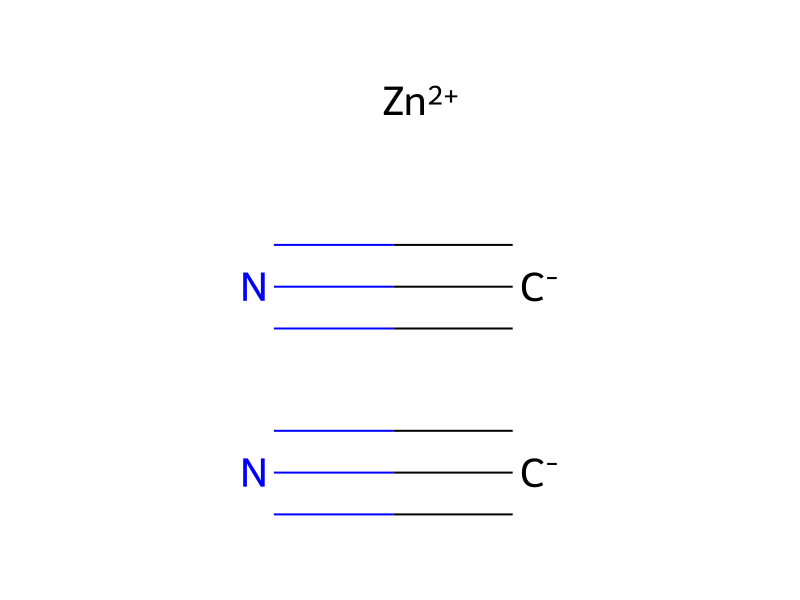
Under nitrogen, 42.25 g (0.23 mol) of 2-chloro-7,8-dihydroquinolin-5(6H)-one, 54.64 g (0.47 mol) of zinc cyanide and 13.44 g (0.01 mol) of tetrakis(triphenylphosphine)palladium were suspended in 200 ml of anhydrous N,N-dimethylacetamide (water content <0.01%, degassed with nitrogen beforhand), heated to 100° C. and stirred at this temperature for 2 hours. After complete conversion (monitored by TLC, mobile phase petroleum ether/ethyl acetate 2:1), the reaction mixture (grey suspension) was cooled to room temperature and filtered through Celite, and the filter cake was washed with 500 ml of ethyl acetate. 200 ml of saturated aqueous sodium chloride solution were then added to the resulting organic solution. A white precipitate was formed, which was filtered off and discarded. The organic phase was separated off, washed three times with in each case 200 ml of saturated sodium chloride solution, dried over sodium sulphate, filtered and concentrated to dryness. The residue obtained was applied to 20 g of silica gel and purified by column chromatography on silica gel (80 g cartridge; flow rate: 60 ml/min; mobile phase: petroleum ether/ethyl acetate 95:5→60:40 over 40 min, then isocratic petroleum ether/ethyl acetate 60:40 for 30 min). This gave 26.35 g (0.15 mmol, 66% of theory) of the target compound.