HomeMCPSkillsWorkbenchOpenChem
HomeWorkbenchNotificationsMe
llms.txt · skill.md · MCP GuidePrivacy Policy · Terms of Service · Supportv1.8.5
  1. Home
  2. /Reaction

1-Bromo-3-chloropropane → 2-[4-(3-Chloropropoxy)phenyl]-4,4,5,5-tetramethyl-1,3,2-dioxaborolane

HRID 887052
Print

Reaction equation

[CH3:1][C:2]1([CH3:16])[C:6]([CH3:8])([CH3:7])[O:5][B:4]([C:9]2[CH:14]=[CH:13][C:12]([OH:15])=[CH:11][CH:10]=2)[O:3]1.Br[CH2:18][CH2:19][CH2:20][Cl:21].C(=O)([O-])[O-].[K+].[K+]>C(#N)C>[Cl:21][CH2:20][CH2:19][CH2:18][O:15][C:12]1[CH:13]=[CH:14][C:9]([B:4]2[O:3][C:2]([CH3:16])([CH3:1])[C:6]([CH3:7])([CH3:8])[O:5]2)=[CH:10][CH:11]=1
ParticipantsProcedureWorkupSources & evidenceReaction notes

Participants

5

Reactant 3

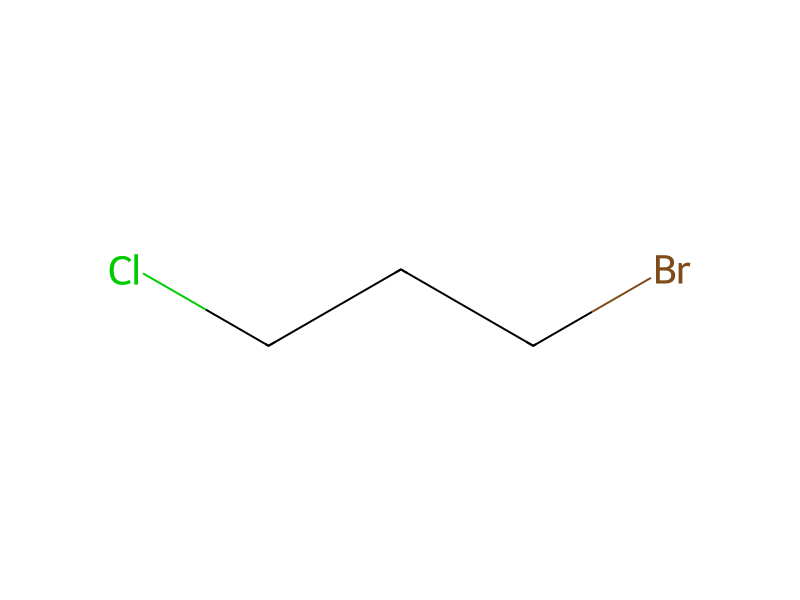
HCID 80061-Bromo-3-chloropropaneHCID 11430Potassium CarbonateHCID 27346244-(4,4,5,5-Tetramethyl-1,3,2-dioxaborolan-2-yl)phenol

Product 1

HCID 533634402-[4-(3-Chloropropoxy)phenyl]-4,4,5,5-tetramethyl-1,3,2-dioxaborolane

Reagents, catalysts & solvents 1

HCID 6342AcetonitrileSolvent

Procedure

To a round-bottom flask was added 4-(4,4,5,5-tetramethyl-[1,3,2]dioxaborolan-2-yl)-phenol (11.0 g, 50 mmol), 1-bromo-3-chloropropane (9.88 mL, 100 mmol), potassium carbonate (20.7 g, 150 mmol), and acetonitrile (100 mL). The reaction mixture was heated to reflux for 24 h. The reaction was cooled to room temperature and was filtered. The filtrate was concentrated to give crude 2-[4-(3-chloro-propoxy)-phenyl]-4,4,5,5-tetramethyl-[1,3,2]dioxaborolane. This material was used for next step without purification.

Workup

  1. temperatureThe reaction mixture was heated
  2. temperatureto reflux for 24 h
  3. filtrationwas filtered
  4. concentrationThe filtrate was concentrated

Sources & evidence

ORD record
ord-0c01cd1da979445bbc5d9ccfd7618429
Source dataset
uspto-grants-2012_08
DOI
10.6084/m9.figshare.5104873.v1
Patent number
US08247414B2

Reaction notes

On this pageParticipantsProcedureWorkupSources & evidenceReaction notes