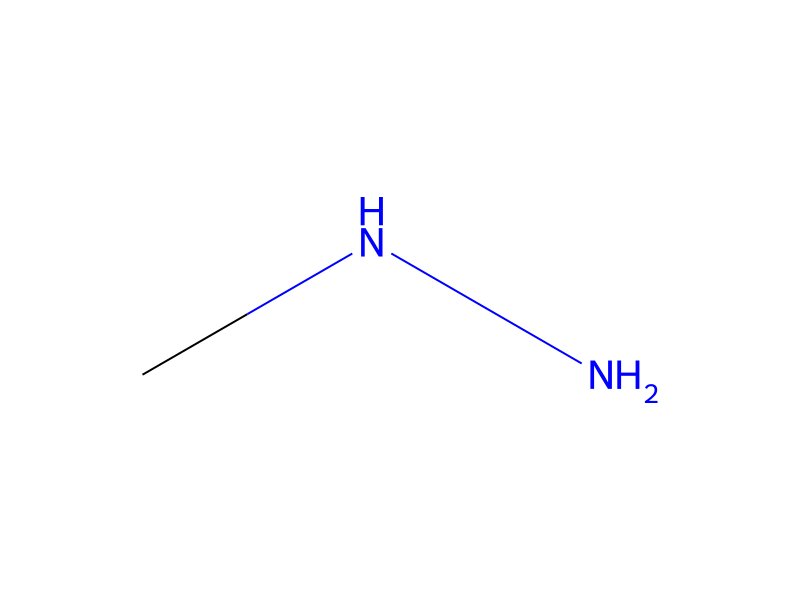
Cl.[F:2][C:3]1[CH:8]=[CH:7][C:6]([CH:9]2[N:13]([S:14]([C:17]3[CH:22]=[CH:21][C:20]([CH3:23])=[CH:19][CH:18]=3)(=[O:16])=[O:15])[CH:12]([C:24]#[N:25])[CH2:11][CH2:10]2)=[CH:5][CH:4]=1.[CH3:26][NH:27]N.[CH2:29]([N:31](CC)CC)C>CCO>[F:2][C:3]1[CH:4]=[CH:5][C:6]([CH:9]2[N:13]([S:14]([C:17]3[CH:18]=[CH:19][C:20]([CH3:23])=[CH:21][CH:22]=3)(=[O:16])=[O:15])[CH:12]([C:24]3[N:31]=[CH:29][N:27]([CH3:26])[N:25]=3)[CH2:11][CH2:10]2)=[CH:7][CH:8]=1To a freshly prepared solution of hydrochloric acid in EtOH (10 ml) was added at 0° C. (2RS,5SR)-5-(4-fluoro-phenyl)-1-(toluene-4-sulfonyl)-pyrrolidine-2-carbonitrile (0.50 g, 1.45 mmol), the reaction mixture was stirred at room temperature for 1.5 h and evaporated. The light brown solid (0.65 g) was dissolved in EtOH (10 ml), methylhydrazine (86.9 mg, 1.89 mmol) and triethylamine (0.51 ml, 3.63 mmol) were added and the mixture was stirred at room temperature for 2 h. The reaction mixture was evaporated, subsequently dissolved in formic acid (10 ml), stirred at room temperature for 0.5 h and heated under reflux conditions for 1.5 h. Evaporation, aqueous work-up, column chromatography on silica gel (ethyl acetate) and crystallization from ethyl acetate/hexane yielded the title compound (0.37 g, yield 64%) as a white solid, m.p. 160° C. and MS: m/e=400 (M+).