HomeMCPSkillsWorkbenchOpenChem
HomeWorkbenchNotificationsMe
llms.txt · skill.md · MCP GuidePrivacy Policy · Terms of Service · Supportv1.8.5
  1. Home
  2. /Reaction

Triphenylphosphine → 3-Amino-1-(p-nitrobenzyloxycarbonyl)-azetidine

HRID 891736
Print

Reaction equation

[N:1]([CH:4]1[CH2:7][N:6]([C:8]([O:10][CH2:11][C:12]2[CH:17]=[CH:16][C:15]([N+:18]([O-:20])=[O:19])=[CH:14][CH:13]=2)=[O:9])[CH2:5]1)=[N+]=[N-].C1(P(C2C=CC=CC=2)C2C=CC=CC=2)C=CC=CC=1.O.O.O.O.O.O.O.O.O.O.S([O-])([O-])(=O)=O.[Na+].[Na+]>C(#N)C>[NH2:1][CH:4]1[CH2:7][N:6]([C:8]([O:10][CH2:11][C:12]2[CH:17]=[CH:16][C:15]([N+:18]([O-:20])=[O:19])=[CH:14][CH:13]=2)=[O:9])[CH2:5]1
ParticipantsConditionsProcedureWorkupSources & evidenceReaction notes

Participants

5

Reactant 3

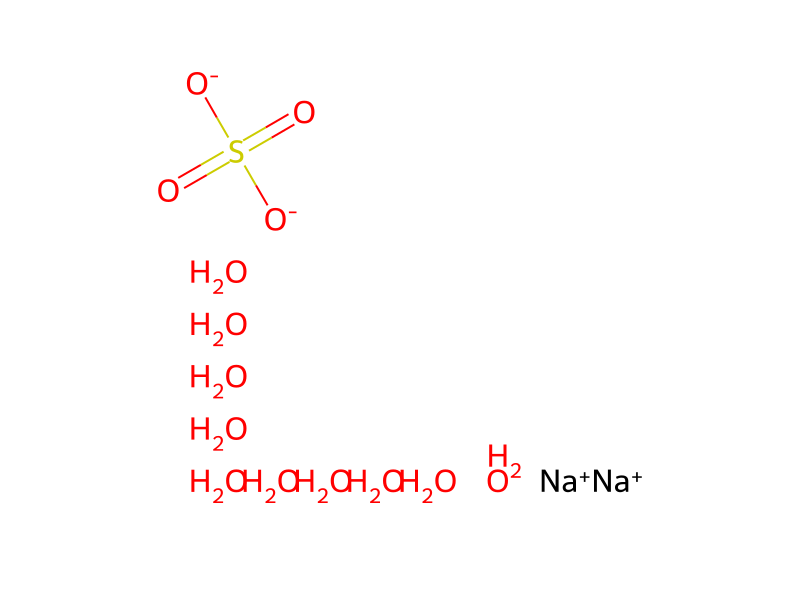
HCID 11776TriphenylphosphineHCID 62649Sodium sulfate decahydrateHCID 222428983-Azido-1-(p-nitrobenzyloxycarbonyl)azetidine

Product 1

HCID 222430323-Amino-1-(p-nitrobenzyloxycarbonyl)-azetidineYield 96%

Reagents, catalysts & solvents 1

HCID 6342AcetonitrileSolvent

Conditions

Temperature
70 °C

Procedure

To a solution of 3-azido-1-(p-nitrobenzyloxycarbonyl)azetidine (2.15 g, 7.76 mmol) (obtained as described in Reference Example 54(3)) in acetonitrile (65 ml) was added triphenylphosphine (2.14 g, 8.14 mmol), and the mixture was stirred in an oil bath (70° C.) for 2 hours. After checking the disappearance of the raw materials, sodium sulfate decahydrate (2.62 g, 8.14 mmol) was added thereto and then the reaction mixture was stirred for 3 hours. After checking the completion of the reaction, the reaction mixture was filtered and partitioned between methylene chloride and 0.1M aqueous hydrogen chloride solution. To the obtained aqueous layer were added methylene chloride and sodium hydrogencarbonate, and the aqueous layer was extracted with methylene chloride. The obtained organic layer was dried over anhydrous sodium sulfate, filtered and concentrated under reduced pressure. The residue was dried under reduced pressure to give 3-amino-1-(p-nitrobenzyloxycarbonyl)-azetidine (1.87 g, yield 96%) as pale yellow crystals.


Workup

  1. additionwas added
  2. stirringthe reaction mixture was stirred for 3 hours
  3. customthe completion of the reaction
  4. filtrationthe reaction mixture was filtered
  5. custompartitioned between methylene chloride and 0.1M aqueous hydrogen chloride solution
  6. additionTo the obtained aqueous layer were added methylene chloride and sodium hydrogencarbonate
  7. extractionthe aqueous layer was extracted with methylene chloride
  8. dry with materialThe obtained organic layer was dried over anhydrous sodium sulfate
  9. filtrationfiltered
  10. concentrationconcentrated under reduced pressure
  11. customThe residue was dried under reduced pressure

Sources & evidence

ORD record
ord-b1c135a8437448d689cacc389ed14051
Source dataset
uspto-grants-2006_02
DOI
10.6084/m9.figshare.5104873.v1
Patent number
US07001897B2

Reaction notes

On this pageParticipantsConditionsProcedureWorkupSources & evidenceReaction notes