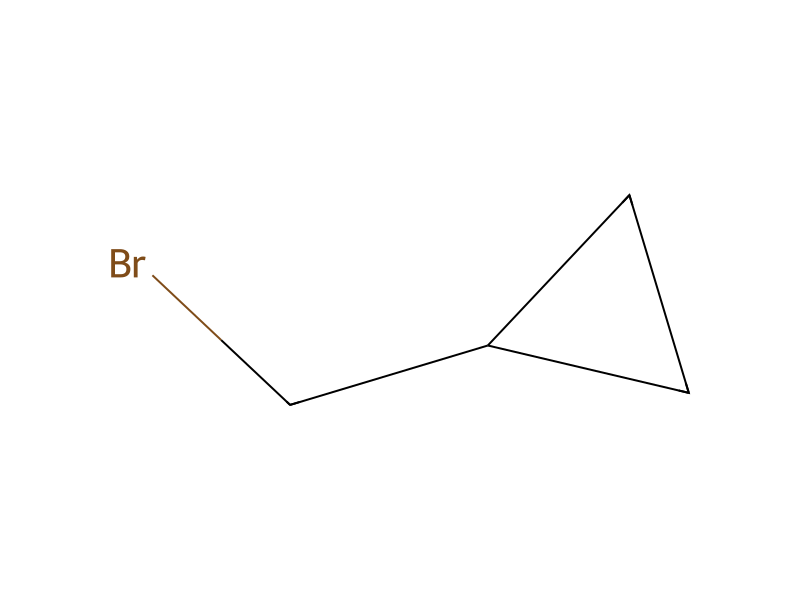
To 100 ml. of anhydrous ethyl alcohol were added 8 grams (0.04 mole) of L-phenylalanine amide hydrochloride. To the mixture then were added 13.4 grams (0.16 mole) of solid anhydrous sodium bicarbonate and 6.44 grams (0.048 mole) of bromomethylcyclopropane. The mixture was refluxed for seven hours and then was evaporated in vacuo to an oil. The oil was dissolved in ethyl acetate, and the ethyl acetate solution was extracted with water. The organic phase was dried over magnesium sulfate and evaporated in vacuo to an oil. The oil was applied to a 3×50 cm. column of Grace and Davison grade 62 silica gel in chloroform. The product was eluted with a gradient of chloroform containing up to 5 percent methanol. The product was isolated according to the thin-layer profile of the fractions collected to give 3.41 grams (39 percent) of the title compound.