Reaction equation

[H-].[K+].[N:3]1[C:12]2[C:7](=[CH:8][CH:9]=[CH:10][C:11]=2[CH:13]2[C:21]3[C:16](=[CH:17][CH:18]=[CH:19][CH:20]=3)[CH:15]=[CH:14]2)[CH:6]=[CH:5][CH:4]=1.[Cl-:22].[Cr+3:23].[Cl-:24].[Cl-]>C1COCC1>[Cl:22][Cr:23]([Cl:24])[C:14]1[CH:13]([C:11]2[CH:10]=[CH:9][CH:8]=[C:7]3[C:12]=2[N:3]=[CH:4][CH:5]=[CH:6]3)[C:21]2[C:16]([CH:15]=1)=[CH:17][CH:18]=[CH:19][CH:20]=2Participants
Reactant 3
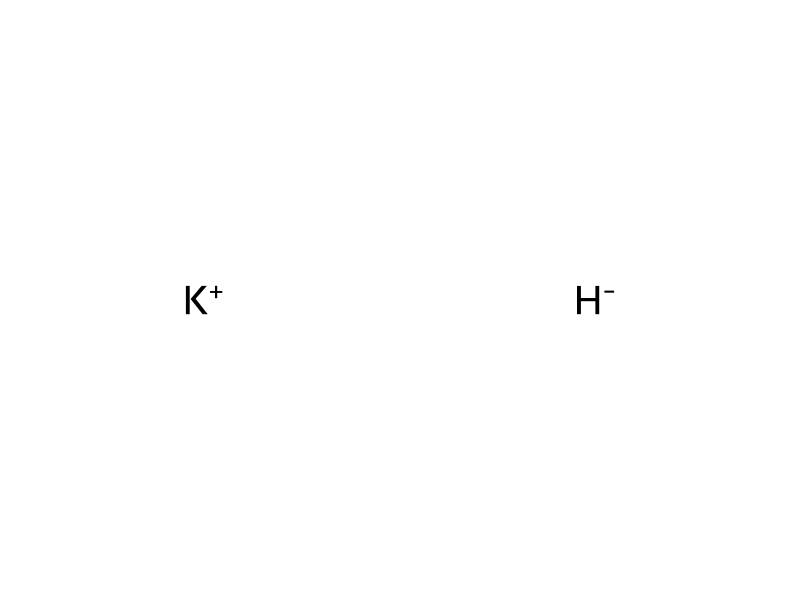


Product 1

Reagents, catalysts & solvents 1

Procedure
0.05 g of potassium hydride (1.23 mmol) were suspended in 20 ml of THF, and 0.3 g of 1-(8-quinolyl)indene (1.23 mmol) were added slowly. After stirring for three hours at room temperature, the obtained violet suspension was added dropwise to a mixture of 0.46 g of chromium(III) chloride×3THF (1.23 mmol) in 50 ml of THF, and subsequently the mixture was stirred for a further 16 hours. The solvent was removed in a vacuum and the solid thus obtained was extracted using hot toluene. After the solvent had been distilled off from the combined extracts, the product was in the form of a green powder, which was washed several times with hexane and dried in a high vacuum. 0.22 g of dichloro-[1-(8-quinolyl)indenyl]chromium(III) (50%) was obtained.
Workup
- stirringsubsequently the mixture was stirred for a further 16 hours
- customThe solvent was removed in a vacuum
- customthe solid thus obtained
- extractionwas extracted
- distillationAfter the solvent had been distilled off from the combined extracts
- washwas washed several times with hexane
- customdried in a high vacuum
Sources & evidence
- ORD record
- ord-1c84f5ee4d9142d0908f1f78044a2d35
- Source dataset
- uspto-grants-2005_07
- Patent number
- US06919412B1
Linked notes
Loading…