Reaction equation

[N+:1]([C:4]1[CH:9]=[C:8]([N+:10]([O-:12])=[O:11])[CH:7]=[CH:6][C:5]=1[CH3:13])([O-:3])=[O:2].[N:14]1[CH:19]=[CH:18][C:17]([CH:20]=O)=[CH:16][CH:15]=1.N1CCCC1>>[N+:1]([C:4]1[CH:9]=[C:8]([N+:10]([O-:12])=[O:11])[CH:7]=[CH:6][C:5]=1/[CH:13]=[CH:20]/[C:17]1[CH:18]=[CH:19][N:14]=[CH:15][CH:16]=1)([O-:3])=[O:2]Participants
4

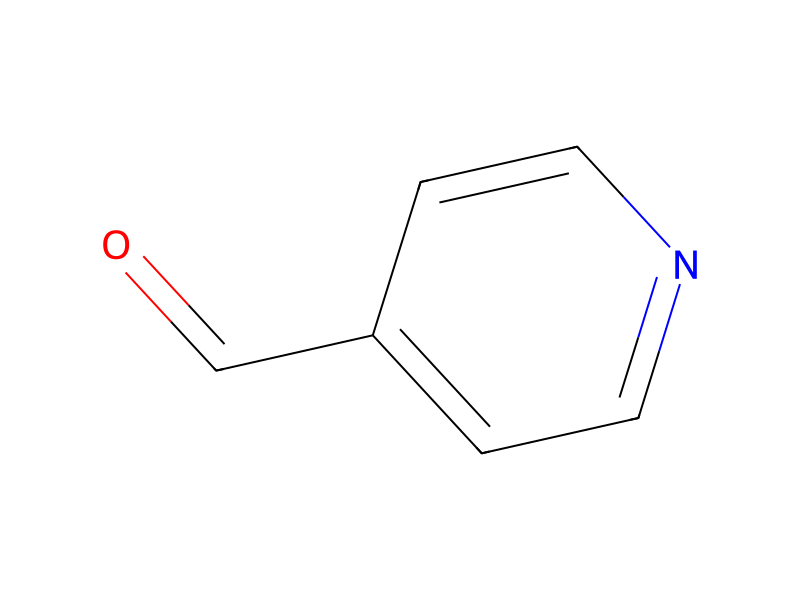


Procedure
1.4 g (7.7 mmol) of 2,4-dinitrotoluene, 0.82 g (7.7 mmol) of pyridine-4-carboxaldehyde and 0.2 mL of pyrrolidine were charged to a round-bottomed flask. The flask was fitted with a splash protector and then irradiated for 20 seconds in a domestic microwave oven (850 watt). The mixture was then allowed to cool, and the product was caused to precipitate by addition of 20 mL of acetone. Suction-filtration and drying at 40° C. under vacuum have 0.9 g of product (43% of the theoretical).
Workup
- customThe flask was fitted with a splash protector
- customirradiated for 20 seconds in a domestic microwave oven (850 watt)
- temperatureto cool
- customto precipitate by addition of 20 mL of acetone
- filtrationSuction-filtration
- customdrying at 40° C. under vacuum
Sources & evidence
- ORD record
- ord-1b47debb339e4527b874fe5e5ca4be29
- Source dataset
- uspto-grants-2008_04
- Patent number
- US07361198B2
Linked notes
Loading…