HomeMCPWorkbenchSkills
HomeWorkbenchNotificationsMe
llms.txt · MCP GuidePrivacy Policy · Terms of Service · Supportv1.8.3
  1. Home
  2. /Reaction

Water → Ethyl 3-methyl-1-(2-methylpropyl)-2,4-dioxo-1,2,3,4-tetrahydro-thieno[2,3-d]pyrimidine-5-carboxylate

HRID 900735
Print

Reaction equation

HRID 900735 reaction equation
[SH:1][C:2]1[N:7]([CH2:8][CH:9]([CH3:11])[CH3:10])[C:6](=[O:12])[N:5]([CH3:13])[C:4](=[O:14])[CH:3]=1.Br[CH2:16][C:17](=O)[C:18]([O:20][CH2:21][CH3:22])=[O:19].C(=O)([O-])[O-].[K+].[K+].O>CN(C=O)C.C(Cl)Cl.[Ti](Cl)(Cl)(Cl)Cl>[CH3:13][N:5]1[C:4](=[O:14])[C:3]2[C:17]([C:18]([O:20][CH2:21][CH3:22])=[O:19])=[CH:16][S:1][C:2]=2[N:7]([CH2:8][CH:9]([CH3:11])[CH3:10])[C:6]1=[O:12]
ParticipantsProcedureWorkupSources & evidenceReaction notes

Participants

8

Reactant 4

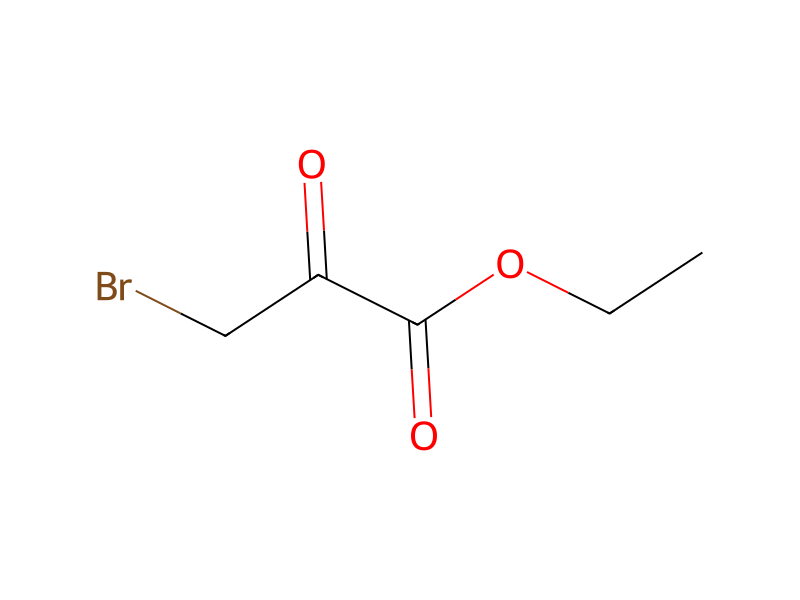
HCID 962WaterHCID 11430Potassium CarbonateHCID 66144Ethyl bromopyruvateHCID 52825676-Mercapto-3-methyl-1-(2-methylpropyl)-2,4(1H,3H)-pyrimidinedione

Product 1

HCID 5282568Ethyl 3-methyl-1-(2-methylpropyl)-2,4-dioxo-1,2,3,4-tetrahydro-thieno[2,3-d]pyrimidine-5-carboxylate

Reagents, catalysts & solvents 3

HCID 24193Titanium TetrachlorideCatalyst
HCID 6228DimethylformamideSolvent
HCID 6344DichloromethaneSolvent

Procedure

6-Mercapto-3-methyl-1-(2-methylpropyl)-pyrimidine-2,4(1H,3H)-dione (49.5 g) was dissolved in dry DMF (900 ml) and ethyl bromopyruvate (30 ml) was added, and then with stirring anhydrous potassium carbonate (15.954 g) was also added. The mixture was stirred at room temperature for 5 h, and then poured into water (5 L). The aqueous solution was acidified with dil hydrochloric acid, and then extracted thoroughly with ethyl acetate. The organic extract was dried (MgSO4) and evaporated at high vacuum to leave a semisolid mass. A portion of this semisolid mass (24 g) was dissolved in methylene chloride (500 ml) and cooled in an ice-bath under an atmosphere of nitrogen. With efficient stirring titanium tetrachloride (13.5 ml) was slowly added. The reaction mixture was stirred 1 h in the ice-bath and then 3 h at room temperature. The reaction mixture was poured slowly into vigorously stirred ice-water (1.5 L), and then the resulting suspension was extracted into methylene chloride. After drying the organic solvent was concentrated in vacuo, and the residue was chromatographed (SiO2/1:1 ethyl acetate-isohexane) to afford the sub-title compound as a pale yellow solid (15 g).


Workup

  1. extractionextracted thoroughly with ethyl acetate
  2. extractionThe organic extract
  3. dry with materialwas dried (MgSO4)
  4. customevaporated at high vacuum
  5. customto leave a semisolid mass
  6. temperaturecooled in an ice-bath under an atmosphere of nitrogen
  7. additionwas slowly added
  8. custom3 h
  9. customat room temperature
  10. extractionthe resulting suspension was extracted into methylene chloride
  11. customAfter drying the organic solvent
  12. concentrationwas concentrated in vacuo
  13. customthe residue was chromatographed (SiO2/1:1 ethyl acetate-isohexane)

Sources & evidence

ORD record
ord-c14fd4ca5aa54af1b9b253ff9abb60b3
Source dataset
uspto-grants-2008_04
DOI
10.6084/m9.figshare.5104873.v1
Patent number
US07361660B2

Reaction notes

On this pageParticipantsProcedureWorkupSources & evidenceReaction notes