HomeMCPWorkbenchSkills
HomeWorkbenchNotificationsMe
llms.txt · MCP GuidePrivacy Policy · Terms of Service · Supportv1.8.3
  1. Home
  2. /Reaction

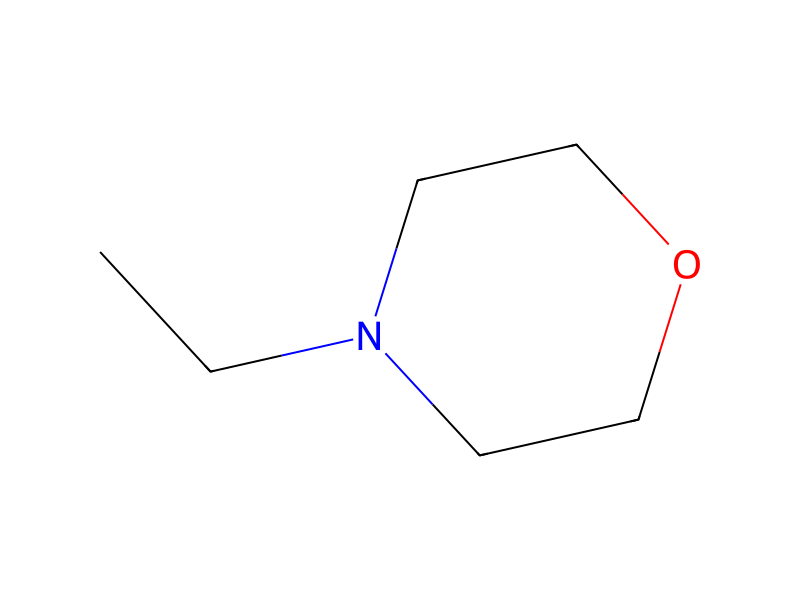
Ethylmorpholine → HCID 131713311, compound

HRID 904974
Print

Reaction equation

HRID 904974 reaction equation
C(N1CCOCC1)C.C1(N=C=NC2CCCCC2)CCCCC1.[NH:24]([C:39]([O:41][CH2:42][C:43]1[CH:48]=[CH:47][CH:46]=[CH:45][CH:44]=1)=[O:40])[C@@H:25]([C:36]([OH:38])=O)[CH2:26][CH2:27][CH2:28][C:29]([O:31][C:32]([CH3:35])([CH3:34])[CH3:33])=[O:30].[NH2:49][C@H:50]([C:54]([NH:56][C@H:57]([C:70]([O:72][CH3:73])=[O:71])[CH2:58][C:59]1[CH:64]=[CH:63][C:62]([O:65][C:66]([CH3:69])([CH3:68])[CH3:67])=[CH:61][CH:60]=1)=[O:55])[CH:51]([CH3:53])[CH3:52].Cl.ON1C2C=CC=CC=2N=N1>CN(C)C=O>[NH:24]([C:39]([O:41][CH2:42][C:43]1[CH:48]=[CH:47][CH:46]=[CH:45][CH:44]=1)=[O:40])[C@@H:25]([C:36]([NH:49][C@H:50]([C:54]([NH:56][C@H:57]([C:70]([O:72][CH3:73])=[O:71])[CH2:58][C:59]1[CH:60]=[CH:61][C:62]([O:65][C:66]([CH3:67])([CH3:68])[CH3:69])=[CH:63][CH:64]=1)=[O:55])[CH:51]([CH3:53])[CH3:52])=[O:38])[CH2:26][CH2:27][CH2:28][C:29]([O:31][C:32]([CH3:33])([CH3:34])[CH3:35])=[O:30]
ParticipantsConditionsProcedureWorkupSources & evidenceReaction notes

Participants

7

Reactant 5

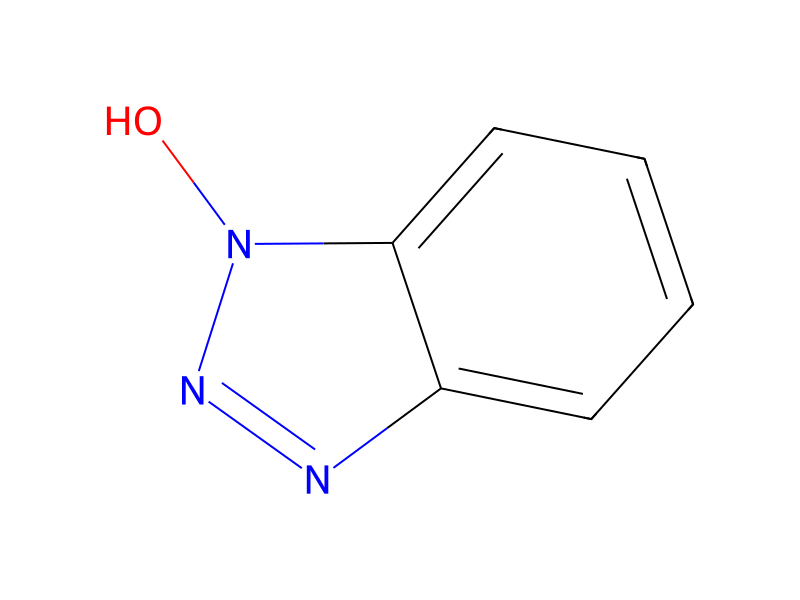
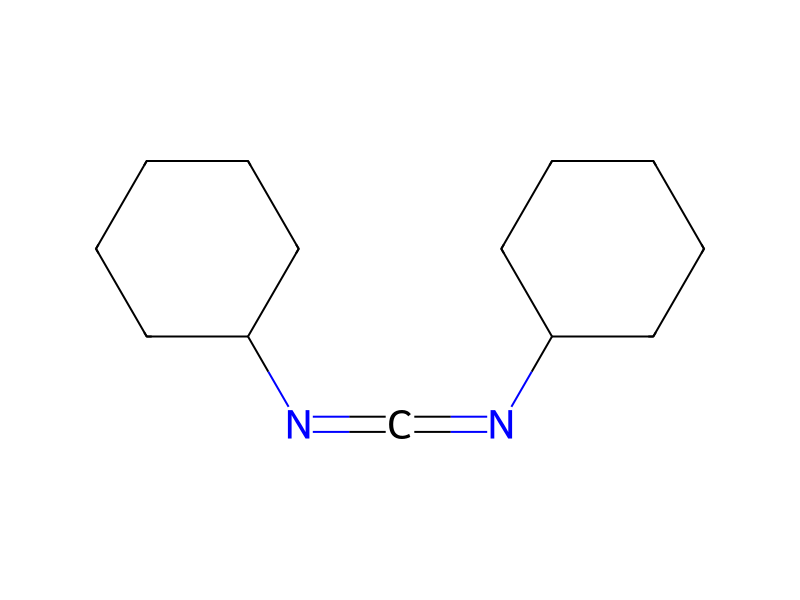
HCID 7525EthylmorpholineHCID 10868DicyclohexylcarbodiimideHCID 757711-HydroxybenzotriazoleHCID 15567310HCID 15567310, compoundHCID 131713281H-Val-Tyr(But)-OMe.HCl

Product 1

HCID 131713311HCID 131713311, compound

Reagents, catalysts & solvents 1

HCID 6228DimethylformamideSolvent

Conditions

Temperature
0 °C

Procedure

1.28 ml (10 mmoles) of N-ethylmorpholine and 2.1 g of dicyclohexylcarbodiimide are added at 0° C. to a solution in 20 ml of dimethylformamide of 3.54 g (10 mmoles) of Z-D-Aad(OBut)-OH, 3.86 g (10 mmoles) of H-Val-Tyr(But)-OMe.HCl and 1.35 g (10 mmoles) of 1-hydroxybenzotriazole. The mixture is stirred for 1 hour at 0° C. and then at room temperature. It is left to stand overnight and the precipitate is filtered off on the following day. The filtrate is concentrated in a high vacuum and the residue is partitioned between ethyl acetate and water. The ethyl acetate phase is extracted by shaking successively with saturated NaHCO3 solution, KHSO4 solution and water, is dried over Na2SO4 and is concentrated. The residue crystallizes from petroleum ether. Yield 5.96 g. The substance is purified further by hot recrystallization from 90 ml of isopropyl ether and 30 ml of isopropanol. Yield 2.48 g, melting point 104°-107°, [α]D23 =-11.5° (c=1, methanol).

Workup

  1. customat room temperature
  2. waitIt is left
  3. waitto stand overnight
  4. filtrationthe precipitate is filtered off on the following day
  5. concentrationThe filtrate is concentrated in a high vacuum
  6. customthe residue is partitioned between ethyl acetate and water
  7. extractionThe ethyl acetate phase is extracted
  8. stirringby shaking successively with saturated NaHCO3 solution, KHSO4 solution and water
  9. dry with materialis dried over Na2SO4
  10. concentrationis concentrated
  11. customThe residue crystallizes from petroleum ether
  12. customThe substance is purified further by hot recrystallization from 90 ml of isopropyl ether and 30 ml of isopropanol
  13. customYield 2.48 g, melting point 104°-107°, [α]D23 =-11.5° (c=1, methanol)

Sources & evidence

ORD record
ord-857c9c1fb4de490c9beec238de8a60b2
Source dataset
uspto-grants-1983_12
DOI
10.6084/m9.figshare.5104873.v1
Patent number
US04420424

Reaction notes

On this pageParticipantsConditionsProcedureWorkupSources & evidenceReaction notes