Benzoyl isothiocyanate → Ethyl 3-(2-(3-benzoylthioureido)-5-bromopyridin-4-yloxy)-4-chlorobenzoate
HRID 911036
Reaction equation

[NH2:1][C:2]1[CH:7]=[C:6]([O:8][C:9]2[CH:10]=[C:11]([CH:17]=[CH:18][C:19]=2[Cl:20])[C:12]([O:14][CH2:15][CH3:16])=[O:13])[C:5]([Br:21])=[CH:4][N:3]=1.[C:22]([N:30]=[C:31]=[S:32])(=[O:29])[C:23]1[CH:28]=[CH:27][CH:26]=[CH:25][CH:24]=1>C1COCC1>[C:22]([NH:30][C:31](=[S:32])[NH:1][C:2]1[CH:7]=[C:6]([O:8][C:9]2[CH:10]=[C:11]([CH:17]=[CH:18][C:19]=2[Cl:20])[C:12]([O:14][CH2:15][CH3:16])=[O:13])[C:5]([Br:21])=[CH:4][N:3]=1)(=[O:29])[C:23]1[CH:28]=[CH:27][CH:26]=[CH:25][CH:24]=1Participants
4
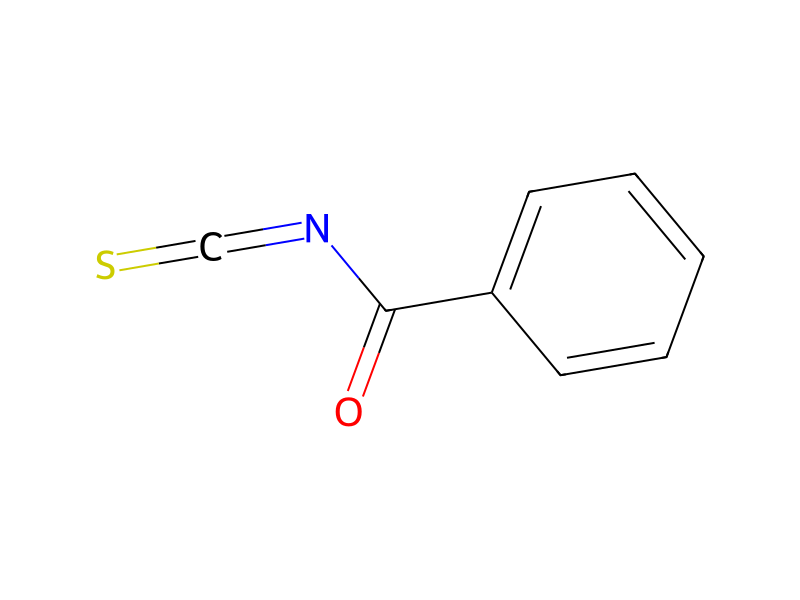



Procedure
A flask was charged with ethyl 3-(2-amino-5-bromopyridin-4-yloxy)-4-chlorobenzoate (2.76 g, 7.43 mmol), benzoyl isothiocyanate (1.05 ml, 7.80 mmol) and THF (100 mL). The reaction mixture was stirred at ambient temperature overnight and then concentrated. The residue was purified by silica gel column chromatography using 20% ether in hexanes to give the desired product (1.35 g, 34% yield) as light yellow solid.