Reaction equation

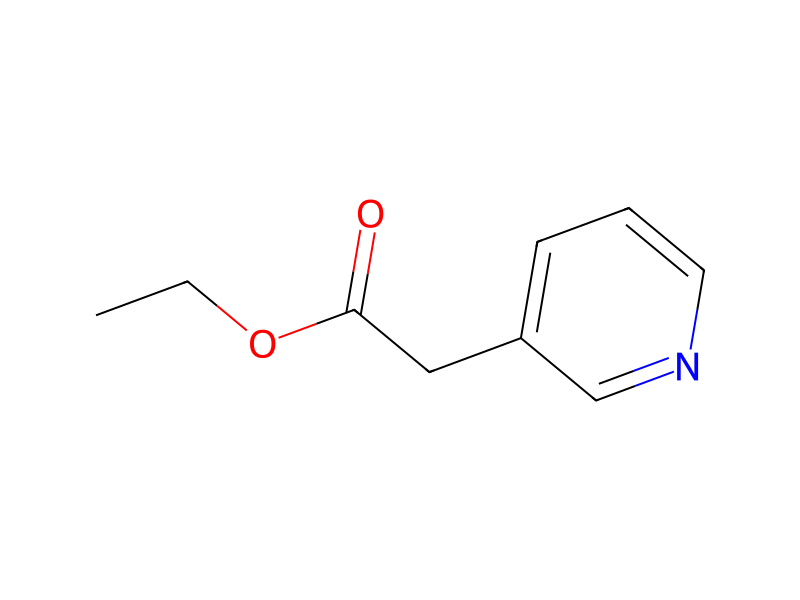
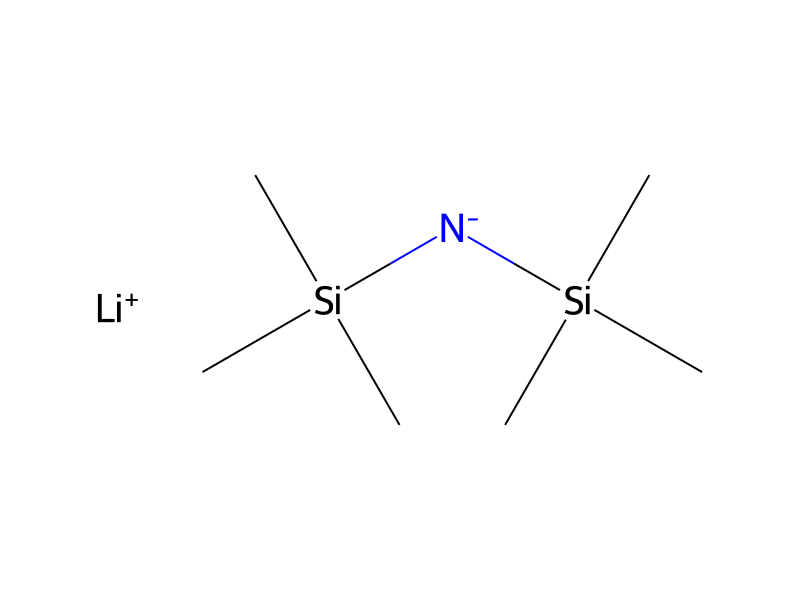
[N:1]1[CH:6]=[CH:5][CH:4]=[C:3]([CH2:7][C:8]([O:10][CH2:11][CH3:12])=[O:9])[CH:2]=1.C[Si]([N-][Si](C)(C)C)(C)C.[Li+].Cl[Si](C)(C)C.[Br:28]N1C(=O)CCC1=O>C1COCC1.O>[Br:28][CH:7]([C:3]1[CH:2]=[N:1][CH:6]=[CH:5][CH:4]=1)[C:8]([O:10][CH2:11][CH3:12])=[O:9]Participants





Conditions
- Temperature
- -78 °C
Procedure
Ethyl 3-pyridylacetate (1.0 g, 1.0 eq) was dissolved in THF (50 mL) and cooled to −78° C. Lithium bis (trimethylsilyl) amide (6.66 mL, 1.1 eq) was added to the reaction and stirred for 20 minutes. Chlorotrimethylsilane (1.44 mL, 1.875 eq) was added at −78° C. and stirred for 20 minutes. N-bromosuccinimide (1.09 g, 1.01 eq) was added to the reaction mixture. The reaction mixture was allowed to stir and warm to room temperature overnight. The reaction mixture was diluted with H2O. The organic layer was extracted with ethyl acetate. The organic phase was dried over sodium sulfate and the solvent was evaporated to give a yellow oil. The resulting oil was chromatographed on silica gel using hexanes and ethyl acetate (1:1) to give ethyl 2-bromo-2(3-pyridyl)acetate.
Workup
- stirringstirred for 20 minutes
- stirringto stir
- temperaturewarm to room temperature overnight
- extractionThe organic layer was extracted with ethyl acetate
- dry with materialThe organic phase was dried over sodium sulfate
- customthe solvent was evaporated
- customto give a yellow oil
- customThe resulting oil was chromatographed on silica gel
Sources & evidence
- ORD record
- ord-38a9717950d0440ea0c81b2cb1362db2
- Source dataset
- uspto-grants-2006_08
- Patent number
- US07091230B2
Linked notes
Loading…