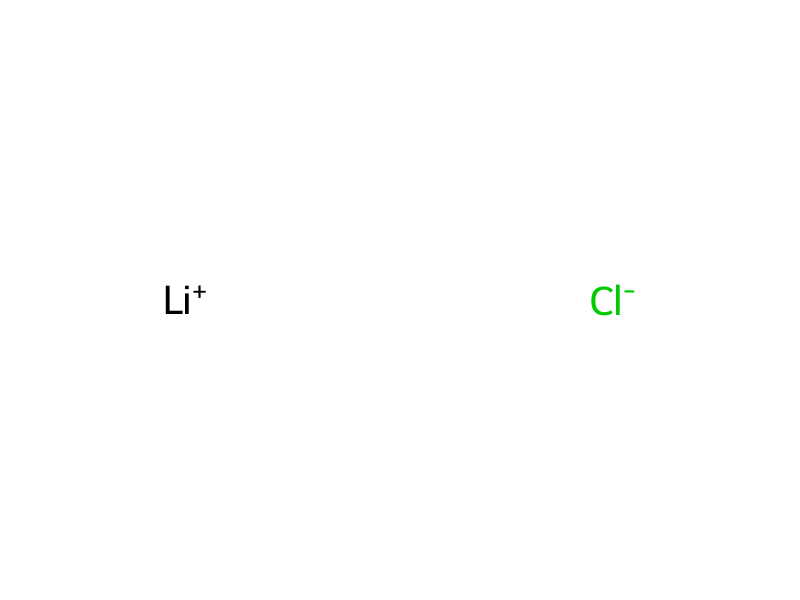
To a solution of trifluoro-methanesulfonic acid 1-chloro-3-methyl-naphthalen-2-yl ester (14.75 g, 45.43 mmol), tributyl(vinyl)tin (14.59 mL, 49.97 mmol) and lithium chloride (5.78 g, 136.29 mmol) was added dichlorobis(triphenylphosphine) palladium(II) under argon. The reaction mixture was heated at 50° C. for 20 h, then heated at 90° C. for 8 h. The reaction mixture was than cooled to room temperature, diluted with ethyl acetate, washed with 5% lithium chloride solution (3×), brine and dried (MgSO4), filtered and then concentrated and purified by flash column chromatography (silica gel, 0 to 10% ethyl acetate/hexanes) to give 1-chloro-3-methyl-2-vinyl-naphthalene contaminated by organotin. The residue was dissolved in dichloromethane and stirred with 10% KF solution overnight. The resulting white mixture was filtered through a pad of Celite and extracted with dichloromethane (2×). The organic layer was concentrated and purified by flash column chromatography (silica gel, 0 to 10% ethyl acetate/hexanes) to give 1-chloro-3-methyl-2-vinyl-naphthalene.