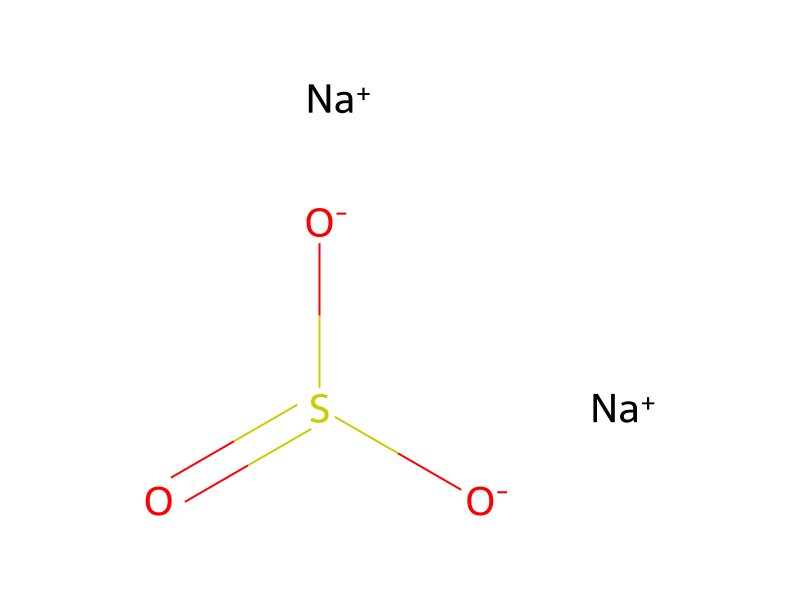
[Br:1][C:2]1[S:6][C:5]([CH:7]([OH:19])[C@H:8]2[CH2:13][CH2:12][C@H:11]([C:14]([O:16][CH2:17][CH3:18])=[O:15])[CH2:10][CH2:9]2)=[N:4][CH:3]=1.CC(OI1(OC(C)=O)(OC(C)=O)OC(=O)C2C=CC=CC1=2)=O.C([O-])(O)=O.[Na+].S([O-])([O-])=O.[Na+].[Na+]>C(Cl)Cl>[Br:1][C:2]1[S:6][C:5]([C:7]([C@H:8]2[CH2:9][CH2:10][C@H:11]([C:14]([O:16][CH2:17][CH3:18])=[O:15])[CH2:12][CH2:13]2)=[O:19])=[N:4][CH:3]=1Ethyl trans-4-[(5-bromo-1,3-thiazol-2-yl)(hydroxy)methyl]cyclohexanecarboxylate (11.5 g, 33 mmol) was diluted with CH2Cl2 (115 mL) and immersed in a room temperature water bath. To this was added Dess-Martin periodinane (15.4 g, 36.3 mmol) resulting in a noticeable exotherm. After 30 min, an aqueous solution of 5% NaHCO3 and 5% sodium sulfite was added and the resulting biphasic mixture stirred until both layers were clear. The layers were separated, the aqueous layer back extracted with CH2Cl2 and the combined organics dried with MgSO4, filtered and concentrated in vacuo. The crude residue was absorbed on silica and purified by flash chromatography to afford ethyl trans-4-[(5-bromo-1,3-thiazol-2-yl)carbonyl]cyclohexane-carboxylate (11.1 g, 32 mmol) as a yellow oil. MS ESI calc'd. for C13H17BrNO3S [M+H]+ 346, 348. found 346, 348. 1H NMR (600 MHz, CDCl3) δ 7.82 (s, 1H), 4.14-4.03 (m, 2H), 3.53-3.41 (m, 1H), 2.35-2.21 (m, 1H), 2.15-1.96 (m, 4H), 1.61-1.43 (m, 4H), 1.21 (t, J=7.1, 3H).