HomeMCPSkillsWorkbenchOpenChem
HomeWorkbenchNotificationsMe
llms.txt · skill.md · MCP GuidePrivacy Policy · Terms of Service · Supportv1.8.6
  1. Home
  2. /Reaction

4-Bromophenol → 4-(4-Fluoro-2,3-dihydro-1-benzofuran-7-yl)phenol

HRID 928646
Print

Reaction equation

Br[C:2]1[CH:7]=[CH:6][C:5]([OH:8])=[CH:4][CH:3]=1.[F:9][C:10]1[C:15]2[CH:16]=[CH:17][O:18][C:14]=2[C:13](B(O)O)=[CH:12][CH:11]=1.C(=O)([O-])[O-].[Na+].[Na+].C([O-])(=O)C.[NH4+]>CO.C1C=CC(P(C2C=CC=CC=2)[C-]2C=CC=C2)=CC=1.C1C=CC(P(C2C=CC=CC=2)[C-]2C=CC=C2)=CC=1.Cl[Pd]Cl.[Fe+2].[C].[Pd].O.O1CCOCC1>[F:9][C:10]1[C:15]2[CH2:16][CH2:17][O:18][C:14]=2[C:13]([C:2]2[CH:7]=[CH:6][C:5]([OH:8])=[CH:4][CH:3]=2)=[CH:12][CH:11]=1
ParticipantsConditionsProcedureWorkupSources & evidenceReaction notes

Participants

10

Reactant 4

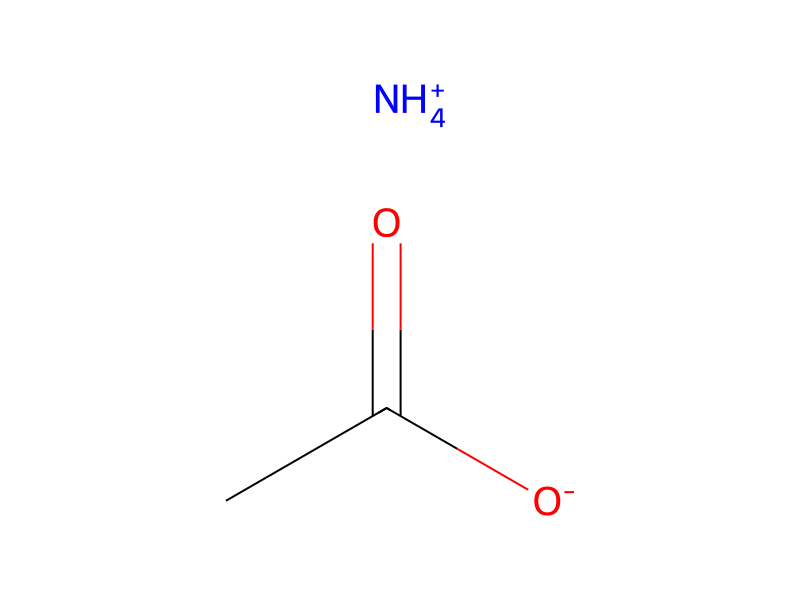
HCID 78084-BromophenolHCID 10340Sodium CarbonateHCID 517165Ammonium AcetateHCID 441182474-Fluorobenzo[b]furan-7-boronic acid

Product 1

HCID 903842024-(4-Fluoro-2,3-dihydro-1-benzofuran-7-yl)phenolYield 11%

Reagents, catalysts & solvents 5

HCID 44119782
Bis(cyclopenta-1,4-dien-1-yl(diphenyl)phosphane);dichloropalladium;iron(2+)
Catalyst
HCID 178418390HCID 178418390, compoundCatalyst2×
HCID 887MethanolSolvent
HCID 962WaterSolvent
HCID 312751,4-DioxaneSolvent

Conditions

Temperature
100 °C

Procedure

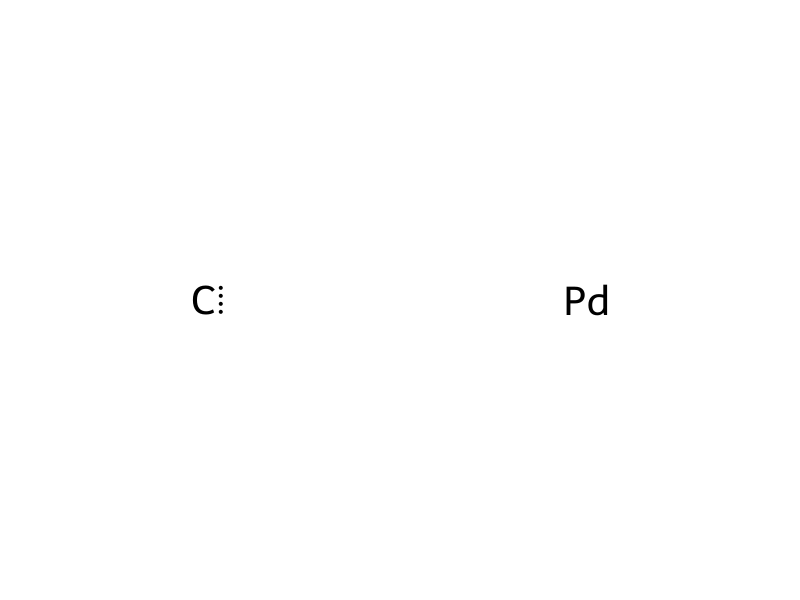
1,4-Dioxane (12 mL) and water (4 mL) were added to 4-bromophenol (315 mg, 1.82 mmol), 4-fluorobenzofuran-7-boronic acid (360 mg, 2.00 mmol), sodium carbonate (405 mg, 3.82 mmol), and Pd(dppf)Cl2 (catalytic amount), and stirred at 100° C. for 2 hours and a half. The reaction solution was concentrated under reduced pressure. To the residue, ethyl acetate and 1N hydrochloric acid were added and stirred. After that, the insoluble material was filtered off, and extraction was performed with ethyl acetate. The organic phase was washed with a saturated aqueous sodium hydrogen carbonate solution and saturated brine, and then dried over anhydrous magnesium sulfate. The solvent was distilled away under reduced pressure. The resulting residue was purified by silica gel chromatography (hexane/ethyl acetate). To the resulting solid (352 mg, 1.54 mmol), ammonium acetate (59 mg, 0.770 mmol) was added. After dissolved in methanol (35 mL), the reaction was carried out using a continuous hydrogenation reaction apparatus (10% palladium-carbon, 50 bar, 50° C., 1 mL/minute, once). The reaction solution was concentrated under reduced pressure. The resulting residue was dissolved in ethanol (35 mL) and chloroform (1 mL), and reacted using a continuous hydrogenation reaction apparatus (10% palladium-carbon, 50 bar, 60° C., 1 mL/minute, 3 times). The reaction solution was concentrated under reduced pressure. The resulting residue was purified by reversed-phase HPLC in the same manner as in Step 2 of Example 1 to thus obtain the title compound.

Workup

  1. concentrationThe reaction solution was concentrated under reduced pressure
  2. additionTo the residue, ethyl acetate and 1N hydrochloric acid were added
  3. stirringstirred
  4. filtrationAfter that, the insoluble material was filtered off
  5. extractionextraction
  6. washThe organic phase was washed with a saturated aqueous sodium hydrogen carbonate solution and saturated brine
  7. dry with materialdried over anhydrous magnesium sulfate
  8. distillationThe solvent was distilled away under reduced pressure
  9. customThe resulting residue was purified by silica gel chromatography (hexane/ethyl acetate)
  10. concentrationThe reaction solution was concentrated under reduced pressure
  11. dissolutionThe resulting residue was dissolved in ethanol (35 mL)
  12. customchloroform (1 mL), and reacted
  13. concentrationThe reaction solution was concentrated under reduced pressure
  14. customThe resulting residue was purified by reversed-phase HPLC in the same manner as in Step 2 of Example 1

Sources & evidence

ORD record
ord-3bf59a44a6ab4cc6a2c6afab7d8a316c
Source dataset
uspto-grants-2016_03
DOI
10.6084/m9.figshare.5104873.v1
Patent number
US09290487B2

Reaction notes

On this pageParticipantsConditionsProcedureWorkupSources & evidenceReaction notes