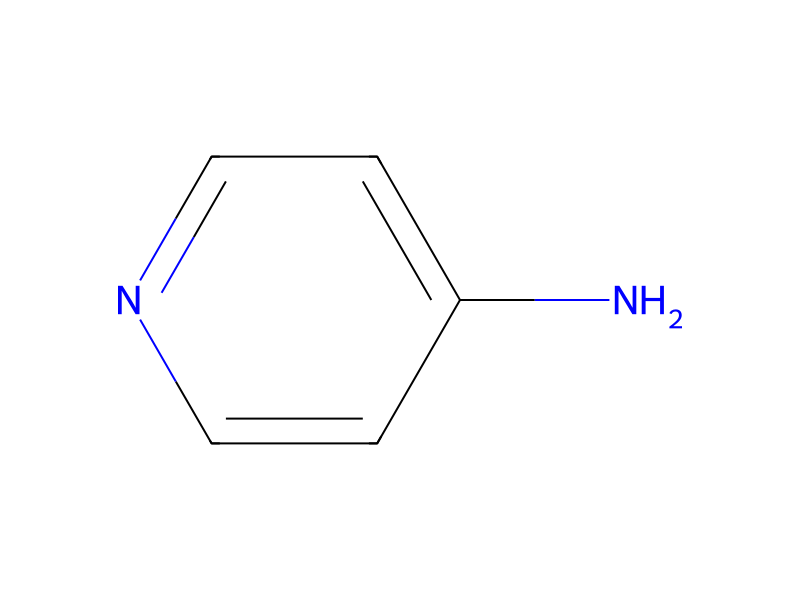
[F:1][C:2]([F:21])([F:20])[C:3]1[CH:4]=[CH:5][C:6]([O:9][C:10]2[CH:15]=[CH:14][C:13]([CH2:16][C:17]([OH:19])=O)=[CH:12][CH:11]=2)=[N:7][CH:8]=1.S(Cl)(Cl)=O.[NH2:26][C:27]1[CH:32]=[CH:31][N:30]=[CH:29][CH:28]=1.C(N(CC)CC)C>C1C=CC=CC=1.O.C(#N)C>[N:30]1[CH:31]=[CH:32][C:27]([NH:26][C:17](=[O:19])[CH2:16][C:13]2[CH:12]=[CH:11][C:10]([O:9][C:6]3[CH:5]=[CH:4][C:3]([C:2]([F:1])([F:21])[F:20])=[CH:8][N:7]=3)=[CH:15][CH:14]=2)=[CH:28][CH:29]=13.0 g (10.1 mmol) of 4-[(5-trifluoromethylpyridin-2-yl)oxy]phenylacetic acid was dissolved in 15 ml of benzene. Then, 1.8 g (15.1 mmol) of thionyl chloride was added thereto, and the mixture was refluxed under heating for 1.5 hours. Then, benzene and thionyl chloride were distilled off under reduced pressure. To the obtained residue, 15 ml of acetonitrile, 0.95 g (10.1 mmol) of 4-aminopyridine and 1.2 g (11.8 mmol) of triethylamine were added, and the mixture was refluxed under heating for 8 hours. After cooling, the reaction solution was poured into water and extracted with ethyl acetate. The organic layer was washed with water and then dried over anhydrous magnesium sulfate. Then, ethyl acetate was distilled off under reduced pressure. The obtained residue was purified by silica gel column chromatography (developing solvent: n-hexane/ethyl acetate) to obtain 0.45 g of the desired product as a milky white powder (melting point: 167.0° to 170.0° C.).