Reaction equation

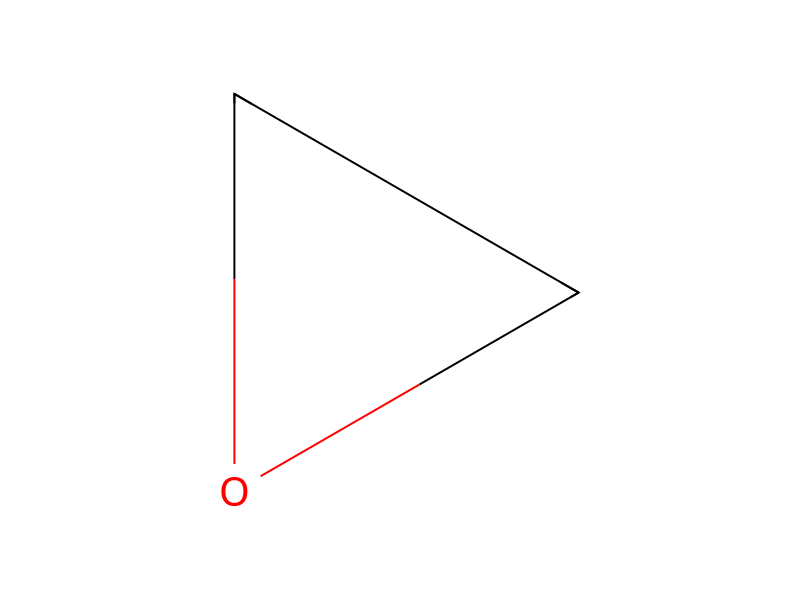
[Cl:1][C:2]1[C:12]2[CH2:11][CH2:10][NH:9][CH2:8][CH:7]([C:13]3[CH:18]=[CH:17][CH:16]=[CH:15][CH:14]=3)[C:6]=2[CH:5]=[C:4]([OH:19])[C:3]=1[OH:20].[CH2:21]1[O:23][CH2:22]1.Cl>CC(C)=O.C(OCC)(=O)C.C(O)C>[ClH:1].[Cl:1][C:2]1[C:12]2[CH2:11][CH2:10][N:9]([CH2:21][CH2:22][OH:23])[CH2:8][CH:7]([C:13]3[CH:18]=[CH:17][CH:16]=[CH:15][CH:14]=3)[C:6]=2[CH:5]=[C:4]([OH:19])[C:3]=1[OH:20]Participants
7
Reactant 3


Product 1

Reagents, catalysts & solvents 3



Procedure
A 3.9 g sample of 6-chloro-7,8-dihydroxy-1-phenyl-2,3,4,5-tetrahydro-1H-3-benzazepine is slurried in 25 ml of acetone and 0.7 g (0.016 mol, 10% excess) of ethylene oxide is added. The mixture is placed in a pressure bottle and stirred at ambient temperature for about 40 hours. The reaction mixture is then heated to 60°-80° for 30 minutes, cooled and filtered. Concentration of the filtrate gives a solid which is taken up in ethyl acetate and reprecipitated with ether. The solid thus obtained is dissolved in ethanol and treated with ethereal hydrogen chloride to give 6-chloro-7,8-dihydroxy-3-(2-hydroxyethyl)-1-phenyl-2,3,4,5-tetrahydro-1H-3-benzazepine hydrochloride.
Workup
- temperatureThe reaction mixture is then heated to 60°-80° for 30 minutes
- temperaturecooled
- filtrationfiltered
- customConcentration of the filtrate gives a solid which
- customreprecipitated with ether
- customThe solid thus obtained
Sources & evidence
- ORD record
- ord-9bdc1a1dcd2d48fbad589ea006bd6747
- Source dataset
- uspto-grants-1979_07
- Patent number
- US04160765
Linked notes
Loading…