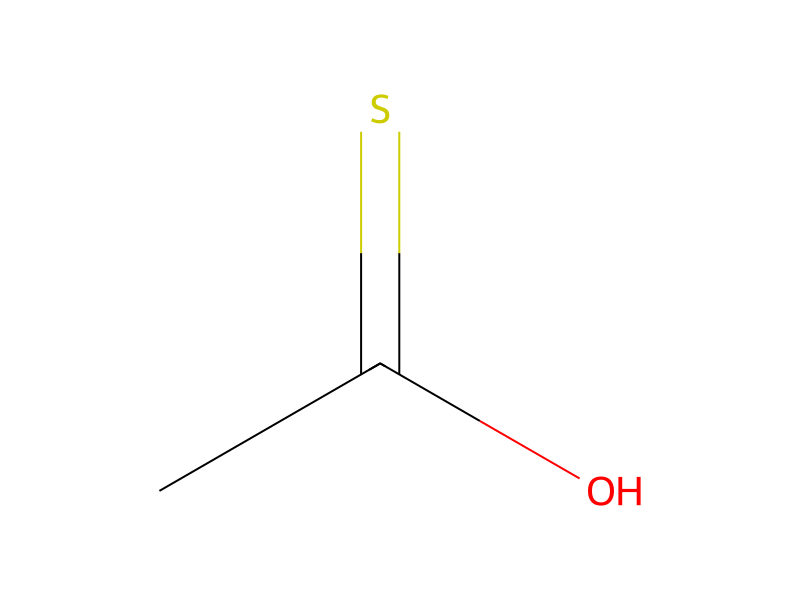
CC(C)([O-])C.[K+].[C:7]([OH:10])(=[S:9])[CH3:8].[CH2:11]([O:14][C:15]([N:17]1[CH2:21][C@H:20](OS(C)(=O)=O)[CH2:19][C@H:18]1[CH2:27][CH2:28][N:29]=[N+:30]=[N-:31])=[O:16])[CH:12]=[CH2:13].O>CN(C)C=O.C(OCC)(=O)C>[C:7]([S:9][C@@H:20]1[CH2:21][N:17]([C:15]([O:14][CH2:11][CH:12]=[CH2:13])=[O:16])[C@H:18]([CH2:27][CH2:28][N:29]=[N+:30]=[N-:31])[CH2:19]1)(=[O:10])[CH3:8]To a suspension of potassium t-butoxide (6.99 g) in dimethylformamide (150 ml) was added thioacetic acid (4.45 ml) under ice-cooling. After stirring for 15 minutes, a solution of (2R,4R)-1-allyloxycarbonyl-2-(2-azidoethyl)-4-methanesulfonyloxypyrrolidine (15.3 g) in dimethylformamide (20 ml) was added to the mixture under ice-cooling. The mixture was warmed to 80° C. and stirred for 4 hours, then cooled to ambient temperature and poured into water and ethyl acetate. The organic layer was separated, and the aqueous layer was extracted twice with ethyl acetate. The combined organic layer was washed with sat. sodium bicarbonate, water (twice) and brine, dried over magnesium sulfate, and evaporated under reduced pressure to give (2R,4S)-4-acetylthio-1-allyloxycarbonyl-2-(2-azidoethyl) pyrrolidine (14.7 g).
Loading…