HomeMCPWorkbenchSkills
HomeWorkbenchNotificationsMe
llms.txt · MCP GuidePrivacy Policy · Terms of Service · Supportv1.8.3
  1. Home
  2. /Reaction

Hydrochloric Acid → 21-deoxyconcanamycin A

HRID 976029
Print

Reaction equation

HRID 976029 reaction equation
Cl.[CH3:2][CH2:3][C@@H:4]1[C@H:22]([OH:23])[C@H:21]([CH3:24])[CH:20]=[C:19]([CH3:25])[CH:18]=[C:17]([O:26][CH3:27])[C:15](=[O:16])[O:14][C@H:13]([C@H:28]([C@@H:30]([OH:58])[C@@H:31]([C@:33]2(OC)[O:38][C@H:37](/[CH:39]=[CH:40]/[CH3:41])[C@@H:36]([CH3:42])[C@H:35]([O:43][C@@H:44]3[O:49][C@H:48]([CH3:50])[C@@H:47]([O:51][C:52]([NH2:54])=[O:53])[C@H:46]([OH:55])[CH2:45]3)[CH2:34]2)[CH3:32])[CH3:29])[C@@H:12]([O:59][CH3:60])[CH:11]=[CH:10][CH:9]=[C:8]([CH3:61])[CH2:7][C@@H:6]([CH3:62])[C@@H:5]1[OH:63].[BH3-]C#N.[Na+].COC1C=CC(C=O)=CC=1.OS(O)(=O)=O.P([O-])([O-])([O-])=O>CCO>[CH3:2][CH2:3][C@@H:4]1[C@H:22]([OH:23])[C@H:21]([CH3:24])[CH:20]=[C:19]([CH3:25])[CH:18]=[C:17]([O:26][CH3:27])[C:15](=[O:16])[O:14][C@H:13]([C@H:28]([C@@H:30]([OH:58])[C@@H:31]([C@@H:33]2[O:38][C@H:37](/[CH:39]=[CH:40]/[CH3:41])[C@@H:36]([CH3:42])[C@H:35]([O:43][C@@H:44]3[O:49][C@H:48]([CH3:50])[C@@H:47]([O:51][C:52]([NH2:54])=[O:53])[C@H:46]([OH:55])[CH2:45]3)[CH2:34]2)[CH3:32])[CH3:29])[C@@H:12]([O:59][CH3:60])[CH:11]=[CH:10][CH:9]=[C:8]([CH3:61])[CH2:7][C@@H:6]([CH3:62])[C@@H:5]1[OH:63]

ParticipantsProcedureWorkupSources & evidenceReaction notes

Participants

7

Reactant 5

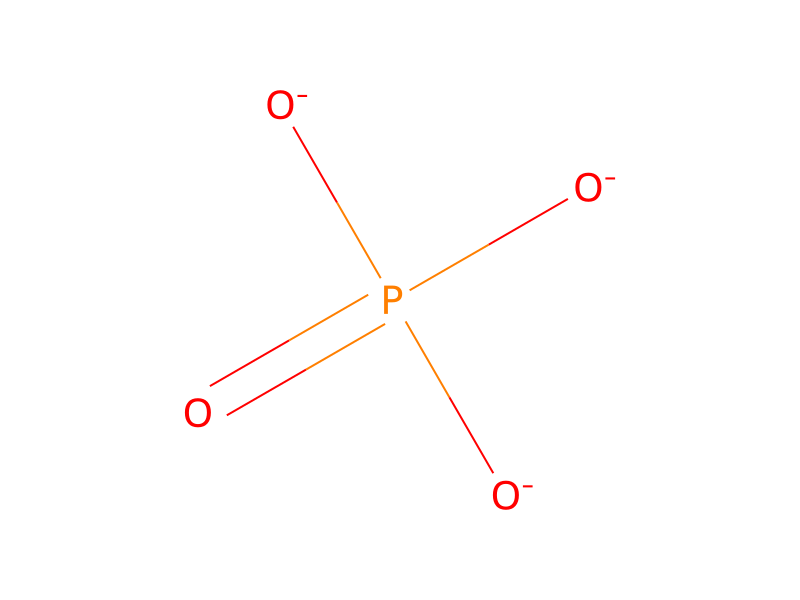
HCID 313Hydrochloric AcidHCID 1061PhosphateHCID 5003444Sodium cyanoborohydrideHCID 11061923O-Methylconcanamycin AHCID 21954228Anisaldehyde sulfuric acid

Product 1

HCID 11115550
21-deoxyconcanamycin A

Reagents, catalysts & solvents 1

HCID 702EthanolSolvent

Procedure

4 ml of 0.5N HCl are added to a solution of 388 mg (0.44 mmol) of 21-O-methyl-concanamycin A and 193 mg of NaBH3CN (3.08 mmol, 7 equiv.) in 50 ml of EtOH and the reaction mixture is stirred at room temperature until the starting material can no longer be detected by TLC chromatography. Owing to the similarity in the chromatographic behaviour of the starting material and the product, the TLC monitoring of the course of the reaction proves to be difficult; the product spot can, however, be stained yellow-brown with anisaldehyde/H2SO4 spray reagent, while the starting material can be stained blue-violet. After 3 hours 60 ml of phosphate buffer (pH=7) are added, EtOH is removed in vacuo and the aqueous solution is extracted with CHCl3. Customary working-up is followed by chromatography on silica gel (system D, 4×40 cm). M.p. 140° C.

Workup

  1. customEtOH is removed in vacuo
  2. extractionthe aqueous solution is extracted with CHCl3

Sources & evidence

ORD record
ord-4de31018a5de4741936f31b2f4e54a24
Source dataset
uspto-grants-1997_03
DOI
10.6084/m9.figshare.5104873.v1
Patent number
US05610178

Reaction notes

On this pageParticipantsProcedureWorkupSources & evidenceReaction notes

