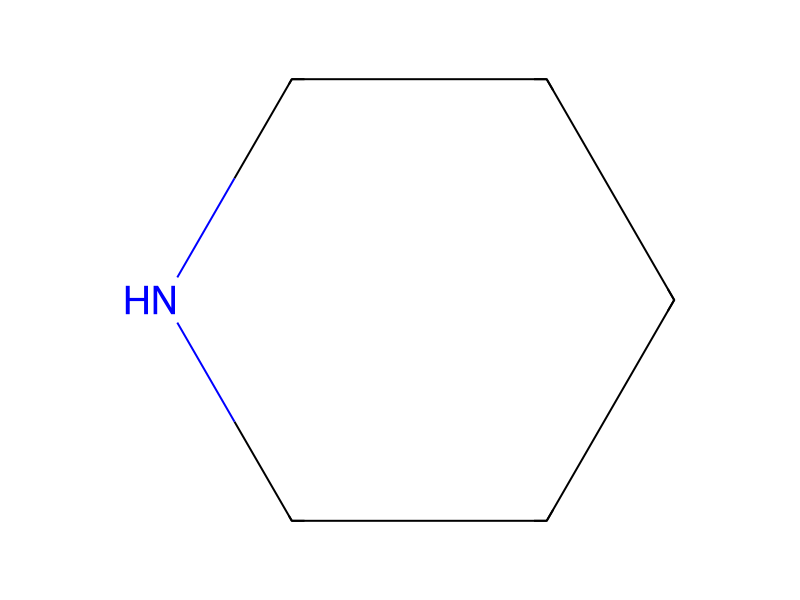
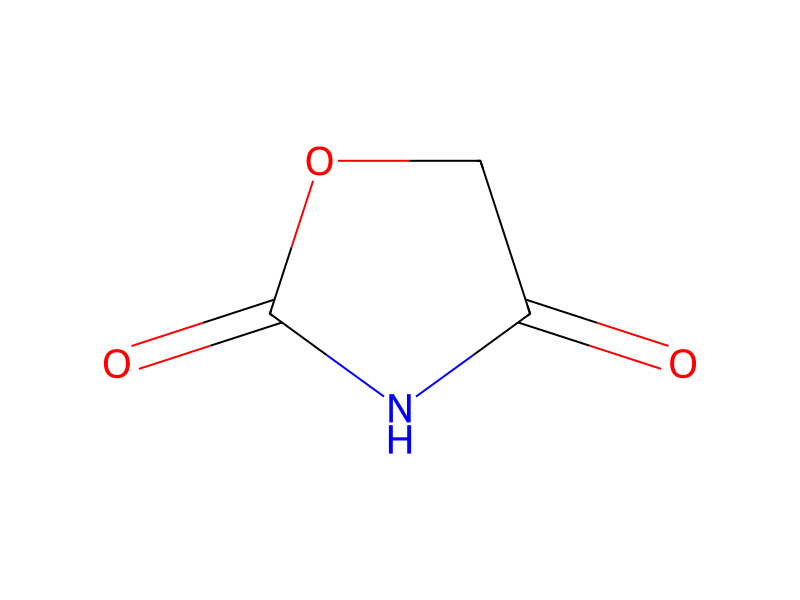
[CH3:1][C:2]1[O:6][C:5]([C:7]2[CH:16]=[CH:15][C:14]3[C:9](=[CH:10][CH:11]=[CH:12][CH:13]=3)[CH:8]=2)=[N:4][C:3]=1[CH:17]=[CH:18][C:19]1[CH:28]=[CH:27][C:22](/[CH:23]=[CH:24]/[CH:25]=O)=[CH:21][CH:20]=1.[O:29]1[CH2:33][C:32](=[O:34])[NH:31][C:30]1=[O:35].N1CCCCC1.C(O)C>O1CCCC1>[CH3:1][C:2]1[O:6][C:5]([C:7]2[CH:16]=[CH:15][C:14]3[C:9](=[CH:10][CH:11]=[CH:12][CH:13]=3)[CH:8]=2)=[N:4][C:3]=1[CH2:17][CH2:18][C:19]1[CH:28]=[CH:27][C:22]([CH2:23][CH2:24][CH2:25][CH:33]2[O:29][C:30](=[O:35])[NH:31][C:32]2=[O:34])=[CH:21][CH:20]=1A mixture of (E)-4-[2-[5-methyl-2-(2-naphthyl)-4-oxazolyl]vinyl]cinnamaldehyde (2.00 g), 2,4-oxazolidinedione (1.11 g), piperidine (0.23 g), ethanol (100 ml) and tetrahydrofuran (50 ml) was refluxed under heating conditions for 8 hours. After the reaction mixture was concentrated, chloroform was added to the residue; the mixture was then washed with 2N HCl and water. The organic layer was washed with water, dried (MgSO4) and then concentrated. The residue was subjected to silica gel column chromatography. The crystal obtained from the fraction eluted with ethyl acetate-chloroform (1:9, v/v) was dissolved in tetrahydrofuran (100 ml), and subjected to catalytic hydrogenation at 1 atm and room temperature in the presence of palladium-carbon (5%, 0.5 g). After the catalyst was filtered off, the filtrate was concentrated under reduced pressure. The residue was subjected to silica gel column chromatography to yield 5-[3-[4-[2-[5-methyl-2-(2-naphthyl)-4-oxazolyl]ethyl]phenyl]propyl]-2,4-oxazolidinedione (0.29 g, 12%) from the fraction eluted with methanol-chloroform (2:98, v/v), which was then recrystallized from dichloromethane-isopropyl ether to yield a colorless prisms having a melting point of 168°-169° C.