Reaction equation

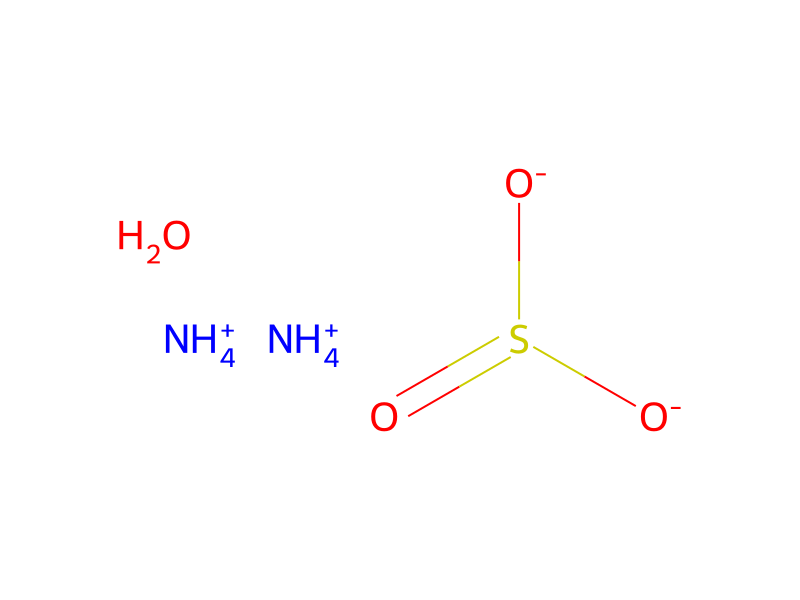
[Br:1][C:2]1[CH:11]=[CH:10][C:9]2[C:4](=[CH:5][C:6](O)=[CH:7][CH:8]=2)[CH:3]=1.[NH3:13].O.S([O-])([O-])=O.[NH4+].[NH4+].Cl>C(OCC)(=O)C>[NH2:13][C:6]1[CH:7]=[CH:8][C:9]2[C:4](=[CH:3][C:2]([Br:1])=[CH:11][CH:10]=2)[CH:5]=1Participants
Reactant 4



Product 1

Reagents, catalysts & solvents 1

Conditions
- Temperature
- 150 °C
Procedure
According to the procedure described in the aforementioned reference [L. C. Anderson et al., Journal of the American Chemical Society (J. Am. Chem. Soc.), vol. 65, p.241, 1943], 2-bromo-7-hydroxynaphthalene (2.23 g, MAYB) was added with 30% aqueous ammonia (30 ml) and ammonium sulfite monohydrate (2.69 g, WAKO) and stirred in a shield tube at 150° C. for 27 hours. The reaction mixture was added with ethyl acetate (90 ml) for extraction and then added with 1 N aqueous hydrochloric acid (1.5 l). The aqueous layer was separated, washed with ethyl acetate, then neutralized by adding 5 N aqueous sodium hydroxide (300 ml) under ice cooling and extracted with ethyl acetate again. The organic layer was washed with saturated brine and dried, and then the solvent was evaporated under reduced pressure to obtain the title compound (Intermediate 26, 1.00 g).
Workup
- customThe aqueous layer was separated
- washwashed with ethyl acetate
- additionby adding 5 N aqueous sodium hydroxide (300 ml) under ice cooling
- extractionextracted with ethyl acetate again
- washThe organic layer was washed with saturated brine
- customdried
- customthe solvent was evaporated under reduced pressure
Sources & evidence
- ORD record
- ord-9004eef9bbb94dbe824324702ec59b15
- Source dataset
- uspto-grants-2005_03
- Patent number
- US06867320B2
Linked notes
Loading…