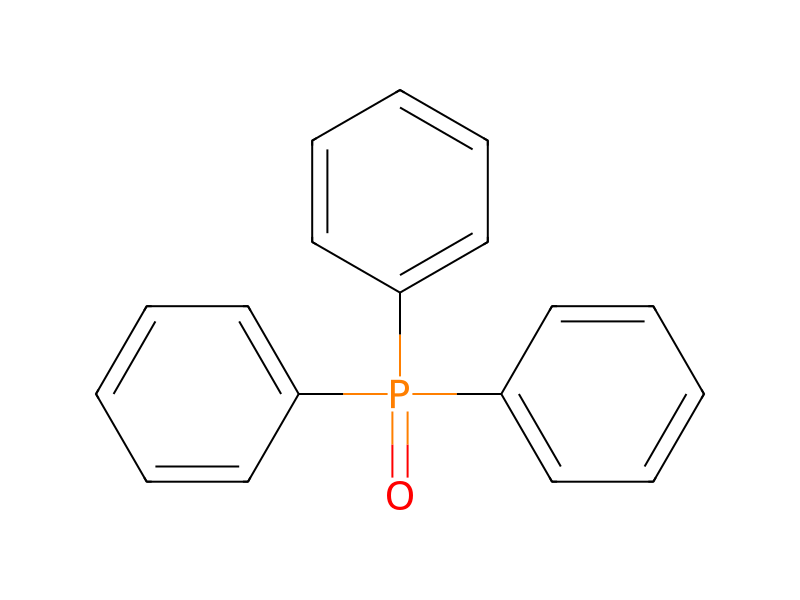
Triphenylphosphine → Triphenylphosphine Oxide
HRID 987136
Reaction equation

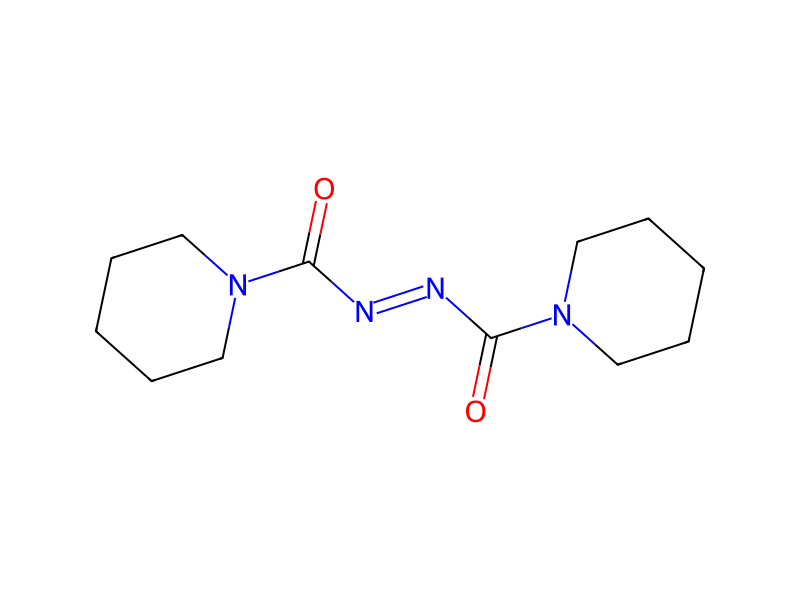
[OH:1]C1C=CC(CC(CC)C(OC)=O)=CC=1.CS(C1C=CC(CCO)=CC=1)(=O)=O.C1CCN(C(N=NC(N2CCCCC2)=O)=O)CC1.[C:47]1([P:53]([C:60]2[CH:65]=[CH:64][CH:63]=[CH:62][CH:61]=2)[C:54]2[CH:59]=[CH:58][CH:57]=[CH:56][CH:55]=2)[CH:52]=[CH:51][CH:50]=[CH:49][CH:48]=1>ClCCl>[C:60]1([P:53](=[O:1])([C:47]2[CH:48]=[CH:49][CH:50]=[CH:51][CH:52]=2)[C:54]2[CH:59]=[CH:58][CH:57]=[CH:56][CH:55]=2)[CH:61]=[CH:62][CH:63]=[CH:64][CH:65]=1Participants
6
Reactant 4



Product 1
Reagents, catalysts & solvents 1
