ホームMCPワークベンチSkills
ホームワークベンチ通知マイページ
llms.txt · MCPガイドプライバシーポリシー · 利用規約 · サポートv1.8.0
  1. ホーム
  2. /化合物

ネオペンタン

Neopentane

HCID 10041
ノートを作成反応を作成見積依頼を出す
印刷プレビュー

データを補完しています。しばらくしてからページを更新すると最新の内容を表示できます

基本情報概要名称と識別子物性安全と法規制化学と産業関連反応化合物ノート
部分構造検索類似構造を探す

基本情報

CAS
463-82-1
標準SMILES
CC(C)(C)C
InChIKey
CRSOQBOWXPBRES-UHFFFAOYSA-N
分子式
C5H12
平均分子量
72.15 g/mol
単同位体質量
72.09390038

概要

May liquefy in cool or cold weather. Less dense than water. Insoluble in water but soluble in alcohol. Under prolonged exposure to fire or heat, the containers may rupture violently and rocket.

名称と識別子

優先名称
Neopentane
IUPAC
2,2-dimethylpropane
現地名
ネオペンタン
英語名
2,2-DIMETHYLPROPANE
分子式
C5H12
分子量
72.15

名称と別名

NEOPENTANE2,2-DimethylpropaneTetramethylmethane463-82-1Propane, 2,2-dimethyl-tert-Pentane1,1,1-TrimethylethaneM863R1J0BP(CH3)4CDTXSID6029179CHEBI:30358RefChem:6056
名称をさらに表示
テトラメチルメタン2,2-ジメチルプロパン2,2ジメチルプロパンネオペンタンNeopentanDimethylpropanolNeo-C5H12New pentaneTetramethylmethanTetramethylcarbon2,2-Dimethylpropan
2,2-dimethylpropane;neopentaneDTXCID809179207-343-7dimethylpropane2,2-dimethyl-propaneHSDB 110EINECS 207-343-7UN2044

データベース識別子

CAS
463-82-1
PubChem CID
10041
DTXSID
DTXSID6029179
ChEBI
CHEBI:30358
UNII
M863R1J0BP
EC Number
207-343-7
Nikkaji
J2.227.693J、J5.885H

物性

構造計算による物性補完中

XLogP
2.5
極性表面積
0 Ų
水素結合供与体数
0
水素結合受容体数
0
回転可能結合数
0
重原子数
5
形式電荷
0
複雑度
15.5

実験および物理化学的性質

Chemical ClassesFlammable agents - 4th degree
SolventsSolvents -> Aliphatics, Saturated (<C12)
SpringerMaterials PropertiesSchoenflies notation
LogP · 3 件

log Kow = 3.11

3.11

3.11

OdorGasoline-like odor
Density · 5 件

0.591 at 20 °C/4 °C

Density = 0.5852 at 25 °C, pressure > 1 atm

Critical density = 237.7 kg/cu m

Density (at 20 °C): 0.61 g/cm³

0.613 @ 0°C

Color/FormColorless gas or very volatile liquid
Solubility · 3 件

In water, 33.2 mg/L at 25 °C

Soluble in ethyl alcohol, ethyl ether, carbon tetrachloride

Solubility in water: none

Flash Pointless than 19.4 °F
Boiling Point · 3 件

9.5 °C

9.5 °C

9.5 °C @760 [mm Hg]

安全と法規制

安全情報は参考情報です。供給元の安全データシート(SDS)、適用法令、専門家による評価に代わるものではありません。

GHS分類

GHS Classification · 6 件

Danger

H220: Extremely flammable gas [Danger Flammable gases]

P203, P210, P222, P273, P280, P377, P381, P391, P403, and P501 (click each P-code to see the statement)

Danger

H220 (99.4%): Extremely flammable gas [Danger Flammable gases]

P203, P210, P222, P273, P280, P377, P381, P391, P403, P410+P403, and P501 (click each P-code to see the statement)

危険有害性情報

Regulatory Information · 4 件

Chemical: Propane, 2,2-dimethyl-

Propane, 2,2-dimethyl- is listed on the EPA's Chemical Data Reporting (CDR) system. Manufacturers and importers of Propane, 2,2-dimethyl- are required to report information about their production and use of this chemical to the EPA under the Toxic Substances Control Act (TSCA). (40 eCFR Part 711)

Propane, 2,2-dimethyl- (neopentane): HSNO Approval: HSR000997 Approved with controls

The New Jersey Worker and Community Right to Know Act requires public and private employers to provide information about hazardous substances at their workplaces. (N.J.S.A. 34:5A-1 et. seq.)

DOT LabelFlammable Gas
Fire Hazards · 3 件

Excerpt from ERG Guide 115 [Gases - Flammable (Including Refrigerated Liquids)]:

· EXTREMELY FLAMMABLE.

Extremely flammable. Gas/air mixtures are explosive.

Fire PotentialBoth the gas and the liquid are flammable when exposed to heat or flame; can react vigorously with oxidizing materials.
Health Hazards · 2 件

Excerpt from ERG Guide 115 [Gases - Flammable (Including Refrigerated Liquids)]:

· Vapors may cause dizziness or asphyxiation without warning, especially when in closed or confined areas.

Hazards Summary

化学と産業

薬理情報

Metabolism/Metabolites · 2 件

2,2-Dimethylpropane was hydroxylated by rat liver microsomes to its parent alcohol 2,2-dimethylpropanol.

Pentane is absorbed following inhalation and ingestion, and to a small extent from dermal exposure. Once in the body it distributes to the tissues and blood, with the highest concentration in the adipose tissue. Pentane is metabolized by the cytochrome P-450 system. The main metabolite is 2-pentanol, followed by 3-pentanol, and 2-pentanone. These intermediates are further metabolized to glucuronic acid conjugates or oxidized to ketone products, which are excreted in the urine and expired air. (A600)

Absorption, Distribution and Excretion · 2 件

Routes of Entry: Inhalation, ingestion; skin and/or eye contact.

Studies were done on the pulmonary absorption of inhaled vapors of 20 gasoline-related hydrocarbon vapors, including neopentane. Male F344 rats were exposed to 1000 to 5000 ppm vapors of neopentane for 80 to 100 min. The uptake for neopentane was 5.4%. Highly volatile and branched hydrocarbons were less well absorbed than less volatile and unbranched hydrocarbons; unsaturated compounds were better absorbed than saturated ones. Less absorption could be the reason for the reduced toxicity seen with increased branching.

用途と製造

Uses · 4 件

Used as a solvent, a blowing agent, and to manufacture low-temperature thermometers and butyl rubber; [ACGIH]

Research, butyl rubber.

Neopentane is used as a gasoline blending agent; for making butyl rubber. A research chemical.

Pentanes are components of some fuels, such as gasoline, and are also used as specialty solvents in the laboratory. (L1287)

U.S. Production · 4 件

2023: 1,000,000 - <5,000,000 lb

2,2-Dimethylpropane is listed as a High Production Volume (HPV) chemical (65FR81686). Chemicals listed as HPV were produced in or imported into the U.S. in >1 million pounds in 1990 and/or 1994. The HPV list is based on the 1990 Inventory Update Rule. (IUR) (40 CFR part 710 subpart B; 51FR21438).

関連反応

4 件
反応記録を作成
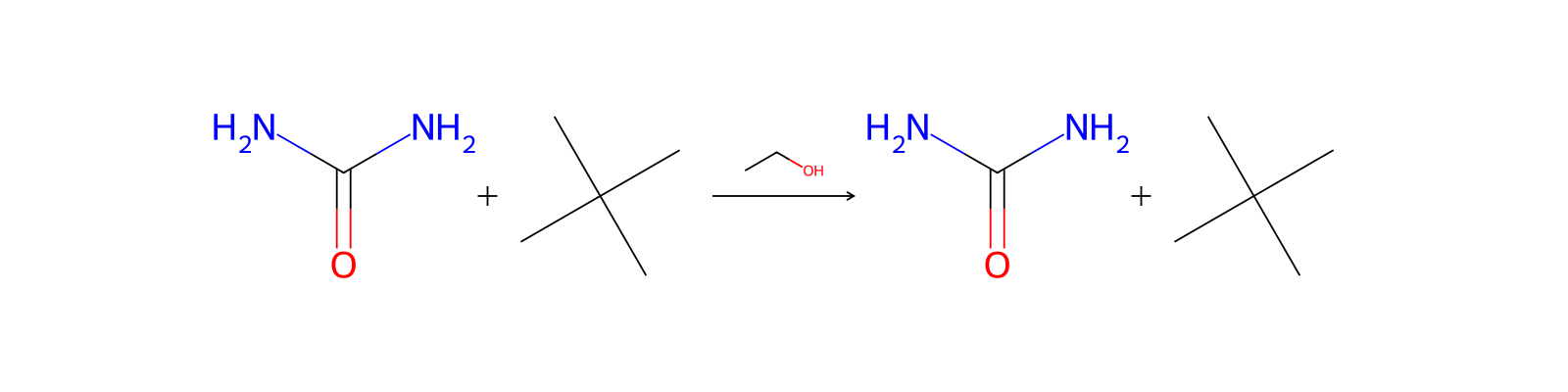
HRID 2668 の反応式
HRID 2668反応物としてuspto-grants-1998_03
HRID 2669 の反応式
HRID 2669反応物としてuspto-grants-1998_03
HRID 329966 の反応式
HRID 329966反応物としてuspto-grants-1990_01
HRID 1904417 の反応式
HRID 1904417反応物としてuspto-grants-1989_06

化合物ノート

読み込み中…

このページの内容基本情報概要名称と識別子物性安全と法規制化学と産業関連反応化合物ノート
その他の操作
ノートを作成反応を作成見積依頼を出す
DecompositionWhen heated to decomposition it emits acrid smoke and irritating fumes.
Melting Point · 3 件

-16.37 °C

-16.6 °C

-16.6 °C

物理化学的性質

融点
-19.8 ° · -19.8°
沸点
9.5 ° · bp 9.5°
比重(密度)
0 · d00 0.613 (liq)
蒸気圧
1 · 1,074.43 at 19.492 °C, 1,267.75 at 24.560 °C (ebulliometry, Osborn and Douslin, 1974)
屈折率
1.339 · 1.3390
溶解性
アルコールとエーテルに可溶 (Weast, 1986)。
酸解離定数(Pka)
14 · >14 (Schwarzenbach et al., 1993)
水溶解度
33.2 mg/kg、25°C · 33.2 mg/kg、25°C (振とうフラスコ GC、マコーリフ、1966 年)
Henry's Law Constant
3.7 · 3.70(atmm3/mol) at 25 °C (Mackay and Shiu, 1981)
Dielectric constant
1.91 · 1.9099999999999999
InChI
InChI=1S/C5H12/c1-5(2,3)4/h1-4H3
InChIKey
CRSOQBOWXPBRES-UHFFFAOYSA-N
SMILES
CC(C)(C)C
CAS データベース
463 · 463-82-1(CAS DataBase Reference)
EPAの化学物質情報
2 · 2,2-Dimethylpropane (463-82-1)

化学的性質

化学的特性2,2-Dimethylpropane, C5H12, is a flammable liquid and is physically similar to butane. It is an important component of petroleum fuel mixtures.

Narcosis and irritation are Critical Effects. [ACGIH] See n-Pentane.
DOT ID and Guide2044 115
Reactive GroupHydrocarbons, Aliphatic Saturated
EC ClassificationSymbol: F+, N; R: 12-51/53; S: (2)-9-16-33-61
UN ClassificationUN Hazard Class: 2.1
RCRA RequirementsD001; A solid waste containing neopentane may become characterized as a hazardous waste when subjected to testing for ignitability as stipulated in 40 CFR 261.21, and if so characterized, must be managed as a hazardous waste.
Reactivity AlertsHighly Flammable

安全と保護具

Fire Fighting · 2 件

Excerpt from ERG Guide 115 [Gases - Flammable (Including Refrigerated Liquids)]:

Shut off supply; if not possible and no risk to surroundings, let the fire burn itself out. In other cases extinguish with powder, foam, carbon dioxide. In case of fire: keep cylinder cool by spraying with water.

First Aid Measures · 3 件

Fresh air, rest. Refer for medical attention.

First rinse with plenty of water for at least 15 minutes, then remove contaminated clothes and rinse again.

Rinse with plenty of water (remove contact lenses if easily possible). Refer for medical attention.

Accidental Release Measures · 2 件

· CALL 911. Then call emergency response telephone number on shipping paper. If shipping paper not available or no answer, refer to appropriate telephone number listed on the inside back cover.

· ELIMINATE all ignition sources (no smoking, flares, sparks or flames) from immediate area.

First Aid · 2 件

Excerpt from ERG Guide 115 [Gases - Flammable (Including Refrigerated Liquids)]:

General First Aid:

Safe StorageFireproof. Cool.
Firefighting HazardsFIRE AND EXPLOSION HAZARDS: Severe fire hazard. Severe explosion hazard. The vapor is heavier than air. Vapors or gases may ignite at distant ignition sources and flash back. Gas/air mixtures are explosive.
Exposure Control and Personal Protection · 2 件

· Wear positive pressure self-contained breathing apparatus (SCBA).

1000.0 [ppm]

Fire Fighting Procedures · 4 件

FIRE FIGHTING: Move container from fire area if it can be done without risk. Cool containers with water spray until well after the fire is out. Stay away from the ends of tanks. For fires in cargo or storage area: Cool containers with water from unmanned hose holder or monitor nozzles until well after fire is out. If this is impossible then take the following precautions: Keep unnecessary people away, isolate hazard area and deny entry. Let the fire burn. Withdraw immediately in case of rising sound from venting safety device or any discoloration of tanks due to fire. For tank, rail car or tank truck: Stop leak if possible without personal risk. Let burn unless leak can be stopped immediately. For smaller tanks or cylinders, extinguish and isolate from other flammables. Evacuation radius: 800 meters (1/2 mile). Do not attempt to extinguish fire unless flow of material can be stopped first. Flood with fine water spray. Cool containers with water spray until well after the fire is out. Apply water from a protected location or from a safe distance. Avoid inhalation of material or combustion by-products. Stay upwind and keep out of low areas. Evacuate if fire gets out of control or containers are directly exposed to fire. Evacuation radius: 500 meters (1/3 mile). Consider downwind evacuation if material is leaking. Stop flow of gas.

EXTINGUISHING MEDIA: carbon dioxide, regular dry chemical. Large fires: Flood with fine water spray.

Do not extinguish the fire unless the flow of gas can be stopped and any remaining gas is out of the line. Specially trained personnel may use fog lines to cool exposures and let the fire burn itself out.

If material on fire or involved in fire: Do not extinguish fire unless flow can be stopped. Use "alcohol" foam, dry chemical or carbon dioxide. Use water in flooding quantities as fog. Cool all affected containers with flooding quantities of water. Apply water from as far a distance as possible.

Storage Conditions · 2 件

Prior to working with this chemical you should be trained on its proper handling and storage. Before entering a confined space where this chemical may be present, check to make sure that an explosive concentration does not exist. Store in tightly closed containers in a cool, well-ventilated area away from heat. Sources of ignition such as smoking and open flames are prohibited where this chemical is used, handled, or stored. Drums must be equipped with self-closing valves, pressure vacuum bungs, and flame arresters. Use only non-sparking tools and equipment, especially when opening and closing containers of this chemical. Where this chemical is used, handled, manufactured, or stored, use explosion-proof electrical equipment and fittings. Procedures for handling, use, and storage of cylinders should be in compliance with OSHA 1910.101 and 1910.169 as with the recommendations of the Compressed Gas Association.

Store and handle in accordance with all current regulations and standards. Subject to storage regulations: U.S. OSHA 29 CFR 1910.101. Grounding and bonding required. Keep separated from incompatible substances.

Cleanup Methods · 4 件

Evacuate and restrict persons not wearing protective equipment from area of spill or leak until cleanup is complete. Remove all ignition sources. Establish forced ventilation to keep levels below explosive limit. Stop the flow of gas if it can be done safely. If source of leak is a cylinder and the leak cannot be stopped in place, remove leaking cylinder to a safe place in the open air, and repair leak or allow cylinder to empty. Keep this chemical out of a confined space ... because of the possibility of an explosion ... It may be necessary to contain and dispose of this chemical as a hazardous waste. If material or contaminated runoff enters waterways, notify downstream users of potentially contaminated waters. Contact your Department of Environmental Protection or your regional office of the federal EPA for specific recommendations. If employees are required to clean up spills, they must be properly trained and equipped. OSHA 1910.120(q) may be applicable.

Environmental considerations -land spill: Dig a pit, pond, lagoon, holding area to contain liquid or solid material. /SRP: If time permits, pits, ponds, lagoons, soak holes, or holding areas should be sealed with an impermeable flexible membrane liner./ Dike surface flow using soil, sand bags, foamed polyurethane, or foamed concrete. Absorb bulk liquid with fly ash, cement powder, or commercial sorbents.

Environmental considerations - water spill: Use natural barriers or oil spill control booms to limit spill travel. Remove trapped material with suction hose.

Environmental considerations -air spill: Apply water spray or mist to knock down vapors.

Nonfire Spill ResponseExcerpt from ERG Guide 115 [Gases - Flammable (Including Refrigerated Liquids)]:
Disposal Methods · 3 件

Generators of waste (equal to or greater than 100 kg/mo) containing this contaminant, EPA hazardous waste number D001, must conform with USEPA regulations in storage, transportation, treatment and disposal of waste.

Incineration /SRP: with appropriate emission controls/.

Dispose in accordance with all applicable regulations. Subject to disposal regulations: U.S. EPA 40 CFR 262. Hazardous Waste Number(s): D001.

毒性情報

TreatmentTreatment is mainly symptomatic and supportive. Gastric lavage, emesis, and the administration of activated charcoal should be avoided, as vomiting increases the risk of aspiration. (A600)
Interactions · 1 件

The inducing effect of phenobarbital on the hydroxylation activity of rat liver microsomes was investigated. The time course of the hydroxylation reaction was measured separately for the various isomeric alcohols examined. The effect of aliphatic substrates on the difference spectra of microsomes from untreated control and phenobarbital induced rats was examined. The amount of cytochrome-P-450 formed was measured spectroscopically. Linearity of the yields of the alcohols examined with the microsomal protein concentrations and with time was observed up to 2 milligrams per milliliter and this concentration of microsomal protein was used in the assays. During microsomal hydroxylation the isomeric alcohols were formed by identical non linear kinetics in both pretreated and uninduced microsomes. Induction by phenobarbital caused a 4 to 5 fold increase in specific activity for all substrates: n-pentane , 2-methylbutane, 2,2-dimethylpropane , n-butane , isobutane, and methylcyclohexane. The specific activities for all substrates were in the same order of magnitude. For all aliphatic substrates phenobarbital induction increased the specific activity parallel to the shift in the oxidized cytochrome-P-450 spectrum. This was measured by the difference spectrum showing a peak at 388 nanometers and a trough at 420 nanometers after addition of the substrate to the microsomal suspension. In general, phenobarbital pretreatment produced a 4 to 5 fold increase in the substrate binding difference spectrum. The authors conclude that these aliphatic substrates are hydroxylated by the same cytochrome-P-450 species. Results are consistent with the hypothesis that cytochrome-P-450 forms a reversible enzyme/substrate complex which is reduced in the rate limiting step of the hydroxylation sequence.

Health Effects · 1 件

Pentane is a central nervous system depressant and can cause loss of consciousness and coma at high doses. Ingestion may cause pulmonary toxicity due to pentane aspiration, including chemical pneumonitis, acute lung injury, and hemorrhage. Cardiovascular effects may include ventricular dysrhythmias and sudden death. (T29, A600)

Environmental Fate · 3 件

TERRESTRIAL FATE: Based on a classification scheme(1), an estimated Koc value of 500(SRC), determined from a structure estimation method(2), indicates that 2,2-dimethylpropane is expected to have moderate mobility in soil(SRC). Volatilization of 2,2-dimethylpropane from moist soil surfaces is expected to be an important fate process(SRC) given an estimated Henry's Law constant of 2.2 atm-cu m/mole(SRC), based upon its vapor pressure, 1290 mm Hg(3), and water solubility, 33.2 mg/L(4). 2,2-Dimethylpropane is expected to volatilize from dry soil surfaces(SRC) based upon its vapor pressure(3). The highly branched structure of 2,2-dimethylpropane suggests that biodegradation in soil will be slow(5).

AQUATIC FATE: Based on a classification scheme(1), an estimated Koc value of 500(SRC), determined from a structure estimation method(2), indicates that 2,2-dimethylpropane is expected to adsorb to suspended solids and sediment(SRC). Volatilization from water surfaces is expected(3) based upon an estimated Henry's Law constant of 2.2 atm-cu m/mole(SRC), derived from its vapor pressure, 1290 mm Hg(4), and water solubility, 33.2 mg/L(5). Using this Henry's Law constant and an estimation method(3), volatilization half-lives for a model river and model lake are 2.5 hours and 3.4 days, respectively(SRC). 2,2-Dimethylpropane is not expected to undergo hydrolysis in the environment due to the lack of functional groups that hydrolyze under environmental conditions(3). According to a classification scheme(6), an estimated BCF of 52(SRC), from its log Kow of 3.11(7) and a regression-derived equation(2), suggests the potential for bioconcentration in aquatic organisms is moderate(SRC). The highly branched structure of 2,2-dimethylpropane suggests that biodegradation in water will be slow(8).

ATMOSPHERIC FATE: According to a model of gas/particle partitioning of semivolatile organic compounds in the atmosphere(1), 2,2-dimethylpropane, which has a vapor pressure of 1290 mm Hg at 25 °C(2), is expected to exist solely as a gas in the ambient atmosphere. Gas-phase 2,2-dimethylpropane is degraded in the atmosphere by reaction with photochemically-produced hydroxyl radicals(SRC); the half-life for this reaction in air is estimated to be 19 days(SRC), calculated from its rate constant of 8.25X10⁻¹³ cu cm/molecule-sec at 25 °C(3). 2,2-Dimethylpropane does not contain chromophores that absorb at wavelengths >290 nm(4) and, therefore, is not expected to be susceptible to direct photolysis by sunlight(SRC).

Food Survey Values2,2-Dimethylpropane was detected, not quantified, in a mixture of volatile compounds from chicken meat(1).
Adverse EffectsNeurotoxin - Acute solvent syndrome
Exposure RoutesOral (T29) ; inhalation (T29) ; dermal (T29)
Toxicity Summary · 2 件

IDENTIFICATION AND USE: Dimethylpropane is a colorless flammable gas or a volatile liquid. It is used as a research chemical and in the manufacture of butyl rubber. HUMAN EXPOSURE AND TOXICITY: Drinking of dimethylpropane is expected to cause nausea, vomiting, stomach pain, and diarrhea. Dimethylpropane is expected to be a potential aspiration hazard when swallowed because of its low surface tension and low viscosity. Once in the respiratory system, it can lead to spasms of the bronchial system, edema and hemorrhaging, chemical pneumonitis, asphyxia, or death. Signs and symptoms include coughing, choking, and gasping. Dimethylpropane vapor is nontoxic when inhaled except at very high concentrations exceeding the lower flammability limit. When large quantities are inhaled, dimethylpropane acts as an anesthetic and asphyxiant. At these high levels it will cause CNS depression such as drowsiness, anesthesia, and at higher concentrations, coma and death. Repeated or prolonged contact with skin may cause dermatitis. No further studies on human exposure or toxicity could be located. ANIMAL STUDIES: Dimethylpropane caused light anesthesia in mice exposed to 200,000 ppm for 30 min and anesthesia (loss of posture) at 270,000 ppm for 3 min exposure. Dimethylpropane was lethal to 40% of the mice exposed for 2 hr at a concentration of 340,000 ppm. After 2 hr of anesthesia, the surviving mice recovered quickly on average in 4 min. Dimethylpropane is hydroxylated by rat liver microsomes to its parent alcohol 2,2-dimethylpropanol. No other animal studies could be located.

Pentane is a central nervous system depressant. It affects the peripheral nervous system through demyelinization and axonal degeneration. (T29)

Signs and Symptoms · 4 件

Dizziness. Drowsiness. Headache.

ON CONTACT WITH LIQUID: FROSTBITE.

ON CONTACT WITH LIQUID: FROSTBITE.

Pentane is a central nervous system depressant and can cause anorexia, euphoria, dizziness, headache, depression, confusion, inability to concentrate, anoxia, narcosis, and loss of consciousness and coma at high concentrations. Contact with the skin results in cause drying, erythema, hyperpigmentation, hyperemia, dermatitis, burning pain, and blisters. (T14, T29, A600)

Effluent Concentrations · 2 件

2,2-Dimethylpropane is a hydrocarbon specie of industry average gasoline and EPA certification gasoline at 0.034 and 0.067%, respectively(1). Analyses of these fuel emissions reveal that cold start exhaust emissions from gasoline-burning engines contained 2,2-dimethylpropane at a relative amount of 0.06% of the total composition of the emission(1). 2,2-Dimethylpropane was not detected in either hot stab or hot start emissions(1). 2,2-Dimethylpropane was detected in both diurnal and running losses type evaporative emissions at 0.04% and 0.19%, respectively, of the total composition of the emission but was not detected in hot soak evaporative emissions(1). The amount of 2,2-dimethylpropane in gasoline exhaust was estimated as 26.5 ug/L based on fuel-composition of samples taken across California in 2010(2). 2,2-Dimethylpropane was not detected in the emissions from 6 small off-road engines (2- and 4- stroke, manufactured 2002-2006) or from a 1998 diesel fueled transport refrigeration unit(3).

Using 16 different combinations of fuel (honeycomb coal briquette, coal briquette, washed and unprocessed coal powder, wood, wheat, maize, kerosene, liquid propane gas, coal gas, natural gas) and stoves (metal with and without flue, brick, kerosene wick, traditional liquid propane, traditional gas), 2,2-dimethylpropane was only detected in the emissions from liquid propane gas stove at 1.62 mg/kg of fuel used(1).

Medical Surveillancelung function tests. Consider chest x-ray following acute overexposure.
Soil Adsorption/Mobility · 1 件

Using a structure estimation method based on molecular connectivity indices(1), the Koc of 2,2-dimethylpropane can be estimated to be 500(SRC). According to a classification scheme(2), this estimated Koc value suggests that 2,2-dimethylpropane is expected to have moderate mobility in soil.

法規制情報

RCRA RequirementsD001; A solid waste containing neopentane may become characterized as a hazardous waste when subjected to testing for ignitability as stipulated in 40 CFR 261.21, and if so characterized, must be managed as a hazardous waste.
DHS Chemicals of Interest (COI) · 4 件

2,2-Dimethylpropane

1

10000

Flammable chemical that can be released at a facility.

安全データ

OEB
A
OEL
TWA: 120.0 ppm; 350.0 mg/m3, STEL: 610.0 ppm; 1800.0 mg/m3
tsca
TSCA listed
ridadr
UN 2044
毒性
Acute oral LD50 (intraperitoneal) for mice 100 mg/kg (quoted, RTECS, 1985).
hs_code
2901100000
risk_code
12-51/53
hazard_code
F+,N
safety_code
9-16-33-61
hazard_class
2.1
有毒物質データの
463-82-1(Hazardous Substances Data)

Production volumes for non-confidential chemicals reported under the Inventory Update Rule.[Table#349]

Non-confidential 2014 Chemical Data Reporting (CDR) information on the production and use of chemicals manufactured or imported into the United States. Chemical: Propane, 2,2-dimethyl-. National Production Volume: 138,616 lb/yr.

Consumer UsesFuel
Industry UsesFuel
Methods of Manufacturing · 2 件

PETROLEUM REFINING OPERATIONS BY CATALYTIC CRACKING, THERMAL CRACKING, HYDROCRACKING, AND CATALYTIC REFORMING

Prepared from tert-butyl iodide and dimethylzinc; ... from butylmagnesium iodide and dimethyl sulfate in ether; ... from amylene vapor and hydrogen in presence of an electric discharge; ... passing pentanes over aluminum chloride at 140 °C; ... from neopentylmagnesium chloride and water.

Formulations/PreparationsGrades: technical 95%, pure 99%, research 99.9%.
General Manufacturing Information · 4 件

Wholesale and Retail Trade

Propane, 2,2-dimethyl-: ACTIVE

Found in petroleum naphtha.

Industry average gasoline, EPA certification gasoline, and M-85 (85% methanol, 15% gasoline) contain neopentane at a relative amount of 0.034%, 0.073%, and 0%, respectively, of the total composition of the fuel.

応用分野 · 4 件

解説ネオペンタン,無色の気体または揮発性の液体.融点-16.55 ℃,沸点9.50 ℃.爆発範囲1.4~7.6体積%.エタノール,エーテルに可溶,水に不溶.用途としては,オクタン価は高いが沸点が低過ぎるため,特別な場合に少量ガソリンに配合される程度である.森北出版「化学辞典(第2版)

使用2,2-Dimethylpropane is manufactured by petroleum refining operations. It is used as a chemical intermediate for agricultural chemicals, and as a component of high-octane motor and aviation fuels.

一般的な説明Boiling point 40°F. May liquefy in cool or cold weather. Less dense than water. Flash point -85°F. Autoignition temperature 842°F. Insoluble in water but soluble in alcohol. Under prolonged exposure to fire or heat, the containers may rupture violently and rocket.

使用用途ネオペンタンの主な使用用途は発泡剤です。その他、エレクトロニクス洗浄剤や化学溶剤として用いられています。発泡剤とは、ゴムやプラスチックのような高分子 (ポリマー) に他の配合剤を加え、加熱分解によって発生したガスなどを包含させることで、細胞構造を形成するための薬剤のことです。 発泡スチロールだけでなく、などの製造にも役立っているため、日々の生活用品に取り入れられています。なお、ネオペンタンは、原油や石油系炭化水素の分解油中から、分留することで得られます。

調製方法

純化方法It is freed from isobutene by passage over conc H2SO4 or P2O5, and through silica gel. [Beilstein 1 H 141, 1 I 50, 1 II 104, 1 369, 1 IV 333.] Nerolidol (3,7,11-trimethyl-1,6,10-dodecatrien-3-ol) M 222.4 [cis/trans 7212-44-4] b

上流・下流製品情報

上流原料

Magnesium, bromo(2,2-dimethylpropyl)-2,2-ジメチルブタンtert-ブチル酢酸3,3-ジメチル-1-ブタノールtert-ブチルメチルエーテルジメチル亜鉛

下流製品

2,2,5,5-テトラメチルヘキサン3,3-ジメチルオキセタン2,2,3,3-テトラメチルブタン2-エチル-2-メチルブタン