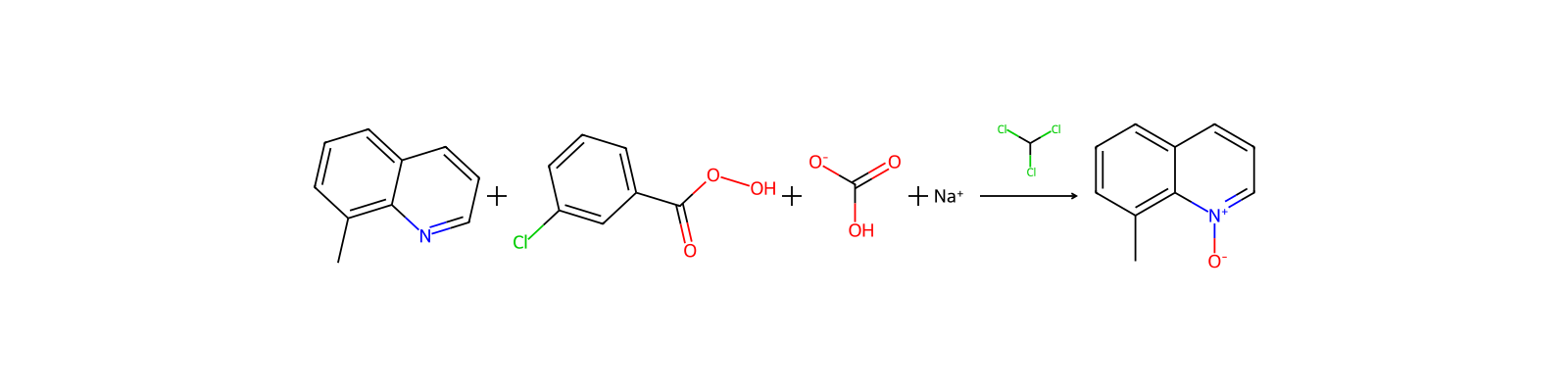
HRID 39733反応物として
8-Methylquinoline
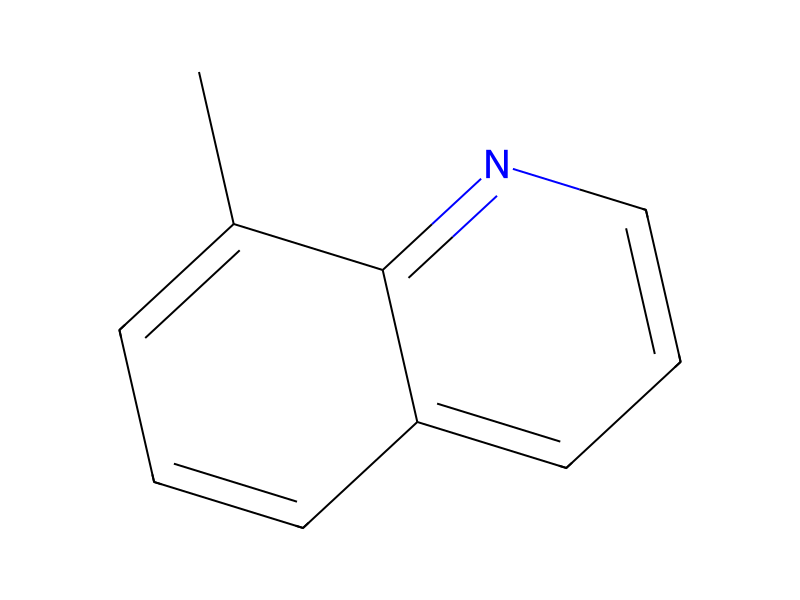
611-32-5Cc1cccc2cccnc12JRLTTZUODKEYDH-UHFFFAOYSA-N8-methylquinoline appears as yellow liquid or oil. (NTP, 1992)
611-32-5DTXSID8020888CHEMBL1702610CHEBI:489848-methylquinoline appears as yellow liquid or oil. (NTP, 1992)
Liquid
安全情報は参考情報です。供給元の安全データシート(SDS)、適用法令、専門家による評価に代わるものではありません。
Warning
H315 (100%): Causes skin irritation [Warning Skin corrosion/irritation]
P203, P261, P264, P264+P265, P271, P280, P302+P352, P304+P340, P305+P351+P338, P318, P319, P321, P332+P317, P337+P317, P362+P364, P403+P233, P405, and P501 (click each P-code to see the statement)
Aggregated GHS information provided per 47 reports by companies from 5 notifications to the ECHA C&L Inventory. Each notification may be associated with multiple companies.
Chemical: Quinoline, 8-methyl-
Quinoline, 8-methyl- is listed on the EPA's Chemical Data Reporting (CDR) system. Manufacturers and importers of Quinoline, 8-methyl- are required to report information about their production and use of this chemical to the EPA under the Toxic Substances Control Act (TSCA). (40 eCFR Part 711)
8-METHYLQUINOLINE may be sensitive to exposure to light. May react vigorously with strong oxidizing agents and strong acids (NTP, 1992). Neutralizes acids in exothermic reactions to form salts plus water. May be incompatible with isocyanates, halogenated organics, peroxides, phenols (acidic), epoxides, anhydrides, and acid halides. Flammable gaseous hydrogen may be generated in combination with strong reducing agents, such as hydrides.
All Other Chemical Product and Preparation Manufacturing
Quinoline, 8-methyl-: ACTIVE
使用8-Methylquinoline has been used in preparation of osmium chloridophosphine complexes, as quinoline carbene tautomers.Tumorigenic potential of 8-methylquinoline has been evaluated in newborn CD-1 mice and Sprague-Dawley rats.
一般的な説明Yellow liquid or oil.
純化方法Purify it as for 2-methylquinoline. The phosphate and picrate have m 158o and m 201o, respectively. [Beilstein 20 III/IV 3500, 20/7 V 405.]


化学的特性clear yellow liquid
EYES: First check the victim for contact lenses and remove if present. Flush victim's eyes with water or normal saline solution for 20 to 30 minutes while simultaneously calling a hospital or poison control center. Do not put any ointments, oils, or medication in the victim's eyes without specific instructions from a physician. IMMEDIATELY transport the victim after flushing eyes to a hospital even if no symptoms (such as redness or irritation) develop.
SMALL SPILLS AND LEAKAGE: If you spill this chemical, FIRST REMOVE ALL SOURCES OF IGNITION. Then, use absorbent paper to pick up all liquid spill material. Your contaminated clothing and absorbent paper should be sealed in a vapor-tight plastic bag for eventual disposal. Solvent wash all contaminated surfaces with 60-70% ethanol followed by washing with a soap and water solution. Do not reenter the contaminated area until the Safety Officer (or other responsible person) has verified that the area has been properly cleaned.
RECOMMENDED RESPIRATOR: Where the neat test chemical is weighed and diluted, wear a NIOSH-approved half face respirator equipped with an organic vapor/acid gas cartridge (specific for organic vapors, HCl, acid gas and SO2) with a dust/mist filter. (NTP, 1992)
定義ChEBI: A methylquinoline carrying a methyl substituent at position 8.