

基本情報
- 標準SMILES
[Fe]- InChIKey
XEEYBQQBJWHFJM-UHFFFAOYSA-N- 分子式
- Fe
- 平均分子量
- 55.84 g/mol
- 単同位体質量
- 55.934936
名称と識別子
- 優先名称
- Iron
- IUPAC
- iron
- 英語名
- Iron, dialyzed
- 分子式
- Fe
- 分子量
- 55.845
名称と別名
IRON7439-89-6Iron powderIron, elementalferrous ironRemkoiron metalArmco ironFerrovac EHoeganaes EH3ZhPAncor B
名称をさらに表示
Iron, dialyzed
Atomiron 5MPZhOAtomiron 44MRhierroAtomiron AFP 5Atomiron AFP 25FEAtomel 28
データベース識別子
- CAS
12597-68-1、14067-02-8、33485-98-2、7439-89-6、8048-10-0、8053-60-9- PubChem CID
- 23925
- DTXSID
DTXSID5043710- ChEBI
CHEBI:18248- UNII
- E1UOL152H7
- EC Number
- 231-096-4、232-467-3、603-108-1、617-112-6、628-861-3、640-395-2、912-499-0、917-706-8
- Nikkaji
- J154.810G、J154.811E、J2.498.780I、J221.629I、J238.001C、J3.600.782F、J3.600.783D、J95.171D
物性
構造計算による物性
- 極性表面積
- 0 Ų
- 水素結合供与体数
- 0
- 水素結合受容体数
- 0
- 回転可能結合数
- 0
- 重原子数
- 1
- 形式電荷
- 0
- 複雑度
- 0
実験および物理化学的性質
Density
7.87 g/cu cm
Density: ...cast 7.76; wrought 7.25-7.78; steel 7.6-7.78.
7.87 @25 °C
Color/Form
Silvery-white or gray, soft, ductile, malleable metal ... In powder form it is black to gray
Cubic crystal system. Body-centered cubic structure
Silver-white or gray metal
TENACIOUS, LUSTROUS METAL
Pure iron is a silvery white, relatively soft metal
Solubility
INSOL IN HOT & COLD WATER, ALKALI, ALC, ETHER; SOL IN ACIDS
Soluble in dilute acid.
Boiling Point
2,861 °C
288 °F
2861 °C @760 [mm Hg]
Melting Point
1538
1,538 °C
Melting point: ...cast 1000-1300 °C; wrought 1500 °C; steel 1300 °C
1538 °C
Vapor Pressure
1Pa at 1455 °C (solid); 10 Pa at 1617 °C; 100 Pa at 1818 °C; 1 kPa at 2073 °C; 10 kPa at 2406 °C; 100 kPa at 2859 °C
depends upon the specific compound
Physical Description
Iron, [powdered] appears as a gray lustrous powder. Used in powder metallurgy and as a catalyst in chemical manufacture.
Dry Powder; Other Solid; Dry Powder; Large Crystals; Large Crystals; Dry Powder; Wet Solid; Other Solid; CBI; Large Crystals; Other Solid; Dry Powder; Other Solid; Wet Solid
Gray metallic, pyrophoric powder; [CAMEO]
Appearance and odor vary depending upon the specific soluble iron salt.
Stability/Shelf LifeStable in dry air but readily oxidizes in moist air forming "rust" (chiefly oxide, hydrated).
Other Experimental Properties
Readily attacked by diluted mineral acids and attacked or dissolved by organic acids.
Not appreciably attacked by cold concentrated /sulfuric acid/ or /nitric acid/, but is attacked by the hot acids.
Four naturally occurring isotopes (54)Fe (5.82%), (56)Fe (91.66%), (57)Fe (2.19%), (58)Fe (0.33%).
Valences 2, 3; seldom 1, 4, 6
For more Other Experimental Properties (Complete) data for IRON, ELEMENTAL (10 total), please visit the HSDB record page.
安全と法規制
GHS分類
GHS Classification
This chemical does not meet GHS hazard criteria for 74.1% (4458 of 6013) of all reports.
Danger
H228 (15.5%): Flammable solid [Danger Flammable solids];H251 (21.2%): Self-heating; may catch fire [Danger Self-heating substances and mixtures]
P210, P235, P240, P241, P280, P370+P378, P407, P410, P413, and P420 (click each P-code to see the statement)
Aggregated GHS information provided per 6013 reports by companies from 24 notifications to the ECHA C&L Inventory. Each notification may be associated with multiple companies.;Reported as not meeting GHS hazard criteria per 4458 of 6013 reports by companies.;There are 21 notifications provided by 1555 of 6013 reports by companies with hazard statement code(s).;Information may vary between notifications depending on impurities, additives, and other factors. The percentage value in parenthesis indicates the notified classification ratio from companies that provide hazard codes. Only hazard codes with percentage values above 10% are shown. For more detailed information, please visit ECHA C&L website.
危険有害性情報
Regulatory Information
Chemical: Iron
Hazard Traits - Environmental tox;Authoritative List - CWA 303(d);Report - if used as a fragrance or flavor ingredient
Regulation (EC) No 1935/2004 (amended)
Iron is listed on the EPA's Chemical Data Reporting (CDR) system. Manufacturers and importers of Iron are required to report information about their production and use of this chemical to the EPA under the Toxic Substances Control Act (TSCA). (40 eCFR Part 711)
Status: Active Update: 14-05-2023 https://echa.europa.eu/registration-dossier/-/registered-dossier/15429
Iron: Does not have an individual approval but may be used under an appropriate group standard
Other Safety InformationIMAP assessments - Iron: Environment tier I assessment;IMAP assessments - Iron: Human health tier I assessment
DOT LabelFlammable Solid
Fire Hazards
Excerpt from ERG Guide 133 [Flammable Solids]:;Flammable/combustible material. May be ignited by friction, heat, sparks or flames. Some may burn rapidly with flare-burning effect. Powders, dusts, shavings, borings, turnings or cuttings may explode or burn with explosive violence. Substance may be transported in a molten form at a temperature that may be above its flash point. May re-ignite after fire is extinguished. (ERG, 2024)
Fire Potential
Moderate, in form of dust when exposed to heat or flame.
The minimum ignition temperatures for iron dust clouds range from 470-780 °C; for layered dust, the range is 220-520 °C.
Health Hazards
Excerpt from ERG Guide 133 [Flammable Solids]:;Fire may produce irritating and/or toxic gases. Contact may cause burns to skin and eyes. Contact with molten substance may cause severe burns to skin and eyes. Runoff from fire control or dilution water may cause environmental contamination. (ERG, 2024)
Hazards Summary
Fine iron powder can ignite spontaneously. Reacting with moisture in the air, it produces flammable hydrogen gas. [CHEMINFO] Occupational asthma in 3 welders confirmed by bronchoprovocation testing; [Malo] See Iron salts, soluble and Iron oxide.
Reactive GroupMetals, Elemental and Powder, Active
Special Reports
Ions involved in oxygen transport, electron transport, nitrogen fixation and a number of other biological processes: Nielands, "Evolution of Biological Iron Binding Centers" in Struct Bonding 11, 145-170 (1972). Review of biology, pharmacology and toxicity of iron compounds: several authors, Clin Toxicol 4, 525-642 (1971).[O'Neil, M.J. (ed.). The Merck Index - An Encyclopedia of Chemicals, Drugs, and Biologicals. 13th Edition, Whitehouse Station, NJ: Merck and Co., Inc., 2001., p. 915]
Study of iron and its compound by Mossbauer spectroscopy: Danon, "57Fe: metal, alloys and inorganic Compounds" in chemical applications of Mossbauer spectroscopy, VI Goldanskii, RH Herber, eds (Academic Press, NY, 1968) p 159-313.[O'Neil, M.J. (ed.). The Merck Index - An Encyclopedia of Chemicals, Drugs, and Biologicals. 13th Edition, Whitehouse Station, NJ: Merck and Co., Inc., 2001., p. 915]
Reactivity AlertsStrong Reducing Agent;Known Catalytic Activity;Water-Reactive;Pyrophoric
Reactivity Profile
IRON, [POWDERED] is pyrophoric [Bretherick, 1979 p. 170-1]. A strong reducing agent and therefore incompatible with oxidizing agents. Burns in chlorine gas [Mellor 2, Supp. 1:380 1956]. Reacts with fluorine with incandescence [Mellor 13:314, 315, 1946-1947].
Air and Water ReactionsHighly flammable. May react with water to give off hydrogen, a flammable gas. The heat from this reaction may ignite the hydrogen. The substance is said to be pyrophoric.
安全と保護具
Fire Fighting
Excerpt from ERG Guide 133 [Flammable Solids]:;SMALL FIRE: Dry chemical, CO2, sand, earth, water spray or regular foam.;LARGE FIRE: Water spray, fog or regular foam. If it can be done safely, move undamaged containers away from the area around the fire.;FIRE INVOLVING METAL PIGMENTS OR PASTES (E.G. "ALUMINUM PASTE"): Aluminum Paste fires should be treated as a combustible metal fire. Use DRY sand, graphite powder, dry sodium chloride-based extinguishers or class D extinguishers. Also, see ERG Guide 170.;FIRE INVOLVING TANKS, RAIL TANK CARS OR HIGHWAY TANKS: Cool containers with flooding quantities of water until well after fire is out. For massive fire, use unmanned master stream devices or monitor nozzles; if this is impossible, withdraw from area and let fire burn. Withdraw immediately in case of rising sound from venting safety devices or discoloration of tank. ALWAYS stay away from tanks in direct contact with flames. (ERG, 2024)
First AidExcerpt from ERG Guide 133 [Flammable Solids]:;Refer to the "General First Aid" section. Specific First Aid: Removal of solidified molten material from skin requires medical assistance. (ERG, 2024)
Fire Fighting Procedures
Special mixtures of dry chemical.
Iron flake powder and polystyrene beads had been blended in a high-speed mixer. The mixture ignited and burned rapidly when discharged into a polythene bag. Rapid oxidation of the finely divided metal and/or static discharge may have initiated the fire. No ignition occurred when the iron powder was surface coated with stearic acid.
Nonfire Spill Response
Excerpt from ERG Guide 133 [Flammable Solids]:;ELIMINATE all ignition sources (no smoking, flares, sparks or flames) from immediate area. Do not touch or walk through spilled material.;SMALL DRY SPILL: With clean shovel, place material into clean, dry container and cover loosely; move containers from spill area.;LARGE SPILL: Wet down with water and dike for later disposal. Prevent entry into waterways, sewers, basements or confined areas. (ERG, 2024)
Disposal Methods
SRP: The most favorable course of action is to use an alternative chemical product with less inherent propensity for occupational exposure or environmental contamination. Recycle any unused portion of the material for its approved use or return it to the manufacturer or supplier. Ultimate disposal of the chemical must consider: the material's impact on air quality; potential migration in soil or water; effects on animal, aquatic, and plant life; and conformance with environmental and public health regulations.
Preventive Measures
SRP: Local exhaust ventilation should be applied wherever there is an incidence of point source emissions or dispersion of regulated contaminants in the work area. Ventilation control of the contaminant as close to its point of generation is both the most economical and safest method to minimize personnel exposure to airborne contaminants.
SRP: The scientific literature for the use of contact lenses in industry is conflicting. The benefit or detrimental effects of wearing contact lenses depend not only upon the substance, but also on factors including the form of the substance, characteristics and duration of the exposure, the uses of other eye protection equipment, and the hygiene of the lenses. However, there may be individual substances whose irritating or corrosive properties are such that the wearing of contact lenses would be harmful to the eye. In those specific cases, contact lenses should not be worn. In any event, the usual eye protection equipment should be worn even when contact lenses are in place.
All ... /iron/ preparations should be kept in child-proof bottles. /Iron preparations/
Isolation and Evacuation
Excerpt from ERG Guide 133 [Flammable Solids]:;IMMEDIATE PRECAUTIONARY MEASURE: Isolate spill or leak area for at least 25 meters (75 feet) in all directions.;LARGE SPILL: Consider initial downwind evacuation for at least 100 meters (330 feet).;FIRE: If tank, rail tank car or highway tank is involved in a fire, ISOLATE for 800 meters (1/2 mile) in all directions; also, consider initial evacuation for 800 meters (1/2 mile) in all directions. (ERG, 2024)
Threshold Limit Values (TLV)
8 hr Time Weighted Avg (TWA): 5 mg/cu m /Iron oxide, respirable fraction (Fe2O3)/
Excursion Limit Recommendation: Excursions in worker exposure levels may exceed 3 times the TLV-TWA for no more than a total of 30 minutes during a work day, and under no circumstances should they exceed 5 times the TLV-TWA, provided that the TLV-TWA is not exceeded. /Iron oxide (Fe2O3)/
A4: Not classifiable as a human carcinogen. /Iron oxide (Fe2O3)/
1 mg/m³ [1990]
Permissible Exposure Limit (PEL)1 mg/m³ (Construction and Maritime Industries ONLY)
Protective Action Criteria (PAC)
1.8 [mg/m3]
20 [mg/m3]
120 [mg/m3]
Recommended Exposure Limit (REL)1 mg/m³
Personal Protective Equipment (PPE)
Excerpt from ERG Guide 133 [Flammable Solids]:;Wear positive pressure self-contained breathing apparatus (SCBA). Structural firefighters' protective clothing provides thermal protection but only limited chemical protection. (ERG, 2024)
Protective clothing and eye protection should be provided...
毒性情報
Interactions
Effects of magnesium basic carbonate (MgCarb) and metallic iron powder (Fe0) on nickel subsulfide (Ni3S2)-induced carcinogenesis were studied in kidneys of male F344 rats. The rats, 20-40/group, received injections of Ni3S2 alone (62 mumol Ni) or with equimolar doses of MgCarb or Fe0 into the renal cortex of each pole of the right kidney. Control rats were given MgCarb, Fe0, or 0.1 ml of 50% aqueous glycerol, the injection vehicle. Final incidence of renal tumors 2 years after the injection of Ni3S2 alone or mixed with Fe was 60%. However, rats given Ni3S2 + Fe0 developed renal tumors much more rapidly. In contrast, the incidence of renal tumors in rats given Ni3S2 + MgCarb was only 20% (P < 0.01 vs. Ni3S2 alone). No kidney tumors were observed in the control rats. Between weeks 4 and 32 post injection, Ni3S2 alone caused erythrocytosis. This effect was attenuated by Fe0, but not by MgCarb.
Hepatotoxicity
Typical replacement doses of oral iron have not been linked convincingly to serum enzyme elevations during therapy or to idiosyncratic, acute clinically apparent liver injury. In contrast, overdoses of oral iron, whether intentional or accidental, can cause liver injury, largely as a component of iron poisoning. Iron poisoning occurs most common in toddlers (1 to 3 years old) who ingest iron tablets prescribed for adults. Toxicity occurs after ingestion of 3 grams or more of ferrous sulfate (approximately 10 tablets, or ~650 mg of elemental iron), with toxic levels being more than 60 mg/kg of elemental iron and fatal levels more than 180 mg/kg. The typical sequence of events is appearance of nausea, vomiting and abdominal pain within 1 to 3 hours of the ingestion, followed by diarrhea, weakness, irritability, lethargy and stupor. Vomitus may be blood streaked or frank hematemesis. The diarrhea is generally fluid and dark (as a result of iron rather than blood). With higher doses, this initial phase is rapidly followed by pallor, hypotension and shock. Both upper and lower gastrointestinal bleeding can occur and early changes include metabolic acidosis and coagulopathy. In some instances, there is an improvement after a few hours of symptoms which can then be followed by sudden hemodynamic collapse, cardiogenic shock and severe acidosis that may be fatal. Early intervention (with gastric lavage, fluid replacement and iron chelation) appears to ameliorate the course of injury. Liver toxicity generally arises after 24 hours and may be more common in adults than children. Severe liver toxicity, with jaundice and marked aminotransferase elevations (ALT and AST greater than 25 times ULN), generally occurs only with larger overdoses and high initial serum iron levels (>1000 μg/dL). Jaundice is initially mild, while prolongation of the prothrombin time (or INR) and acidosis arise early (Case 1). The usual cause of death from iron poisoning is cardiac arrest, but deaths from;Likelihood score: A[H] (well established cause of clinically apparent acute and chronic liver injury when given in high doses).
Food Survey ValuesMany foods are fortified with iron salts or elemental iron(1).
Adverse EffectsAsthma - Reversible bronchoconstriction (narrowing of bronchioles) initiated by the inhalation of irritating or allergenic agents.
Exposure Routes
The efficiency of absorption depends on the salt form, the amount administered, the dosing regimen and the size of iron stores. Subjects with normal iron stores absorb 10% to 35% of an iron dose. Those who are iron deficient may absorb up to 95% of an iron dose.
Toxicity SummaryIron is necessary for the production of hemoglobin. Iron-deficiency can lead to decreased production of hemoglobin and a microcytic, hypochromic anemia.
Natural Pollution Sources
Earth's core is believed to consist mainly of iron.
Native iron is found in Greenland, where it occurs as very small grains or nodules in basalt that erupted through beds of coal
The fourth most abundant element in the earth's crust ... rarely found in nature because iron which commonly exhibits valences of +2 and +3 combines readily with oxygen and sulfur.
The element iron (Fe) is one of the most abundant on earth, but it does not occur in nature in useful metallic form. Iron ore is the term applied to a natural iron-bearing mineral in which the content of iron is sufficient to be commercially usable. Metallic iron, from which steel is derived, must be extracted from iron ore. By definition, steel is a combination of iron with a small amount of carbon(1).
Human Toxicity Excerpts
/OTHER TOXICITY INFORMATION/ Oral ingestion of iron is a potentially fatal occurrence, and ingestions of over 30 mg/kg body weight should be considered for hospital admission for observation depending on clinical symptoms and findings ... .
/HUMAN EXPOSURE STUDIES/ Metallic iron foreign bodies in cornea...produce "rust ring" of yellow-brown staining... this is often associated with sensation of irritation, hyperemia of conjunctiva, and inflammatory cells in anterior chamber in patient.
/EPIDEMIOLOGY STUDIES/ A retrospective cohort mortality study was conducted... among 8,147 men and 627 women employed in a gray iron foundry for at least 6 months between 1950 and 1979. More than 1700 deaths occurred during a 35 yr period of observation. Standardized mortality ratios (SMRs) for all causes were close to expected values, based on the U.S. general population as the standard. The mortality of nonwhite men was significantly increased for lung cancer (SMR=132) and ischemic heart disease (SMR=126). Other moderate, but non-significant, excesses were noted among nonwhite men for cancers of the stomach, pancreas, and prostate, for diabetes melitus, and for pulmonary emphysema, and among white men for cancers of the lung and stomach, gastric and duodenal ulcers, pulmonary cerebrovascular disease. The lack of a trend with time since hire and duration of foundry employment suggests that lung cancer mortality may not be associated with exposure to the foundry environment. Utilizing indirect measures of smoking, it appears that virtually all excess lung cancer deaths among whites, and at least some of the excess among nonwhites, could be explained by smoking habits. Similarly, smoking may have been responsible for the mortality excesses from emphysema, cerebrovascular diseases, and ischemic heart disease.
/EPIDEMIOLOGY STUDIES/ ...An increase of bronchial obstruction due to exposure in an iron foundry /was shown/. In a 100 subject sample, all working in the iron foundry were affected only by small airway obstruction. Thirty months later, 99 of these subjects were reexamined and the present airway condition determined. In 43 subjects there were abnormal results of the tests, indicating total airway obstruction after 30 months. Even in the subsample of nonsmokers, a deterioration had occurred.
/OTHER TOXICITY INFORMATION/ The extent and intensity of the spread of siderosis is influenced by the site of the foreign body. Iron particles in the cornea or sclera principally have local effects. Particles in the anterior chamber may slowly rust and slowly be washed away by the flow of aqueous humor, causing siderosis only in the anterior chamber. In the lens, metallic iron causes lenticular siderosis, but may have little effect on the posterior portions of the eye. The most widespread and serious spread of iron comes from particles in the posterior part of the globe, in the vitreous humor, or in the neighborhood of the ciliary body. The larger the particle and the less encapsulated by dense tissue, the more rapid and extensive the siderosis. The rate at which siderosis develops varies greatly, but signs are usually evident within a few weeks or months. In some cases iron foreign bodies are so small or so unreactive that no significant toxic effects develops over many years. In the cornea, iron particles very rapidly produce a "rust ring" staining the immediately surrounding cornea the color of rust. This is often associated with initation and discomfort hyperemia of the conjunctiva, and inflammatory cells in the anterior chambers. ... /Iron particles/
Carcinogen ClassificationNo indication of carcinogenicity to humans (not listed by IARC).
Non-Human Toxicity Excerpts/OTHER TOXICITY INFORMATION/ Rust rings...have been produced by implanting iron particles in guinea pig corneas. ...Softening of cornea about rust ring...was found to be attributable to infiltration of leukocytes about the rust ring.
Evidence for CarcinogenicityA4: Not classifiable as a human carcinogen. /Iron oxide (Fe2O3)/
Probable Routes of Human Exposure
MINING & HANDLING OF IRON ORES PROVIDE EXPOSURES TO DUSTS OF SILICON DIOXIDE & IRON OXIDES. CARBON MONOXIDE IS HAZARD IN OPERATION OF BLAST FURNACES... USE OF FLUORSPAR (CAF2) IN STEELMAKING GIVES RISE TO GASES CONTAINING SILICON TETRAFLUORIDE & OTHER FLUORIDE CONTAINING SUBSTANCES...
法規制情報
Regulatory Information
Chemical: Iron
Hazard Traits - Environmental tox;Authoritative List - CWA 303(d);Report - if used as a fragrance or flavor ingredient
Regulation (EC) No 1935/2004 (amended)
Iron is listed on the EPA's Chemical Data Reporting (CDR) system. Manufacturers and importers of Iron are required to report information about their production and use of this chemical to the EPA under the Toxic Substances Control Act (TSCA). (40 eCFR Part 711)
Status: Active Update: 14-05-2023 https://echa.europa.eu/registration-dossier/-/registered-dossier/15429
Iron: Does not have an individual approval but may be used under an appropriate group standard
Federal Drinking Water StandardsEPA 300 ug/L
化学と産業
薬理情報
Bionecessity
Iron deficiency is the most common nutritional deficiency in the United States and worldwide, affecting older infants, young children, and women of childbearing age. The third National Health and Nutrition Examination Survey 1991-1994 identified about 5% of children 1-2 years of age as iron-deficient. Infants are born with stores of iron roughly proportional to birth weight. Low-birth-weight infants have less stores than full-term infants, so that iron stores are depleted earlier, often by 2-3 months of age. The critical period for iron deficiency is between the ages of 6 months and 2 years. The major manifestation of iron deficiency is anemia, diagnosed in the presence of microcytic hypochromic red blood cells and laboratory evidence of iron deficiency. Iron status is determined by measurement of parameters of iron metabolism. For example, low serum ferritin is evidence of iron deficiency. A rise in hemoglobin levels should occur promptly after iron administration. Other effects of iron deficiency include impaired intellectual development, decreased resistance to infection, and possibly increased susceptibility to lead and cadmium toxicity.
PharmacodynamicsThe major activity of supplemental iron is in the prevention and treatment of iron deficiency anemia. Iron has putative immune-enhancing, anticarcinogenic and cognition-enhancing activities.
Mechanism of ActionIron is necessary for the production of hemoglobin. Iron-deficiency can lead to decreased production of hemoglobin and a microcytic, hypochromic anemia.
MeSH Pharmacological ClassificationA group of chemical elements that are needed in minute quantities for the proper growth, development, and physiology of an organism. (From McGraw-Hill Dictionary of Scientific and Technical Terms, 4th ed)
Absorption, Distribution and Excretion
The efficiency of absorption depends on the salt form, the amount administered, the dosing regimen and the size of iron stores. Subjects with normal iron stores absorb 10% to 35% of an iron dose. Those who are iron deficient may absorb up to 95% of an iron dose.
用途と製造
Uses
Iron powder is used in metallurgy and as a catalyst in manufacturing; [CAMEO] Used to treat anemia and as a dietary supplement in pregnancy; [Olson, p. 277] Iron nanoparticles include the fine needles used in magnetic recordings; Magnetic iron oxide nanoparticles have biomedical applications including targeted drug delivery and MRI imaging (Feridex); [HSDB]
Smelting Copper or Lead [Category: Industry];Metal Extraction and Refining [Category: Industry]
In manufacture of iron and steel castings (pig iron), of alloys with carbon, chromium, and other metals; as a material to increase density of oil well drilling fluids.
Alloyed with carbon, manganese, chromium, nickel and other elements to form steels ...
Catalysts for ammonia synthesis
The primary use of DRI /direct reduced iron/ is as a clean supplement for replacement for the ferrous scrap charge in high quality-oriented electric arc furnace steelmaking.
ImpuritiesBlast furnace pig iron contains silicon, sulfur, phosphorus, manganese and carbon.
U.S. Exports
(1974) 3.71X10+12 GRAMS (STEEL)
(1975) 5.44X10+10 GRAMS (PIG IRON)
(1986) No Data
U.S. Imports
(1974) 1.45X10+13 GRAMS (STEEL)
(1975) 4.34X10+11 GRAMS (PIG IRON)
(1984) 6.26X10+11 g /Pig iron not contning dutible chrom, molyb, tungst or van/
U.S. Production
2023: 8,500,000,000 - <10,000,000,000 lb;2022: 10,000,000,000 - <15,000,000,000 lb;2021: 25,000,000,000 - <30,000,000,000 lb;2020: 5,500,000,000 - <7,000,000,000 lb
(1973) 9.16X10+13 GRAMS (PIG IRON)
(1975) 7.23X10+13 GRAMS (PIG IRON)
(1985) 4.79X10+13 g /Iron Ore/
(1999) 46.3 million metric tons /Pig iron production/
For more U.S. Production (Complete) data for IRON, ELEMENTAL (8 total), please visit the HSDB record page.
Consumption Patterns
FOR STEEL MILL PRODUCTS (SHIPMENTS): 41% FOR SHEETS AND STRIP; 17% FOR BARS AND TOOL STEELS; 16.6% FOR STUCTURAL SHAPES AND PLATES; 9.8% FOR PIPE AND TUBING; 6.8% FOR PLATE AND TINPLATE; 5% FOR INGOTS, CASTINGS, BLOOMS, ETC; 2.9% FOR WIRE; AND 1.6% FOR RAILS AND TRACK ACCESSORIES (1974)
>90% of pig iron is used in steel making furnaces (1981)
Consumer UsesFlocculating agent;Intermediate;Heat stabilizer;Corrosion inhibitor;Not Known or Reasonably Ascertainable;Filler;Soil amendments (fertilizers);Other (specify);Chemical reaction regulator;Heat transferring agent;Other;Alloys
Industry Uses
Alloys;Other;Conductive agent;Heat transferring agent;Chemical reaction regulator;Monomers;Filler;Corrosion inhibitor;Not Known or Reasonably Ascertainable;Catalyst;Ion exchange agent;Soil amendments (fertilizers);Flame retardant;Absorbent;Heat stabilizer;Intermediate;Flocculating agent;Solids separation (precipitating) agent, not otherwise specified;Pigment
Methods of Manufacturing
The blast furnace is the predominant method for making iron. In essence, the blast furnace is a large, countercurrent, chemical reactor in the form of a vertical shaft which is circular in cross section. Iron ore, coke, and fluxes constitute the burden which is charged continually into the top. Pressures in the shaft are controlled to 100-300 kPa (1-3 atms) gauge. Preheated air (hot blast) is blown in through water-cooled nozzles (tuyeres) around the circumference of the furnace near the bottom. The oxygen in the air reacts with the coke to form hot reducing gases (mostly carbon monoxide) which ascend through the burden and (1) provide heat for melting; (2) react with the iron ore to reduce it to iron; and (3) heat the ore, coke, and fluxes to reaction temperatures. Nitrogen in the hot blast is heated by the coke combustion, and aids in heat transfer to the burden. The gases leaving the top of the furnace (top gases) are cleaned, cooled, and used as fuel to preheat the air for the hot blast. Molten iron (hot metal or pig iron) and slag (molten oxides) are produced and accumulate in the bottom of the furnace.
Direct smelting processes use coal directly instead of coke. Several processes are under development which effectively divide the functions of the blast furnace into two separate but connected unit operations. First, the iron ore is prereduced in a shaft furnace or a fluidized bed, depending on the process and the type of ore used. Second, the prereduced ore is charged into a molten bath into which coal and oxygen or air are also introduced. The gases leaving the smelter are used to perform the reduction in the prereduction vessel.
Direct reduction processes are distinguished from other ironmaking processes in that iron oxide is converted to metallic iron without melting. Because this product, called direct reduced iron (DRI), is solid, it is most suitable for melting in an electric arc furnace as a substitute for scrap. ... The predominant direct reduction processes (MIDREX and HyL III) are based on natural gas as a fuel and reductant source.
Formulations/Preparations
Good wrought iron contains no more than 0.035% carbon, but also contains 0.075-0.15% silicon, 0.1-0.25% phosphorus, <0.02% sulfur, and 0.06-0.1% manganese, not all of which are alloyed with the iron.
Cast iron contains 2-4% carbon and varying amounts of silicon, phosphorus, sulfur, and manganese, to obtain a wide range of physical and chemical properties. Alloying elements such as silicon, nickel, chromium, molybdenum, copper, and titanium may be added in amounts varying from a few tenths to 30% or more.
Steel is a generic name for a large group of /iron-carbon/ alloys in which the carbon content is about 2%. To this basic steel, other alloying elements may be added, the more common types of which are aluminum, chromium, cobalt, /chromium-nickel/, /chromium-aluminum/, manganese, nickel, silicon, and tungsten, each of which has particular uses arising from its special properties.
Household Products
Cosmetics product ingredient: Iron (Iron Powder);Reason for Listing: Listed as a pollutant by California or the United States Environmental Protection Agency for one or more water bodies in California under section 303(d) of the federal Clean Water Act and section 130.7 of title 40 of the Code of Federal Regulations.;Potential Health Impacts: Environmental Toxicant;Product count: 2
Information on 1 consumer products that contain Stainless Steel in the following categories is provided:;• Inside the Home
Information on 10 consumer products that contain Iron in the following categories is provided:;• Auto Products;• Home Maintenance;• Inside the Home;• Landscaping/Yard;• Personal Care
Information on 3 consumer products that contain Iron Powder in the following categories is provided:;• Inside the Home;• Landscaping/Yard
Use ClassificationFood Contaminant -> METALS -> JECFA Functional Classes
サプライヤー1 社
河南天孚化工有限公司+86-0371-55170693 +86-19937530512 · [email protected]
関連反応
8,539 件


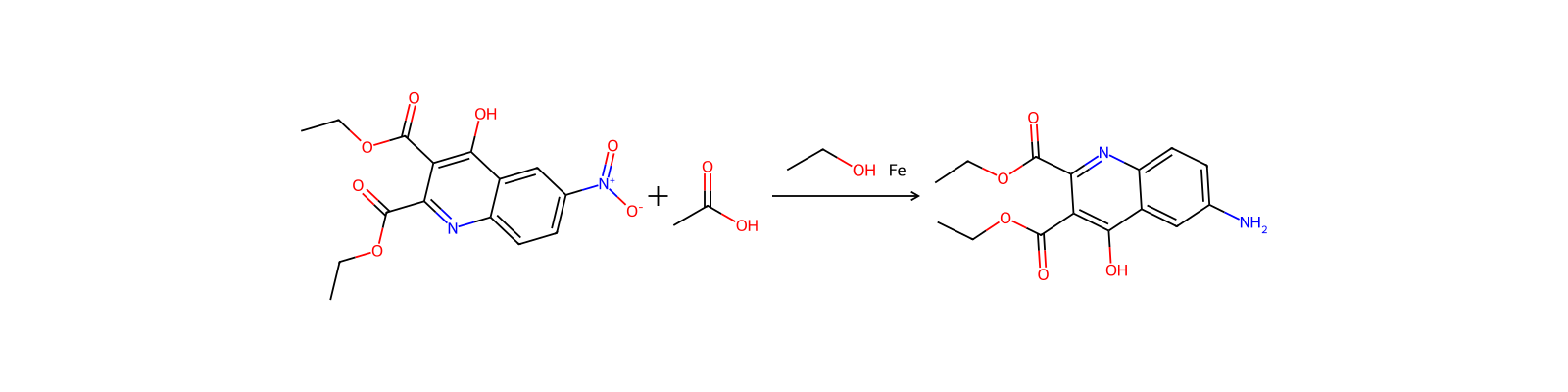


関連ノート
読み込み中…