
基本情報
- 標準SMILES
[Cu]- InChIKey
RYGMFSIKBFXOCR-UHFFFAOYSA-N- 分子式
- Cu
- 平均分子量
- 63.55 g/mol
- 単同位体質量
- 62.9295975
概要
Copper is a metal that occurs naturally throughout the environment, in rocks, soil, water, and air. Copper is an essential element in plants and animals (including humans), which means it is necessary for us to live. Therefore, plants and animals must absorb some copper from eating, drinking, and breathing. Copper is used to make many different kinds of products like wire, plumbing pipes, and sheet metal. U.S. pennies made before 1982 are made of copper, while those made after 1982 are only coated with copper. Copper is also combined with other metals to make brass and bronze pipes and faucets. Copper compounds are commonly used in agriculture to treat plant diseases like mildew, for water treatment and, as preservatives for wood, leather, and fabrics.
名称と識別子
- 優先名称
- Copper
- IUPAC
- copper
名称と別名
COPPER7440-50-8Copper powdercuprumCopper bronzeBronze powderCopper, elementalTatum-TArwood copperCopper-airborneCopper-milledKafar copper
名称をさらに表示
Paragard T 380aRaney copperGold bronzeAllbri Natural CopperCuprum metallicumCopper slag-milledCopper slag-airbornecuivre
データベース識別子
- CAS
7440-50-8- PubChem CID
- 23978
- DTXSID
DTXSID2023985- ChEMBL
CHEMBL55643- ChEBI
CHEBI:28694- UNII
- 789U1901C5
- EC Number
- 231-159-6
- Nikkaji
- J215.929E、J3.733H、J3.781.960C、J306.701G、J95.997I
物性
構造計算による物性
- 極性表面積
- 0 Ų
- 水素結合供与体数
- 0
- 水素結合受容体数
- 0
- 回転可能結合数
- 0
- 重原子数
- 1
- 形式電荷
- 0
- 複雑度
- 0
実験および物理化学的性質
Chemical Classes
Metals -> Elements, Metallic
Trace element
Cosmetics
Cosmetics ingredient -> Colorant; Other (Specify)
Cosmetic colorant
SpringerMaterials Propertiesatomic structure
PesticidesPesticide -> EPA IRIS
LogP-0.57 (calculated)
OdorOdorless /Copper dusts and mists/
Food AdditivesDrugs, Cosmetics -> FDA Regulatory Status of Color Additives
Density
8.94 (NIOSH, 2024) - Denser than water; will sink
8.94
Relative density (water = 1): 8.9
8.96 @25 °C
8.94
Color/Form
Reddish, lustrous, ductile, malleable metal
Red metal; cubic
Solubility
Insoluble (NIOSH, 2024)
8.96g/mL
Slightly sol in dilute acid
Slowly soluble in ammonia water
Solubility in water: none
Insoluble
Human Drugs
FDA approved drugs -> Active ingredient
FDA approved drugs -> Active ingredient
Animal DrugsPharmaceuticals -> UK Veterinary Medicines Directorate List
安全と法規制
GHS分類
GHS Classification
Warning
H400: Very toxic to aquatic life [Warning Hazardous to the aquatic environment, acute hazard]
P273, P391, and P501 (click each P-code to see the statement)
This chemical does not meet GHS hazard criteria for 52.5% (1818 of 3463) of all reports.
Warning
H302 (21.7%): Harmful if swallowed [Warning Acute toxicity, oral]
危険有害性情報
Regulatory Information
Chemical: Copper
Hazard Traits - Bioaccumulation; Environmental Persistence; Respiratory Toxicity
Copper is listed on the EPA's Chemical Data Reporting (CDR) system. Manufacturers and importers of Copper are required to report information about their production and use of this chemical to the EPA under the Toxic Substances Control Act (TSCA). (40 eCFR Part 711)
Status: Active Update: 26-04-2023 https://echa.europa.eu/registration-dossier/-/registered-dossier/15562
Copper, powder: HSNO Approval: HSR002948 Approved with controls
The New Jersey Worker and Community Right to Know Act requires public and private employers to provide information about hazardous substances at their workplaces. (N.J.S.A. 34:5A-1 et. seq.)
Other Safety InformationIMAP assessments - Copper: Human health tier I assessment
DOT LabelFlammable Solid
Fire Hazards
Excerpt from ERG Guide 170 [Metals (Powders, Dusts, Shavings, Borings, Turnings, or Cuttings, etc.)]:
Combustible. Finely dispersed particles form explosive mixtures in air.
Health HazardsExcerpt from NIOSH Pocket Guide for Copper (dusts and mists, as Cu):
Hazards Summary
Copper is a metal that occurs naturally throughout the environment, in rocks, soil, water, and air. Copper is an essential element in plants and animals (including humans), which means it is necessary for us to live. Therefore, plants and animals must absorb some copper from eating, drinking, and breathing. Copper is used to make many different kinds of products like wire, plumbing pipes, and sheet metal. U.S. pennies made before 1982 are made of copper, while those made after 1982 are only coated with copper. Copper is also combined with other metals to make brass and bronze pipes and faucets. Copper compounds are commonly used in agriculture to treat plant diseases like mildew, for water treatment and, as preservatives for wood, leather, and fabrics.
Copper fumes can cause metal fume fever. Hemolytic anemia has been reported after toxic ingestion. [Rosenstock, p. 983] In acidic conditions, metallic copper releases toxic copper ions. Acute copper poisoning can cause liver injury, methemoglobinemia, and hemolytic anemia. Acute renal failure may result, secondary to massive hemoglobinuria. [Goldfrank, p. 1256-60] There are two TLVs, one for Copper, fume, as Cu and one for Copper, dusts and mists, as Cu. There is also a MAK for Copper and its inorganic compounds. [ACGIH] Copper in drinking water at >4 mg/L can cause gastrointestinal distress. At higher doses, ingested copper salts can cause hemolysis and injury to the liver and kidneys. [Nordberg, p. 765] In high-dose animal studies, excess copper is embryotoxic; Women with Wilson's disease (excess copper) may have infertility and increased spontaneous abortions; [REFPROTOX] See Copper sulfate.
FDA Requirements
Certification of this color additive when used in coloring externally applied drugs, including those intended for use in the area of the eye, in amounts consistent with good manufacturing practice is not necessary for the protection of the public health, and therefore batches thereof are exempt from the certification pursuant to section 721(c) of the act. /Copper powder/
Reactive GroupMetals, Less Reactive
UN ClassificationUN Hazard Class: 4.1; UN Pack Group: II
Special Reports
NAS; Medical and Biologic Effects of Environmental Pollutants Copper (1974)
USEPA; Ambient Water Quality Criteria Doc: Copper (1980) EPA 440/5-80-036.
USEPA; Health Issue Assessment: Copper (1987) EPA/600/8-87/001.
USEPA; Drinking Water Criteria Document for Copper (Final Draft) (1985) EPA-600/X-84-190-1
For more Special Reports (Complete) data for COPPER, ELEMENTAL (6 total), please visit the HSDB record page.
Reactivity Profile
COPPER combines violently with chlorine trifluoride in the presence of carbon [Mellor 2, Supp. 1, 1956]. Is oxidized by sodium peroxide with incandescence [Mellor 2:490-93, 1946-1947]. Forms an unstable acetylide when acetylene is passed over samples that have been heated enough to form an oxide coating. Reacts more rapidly in powdered or granular form. Subject to explosive reaction then mixed in finely divided form with finely divided bromates chlorates and iodates of barium, calcium, magnesium, potassium, sodium, or zinc; these reactions are initiated by heat, percussion, and occasionally light friction [Mellor 2:310, 1946-1947]. A solution of sodium azide in copper pipe with lead joints formed copper azide and lead azide, both of these compounds can detonate [Klotz, 1973].
Atmospheric Standards
... Substances for which a Federal Register notice has been published that included consideration of the serious health effects, including cancer, from ambient air exposure to the substance. Copper (52 FR 5496; Feb 23, 1987) is included on this list.
安全と保護具
Fire Fighting
Excerpt from ERG Guide 170 [Metals (Powders, Dusts, Shavings, Borings, Turnings, or Cuttings, etc.)]:
Use special powder, dry sand. NO other agents. Water may be ineffective.
First Aid Measures
Fresh air, rest. Refer for medical attention.
Remove contaminated clothes. Rinse and then wash skin with water and soap.
Rinse with plenty of water (remove contact lenses if easily possible).
Rinse mouth. Refer for medical attention .
First Aid
Excerpt from NIOSH Pocket Guide for Copper (dusts and mists, as Cu):
(General first aid procedures)
Safe StorageSee Chemical Dangers.
Exposure Control and Personal Protection0.01 [mg/m3], respirable fraction (metal and inorg. Compounds)[German Research Foundation (DFG)]
Cleanup Methods
1. VENTILATE AREA OF RELEASE. 2. COLLECT SPILLED MATERIAL IN THE MOST CONVENIENT AND SAFE MANNER FOR RECLAMATION, OR FOR DISPOSAL IN A SECURE SANITARY LANDFILL. LIQ CONTAINING COPPER SHOULD BE ABSORBED IN VERMICULITE, DRY SAND, EARTH, OR A SIMILAR MATERIAL. /COPPER DUSTS & MISTS/
Nonfire Spill ResponseExcerpt from ERG Guide 170 [Metals (Powders, Dusts, Shavings, Borings, Turnings, or Cuttings, etc.)]:
Disposal Methods
SRP: At the time of review, criteria for land treatment or burial (sanitary landfill) disposal practices are subject to significant revision. Prior to implementing land disposal of waste residue (including waste sludge), consult with environmental regulatory agencies for guidance on acceptable disposal practices.
Alternative treatment processes for metal bearing hazardous waste streams are reviewed. Precipitation is the preferred treatment process for removing toxic heavy metals from electroplating waters. Precipitation processes include hydroxide, lime and/or sulfide treatment. Chemical reduction is used to treat complex metals such as nickel, copper, hexavalent chromium waste, soluble lead, silver, metal containing cyanide, and mercury. Adsorption has shown potential for treating and polishing aqueous metal bearing wastes. Activated carbon, activated alumina, and iron filings are all applicable adsorbents. Alkaline chlorination and incineration are effective cyanide destruction treatments. Evaporation, ion exchange, reverse osmosis, electrodialysis, and electrolytic recovery are waste reduction and recovery techniques applicable to metal bearing hazardous streams.
COPPER DUSTS OR MIST AND COPPER CMPD MAY BE DISPOSED OF IN SEALED CONTAINERS IN A SECURED SANITARY LANDFILL. /COPPER DUSTS & MISTS/
Spillage Disposal
Personal protection: particulate filter respirator adapted to the airborne concentration of the substance. Sweep spilled substance into covered containers. Carefully collect remainder. Then store and dispose of according to local regulations.
Preventive Measures
The prevention of metal fume fever is a matter of keeping exposure below the level of concn currently accepted as satisfactory for working with copper in industry. The employment of local exhaust ventilation is a necessary measure to collect fumes at their source.
SRP: Local exhaust ventilation should be applied wherever there is an incidence of point source emissions or dispersion of regulated contaminants in the work area. Ventilation control of the contaminant as close to its point of generation is both the most economical and safest method to minimize personnel exposure to airborne contaminants.
The major hazards are exposure to ore dusts during ore processing & smelting, metal fumes ... during smelting, sulfur dioxide & carbon monoxide during most smelting operations, ...& sulfuric acid & electrical hazards during electrolytic processes. Precautions include: local exhaust ventilation (LEV) for dusts during transfer operations; local exhaust & dilution ventilation for sulfur dioxide & carbon monoxide; ... protective clothing and shields... . Respiratory protection is commonly worn to protect against dusts, fumes & sulfur dioxide.
Employees should wash promptly when skin is contaminated. Work clothing should be changed daily if clothing is contaminated. Remove nonimpervious clothing promptly if contaminated. /Copper and compounds/
For more Preventive Measures (Complete) data for COPPER, ELEMENTAL (8 total), please visit the HSDB record page.
Isolation and EvacuationExcerpt from ERG Guide 170 [Metals (Powders, Dusts, Shavings, Borings, Turnings, or Cuttings, etc.)]:
Eye PreventionWear safety goggles.
毒性情報
Toxicological InformationCDC-ATSDR Toxicological Profile
TreatmentIn cases of suspected copper poisoning, penicillamine is the drug of choice, and dimercaprol, a heavy metal chelating agent, is often administered. Vinegar is not recommended, as it assists in solubilizing insoluble copper salts.
Target Organs
Gastrointestinal (Digestive), Hepatic (Liver)
Eyes, skin, respiratory system, liver, kidneys (increased risk with Wilson's disease)
Health Effects
Copper toxicity, also called copperiedus, refers to the consequences of an excess of copper in the body. Copperiedus can occur from eating acid foods cooked in uncoated copper cookware, or from exposure to excess copper in drinking water or other environmental sources. Very-high doses of copper can damage liver and kidneys, and can even cause death. Copper may induce allergic responses in sensitive individuals. (L278, L279)
Hepatotoxicity
Acute hepatotoxicity of copper is usually the result of ingestion of toxic amounts (1 to 10 g), often as a suicide attempt. In children, accidental poisoning can occur, particularly with ingestion of coins. Initial symptoms may be metallic taste and gastrointestinal distress due to gastric or small bowel erosions. Acute overdoses of copper can lead to early appearance of cardiovascular collapse, coma and death within hours. Liver injury tends to arise after 24 to 72 hours and is characterized by marked elevations in serum aminotransferase levels, minimal increases in alkaline phosphatase, early appearance of hepatic failure, and elevation in prothrombin time and ensuing jaundice. Shock and renal failure may also be present as well as rhabdomyolysis and severe hemolytic anemia. The overall clinical pattern of the liver injury is that of acute hepatic necrosis, and the hepatic manifestations resemble the acute toxicity of iron and zinc, and can be reproduced in animals. Shock and rhabdomyolysis may contribute to the serum enzyme elevations while hemolytic anemia may account for some of the increase in total bilirubin levels. Therapy of copper overdose includes gastric lavage, fluid replacement, dimercaprol (BAL) and penicillamine, with blood transfusions for hemolytic anemia and dialysis for acute renal failure.
Environmental Fate
Terrestrial Fate: The fate of copper with respect to its leachability in purely organic spruce forest soils was studied. Appreciable mobilization of copper occurred only with prolonged leaching at pH 2.8. Therefore, it does not appear likely that acidic rainfall will result in significant mobilization of copper from organic soils unless the pH of rainfall decreases to < 3. ... Estimated that approx 50% of copper in the top few centimeters of these soils was organically bound, approx 18% was in the hydroxy carbonate form, approx 7% was in the adsorbed state, approx 11% was bound by other anions and 6% was irreversibly adsorbed. Only 3% of the copper was extractable with water at pH 4.5; hence only 3% was mobile at this pH. ... In urbanized areas the effects of land clearing, profile disruption and increased acid rainfall may increase copper mobilization in these soils.
Adverse EffectsOccupational hepatotoxin - Secondary hepatotoxins: the potential for toxic effect in the occupational setting is based on cases of poisoning by human ingestion or animal experimentation.
Exposure Routes
The substance can be absorbed into the body by inhalation and by ingestion.
inhalation, ingestion, skin and/or eye contact
Oral (L277) ; inhalation (L277) ; dermal (L277)
Toxicity Summary
Excess copper is sequestered within hepatocyte lysosomes, where it is complexed with metallothionein. Copper hepatotoxicity is believed to occur when the lysosomes become saturated and copper accumulates in the nucleus, causing nuclear damage. This damage is possibly a result of oxidative damage, including lipid peroxidation. Copper inhibits the sulfhydryl group enzymes such as glucose-6-phosphate 1-dehydrogenase, glutathione reductase, and paraoxonases, which protect the cell from free oxygen radicals. It also influences gene expression and is a co-factor for oxidative enzymes such as cytochrome C oxidase and lysyl oxidase. In addition, the oxidative stress induced by copper is thought to activate acid sphingomyelinase, which lead to the production of ceramide, an apoptotic signal, as well as cause hemolytic anemia. Copper-induced emesis results from stimulation of the vagus nerve. (L277, T49, A174, L280)
Plant Concentrations
The contents of copper, molybdenum, sulphur, zinc, selenium, iron, manganese, and the copper/molybdenum ratio were determined in different native plant species from a mountain area of central southern Norway. The overall mean values and ranges (mg/kg DM) were copper: 6.0, 0.9-27.2; molybdenum: 0.25, 0.01-3.57; zinc: 77, 8-320; selenium: 0.05, less than 0.01-0.32; iron: 208, 15-2245; manganese: 338, 31-3784; sulfur: (g/100 g DM) 0.20, 0.03-0.56; copper/molybdenum: 79, 1-7955. Levels of the individual elements showed considerable variability, both between and within plant groups. Mineral contents were compared with the established requirements for sheep and cattle, the following conclusion being drawn. The levels of zinc, sulphur, iron, and manganese were found to be adequate for ruminants.
Signs and Symptoms
Cough. Headache. Shortness of breath. Sore throat.
Redness.
Redness. Pain.
Abdominal pain. Nausea. Vomiting.
irritation eyes, nose, pharynx; nasal septum perforation; metallic taste; dermatitis; In Animals: lung, liver, kidney damage; anemia
Breathing high levels of copper can cause irritation of the nose and throat. Acute symptoms of copper poisoning by ingestion include vomiting, hematemesis (vomiting of blood), hypotension (low blood pressure), melena (black "tarry" feces), coma, jaundice (yellowish pigmentation of the skin), and gastrointestinal distress. Individuals with glucose-6-phosphate deficiency may be at increased risk of hematologic effects of copper. Hemolytic anemia resulting from the treatment of burns with copper compounds is infrequent. Chronic (long-term) effects of copper exposure can damage the liver and kidneys.
ICSC Environmental DataThe substance is very toxic to aquatic organisms. Bioaccumulation of this chemical may occur along the food chain.
法規制情報
FDA Requirements
Certification of this color additive when used in coloring externally applied drugs, including those intended for use in the area of the eye, in amounts consistent with good manufacturing practice is not necessary for the protection of the public health, and therefore batches thereof are exempt from the certification pursuant to section 721(c) of the act. /Copper powder/
Atmospheric Standards
... Substances for which a Federal Register notice has been published that included consideration of the serious health effects, including cancer, from ambient air exposure to the substance. Copper (52 FR 5496; Feb 23, 1987) is included on this list.
CERCLA Reportable Quantities
Persons in charge of vessels or facilities are required to notify the National Response Center (NRC) immediately, when there is a release of this designated hazardous substance, in an amount equal to or greater than its reportable quantity of 5000 lb or 2270 kg. The toll free number of the NRC is (800) 424-8802; In the Washington D.C. metropolitan area (202) 426-2675. The rule for determining when notification is required is stated in 40 CFR 302.4 (section IV. D.3.b).
Clean Water Act Requirements
The permissible concn of total recoverable copper in water to protect freshwater aquatic life is 5.6 ug/l as a 24 hr avg. The log of this concn should not exceed the numerical value of log (0.94 In (hardness) -1.23). The corresponding value to protect saltwater aquatic life is 4.0 ug/l as a 24 hr avg, and should not exceed 23 ug/l at any time. /Total recoverable copper/
Toxic pollutant designated pursuant to section 307(a)(1) of the Federal Water Pollution Control Act and is subject to effluent limitations. /Copper and cmpd/
State Drinking Water Guidelines(AZ) ARIZONA 1300 ug/l
Federal Drinking Water StandardsEPA 1300 ug/l (Action Level)
Federal Drinking Water GuidelinesEPA 1000 ug/l
化学と産業
薬理情報
ATC Code
G - Genito urinary system and sex hormones
QG - Genito urinary system and sex hormones
Protein BindingCopper is nearly entirely bound by ceruloplasmin (65-90%), plasma albumin (18%), and alpha 2-macroglobulin (12%).
PharmacodynamicsCopper is incorporated into many enzymes throughout the body as an essential part of their function. Copper ions are known to reduce fertility when released from copper-containing IUDs.
Mechanism of Action
Copper is absorbed from the gut via high affinity copper uptake protein and likely through low affinity copper uptake protein and natural resistance-associated macrophage protein-2. It is believed that copper is reduced to the Cu1+ form prior to transport. Once inside the enterocyte, it is bound to copper transport protein ATOX1 which shuttles the ion to copper transporting ATPase-1 on the golgi membrane which take up copper into the golgi apparatus. Once copper has been secreted by enterocytes into the systemic circulation it remain largely bound by ceruloplasmin (65-90%), albumin (18%), and alpha 2-macroglobulin (12%). Copper is an essential element in the body and is incorporated into many oxidase enzymes as a cofactor. It is also a component of zinc/copper super oxide dismutase, giving it an anti-oxidant role. Copper defiency occurs in Occipital Horn Syndrome and Menke's disease both of which are associated with impaired development of connective tissue due to the lack of copper to act as a cofactor in protein-lysine-6-oxidase. Menke's disease is also associated with progressive neurological impairment leading to death in infancy. The precise mechanisms of the effects of copper deficiency are vague due to the wide range of enzymes which use the ion as a cofactor. Copper appears to reduce the viabilty and motility of spermatozoa. This reduces the likelihood of fertilization with a copper IUD, producing copper's contraceptive effect. The exact mechanism of copper's effect on sperm are unknown.
The reason for the less severe reaction when the foreign body is at a distance from the retina has been proposed to be ... that near the retina & its blood vessels there is greater oxygen tension than at a distance, which causes metallic copper to oxidize to toxic copper compounds more rapidly close to or in contact with the retina than at a distance. Furthermore, the abscess formation that is characteristic of copper undergoing oxidation close to the retina & choroiod can be attributed to attraction of polymorphonuclear leukocytes from these nearby vascular tissues, which become heavily infiltrated. Liquefaction & disorganization of the vitreous body has been explained on the basis of copper catalysis of oxidation of ascorbic acid, leading to depolymerization of the hyaluronic acid of the vitreous humor. Changes in protein & hexosamine content have also been related to decrease in viscosity of the vitreous humor. Increased content of amino acids in the vitreous humor has been consistent with proteolysis of the vitreous body, but decreased concentration in the aqueous humor has suggested suppression of secretion of amino acids by the ciliary body under the influence of copper.
Biological Half-LifeWhole body: 4 weeks; [TDR, p. 392]
Metabolism/Metabolites
Copper is mainly absorbed through the gastrointestinal tract, but it can also be inhalated and absorbed dermally. It passes through the basolateral membrane, possibly via regulatory copper transporters, and is transported to the liver and kidney bound to serum albumin. The liver is the critical organ for copper homeostasis. In the liver and other tissues, copper is stored bound to metallothionein, amino acids, and in association with copper-dependent enzymes, then partitioned for excretion through the bile or incorporation into intra- and extracellular proteins. The transport of copper to the peripheral tissues is accomplished through the plasma attached to serum albumin, ceruloplasmin or low-molecular-weight complexes. Copper may induce the production of metallothionein and ceruloplasmin. The membrane-bound copper transporting adenosine triphosphatase (Cu-ATPase) transports copper ions into and out of cells. Physiologically normal levels of copper in the body are held constant by alterations in the rate and amount of copper absorption, compartmental distribution, and excretion. (L277, L279)
FDA Pharmacological Classification
789U1901C5
COPPER
Chemical Structure [CS] - Copper
Established Pharmacologic Class [EPC] - Copper-containing Intrauterine Device
Physiologic Effects [PE] - Decreased Embryonic Implantation
Physiologic Effects [PE] - Decreased Sperm Motility
MeSH Pharmacological ClassificationA group of chemical elements that are needed in minute quantities for the proper growth, development, and physiology of an organism. (From McGraw-Hill Dictionary of Scientific and Technical Terms, 4th ed)
Absorption, Distribution and Excretion
Copper absorption varies inversely with intake. Absorption range is 12-65%.
Copper appears to be eliminated primarily through bile.
Small fragments of copper ... in the anterior vitreous just behind the lens in a number of cases have been observed for years, gradually dissolving & disseminating copper to lens, cornea & iris, where copper has a predilection for the basement membranes.
Copper dissolved from the wire used in certain intrauterine contraceptive devices has been shown to be absorbed systemically.
... Intrauterine devices containing metallic copper ... raise the endometrial copper concentration 2 fold, & this copper excess might be transferred to the fetus.
Circadian rhythms in the urinary excretion of eleven heavy metals and organic substances were examined under free, water restrictive and water loading conditions for 6 days (2 days for each of the three conditions) in twenty metal workers exposed to lead, zinc, and copper. Circadian rhythms were found for all heavy metals and organic substances as well as for urinary flow rate, creatinine and total urinary solutes. The rhythm in the copper excretion depends on the creatinine rhythm, ie the rhythm of glomerular filtration.
用途と製造
Uses
Copper exposures can occur while working in copper and brass foundries and smelters; while welding or electroplating; and during the production or use of fungicides, ceramics, pyrotechnics, pigments, and analytical reagents. [ACGIH] Copper is an essential element in the human diet; it is necessary for the functioning of several enzymes; [Nordberg, p. 765]
Metal Preparation and Pouring [Category: Foundry]
Jewelry making [Category: Hobbies]
For Copper (USEPA/OPP Pesticide Code: 022501) ACTIVE products with label matches. /SRP: Registered for use in the U.S. but approved pesticide uses may change periodically and so federal, state and local authorities must be consulted for currently approved uses./
Electrical wiring; switches; plumbing; heating; roofing and building construction; chemical and pharmaceutical machinery; alloys (brass, bronze, Monel metal, beryllium-copper); electroplated protective coatings and undercoats for nickel, chromium, zinc, etc., cooking utensils; corrosion-resistant piping; insecticides; catalysts; antifouling paints. Flakes used as insulation for liquid fuels. Whiskers used in thermal and electrical composites.
In works of art; manufacture of bronzes, brass, other copper alloys, electrical conductors, ammunition, copper salts
Impurities
/In electrolytic copper/ the highest level of impurities other than oxygen are found only to the extent of 15-30 ppm. Up to 0.05% oxygen is present in the form of copper(I) oxide.
Average impurity levels: Antimony, 3.41 ppm; arsenic, 1.39 ppm; bismuth, 0.36 ppm; iron, 6.07 ppm; lead, 4.08 ppm; oxygen 327.25 ppm; nickel, 3.41 ppm; selenium, 1.10 ppm; silver, 11.19 ppm; sulfur, 10.00 ppm; tellurium, 1.16 ppm; tin, 1.63 ppm.
U.S. Exports
(1978) 9.20X10+10 G
(1982) 3.10X10+10 G
(1986) 4.40X10+11 g
Refined exports (1998):86,200 metric tons
U.S. Imports
(1978) 4.03X10+11 G
(1982) 2.58X10+11 G
(1986) 6.10X10+11 g
Refined imports (1998): 683,000 metric tons
U.S. Production
2023: 4,000,000,000 - <5,500,000,000 lb
(1978) 2.70X10+12 G
(1982) 2.41X10+12 G
(1986) 3.17X10+12 g
Total refined production (1998): 2,490,000 metric tons.
Consumption Patterns
ELECTRICAL & ELECTRONIC PRODUCTS, 54%; BUILDING CONSTRUCTION, 20%; INDUSTRIAL MACHINERY & EQUIPMENT, 13%; TRANSPORTATION, 8%; OTHER (EG, CONSUMER & GENERAL PRODUCTS, CHEM INT), 5% (1982)
Industrial Sector: Building construction, 43%; electrical and electronic products, 24%; industrial machinery and equipment, 13%; transportation, 10%; and consumer and general products, 10% (1986).
Wire mill products accounted for about 49%; brass mill products 46%; foundry powder products 5%.
Building construction 41.4%; electric and electronic products 26.0%; industrial machinery 11.2%; transportation equipment 12.4%; consumer and general products 9.0%
Consumer UsesOther
Industry UsesNot Known or Reasonably Ascertainable
Methods of Manufacturing
CRUSH, GRIND, AND CONCENTRATE COPPER ORES BY FLOTATION (SULFIDE ORES) OR LEACHING WITH ACID (OXIDE ORES); SMELT CONCENTRATES TO YIELD A BLISTER COPPER WHICH IS REFINED ELECTROLYTICALLY OR FIRE REFINED
About 80% of the primary copper in the world comes from low-grade or poor sulfide ores, which are usually treated by pyrometallurgical methods, generally in the following sequence: (1) Beneficiation by froth flotation of ore to copper concentrate; (2) Optional partial roasting to obtain oxidized material or calcines; (3) two-stage pyrometallurgical extraction, (a) smelting concentrates to matte, (b) converting matte by oxidation to crude (converter or blister) copper; (4) Refining the crude copper, usually in two steps, (a) pyrometallurgically to fire-refined copper, (b) electrolytically to high-purity electrolytic copper.
Most copper is processed using a combination of mining, concentrating, smelting, and refining, or by leaching waste and solvent extraction-electrowinning...
Copper, blister (electrolysis); copper oxide ores + iron (acid leaching/cementation); copper oxide ores + sulphuric acid (acid leaching/electrolysis); copper sulphide ores (heap leaching/cementation); copper sulphide ores (heap leaching/electrolysis); copper-cobalt sulphide ores (ore roasting/ acid leaching/electrolysis); lead bullion (pyrometallurgical refining/Parkes process/Betterton-Kroll process; byproduct of lead production)
Copper + chlorine (reaction); copper hydroxide/cupric oxide/copper carbonate basic + hydrochloric acid (salt formation)
Formulations/Preparations
USEPA/OPP Pesticide Code 022501; Trade Names: Allbrinatural copper; ANAC 110; Bronze powder; Cathode copper; Copper bronze; Copper M1; CDA 102; CDA 122; and Copper.
Commercial copper (Cu) is available in six general types: Electrolytic tough-pitch, 99.90% Cu; Deoxidized, 99.90% Cu; Oxygen-free, 99.92% Cu; Silver-bearing, 99.90% Cu; Arsenical, 99.68%; Free-cutting, 99.4-99.5%
Forms available: ingots, sheet, rod, wire, tubing, shot, powder; high purity (impurities less than 10 ppm) as single crystals or whiskers.
Household Products
Cosmetics product ingredient: Copper (Bronze powder; Copper powder; CI 77400)
Information on 59 consumer products that contain Copper in the following categories is provided:
Use Classification
Chemical Classes -> Inorganic substances
Food Contaminant -> METALS -> JECFA Functional Classes
Cosmetics -> Cosmetic colorant
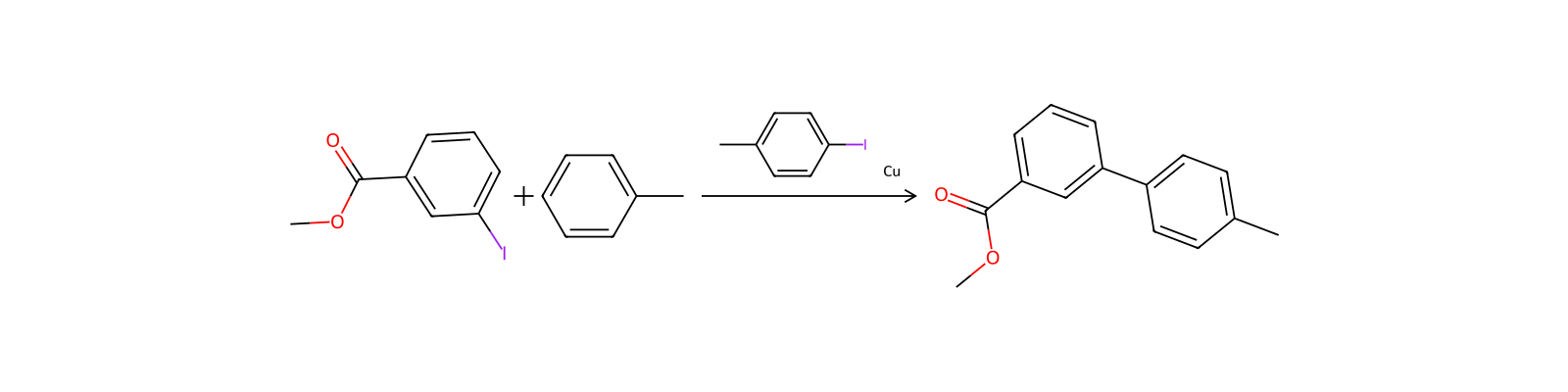
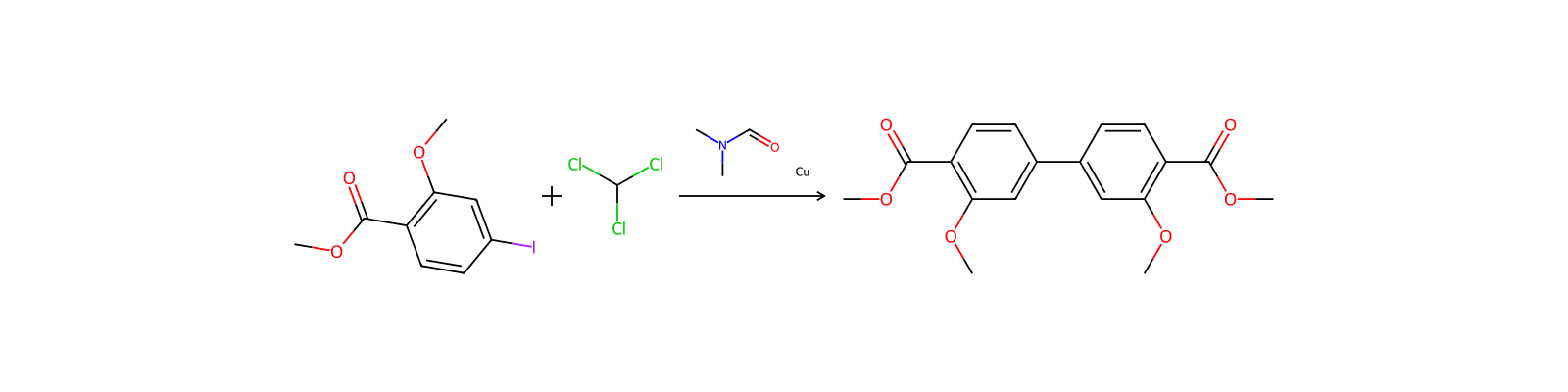
関連反応
2,656 件





関連ノート
読み込み中…