ホームMCPワークベンチSkills
ホームワークベンチ通知マイページ
llms.txt · MCPガイドプライバシーポリシー · 利用規約 · サポートv1.8.0
  1. ホーム
  2. /化合物

ナトリウムアミド

Sodium amide

HCID 24533
ノートを作成反応を作成見積依頼を出す
印刷プレビュー

データを補完しています。しばらくしてからページを更新すると最新の内容を表示できます
基本情報概要名称と識別子物性安全と法規制化学と産業関連反応化合物ノート
部分構造検索類似構造を探す

基本情報

CAS
7782-92-5
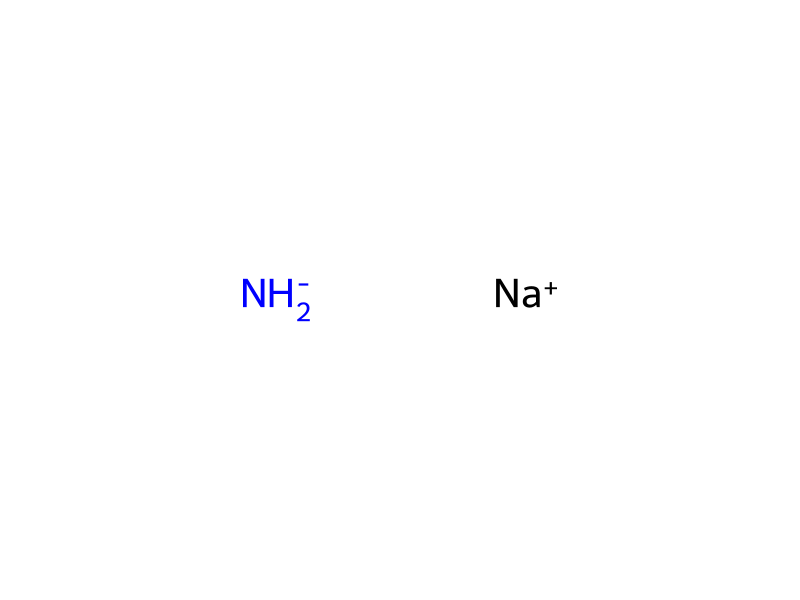
標準SMILES
[NH2-].[Na+]
InChIKey
ODZPKZBBUMBTMG-UHFFFAOYSA-N
分子式
H2NNa
平均分子量
39.013 g/mol
単同位体質量
39.00849334

概要

Sodium amide is an odorless colorless solid. Denser than water.

名称と識別子

優先名称
Sodium amide
IUPAC
sodium azanide
現地名
ナトリウムアミド
英語名
Sodium amide
分子式
H2NNa
分子量
39.01

名称と別名

SODIUM AMIDE7782-92-5Sodamidesodium azanideSodium amide (Na(NH2))5DB3G6PX9DHSDB 692EINECS 231-971-0NaNH2EC 231-971-0SODIUM AMIDE [MI]SODIUM AMIDE [HSDB]
名称をさらに表示
ソジウムアミドアミノナトリウムナトリウムアミドm amideNatriumamidAminosodiumSodium aminoSodiumamide,94%SODIUM AMIDE 95%Sodium amide (8CI)
DTXSID2064816CHEBI:176791RefChem:887257DTXCID9048017UN1390231-971-0sodium;azanideUNII-5DB3G6PX9D

データベース識別子

CAS
7782-92-5
PubChem CID
24533
DTXSID
DTXSID2064816
ChEBI
CHEBI:176791
UNII
5DB3G6PX9D
EC Number
231-971-0
Nikkaji
J1.296C

物性

構造計算による物性補完中

極性表面積
1 Ų
水素結合供与体数
1
水素結合受容体数
1
回転可能結合数
0
重原子数
2
形式電荷
0
複雑度
2

実験および物理化学的性質

Chemical ClassesNitrogen Compounds -> Other Nitrogen Compounds
OdorAMMONIA ODOR
Density · 2 件

1.39 at 68 °F (USCG, 1999) - Denser than water; will sink

1.39 @ 20 °C

Color/FormWHITE CRYSTALLINE POWDER
Solubility · 2 件

SOLUBILITY IN LIQ AMMONIA AT 20 °C= ABOUT 0.1%

Soluble in water; insoluble in alcohol.

Boiling Point · 2 件

752 °F at 760 mmHg (USCG, 1999)

400 °C

Melting Point · 2 件

410 °F (USCG, 1999)

210 °C

Physical Description · 2 件

Sodium amide is an odorless colorless solid. Denser than water.

Solid; Commercial form is white to olive-green; Quickly absorbs water and carbon dioxide from atmosphere; [Merck Index] White solid with an odor of ammonia; [Hawley] Grey powder or granules with an ammoniacal odor; [Alfa Aesar MSDS]

Other Experimental Properties · 3 件

BEGINS TO VOLATILIZE @ 400 °C & DECOMP INTO ITS ELEMENTS BETWEEN 500 & 600 °C; HEAT OF FORMATION (FOR SOLID) @ 18 °C & 1 ATM: -32.26 KCAL/MOLE; HEAT OF SOLN: -31.06 KCAL/MOLE @ 21 °C. ... FUSED NaNH2 DISSOLVES METALLIC MAGNESIUM, ZINC, MOLYBDENUM, TUNGSTEN, QUARTZ, GLASS, SILICATES & OTHER SUBSTANCES.

安全と法規制

安全情報は参考情報です。供給元の安全データシート(SDS)、適用法令、専門家による評価に代わるものではありません。

GHS分類

GHS Classification · 4 件

Danger

H260 (42.1%): In contact with water releases flammable gases which may ignite spontaneously [Danger Substances and mixtures which in contact with water, emit flammable gases]

P223, P231+P232, P260, P264, P264+P265, P273, P280, P301+P330+P331, P302+P335+P334, P302+P361+P354, P304+P340, P305+P354+P338, P316, P317, P321, P363, P370+P378, P391, P402+P404, P405, and P501 (click each P-code to see the statement)

Aggregated GHS information provided per 297 reports by companies from 17 notifications to the ECHA C&L Inventory. Each notification may be associated with multiple companies.

危険有害性情報

Regulatory Information · 3 件

Chemical: Sodium amide (Na(NH2))

Status: Active Update: 25-10-2022 https://echa.europa.eu/registration-dossier/-/registered-dossier/11165

Sodium amide: HSNO Approval: HSR004679 Approved with controls

DOT LabelDangerous When Wet
Fire HazardsSpecial Hazards of Combustion Products: Toxic and irritating ammonia gas may be formed. (USCG, 1999)
Fire Potential · 2 件

FLAMMABLE, DANGEROUS FIRE RISK.

The reduction with 1,1-diethoxy-2-chloroethane in the presence of ammonia produces sodium ethoxyacetylide, which is extremely pyrophoric. Sodium amide reacts violently with water and frequently bursts into flame.

Health HazardsAmmonia gas formed by reaction of solid with moisture irritates eyes and skin. Solid causes caustic burns of eyes and skin. Ingestion burns mouth and stomach in same way as caustic soda and may cause perforation of tissue. (USCG, 1999)
Hazards Summary · 1 件

Emergency treatment: Corrosives- alkaline; [HSDB] Reacts violently with water producing sodium hydroxide and ammonia; Oxidation products after air exposure may be highly explosive; A severe skin, eye, and mucous membrane irritant; [Merck Index] A strong reducing agent; An explosive peroxide may be produced on storage; May cause caustic burns to skin and eyes; [CAMEO] Reacts violently with water evolving highly flammable gases; Explosive on contact with oxidizing substances; A highly corrosive substance that can cause injury to the skin, eyes, and respiratory tract; Inhalation may cause chemical pneumonitis; [Alfa Aesar MSDS]

化学と産業

用途と製造

Uses · 2 件

Used as a dehydrating agent, in ammonolysis reactions, in Claisen condensations, and for alkylation of nitriles and ketones; Also used to make indigo, hydrazine, ethynyl compounds, acetylenic carbinols, and sodium cyanide; [Merck Index]

DEHYDRATING AGENT; PRODN OF INDIGO & HYDRAZINE; INTERMEDIATE IN PREPN OF SODIUM CYANIDE; IN AMMONOLYSIS REACTIONS; IN CLAISEN CONDENSATIONS, ALKYLATION OF NITRILES & KETONES, SYNTH OF ETHYNYL CMPD, ACETYLENIC CARBINOLS

Methods of Manufacturing · 2 件

PREPARED FROM SODIUM METAL & GASEOUS AMMONIA (OR LIQ AMMONIA WITH FERRIC NITRATE CATALYST): DENNIS, BROWNE, INORG SYN 1, 74 (1939); GREENLEE, HENNE, INORG SYN 2, 128 (1946). ...ALTERNATE METHOD: BERGSTROM, ORG SYN, COLL VOL III, 778 (1955).

DRY AMMONIA GAS IS PASSED OVER METALLIC SODIUM @ 350 °C.

Formulations/PreparationsGRADES OR PURITY: PURE; TECHNICAL
General Manufacturing InformationSodium amide (Na(NH2)): ACTIVE
応用分野 · 6 件

解説ナトリウムアミド,無色の正方晶系結晶.Na+ とNH2-からなり,Na+ は四面体型にNH2-に囲まれ,NもNaにひずんだ四面体型に囲まれている.融点210 ℃.約500 ℃ で分解する.室温の空気中で,湿気やCO2を吸う.湿った空気中で加熱するとNaOH,NaNO2,NH3になる.密栓して保存することが大切である.もし,緩い栓のため,不完全酸化されると,爆発性の褐色物質を生じる.潮解性で,水とはげしく反応して,NaOHとNH3になる.液体アンモニアに溶けてアンモノ塩基となる.溶融したものは,Mg,Zn,Mo,Wなどの金属や,ケイ酸塩,ガラスなどを溶かす.還元剤,脱水剤,縮合剤として,有機合成などで利用され,アンモノリシス反応,クライゼン縮合,ニトリルやケトンのアルキル化,フェニルグリシンの環化によるインジゴ合成,ハロゲン化物からアセチレン誘導体の合成などに用いられる.森北出版「化学辞典(第2版)

用途インディゴやヒドラジン、シアン化ナトリウムを工業的に生産する際にナトリウムアミドが用いられる。アンモニアから微量の水を除く乾燥剤として用いられる。また、有機化学では、主に液体アンモニアを溶媒とする合成において塩基として用いられる。長所としては塩基性が強いこととそれに比べ求核性が低いことが挙げられる。しかし通常の有機溶媒への溶解性は乏しいため、リチウムジイソプロピルアミド (LDA) や ナトリウムビス(トリメチルシリル)アミド (NaHMDS) が代用される。

用途合成原料、乾燥剤、脱水剤、融剤。

使用Sodium Amide is widely used in organic chemical synthesis as a strong base in reactions such as in the preparation of phenylacetylene from 1,2-dibromophenylethane. Also used in the synthesis of 2,6-diamination of substituted pyridines as initiator of heterogeneous chichibabin reaction.

関連反応

478 件
反応記録を作成
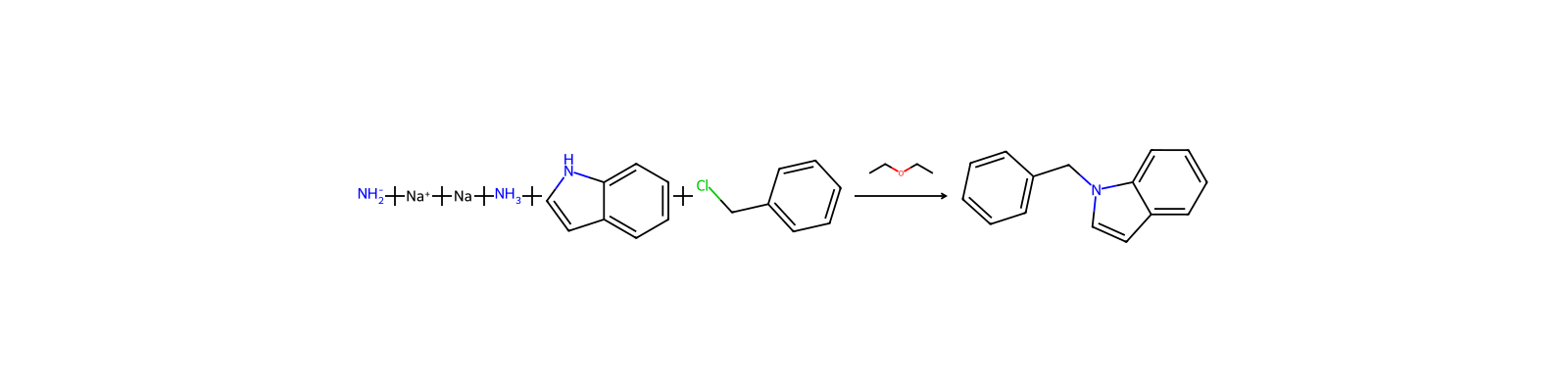
HRID 4351 の反応式
HRID 4351反応物としてuspto-grants-1988_02
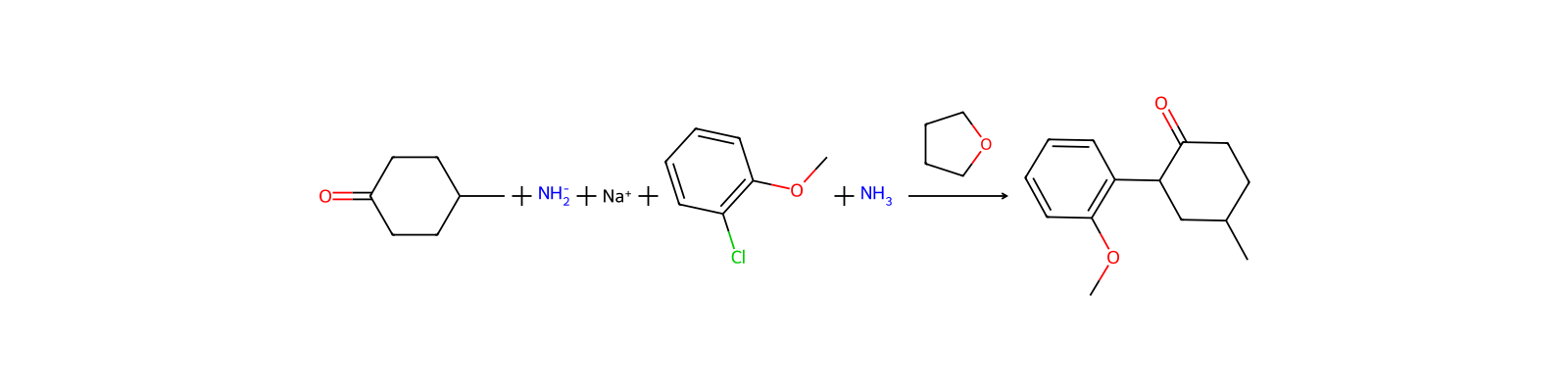
HRID 4509 の反応式
HRID 4509反応物としてuspto-grants-1988_02
HRID 4779 の反応式
HRID 4779反応物としてuspto-grants-1988_02
HRID 5592 の反応式
HRID 5592反応物としてuspto-grants-1993_09
HRID 5600 の反応式
HRID 5600反応物としてuspto-grants-1993_09
HRID 26007 の反応式
HRID 26007反応物としてuspto-grants-1979_04
HRID 26482 の反応式
HRID 26482反応物としてuspto-grants-1979_04
HRID 26568 の反応式
HRID 26568反応物としてuspto-grants-1979_04
1 / 60 ページ

化合物ノート

読み込み中…

このページの内容基本情報概要名称と識別子物性安全と法規制化学と産業関連反応化合物ノート
その他の操作
ノートを作成反応を作成見積依頼を出す

DECOMP IN WATER & ALCOHOL

WHITE TO OLIVE-GREEN SOLID WITH SEA-SHELL FRACTURE /COMMERCIAL PRODUCT/

物理化学的性質

融点
210 °C · 210 °C (lit.)
沸点
400 °C · 400 °C (lit.)
比重(密度)
1.39 g/cm3 · 1.39 g/cm3 (25℃)
闪点
85 °F · 85 °F
貯蔵温度
30 °C · Store below +30°C.
溶解性
2 O · reacts with H2O
外見
結晶性
色
灰白色の粉末
臭い (Odor)
アンモニア様
水溶解度
非常に激しく、爆発的にも反応する
比熱容量
1.7 J/ · Cp(crystal): 1.7 J/(g·K), at 25℃
Merck
14 · 14,8576
安定性
可燃性。水と激しく反応し、非常に有毒なフュームを生成します。火災の場合は、炭酸ナトリウムで消火してください。過熱したり、空気や酸素と長時間接触したりすると、爆発性の過酸化物が発生する可能性があります。水および水溶液、二酸化炭素、ハロゲン化炭化水素と混和しない
InChI
1S/H2N.Na/h1H2;/q-1;+1
InChIKey
ODZPKZBBUMBTMG-UHFFFAOYSA-N
SMILES
N[Na]
CAS データベース
7782 · 7782-92-5(CAS DataBase Reference)
EPAの化学物質情報
Sodium amide (Na(NH2)) (7782-92-5)

化学的性質

化学的特性grey powder

Reactive GroupBases, Strong
Reactivity AlertsHighly Flammable
Reactivity Profile · 1 件

SODIUM AMIDE is a powerful reducing agent. Reacts violently with oxidizing agents. Reacts violently with steam and water to form caustic NaOH and NH3 vapors [Bergstrom et al., Chem. Reviews, 12:6 1932]. May form explosive compounds in the presence of water and carbon dioxide [Handling Chemicals Safely 1980 p 826]. Liable to deflagration upon heating and friction. Forms an explosive peroxide on storage. When sodium amide and chromic anhydride are mixed together a vigorous reaction results; the same occurs with other oxidizing agents including dinitrogen tetraoxide, potassium chlorate, sodium nitrite. [Mellor 11:234 1946-47]. Reaction with 1,1-diethoxy-2- chloroethane produces sodium ethoxyacetylide, which is extremely pyrophoric [Rutledge 1968 p. 35]. Reactions with halogenated hydrocarbons may be violently explosive. Sodium amide forms toxic and flammable H2S gas with CS2. (714).

Air and Water ReactionsHighly flammable. Reacts violently with water and bursts into flame.
Peroxide Forming Chemical · 3 件

Sodium amide

A: Compounds that form explosive levels of peroxides without concentration

Clark

Hazard Classes and CategoriesWater-react. 1 (42.1%)

安全と保護具

Fire FightingFire Extinguishing Agents Not to Be Used: Water
First AidINGESTION: give water or milk followed by dilute vinegar or fruit juice; do NOT induce vomiting; call a doctor.
Fire Fighting ProceduresDRY SODA ASH, GRAPHITE, SALT, OR OTHER RECOMMENDED DRY POWDER, SUCH AS DRY LIMESTONE.
Storage Conditions · 2 件

SEALED CONTAINERS MUST BE STORED IN WELL-VENTILATED AREA.

SHOULD BE STORED IN SEALED CONTAINERS WHICH PREVENT ALL CONTACT WITH AIR DURING STORAGE ...

Nonfire Spill ResponseNeutralizing Agents for Acids and Caustics: Caustic solution formed by reaction with water can be diluted with water and/or neutralized by acetic acid. (USCG, 1999)
Isolation and EvacuationExcerpt from ERG Guide 139 [Substances - Water-Reactive (Emitting Flammable and Toxic Gases)]:
Personal Protective Equipment (PPE) · 2 件

Goggles or face shield; dust respirator; rubber gloves and shoes. (USCG, 1999)

GOGGLES OR FACE SHIELD; DUST RESPIRATOR; RUBBER GLOVES AND SHOES.

毒性情報

Adverse EffectsDermatotoxin - Skin burns.

安全データ

F
3-10-23
wgk
2
tsca
TSCA listed
ridadr
UN 3129 4.3/PG 2
hs_code
2853 90 90
risk_code
14/15-19-34-20/21-10-67-65-63-48/20-11-36/37-15/29-14-50-29
hazard_code
F,C,Xi,N
safety_code
26-43-45-62-7/8-43D-36/37/39-27-16-61
hazard_class
4.3
packing_group
II
自然発火温度
450 °C
Hazard Classifications
Aquatic Chronic 3Eye Dam. 1Skin Corr. 1BWater-react 2
ストレージクラス
4.3 - Hazardous materials which set free flammable gases upon contact with water
有毒物質データの
7782-92-5(Hazardous Substances Data)

一般的な説明Odorless colorless solid. Denser than water.

使用用途化学合成においては求核性が低いことから、求核攻撃を避けたい場面などにおいて使用できるような強塩基として用いられています。しかし、通常の有機溶媒に対する溶解度が低いため、主に液体アンモニアを溶媒とする反応を中心に使用されることが特徴です。 他の用途として、インディゴや、の原料としての使用が挙げられます。インディゴは、染料であり、デニムやジーンズを染め上げる時に使用されてきました。ナトリウムアミド単体で使用する場合は、アンモニア中の微量な水分を除く乾燥剤、脱水剤としても使用されます。2018年には、塩化物とナトリウムアミドを混合すると瞬間的な昇温反応によって酸窒化物を合成できるという反応が報告されました。

調製方法 · 2 件

製造方法Sodium amide is prepared by passing dry ammonia gas over sodium metal at 350°C: 2Na + 2NH3 → 2NaNH2 + H2Also, it may be prepared by reacting sodium metal with liquid ammonia in the presence of a catalyst such as iron(III) nitrate. The compound must be stored in well-sealed containers free from air or moisture.

純化方法It reacts violently with H2O and is soluble in liquid NH3 (1% at 20o). It should be stored in wax-sealed containers in small batches. It is very hygroscopic and absorbs CO2 and H2O. If the solid is discoloured by being yellow or brown in colour, then it should be destroyed as it can be highly EXPLOSIVE. It should be replaced if discoloured. It is best destroyed by covering it with much toluene and slowly adding dilute EtOH with stirring until all the ammonia is liberated (FUME CUPBOARD). [Dennis & Bourne Inorg Synth I 74 1939, Schenk in Handbook of Preparative Inorganic Chemistry (Ed. Brauer) Academic Press Vol I p 465 1963, Bergstrom Org Synth Coll Vol III 778 1955.]

上流・下流製品情報

上流原料

ナトリウム水素アンモニア

下流製品

cis-6-ノネン-1-オール1-ethynyl-2-methyl penten-2-ol[[(6-メチル-2-ピリジニル)アミノ]メチレン]プロパン二酸ジエチル4-エチル-2-ピリジンアミン4-ピリジル酢酸エチル2-メチルインドール2-クロロ-β-ヒドロキシ-β-フェニルベンゼンプロパンニトリル4-ヒドロキシ-7-メチル-1,8-ナフチリジン-3-カルボン酸エチル4-フェニル-2-ピリジンアミン二マレイン酸アセトフェナジンメクロジンアプリンジン6-アミノ-2,4-ルチジン4-フェニルピペリジン-4-カルボン酸エチルFmoc-2-aminonicotinic acid3-(p-Chlorophenyl)-3-(2-pyridyl)propylaldehyde diethyl acetalベプリジルα-(2-ブロモエチル)-α-フェニルベンゼン酢酸4-フェニル-4-ピペリジンカルボニトリル·塩酸塩(1-phenylcyclopropyl)methanamine1-[2-[1-(4-クロロフェニル)-1-フェニルエトキシ]エチル]ヘキサヒドロ-1H-アゼピン2-ピリジンプロパノール2-トリデセナールシクロヘキシル(フェニル)アセトニトリル1-[(4-メチルフェニル)スルホニル]-4-フェニル-4-ピペリジンカルボン酸4,5-ジヒドロ-3,3-ジフェニル-2(3H)-フラノンロペラミド2-Amino-3,5-dichloro-4,6-dimethyl pyridine1-ヒドロキシシクロヘキサン-1-アセトニトリル5,5'-[1,3-ジヒドロ-2H-イソインドール-1,3-ジイリデン]ビス[ピリミジン-2,4,6(1H,3H,5H)-トリオン]3-シクロヘキシル-1-プロピンPyridine-4-acetic acid4-メチル-2,6-ピリジンジアミン2,6-ジメチル-3,5-ヘプタンジオン3-Propylisoxazol-5-amine3-メチル-3-フェニルオキシラン-2-カルボン酸エチル4-Propyl-pyridin-2-ylamine4-フェニルピペリジン6-クロロ-4-メトキシピコリン酸1-メチル-4-フェニル-4-ピペリジンカルボニトリル
補足説明 · 1 件

定義A white ionic solid formed by passing dry ammonia over sodium at 300–400°C. The compound reacts with water to give sodium hydroxide and ammonia. It reacts with red-hot carbon to form sodium cyanide and with nitrogen(I) oxide to form sodium azide. Sodamide is used in the Castner process and in the explosives industry.