
ホスホリルトリブロミド
Phosphorus oxybromide
データを補完しています。しばらくしてからページを更新すると最新の内容を表示できます
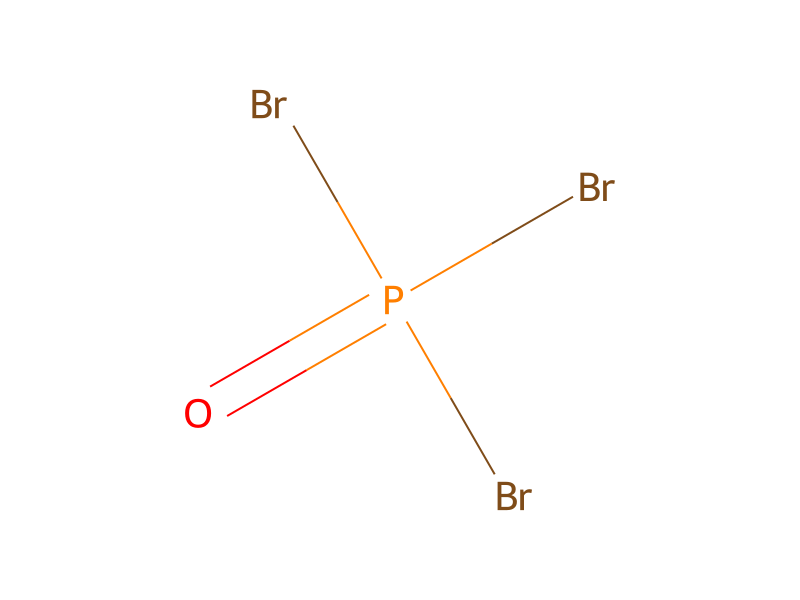
基本情報
- CAS
7789-59-5- 標準SMILES
O=P(Br)(Br)Br- InChIKey
UXCDUFKZSUBXGM-UHFFFAOYSA-N- 分子式
- Br3OP
- 平均分子量
- 286.69 g/mol
- 単同位体質量
- 283.72369
概要
Phosphorus oxybromide appears as a colorless crystalline solid or liquid if heated above 133 °F with a pungent odor. It is commonly heated and shipped in a molten state. Soluble in water, but, decomposed by water to hydrobromic and phosphoric acid with evolution of heat. Reacts with organic materials to cause fire. Evolves highly toxic and corrosive gases when exposed to fire. Corrosive to metals and tissue. Used to make other chemicals.
名称と識別子
- 優先名称
- Phosphorus oxybromide
- IUPAC
- Phosphoric tribromide
- 現地名
- ホスホリルトリブロミド
- 英語名
- Phosphorus oxybromide
- 分子式
- Br3OP
- 分子量
- 286.69
名称と別名
PHOSPHORUS OXYBROMIDE7789-59-5Phosphoric tribromidePhosphoryl bromidePhosphoryl tribromideTribromophosphorus oxidePhosphorus (V) oxybromideUN1939UN2576H98H8Y87QQHSDB 1166PHOSPHONYL TRIBROMIDE
名称をさらに表示
トリブロモホスフィンオキシドオキシ臭化りんホスホリルブロミドホスホリルトリブロミドりん酸トリブロミド臭化ホスホリルオキシ臭化りん(V)リン酸オキシブロミドPOBr3phosphorus(v) oxybromidePHOSPHOROUS OXYBROMIDEphosphoryltribromidetribromophosphorusoxideAURORA KA-1088Formylmelphalan
EINECS 232-177-7UN2576 (molten)PHOSPHORUS BROMIDE OXIDE (PBR3O)PHOSPHORUS OXYTRIBROMIDEDTXSID2064868PHOSPHORUS OXYBROMIDE [MI]PHOSPHORUS OXYBROMIDE, SOLIDUN-1939
データベース識別子
- CAS
7789-59-5
物性
構造計算による物性補完中
- XLogP
- 2.2
- 極性表面積
- 17.1 Ų
- 水素結合供与体数
- 0
- 水素結合受容体数
- 1
- 回転可能結合数
- 0
- 重原子数
- 5
- 形式電荷
- 0
- 複雑度
- 53
実験および物理化学的性質
Chemical Classes
Other Classes -> Halogens, Inorganic Compounds
Corrosives
SpringerMaterials PropertiesGibbs energy
Density
greater than 1 (NOAA, 2007)
2.822
Color/Form
COLORLESS CRYSTALS
THIN PLATES, FAINT ORANGE TINT
SolubilitySOL IN ETHER, BENZENE, CHLOROFORM, CARBON DISULFIDE, CONCENTRATED SULFURIC ACID
Boiling PointAT 758 MM HG IT BOILS AT 193 °C WITH DECOMPOSITION
DecompositionWHEN HEATED TO DECOMP, IT EMITS HIGHLY TOXIC FUMES OF BROMIDES & PO(X).
Melting Point
133 °F (NOAA, 2007)
56 °C (IN HOT WATER)
Physical Description
Phosphorus oxybromide appears as a colorless crystalline solid or liquid if heated above 133 °F with a pungent odor. It is commonly heated and shipped in a molten state. Soluble in water, but, decomposed by water to hydrobromic and phosphoric acid with evolution of heat. Reacts with organic materials to cause fire. Evolves highly toxic and corrosive gases when exposed to fire. Corrosive to metals and tissue. Used to make other chemicals.
安全と法規制
安全情報は参考情報です。供給元の安全データシート(SDS)、適用法令、専門家による評価に代わるものではありません。
GHS分類
GHS Classification
Danger
H290 (13%): May be corrosive to metals [Warning Corrosive to Metals]
P234, P260, P261, P264, P271, P280, P301+P330+P331, P302+P361+P354, P304+P340, P305+P354+P338, P316, P319, P321, P363, P390, P403+P233, P405, P406, and P501 (click each P-code to see the statement)
Aggregated GHS information provided per 69 reports by companies from 8 notifications to the ECHA C&L Inventory. Each notification may be associated with multiple companies.
危険有害性情報
Regulatory Information
Chemical: Phosphoryl bromide
REACH registered substance: Phosphoryl tribromide (EC: 232-177-7)
Phosphoryl bromide: Does not have an individual approval but may be used under an appropriate group standard
The New Jersey Worker and Community Right to Know Act requires public and private employers to provide information about hazardous substances at their workplaces. (N.J.S.A. 34:5A-1 et. seq.)
DOT LabelCorrosive
Fire Hazards
Excerpt from ERG Guide 137 [Substances - Water-Reactive - Corrosive]:
· EXCEPT FOR ACETIC ANHYDRIDE (UN1715), THAT IS FLAMMABLE, some of these materials may burn, but none ignite readily.
· EXCEPT FOR ACETIC ANHYDRIDE (UN1715), THAT IS FLAMMABLE, some of these materials may burn, but none ignite readily.
Health Hazards
Excerpt from ERG Guide 137 [Substances - Water-Reactive - Corrosive]:
· CORROSIVE and/or TOXIC; inhalation, ingestion or contact (skin, eyes) with vapors, dusts or substance may cause severe injury, burns or death.
· CORROSIVE and/or TOXIC; inhalation, ingestion or contact (skin, eyes) with vapors, dusts or substance may cause severe injury, burns or death.
Hazards Summary
化学と産業
用途と製造
Uses
Used as chemical intermediate; [Hawley]
PRINCIPALLY USED AS CHEM INTERMEDIATE
U.S. Exports
(1972) No Data
(1975) No Data
U.S. Imports
(1972) No Data
(1975) No Data
U.S. Production
(1972) No Data
(1975) No Data
Methods of Manufacturing
REACTION OF PHOSPHORUS PENTABROMIDE & PHOSPHORUS PENTOXIDE
REACTION OF PHOSPHORUS PENTABROMIDE AND PHOSPHORUS PENTOXIDE: HONIGSCHMID, HIRSCHBOLD-WITTNER; Z ANORG ALLGEM CHEM 243: 355 (1940); JOHNSON, NUNN; J AM CHEM SOC 63: 141 (1941); BOOTH, SEEGMILLER; INORG SYN 2: 151 (1946).
General Manufacturing InformationPhosphoric tribromide: ACTIVE
応用分野
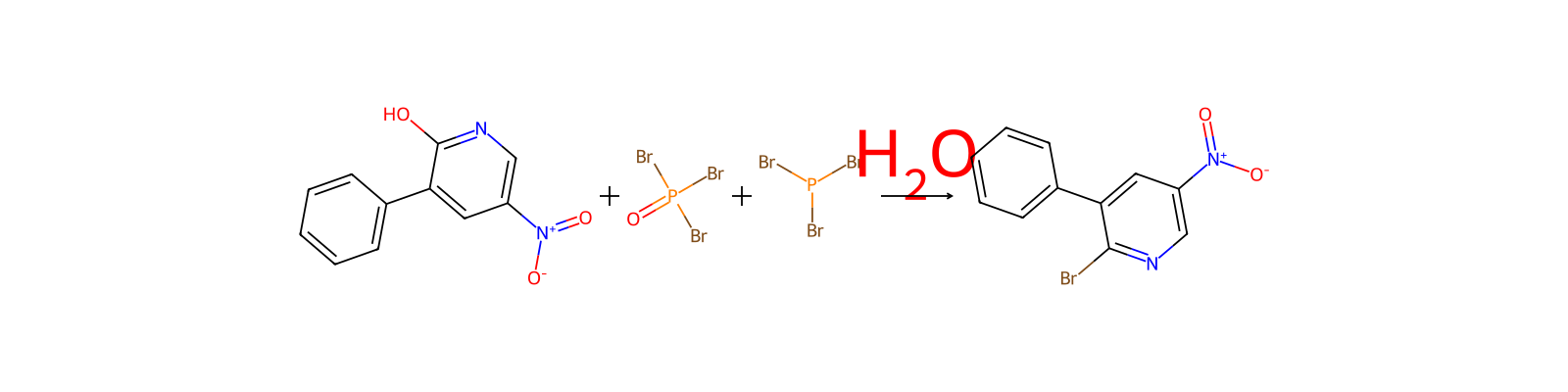
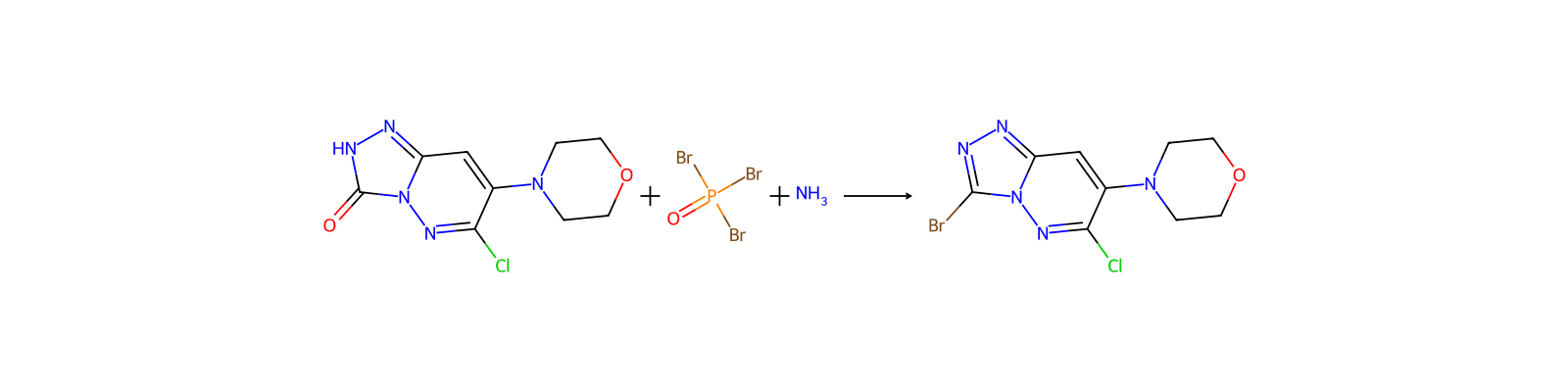
使用Phosphorus(V) Oxybromide is a reagent used in the preparation of phosphoryl halide for N-protection of amino acids using group assisted purification (GAP). Phosphorus(V) Oxybromide is a brominating agent.
一般的な説明A colorless crystalline solid or liquid if heated above 133° F with a pungent odor. Phosphorus oxybromide is commonly heated and shipped in a molten state. Soluble in water, but, decomposed by water to hydrobromic and phosphoric acid with evolution of heat. Reacts with organic materials to cause fire. Evolves highly toxic and corrosive gases when exposed to fire. Corrosive to metals and tissue. Used to make other chemicals.
上流・下流製品情報
上流原料
関連反応
551 件




化合物ノート
読み込み中…