ホームMCPワークベンチSkills
ホームワークベンチ通知マイページ
llms.txt · MCPガイドプライバシーポリシー · 利用規約 · サポートv1.8.0
  1. ホーム
  2. /化合物

臭化水素酸

Hydrogen Bromide

HCID 260
ノートを作成反応を作成見積依頼を出す
印刷プレビュー
基本情報概要名称と識別子物性安全と法規制化学と産業関連反応化合物ノート
部分構造検索類似構造を探す

基本情報

CAS
10035-10-6
標準SMILES
Br
InChIKey
CPELXLSAUQHCOX-UHFFFAOYSA-N
分子式
BrH
平均分子量
80.91 g/mol
単同位体質量
79.92616

概要

Hydrobromic acid, solution appears as a colorless to yellow aqueous solution with a pungent odor. Fumes irritate the eyes and mucous membranes. Corrosive to metals and tissue.

名称と識別子

優先名称
Hydrogen Bromide
IUPAC
bromane
現地名
臭化水素酸
英語名
Hydrogen bromide
分子式
BrH
分子量
80.91

名称と別名

Hydrogen bromideHYDROBROMIC ACID10035-10-6bromaneBromowodorBromwasserstoffBroomwaterstofAcido bromidricoAcide bromhydriqueHydrogen bromide (HBr)Anhydrous hydrobromic acidHydrogen bromide, anhydrous
名称をさらに表示
臭化水素 (30%酢酸溶液, 約5.1mol/L)臭化水素酸 - エタノール 試薬 (10-20%)臭化水素酸 - メタノール 試薬 (5-10%)臭化水素酸 (47%) [一般有機合成用]臭化水素/メタノール,(1:x)ヒドリド臭素臭化水素メタノール試薬5臭化水素臭化水素酸塩臭化水素酸ブロム水素臭化水素飽和酢酸溶液(30%HBr)ペプチドリサーチ用臭化水素酸 (47%)臭化水素 - エタノール 試薬 (10-20%) [エステル化剤]臭化水素 - メタノール 試薬 (5-10%) [エステル化剤]臭化水素 SOLUTION 33 WT. % IN 酢酸臭化水素酸 48 WT. % IN H2O,≥99.99%臭化水素酸 ACS REAGENT,48%臭化水素酸 PURUM P.A.,≥48%臭化水素酸 REAGENT GRADE,48%HBRHBR/ACOHHydrobromichydrobromic acid 48%Hydrogen bromide solutionHydrogen bromide in acetic acidhydrobroMic acid in acetic acidHydrobromic Acid (47%)
Acido bromhidricoHydrogen monobromide3IY7CNP8XJBromure d'hydrogene anhydreBromuro de hidrogeno anhidrobromure d'hydrogeneCHEBI:47266DTXSID0029713

データベース識別子

CAS
10035-10-6
PubChem CID
260
DTXSID
DTXSID0029713
ChEMBL
CHEMBL1231461
ChEBI
CHEBI:22927
UNII
3IY7CNP8XJ
EC Number
233-113-0
Nikkaji
J95.186B

物性

構造計算による物性

XLogP
1
極性表面積
0 Ų
水素結合供与体数
1
水素結合受容体数
0
回転可能結合数
0
重原子数
1
形式電荷
0
複雑度
0

実験および物理化学的性質

Chemical Classes · 2 件

Toxic Gases & Vapors -> Acids, Inorganic

Corrosives

pHAqueous solutions are strongly acidic
SpringerMaterials Propertiesthermal expansion coefficient
Odor · 2 件

Sharp, irritating odor

Acrid odor

TasteFumes have a sour taste
Density · 6 件

2.14 at -88.6 °F (USCG, 1999) - Denser than water; will sink

3.307 g/L

Density: 2.603 g/ cu cm at -84 °C (liquid)

A solution of hydrogen bromide gas in water. Colorless or faintly yellow; slowly darkens on exposure to air and light; miscible with water, alcohol; density: 1.517 (50% HBr solution); 1.38 (40% HBr solution); 1.13 (34% HBr solution); 1.08 (10% HBr solution); miscible with water and alcohol /Hydrobromic acid/

Relative density (water = 1): 1.8

2.14 at -88.6 °F

Color/Form · 2 件

Colorless gas

Colorless gas [Note: Shipped as a liquified compressed gas]

Solubility · 6 件

49 % (NIOSH, 2024)

221 g/100 cc water at 0 °C; 130 g/100 cc water at 100 °C

安全と法規制

安全情報は参考情報です。供給元の安全データシート(SDS)、適用法令、専門家による評価に代わるものではありません。

GHS分類

GHS Classification · 6 件

Danger

H314: Causes severe skin burns and eye damage [Danger Skin corrosion/irritation]

P260, P261, P264, P271, P280, P301+P330+P331, P302+P361+P354, P304+P340, P305+P354+P338, P316, P319, P321, P363, P403+P233, P405, and P501 (click each P-code to see the statement)

This chemical does not meet GHS hazard criteria for 0.2% (1 of 432) of reports.

Danger

H280 (32.9%): Contains gas under pressure; may explode if heated [Warning Gases under pressure]

危険有害性情報

Hazards IdentificationToxic/poison by inhalation (TIH/PIH)
Regulatory Information · 5 件

Chemical: Hydrobromic acid

Hydrobromic acid is listed on the EPA's Chemical Data Reporting (CDR) system. Manufacturers and importers of Hydrobromic acid are required to report information about their production and use of this chemical to the EPA under the Toxic Substances Control Act (TSCA). (40 eCFR Part 711)

REACH registered substance: Hydrogen bromide (EC: 233-113-0)

Hydrogen bromide: HSNO Approval: HSR004091 Approved with controls

The New Jersey Worker and Community Right to Know Act requires public and private employers to provide information about hazardous substances at their workplaces. (N.J.S.A. 34:5A-1 et. seq.)

Other Safety InformationIMAP assessments - Hydrobromic acid: Human health tier I assessment
DOT Label · 2 件

Corrosive

Poison Gas Corrosive

Fire Hazards · 5 件

Excerpt from ERG Guide 154 [Substances - Toxic and/or Corrosive (Non-Combustible)]:

Behavior in Fire: Pressurized container may explode and release toxic, irritating vapor. (USCG, 1999)

· Non-combustible, substance itself does not burn but may decompose upon heating to produce corrosive and/or toxic fumes.

化学と産業

薬理情報

Metabolism/Metabolites · 1 件

Bromine is mainly absorbed via inhalation, but may also enter the body through dermal contact. Bromine salts can be ingested. Due to its reactivity, bromine quickly forms bromide and may be deposited in the tissues, displacing other halogens. (L626)

用途と製造

Uses · 6 件

Used in synthesis of organic compounds and bromides; also used to dissolve ores and catalyze alkylation; [ACGIH] Dilute HBr used in holography (color bleach); [www.ci.tucson.az.us/arthazards/medium.html]

Photographic Processing [Category: Other]

Pharmaceutical intermediate. /Hydrogen bromide gas/

Isomerization of conjugated diolefins. /Hydrobromic acid/

Analytical chemistry, solvent for ore minerals. /Hydrobromic acid/

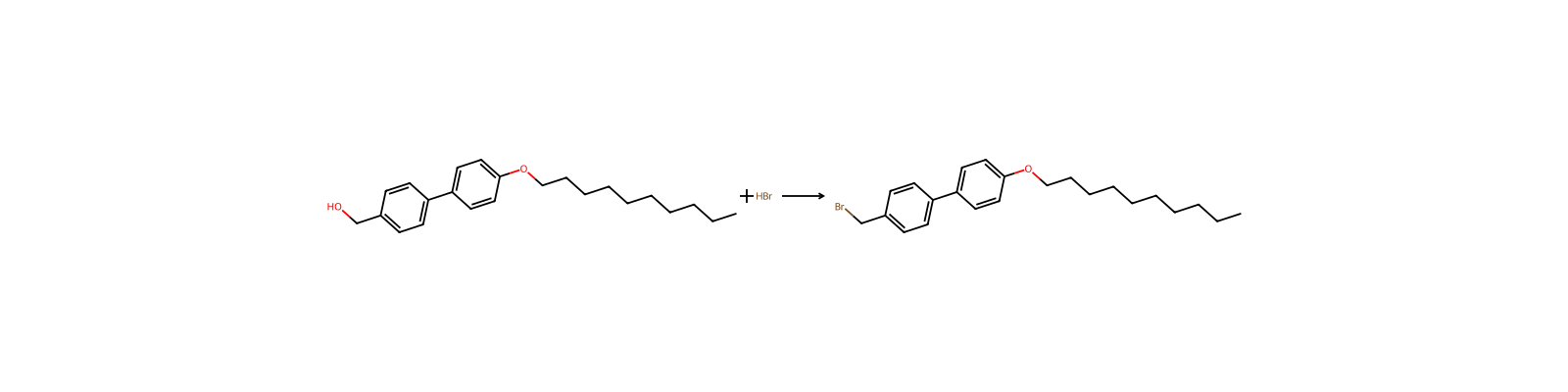
Hydrogen bromide is utilized in: production of inorganic bromides by reaction with the appropriate aqueous solution or slurry of metal hydroxides, oxides, or carbonates; production of organic bromides by reaction with alkyl alcohols or alkenes; reaction with alkynes to form bromoalkenes; opening epoxides and lactones; as a catalyst for oxidations; and alkylations and condensations in organic chemistry. /Hydrogen bromide gas/

U.S. Production · 4 件

2023: 100,000,000 - <500,000,000 lb

(1977) 4.99X10+9 G

Production volumes for non-confidential chemicals reported under the Inventory Update Rule.[Table#1657]

Non-confidential 2016 Chemical Data Reporting (CDR) information on the production and use of chemicals manufactured or imported into the United States. Chemical: hydrobromic acid:

Industry UsesChemical reaction regulator
Methods of Manufacturing · 5 件

Hydrogen bromide is prepared commercially by the direct gas-phase reaction of hydrogen and bromine ... The reaction can be conducted without catalyst by maintaining a self-sustaining flame within an enclosed burner. /Hydrogen bromide gas/

(1) By passing hydrogen with bromine vapor over warm platinum sponge which acts as a catalyst; (2) As a by-product in the bromination of organic compounds. /Hydrogen bromide gas/

関連反応

11,929 件
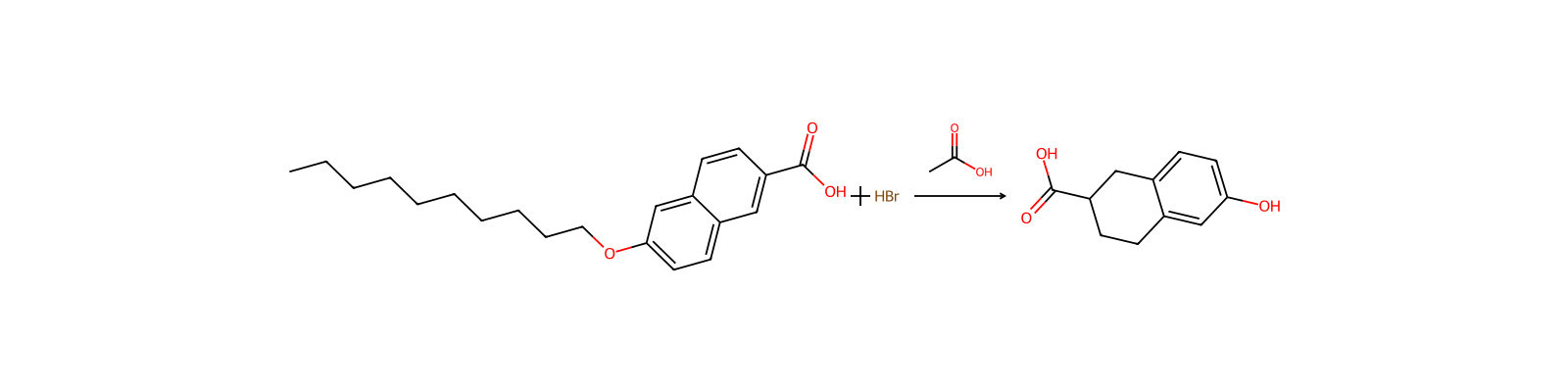
反応記録を作成
HRID 1177 の反応式
HRID 1177反応物としてuspto-grants-1998_03
HRID 1416 の反応式
HRID 1416反応物としてuspto-grants-1998_03
HRID 1428 の反応式
HRID 1428反応物としてuspto-grants-1998_03
HRID 1523 の反応式
HRID 1523反応物としてuspto-grants-1998_03
HRID 1797 の反応式
HRID 1797溶媒としてuspto-grants-1998_03
HRID 1798 の反応式
HRID 1798溶媒としてuspto-grants-1998_03
HRID 2092 の反応式
HRID 2092溶媒としてuspto-grants-1998_03
HRID 2208 の反応式
HRID 2208溶媒としてuspto-grants-1998_03
1 / 500 ページ

化合物ノート

読み込み中…

このページの内容基本情報概要名称と識別子物性安全と法規制化学と産業関連反応化合物ノート
その他の操作
ノートを作成反応を作成見積依頼を出す

Freely soluble in water; 1 volume of water dissolves 600 volumes of HBr at 0 °C

204.0 g/ 100 g water at 15 °C

Very soluble in water

For more Solubility (Complete) data for Hydrogen bromide (6 total), please visit the HSDB record page.

CorrosivityCorrosive
Boiling Point · 6 件

-88.2 °F at 760 mmHg (USCG, 1999)

-66.38 °C

-67 °C

-88.2 °F

-66.5 °C @760 [mm Hg]

-88 °F

Decomposition · 2 件

Hazardous decomposition products formed under fire conditions - Hydrogen bromide gas.

When heated to decomposition ... it emits toxic and corrosive fumes of /hydrogen bromide/.

Melting Point · 6 件

-124 °F (NIOSH, 2024)

-86.80 °C

-87 °C

-124 °F

-87 °C

-124 °F

物理化学的性質

融点
87 °C · −87 °C(lit.)
沸点
67 °C · −67 °C(lit.)
比重(密度)
1.49 g/mL · 1.49 g/mL at 25 °C (lit.)
蒸気密度
2.8 · 2.8 (vs air)
蒸気圧
334.7 psi · 334.7 psi ( 21 °C)
屈折率
20 · n20/D 1.438
闪点
40 °C · 40°C
貯蔵温度
30 °C · Store below +30°C.
溶解性
溶ける
酸解離定数(Pka)
-9 · -9(at 25℃)
外見
解決
色
ライトイエロー、ブラウン
比重
1.49 · 1.49
PH
3.01 · 3.01(1 mM solution);2.04(10 mM solution);1.08(100 mM solution)
臭い (Odor)
2 ppmで検出可能な鋭い刺激臭 · 2ppmで検出可能な鋭い刺激臭
水溶解度
溶ける
比熱容量
0.36 J/ · Cp(gas): 0.36 J/(g·K), at 25℃
Merck
14 · 14,4778
BRN
3587158 · 3587158
Henry's Law Constant
6.8 · 6.8×10-2 mol/(m3Pa) at 25℃, Hayer et al. (2022)
Dielectric constant
7 · 7.0(-85℃)
安定性
安定。強塩基、強酸化剤、アンモニア、オゾン、フッ素、水、金属とは相容れない。空気と光に敏感。
化粧品成分の機能
バッファリング
InChI
1S/BrH/h1H
InChIKey
CPELXLSAUQHCOX-UHFFFAOYSA-N
SMILES
Br
LogP
0.629 at · 0.629 at 25℃
CAS データベース
10035 · 10035-10-6(CAS DataBase Reference)
NISTの化学物質情報
Hydrogen bromide(10035-10-6)
EPAの化学物質情報
Hydrobromic acid (10035-10-6)

化学的性質

化学的特性colourless liquid with a strong irritating odour

化学性质融点?88.5℃,沸点?67.0℃,刺激臭

· Some may burn but none ignite readily.

Not combustible. Heating will cause rise in pressure with risk of bursting. Risk of fire and explosion on contact with metals as a result of hydrogen formation.

Fire PotentialNot combustible. Heating will cause rise in pressure with risk of bursting.
Health Hazards · 4 件

Excerpt from ERG Guide 154 [Substances - Toxic and/or Corrosive (Non-Combustible)]:

Inhalation causes severe irritation of nose and upper respiratory tract, lung injury. Ingestion causes burns of mouth and stomach. Contact with eyes causes severe irritation and burns. Contact with skin causes irritation and burns. (USCG, 1999)

· TOXIC and/or CORROSIVE; inhalation, ingestion or skin contact with material may cause severe injury or death.

· TOXIC and/or CORROSIVE; may be fatal if inhaled, ingested or absorbed through skin.

Hazards Summary · 1 件

Aqueous hydrogen bromide = Hydrobromic acid; [NIOSH] Skin contact with acid solutions may cause burns. HBr, compared to HCl, is more toxic to rats, and considerably more toxic to mice in acute inhalation studies. [ACGIH] Highly corrosive to skin; [Quick CPC] Possible frostbite from contact with liquid; [NIOSH] A corrosive substance that can cause pulmonary edema; [ICSC] The following chemicals can release HBr when spilled in water: Boron tribromide, Phosphorus pentabromide, Acetyl bromide, and Aluminum bromide. [ERG 2016] See the Process, Toxic Gas from Spilling Chemical in Water. Hydrogen bromide is fibrogenic to the lungs in the context of an acute inhalation exposure complicated by bronchiolitis obliterans.

DOT ID and Guide · 4 件

1788 154

1048 125

1048 125(anhydrous)

1788 154(solution)

Reactive Group · 2 件

Acids, Strong Non-oxidizing

Acids, Strong Non-oxidizing

EC ClassificationSymbol: C; R: 35-37; S: (1/2)-7/9-26-45
UN ClassificationUN Hazard Class: 2.3; UN Subsidiary Risks: 8

安全と保護具

Fire Fighting · 3 件

Excerpt from ERG Guide 154 [Substances - Toxic and/or Corrosive (Non-Combustible)]:

Excerpt from ERG Guide 125 [Gases - Toxic and/or Corrosive]:

In case of fire in the surroundings, use appropriate extinguishing media. In case of fire: keep cylinder cool by spraying with water. NO direct contact with water.

First Aid Measures · 3 件

Fresh air, rest. Half-upright position. Refer for medical attention.

ON FROSTBITE: rinse with plenty of water, do NOT remove clothes. Refer for medical attention .

First rinse with plenty of water for several minutes (remove contact lenses if easily possible), then refer for medical attention.

Accidental Release Measures · 4 件

· CALL 911. Then call emergency response telephone number on shipping paper. If shipping paper not available or no answer, refer to appropriate telephone number listed on the inside back cover.

· ELIMINATE all ignition sources (no smoking, flares, sparks or flames) from immediate area.

· CALL 911. Then call emergency response telephone number on shipping paper. If shipping paper not available or no answer, refer to appropriate telephone number listed on the inside back cover.

· Do not touch or walk through spilled material.

First Aid · 5 件

Excerpt from ERG Guide 154 [Substances - Toxic and/or Corrosive (Non-Combustible)]:

Excerpt from NIOSH Pocket Guide for Hydrogen bromide:

General First Aid:

General First Aid:

(General first aid procedures)

Safe StorageSeparated from incompatible materials. See Chemical Dangers. Cool. Dry. Ventilation along the floor.
Exposure Control and Personal Protection · 4 件

· Wear positive pressure self-contained breathing apparatus (SCBA).

· Wear positive pressure self-contained breathing apparatus (SCBA).

TIH (Toxic Inhalation Hazard) - Term used to describe gases and volatile liquids that are toxic when inhaled. Some are TIH materials themselves, e.g., chlorine, and some release TIH gases when spilled in water, e.g., chlorosilanes. [ERG 2016].

2.0 [ppm]

Fire Fighting Procedures · 5 件

Suitable extinguishing media: Use water spray, alcohol-resistant foam, dry chemical or carbon dioxide.

Advice for firefighters: Wear self-contained breathing apparatus for firefighting if necessary.

Use water spray to cool unopened containers.

Extinguish fire using agent suitable for surrounding fire. Use flooding quantities of water. Use water spray to keep fire-exposed containers cool. Approach fire from upwind to avoid hazardous vapors. /Hydrobromic acid solution/

For more Fire Fighting Procedures (Complete) data for Hydrogen bromide (6 total), please visit the HSDB record page.

Storage Conditions · 3 件

Separated from incompatible materials. ... Cool. Dry. Ventilation along the floor.

Keep container tightly closed in a dry and well-ventilated place. Containers which are opened must be carefully resealed and kept upright to prevent leakage.

Store in a cool, dry, well-ventilated location. Separate from alkalies, oxidizing materials, amines, halogens, and metals. /Hydrobromic acid solution/

Cleanup Methods · 3 件

Evacuate danger area! Consult an expert! Personal protection: gas-tight chemical protection suit including self-contained breathing apparatus. Ventilation. NEVER direct water jet on liquid. Remove gas with fine water spray.

ACCIDENTAL RELEASE MEASURES: Personal precautions, protective equipment and emergency procedures: Wear respiratory protection. Avoid breathing vapors, mist or gas. Ensure adequate ventilation. Evacuate personnel to safe areas. Environmental precautions: Prevent further leakage or spillage if safe to do so. Do not let product enter drains. Methods and materials for containment and cleaning up: Clean up promptly by sweeping or vacuum.

Stop or control the leak, if this can be done without undue risk. Absorb in noncombustible material for proper disposal. /Hydrobromic acid solution/

Nonfire Spill Response · 2 件

Excerpt from ERG Guide 154 [Substances - Toxic and/or Corrosive (Non-Combustible)]:

Excerpt from ERG Guide 125 [Gases - Toxic and/or Corrosive]:

Disposal Methods · 3 件

Generators of waste (equal to or greater than 100 kg/mo) containing this contaminant, EPA hazardous waste number D002, must conform with USEPA regulations in storage, transportation, treatment and disposal of waste.

SRP: Wastewater from contaminant suppression, cleaning of protective clothing/equipment, or contaminated sites should be contained and evaluated for subject chemical or decomposition product concentrations. Concentrations shall be lower than applicable environmental discharge or disposal criteria. Alternatively, pretreatment and/or discharge to a permitted wastewater treatment facility is acceptable only after review by the governing authority and assurance that "pass through" violations will not occur. Due consideration shall be given to remediation worker exposure (inhalation, dermal and ingestion) as well as fate during treatment, transfer and disposal. If it is not practicable to manage the chemical in this fashion, it must be evaluated in accordance with EPA 40 CFR Part 261, specifically Subpart B, in order to determine the appropriate local, state and federal requirements for disposal.

Product: Offer surplus and non-recyclable solutions to a licensed disposal company. Contact a licensed professional waste disposal service to dispose of this material; Contaminated packaging: Dispose of as unused product.

Spillage DisposalEvacuate danger area! Consult an expert! Personal protection: gas-tight chemical protection suit including self-contained breathing apparatus. Ventilation. NEVER direct water jet on liquid. Remove gas with fine water spray.

毒性情報

Treatment · 1 件

EYES: irrigate opened eyes for several minutes under running water. INGESTION: do not induce vomiting. Rinse mouth with water (never give anything by mouth to an unconscious person). Seek immediate medical advice. SKIN: should be treated immediately by rinsing the affected parts in cold running water for at least 15 minutes, followed by thorough washing with soap and water. If necessary, the person should shower and change contaminated clothing and shoes, and then must seek medical attention. INHALATION: supply fresh air. If required provide artificial respiration.

Target OrgansEyes, skin, respiratory system
Health Effects · 1 件

Bromine vapour causes irritation and direct damage to the mucous membranes. Elemental bromine also burns the skin. The bromide ion is a central nervous system depressant and chronic exposure produces neuronal effects. This is called bromism and can result in central reactions reaching from somnolence to coma, cachexia, exicosis, loss of reflexes or pathologic reflexes, clonic seizures, tremor, ataxia, loss of neural sensitivity, paresis, papillar edema of the eyes, abnormal speech, cerebral edema, delirium, aggressiveness, and psychoses. (L625, L626, L627)

Adverse EffectsDermatotoxin - Skin burns.
Exposure Routes · 3 件

The substance can be absorbed into the body by inhalation.

inhalation, ingestion (solution), skin and/or eye contact

Oral (L626) ; inhalation (L626) ; dermal (L626)

Toxicity Summary · 2 件

IDENTIFICATION AND USE: Hydrogen bromide (HBr) is a colorless gas. It is utilized in the production of inorganic bromides and organic bromides, in reaction with alkynes to form bromoalkenes, opening epoxides and lactones, as a catalyst for oxidations, and in alkylations and condensations in organic chemistry. It is also used in analytical chemistry, and as a solvent for ore minerals. HUMAN STUDIES: Nose and throat irritation occurred in human subjects exposed to HBr for several minutes at concentrations of 3 ppm (1 of 6 subjects) and 4 ppm (3 of 6 subjects) respectively for several minutes. No effects were observed at 2 ppm, but detectable odor was noted at all exposure levels (2 to 6 ppm). No eye irritation was noted. The odor threshold is given as 6.667 mg/cu m and the irritating concentration as 10.00 mg/cu m. Concentrations of 0.13-0.2% are lethal. HBr is also corrosive to skin and mucous membranes and can cause severe burns. Exposure to high concentrations may result in dermatitis. Severe exposures result in pulmonary edema, and often laryngeal spasm. Ingestion causes burns of mouth and stomach. A 60-year-old laboratory technician developed pulmonary infiltrates consistent with chemical pneumonitis following accidental exposure to a mixture of hydrogen bromide and phosphorus tribromide. Two patients developed acute pneumonitis followed by reactive airways dysfunction syndrome after bathing in a hot tub. Bromine and hydrobromic acid generated from a widely used water disinfectant were implicated as the underlying cause. ANIMAL STUDIES: In rats, tissue injury following nose-breathing exposure to HBr was confined to the nasal region. However, mouth-breathing exposure in rats caused higher mortality rates and major tissue disruption in the trachea, including epithelial, submucosal, glandular, and cartilage necrosis, and accumulations of inflammatory cells and exudates. More peripheral lung damage was manifested by lung gravimetric increases and histopathologic changes primarily in the larger conducting airways. HBr causes more severe burns to rat skin than hydrogen chloride or hydrogen iodide.

Bromine is a powerful oxidizing agent and is able to release oxygen free radicals from the water in mucous membranes. These free radicals are also potent oxidizers and produce tissue damage. In additon, the formation of hydrobromic and bromic acids will result in secondary irritation. The bromide ion is also known to affect the central nervous system, causing bromism. This is believed to be a result of bromide ions substituting for chloride ions in the in actions of neurotransmitters and transport systems, thus affecting numerous synaptic processes. (L626, L627, A543)

Signs and Symptoms · 5 件

Burning sensation. Cough. Sore throat. Laboured breathing. Shortness of breath. Symptoms may be delayed.

ON CONTACT WITH LIQUID: FROSTBITE. Redness. Pain. Blisters.

Redness. Pain. Severe deep burns.

irritation eyes, skin, nose, throat; solution: eye, skin burns; liquid: frostbite

Bromine vapour causes irritation and direct damage to the mucous membranes. Symptoms include lacrimation, rhinorrhoea, eye irritation with mucous secretions from the oropharyngeal and upper airways, coughing, dyspnoea, choking, wheezing, epistaxis, and headache. The bromide ion is a central nervous system depressant producing ataxia, slurred speech, tremor, nausea, vomiting, lethargy, dizziness, visual disturbances, unsteadiness, headaches, impaired memory and concentration, disorientation and hallucinations. This is called bromism. (L626, L627)

Effluent Concentrations · 1 件

Hydrogen bromide was not detected in emissions from combustion of mixed plastics with coal in a bubbling fluidized bed boiler(1). The compound is formed and released as a result of high heating of electronic circuit boards containing brominated flame retardants(2).

Natural Pollution SourcesHydrogen bromide is found in gases from volcanoes(1).
Atmospheric Concentrations · 1 件

Airborne hydrogen bromide concentrations ranged from less than the detection limit (0.01 ppm) to 0.11 ppm in a monitoring study for airborne vapors during structural foam molding of ignition resistant high impact polystyrene. Hydrogen bromide gas is the primary decomposition product of concern from the flame retardant system(1).

Human Toxicity Excerpts · 5 件

/HUMAN EXPOSURE STUDIES/ Nose and throat irritation occurred in human subjects exposed to HBr for several minutes at concentrations of 3 ppm (1 of 6 subjects) and 4 ppm (3 of 6 subjects) respectively for several minutes. No effects were observed at 2 ppm, but detectable odor was noted at all exposure levels (2 to 6 ppm). No eye irritation was noted at all concentrations exposed. The odor threshold is given as 6.667 mg/cu m and the irritating concentration as 10.00 mg/cu m.

/SIGNS AND SYMPTOMS/ ... Highly toxic /gas/ ... Being severely irritating to upper resp tract. The ... /acid/ formed neutralizes the alkali of tissues and can cause death as a result of edema or spasm of larynx and inflammation of upper resp system. Concn of 0.13-0.2% are lethal ... In exposures lasting a few min.

/SIGNS AND SYMPTOMS/ /GAS/ ... Also corrosive to skin and mucous membranes and can cause severe burns. Exposure to high concn may ... Result in dermatitis. Contact with eyes rapidly causes severe irritation of eyes and eyelids.

/SIGNS AND SYMPTOMS/ Inhalation of hydrogen bromide causes irritation of the upper respiratory tract, and a concentration of about 35 ppm causes irritation of the throat after short exposure. More severe exposures result in pulmonary edema, and often in laryngeal spasm.

For more Human Toxicity Excerpts (Complete) data for Hydrogen bromide (8 total), please visit the HSDB record page.

Artificial Pollution SourcesHydrogen bromide's production and use in the manufacture of other bromine compounds, chemical reagent and catalyst(1) may result in its release to the environment through various waste streams(SRC).

法規制情報

RCRA RequirementsD002; A solid waste containing hydrobromic acid may become characterized as a hazardous waste when subjected to testing for corrosivity as stipulated in 40 CFR 261.21, and if so characterized, must be managed as a hazardous waste.
DHS Chemicals of Interest (COI) · 4 件

Hydrogen bromide(anhydrous)

95.33

500

Weapons of Mass Effect chemical material that, if stolen or diverted, can be converted into weapons using simple chemistry, equipment, or techniques.

安全データ

OEL
Ceiling: 3 ppm (10 mg/m3)
wgk
1
IDLA
35 ppm(116 mg/m3)
tsca
TSCA listed
rtecs
MW3850000
ridadr
UN 1048
毒性
LC50 in mice, rats: 814, 2858 ppm by inhalation, K. C. Back et al., Reclassification of Materials Listed as Transportation Health Hazards (TSA-20-72-3, PB 214-270, 1972)
hs_code
28111990
risk_code
35-37-34-10-36/37/38
化審法
(1)-105
安衛法
有機則 第二種有機溶剤等
消防法
危-4-A-II
hazard_code
C,Xi
safety_code
26-45-7/9-36/37/39
hazard_class
2.3
DOT Classification
2.3, Hazard Zone C (Gas poisonous by inhalation)
毒劇物取締法
劇物
Hazard Classifications
Eye Dam. 1Met. Corr. 1Skin Corr. 1BSTOT SE 3
ストレージクラス
8B - Non-combustible corrosive hazardous materials
有毒物質データの
10035-10-6(Hazardous Substances Data)
危険度評価(NFPA 704基準/消防庁データ)
人的[青]=3 火災[赤]=0 反応[黄]=0

By dissolving hydrogen bromide in water or by distilling from a mixture of sodium bromide and 50% sulfuric acid. /Hydrobromic acid/

The anhydrous gas is produced industrially by burning bromine in the presence of excess hydrogen at 500 °C or by reacting bromine with hydrogen at 375 °C over platinized silica gel or platinized asbestos catalyst. Generation of hydrogen bromide as a byproduct during bromination of aromatic compounds is another major source of the industrial gas, although the hydrogen bromide is less pure. In either case, entrained bromine can be removed by scrubbing with phosphorous acid or by activated carbon. The gas is liquefied by compression for storage and shipment in cylinders. Methods for laboratory preparation include reaction of bromine with 1,2,3,4-tetrahydronaphthalene at 20 °C or by the reaction of bromine with sulfur dioxide and water followed by distillation.

Constant-boiling hydrobromic acid distills at 124.3 °C at atmospheric pressure and contains 47.63 wt% hydrogen bromide. The boiling point and hydrogen bromide concentration can be partially controlled by varying the pressure during distillation. These solutions are produced industrially by dissolution of hydrogen bromide in water.

Formulations/Preparations · 4 件

Grade: Up to 99.8% minimum purity. /Hydrogen bromide gas/

Grades: Technical 40%; Medicinal 48%, 62% /Hydrobromic acid/

The aqueous acid is commercially available as colorless 48% and 62% solutions.

Anhydrous hydrogen bromide is commonly available in 99.8 % purity in cylinders containing 6.8, 13.6, or 68 kg at 2.2 MPa at 21.1 °C.

General Manufacturing Information · 3 件

Plastics Product Manufacturing

Hydrobromic acid: ACTIVE

Liquefied hydrobromic acid is available commercially in cylinders and various strengths of aqueous hydrobromic acid are available in drums or tank cars.

応用分野 · 9 件

解説臭化水素酸,無色の強い酸でやや還元性がある.水との共沸混合物の組成は47.63% で,124.3 ℃ で沸騰する.もっとも濃厚なものは臭化水素を82% 含み,その組成はおよそ(HBr + H2O)に相当する.臭素は三臭化物イオン,五臭化物イオンとなり,大量に溶解する.多くの金属と水素を発生して反応し,臭化物となる.また,酸化物,過酸化物,塩素により酸化されて臭素を遊離する.光,空気によって分解され,臭素を遊離する.森北出版「化学辞典(第2版)

用途ブロム塩類、ブロムアルキルの製造原料

用途各種臭化物塩類、臭化アルキルの原料。触媒。

用途各種ブロム塩類の製造(臭化カリ、臭化ナトリウム、臭化リチウム、臭化カルシウムなど)、各種臭化アルキルの製造(臭化メチル、臭化エチル、臭化アリルなど)、ビタミン合成、鎮静剤など医薬品の合成

用途汎用試薬。

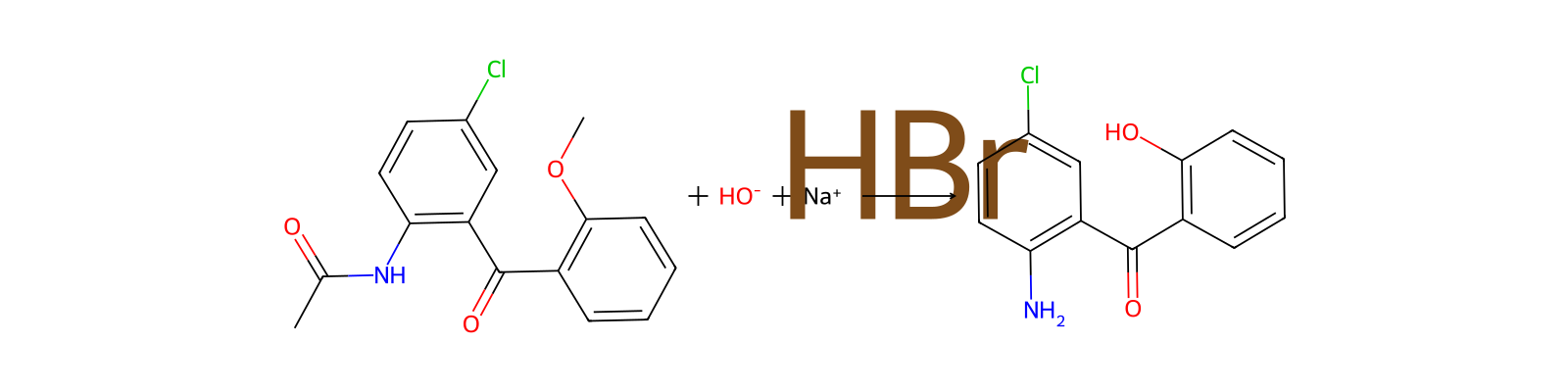
説明Hydrobromic Acid is a strong acid formed by dissolving the diatomic molecule HBr in water. “Constant-boiling” hydrobromic acid is an aqueous solution that distills at 124.3°C and contains 47.6% HBr by weight. Hydrobromic acid has a pKa of 9, making it a stronger acid than hydrochloric acid, but not as strong as HI, hydroiodic acid. Hydrobromic acid is one of the strongest mineral acids known. Hydrobromic acid is mainly used for the production of inorganic bromides, especially the bromides of zinc, calcium, and sodium. It is a useful reagent for generating organobromine compounds. Certain ethers are cleaved with HBr. It also catalyzes alkylation reactions and the extraction of certain ores. Industrially significant organic compounds prepared from hydrobromic acid include allyl bromide, tetrabromobis(phenol), and bromoacetic acid. Hydrobromic acid can be prepared in the laboratory via the reaction of Br2, SO2 and water. Another laboratory preparation involves the production of anhydrous HBr, which is then dissolved in water. Hydrobromic acid has commonly been prepared industrially by reacting bromine with either sulfur or phosphorous and water. However, it can also be produced electrolytically. It can also be prepared by treating bromides with nonoxidizing acids like phosphoric or acetic acids. Hydrobromic acid is available commercially in various concentrations and purities.

使用Hydrogen bromide is used as a reagent and catalyst in several types of organic reactions such as the formation of alkyl bromides from alcohols.It is also used as a source material in the preparation of inorganic bromides. Hydrogen bromide serves as a catalyst in alkylation reactions. It has also been reportedly used in the controlled oxidation of aliphatic and alicyclic hydrocarbons to peroxides, ketones, and acids. In organic synthesis, hydrogen bromide is used to substitute bromine for aliphatic chlorine in the presence of aluminum catalyst.

一般的な説明Hydrobromic acid solution (HBr) is a clear, yellow or brown colored liquid. Its reaction with K has been studied by a molecular beam technique.

使用用途臭化水素は、医薬品や臭化水素酸、および各種臭化物の合成原料などとして用いられている他、汎用試薬としても利用されています。化学工業の分野においては、アルキル化触媒や還元剤として使用されています。 さらに、臭化水素には高品質のガスとしての用途もあり、エッチングガスやクリーニングガスとして利用可能です。臭化水素の水溶液である臭化水素酸は、ポリエステル繊維の原料であるの製造における触媒や各種ブロム塩類・臭化アルキルの原料として使用されており、重要な化学品です。

調製方法 · 3 件

製造方法Hydrogen bromide gas may be produced by combustion of hydrogen inbromine vapor at 37.5°C using a catalyst such as platinized asbestos or pla-tinized silica gel. Unreacted free bromine is removed from the product bypassing the gaseous product mixture over hot activated charcoal. Hydrogenbromide formed may be absorbed in water to obtain the acid; or may be cooledand liquefied for shipment in cylinders. Hydrobromic acid may be prepared in the laboratory by distillation of asolution of potassium bromide with dilute sulfuric acid: 2KBr + H2SO4 → K2SO4 + HBr The acid may be prepared by several other methods, as well, including reac-tion of bromine either with sulfur and water; or with phosphorus and water: 2Br2 + S + 2H2O → 4HBr + SO2 Hydrobromic acid also may be prepared by hydrogen exchange with a sodiumor potassium bromide solution when the solution is passed through a cation-exchange resin. Hydrobromic acid is stored and shipped in drums, tanks, carboys, or bot-tles, labeled as corrosive materials. The anhydrous gas is stored and shippedin cylinders under its vapor pressure.

合成方法白金触媒下で水素と臭素を反応させる

純化方法A solution of aqueous HBr ca 48% (w/w, constant boiling) is purified by distilling twice with a little red phosphorus, and the middle half of the distillate is taken. (The azeotrope at 760mm contains 47.8% (w/w) HBr.) [Hetzer et al. J Phys Chem 66 1423 1962]. Free bromine can be removed by Irvine and Wilson's method for HI (see above), except that the column is regenerated by washing with an ethanolic solution of aniline or styrene. Hydrobromic acid can also be purified by aerating with H2S, distilling and collecting the fraction boiling at 125-127o. [Heisig & Andur Inorg Synth I 155 1939.] HARMFUL VAPOURS.

上流・下流製品情報

上流原料

硫黄二酸化イオウ水酸化バリウム炭素ジオン水素臭素酢酸Sulphur黄リンマッチりんo-ジクロロベンゼン硫酸バリウム

下流製品

8-ブロモテオフィリン2-(Dibromoacetyl benzimidazole hydro bromic acid salt2-アミノ-2-(4-ヒドロキシフェニル)酢酸メチル4-ブロモピペリジン臭化水素酸塩8-ブロモオクタン酸2-メトキシ-6-メチル安息香酸4,4'-ビス(ブロモメチル)ビフェニル3,8-ジメチル-1,10-フェナントロリンシクロヘキサンアミン·臭化水素酸塩2-Mercaptopyrimidin-4-ol1,10-ジブロモデカン4-ブロモ-o-キシレン2-Bromo-1-(4,6-dimethoxypyrimidin-2-yl)ethanone9-ブロモ-9-フェニルフルオレン10-Methylsulfonyl)capric acid(5-メチルピリジン-3-イル)ボロン酸3-(ブロモアセチル)ピリジン臭素酸塩 臭化物2,6-Diamino-3-bromopyridine4-ブロモ-7-クロロキノリン10-ブロモデカン酸3-フランカルボン酸8-ブロモ-1-オクタノール1,1,3,3-テトラブロモアセトン2-ブロモブタン二酸3-ヒドロキシ-1-メチルピペリジン2-ブロモ-1-(4-ピリジニル)-1-エタノン臭化水素酸塩2-アミノ-5-ブロモチアゾール臭化水素酸塩2,3,5,6-テトラフルオロ-4-ブロモピリジンα-ブロモ-p-キシレン2-Acetylamino-3-bromo-5-methylpyridine(2-フルオロベンジル)メチルアミン3-ブロモ-2,6-ジアミノピリジン1-ブロモ-3,4-ジフルオロベンゼン2-ブロモ-3-メトキシ-6-メチルピリジン2-ブロモ-3-ヒドロキシ-6-メチルピリジン[4-(トリフルオロメチル)フェニル]メタンスルホニルクロリド臭化亜鉛1-ヒドロキシブタン-2-オン臭化水素酸 S-(2-アミノエチル)イソチオウロニウム ブロミドヘキシルメルカプタン

補足説明

定義Hydrogen bromide in aqueous solution.