

基本情報
- 標準SMILES
O=C(c1ccccc1)c1ccccc1- InChIKey
RWCCWEUUXYIKHB-UHFFFAOYSA-N- 分子式
- C13H10O
- 平均分子量
- 182.22 g/mol
- 単同位体質量
- 182.07316494
名称と識別子
- 優先名称
- Benzophenone
- IUPAC
- diphenylmethanone
- 現地名
- ベンゾフェノン
- 英語名
- Benzophenone
- 分子式
- C13H10O
- 分子量
- 182.22
名称と別名
BENZOPHENONE119-61-9diphenylmethanoneDiphenyl ketoneBenzoylbenzeneMethanone, diphenyl-Phenyl ketonealpha-OxoditaneKetone, diphenylDiphenylketoneBenzene, benzoyl-alpha-Oxodiphenylmethane
名称をさらに表示
ベンゾフェノンジフェニルメタノンα-オキソジタン1,1'-カルボニルビスベンゼンベンゾイルベンゼンα-フェニルベンズアルデヒドフェニル(フェニル)ケトンジフェニルケトン(フェニル)フェニルケトンベンゾフェノン標準品融点スタンダード47~49°Cベンゾフェノン, 99%5,5′-[トリメチレンビス(イミノエチレン)]ビス[5,8,11-トリアザ-5H-ベンゾ[de]アントラセン-4,6-ジオン]11-[2-({3-[(2-{10,12-ジオキソ-3,6,11-トリアザテトラシクロ[7.7.1.02,7.013,17]ヘプタデカ-1(16),2,4,6,8,13(17),14-ヘプタエン-11-イル}エチル)アミノ]プロピル}アミノ)エチル]-3,6,11-トリアザテトラシクロ[7.7.1.02,7.013,17]ヘプタデカ-1(16),2,4,6,8,13(17),14-ヘプタエン-10,12-ジオン5,5′-[トリメチレンビス(イミノエチレン)]ビス[5,8,11-トリアザ-4H-ベンゾ[de]アントラセン-4,6(5H)-ジオン]BPNBenzophenondipheny ketoneBENZOPHENONE FLAKEFEMA 2134IHT-PI BP
Kayacure bpDTXSID0021961Adjutan 6016Caswell No. 081GFEMA No. 2134NSC 8077CCRIS 629EPA Pesticide Chemical Code 000315
データベース識別子
- CAS
119-61-9- PubChem CID
- 3102
- DTXSID
DTXSID0021961- ChEMBL
CHEMBL90039- ChEBI
CHEBI:41308- UNII
- 701M4TTV9O
- EC Number
- 204-337-6
- Nikkaji
- J2.481C
物性
構造計算による物性
- XLogP
- 3.4
- 極性表面積
- 17.1 Ų
- 水素結合供与体数
- 0
- 水素結合受容体数
- 1
- 回転可能結合数
- 2
- 重原子数
- 14
- 形式電荷
- 0
- 複雑度
- 165
実験および物理化学的性質
LogP
3.18
log Kow = 3.18
3.18
3.38
Odor
Geranium-like odor
Sweet, rose-like odor
Density
1.085 at 122 °F (USCG, 1999) - Denser than water; will sink
1.111 g/cu cm at 18 °C
Relative density (water = 1): 1.1
1.085
1.1 @25 °C
Color/Form
Orthorhombic prisms from alcohol (alpha); monoclinic prisms (beta)
Rhombic prisms (stable form), monoclinic prisms (labile form), white crystals
Solubility
Insoluble (<1 mg/ml at 77 °F) (NTP, 1992)
137
In water, 1.37X10+2 mg/L at 25 °C
One gram dissolves in 7.5 mL alcohol and 6 mL ether; soluble in chloroform
Very soluble in acetone, acetic acid, and carbon disulfide; soluble in benzene and methanol.
0.137 mg/mL at 25 °C
Flash Point
greater than 270 °F (USCG, 1999)
146 °C
Boiling Point
582.6 °F at 760 mmHg (NTP, 1992)
305.4
305.9 °C
305.00 to 307.00 °C. @ 760.00 mm Hg
305 °C
305 °C
Decomposition
When heated to decomp it emits acrid and irritating fumes.
>320 °C
Melting Point
alpha-118.6 °F; beta-79 °F; gamma-117 °F. (NTP, 1992)
47.8
48.5 °C
Melting point: 47 °C (gamma-Benzophenone)
26 °C
48.5 °C
Vapor DensityRelative vapor density (air = 1): 6.3
Vapor Pressure
0.00193 [mmHg]
1 [mm Hg] @108.2 °C
Surface Tension45.1 dyne/cm at 20 °C
物理化学的性質
- 融点
- 47 · 47-51 °C (lit.)
- 沸点
- 305 °C · 305 °C (lit.)
- 比重(密度)
- 1.11 · 1.11
- 蒸気密度
- 4.21 · 4.21 (vs air)
- 蒸気圧
- 1 mm · 1 mm Hg ( 108 °C)
- 屈折率
- 1.5893 · 1.5893
- FEMA
- 2134 · 2134 | BENZOPHENONE
- 闪点
- 230 °F · >230 °F
- 貯蔵温度
- 30 °C · Store below +30°C.
- 溶解性
- 100 mg/mL · エタノール:可溶100mg/mL 無色透明(80%エタノール)
- 外見
- 結晶性粉末またはフレーク
- 色
- ホワイトからオフホワイト
- 臭い (Odor)
- 特性。
- においのタイプ
- バルサミコ
- 由来生物
- synthetic
- 水溶解度
- 不溶性 (<0.1 g/100 mL at 25 °C)
- 比熱容量
- 1.23 J/ · Cp(crystal): 1.23 J/(g·K), at 25℃
- JECFA Number
- 831 · 831
- Merck
- 14 · 14,1098
- BRN
- 1238185 · 1238185
- Henry's Law Constant
- 1.7 · 1.7×101 mol/(m3Pa) at 25℃, Mackay et al. (2006)
- Dielectric constant
- 13 · 13.0(20℃)
- 安定性
- 安定。強力な酸化剤、強力な還元剤とは相容れない。可燃性。
- 化粧品成分の機能
- 光安定剤香料
- InChI
- 1S/C13H10O/c14-13(11-7-3-1-4-8-11)12-9-5-2-6-10-12/h1-10H
- InChIKey
- RWCCWEUUXYIKHB-UHFFFAOYSA-N
- SMILES
- O=C(C1=CC=CC=C1)C2=CC=CC=C2
- LogP
- 3.18 at · 3.18 at 25℃
- CAS データベース
- 119 · 119-61-9(CAS DataBase Reference)
- NISTの化学物質情報
- Benzophenone(119-61-9)
- EPAの化学物質情報
- Benzophenone (119-61-9)
化学的性質
化学的特性Benzophenone is a combustible, white, crystalline solid with a rose-like odor. soluble in ethanol, ether, chloroform and other organic solvents and monomers, insoluble in water. It is a free radical photoinitiator, mainly used in free radical UV curing systems, such as coatings, inks, adhesives, etc. It can be prepared in several ways, for example, by Friedel–Crafts reaction of benzene and benzoyl chloride with aluminum chloride, or of benzene and carbon tetrachloride, and oxidation of diphenylmethane.
安全と法規制
GHS分類
GHS Classification
Danger
H350: May cause cancer [Danger Carcinogenicity]
P203, P280, P318, P405, and P501 (click each P-code to see the statement)
This chemical does not meet GHS hazard criteria for 1.8% (84 of 4790) of reports.
危険有害性情報
Regulatory Information
Chemical: Methanone, diphenyl-
Hazard Traits - Carcinogenicity;Authoritative List - EC Annex VI CMRs - Cat. 1B; IARC Carcinogens - 2B; Prop 65;Report - regardless of intended function of ingredient in the product
Regulation (EC) No 1831/2003 (amended)
Methanone, diphenyl- is listed on the EPA's Chemical Data Reporting (CDR) system. Manufacturers and importers of Methanone, diphenyl- are required to report information about their production and use of this chemical to the EPA under the Toxic Substances Control Act (TSCA). (40 eCFR Part 711)
Status: Active Update: 03-06-2022 https://echa.europa.eu/registration-dossier/-/registered-dossier/13823;Status: No longer Valid Update: 16-05-2013 https://echa.europa.eu/registration-dossier/-/registered-dossier/11065;Status: No longer Valid Update: 24-05-2013 https://echa.europa.eu/registration-dossier/-/registered-dossier/7366
Benzophenone: Does not have an individual approval but may be used under an appropriate group standard
Other Safety InformationIMAP assessments - Methanone, diphenyl-: Human health tier II assessment
DOT LabelFlammable Liquid
Fire Hazards
Flash point data for this chemical are not available, but it is probably combustible. (NTP, 1992)
Combustible. Risk of fire and explosion on contact with incompatible substances. See Chemical Dangers.
Fire Potential
Combustible
Flammable liquid
Health HazardsIngestion causes gastrointestinal disturbances. Contact causes eye irritation and, if prolonged, irritation of skin. (USCG, 1999)
Hazards SummaryA skin, eye, and respiratory tract irritant; [ICSC] An irritant; [MSDSonline] Liver changes as in chronic hepatitis were noted in high-dose animal studies; [AIHA] See Oxybenzone.
FDA Requirements
Benzophenone is a food additive permitted for direct addition to food for human consumption as a synthetic flavoring substance and adjuvant in accordance with the following conditions: a) they are used in the minimum quantity required to produce their intended effect, and otherwise in accordance with all the principles of good manufacturing practice, and 2) they consist of one or more of the following, used alone or in combination with flavoring substances and adjuvants generally recognized as safe in food, prior-sanctioned for such use, or regulated by an appropriate section in this part.
Reactive GroupHydrocarbons, Aromatic;Ketones
Reactivity Profile
Ketones, such as BENZOPHENONE, are reactive with many acids and bases liberating heat and flammable gases (e.g., H2). The amount of heat may be sufficient to start a fire in the unreacted portion of the ketone. Ketones react with reducing agents such as hydrides, alkali metals, and nitrides to produce flammable gas (H2) and heat. Ketones are incompatible with isocyanates, aldehydes, cyanides, peroxides, and anhydrides. They react violently with aldehydes, HNO3, HNO3 + H2O2, and HClO4. This compound can react with oxidizing materials. (NTP, 1992)
Atmospheric Standards
This action promulgates standards of performance for equipment leaks of Volatile Organic Compounds (VOC) in the Synthetic Organic Chemical Manufacturing Industry (SOCMI). The intended effect of these standards is to require all newly constructed, modified, and reconstructed SOCMI process units to use the best demonstrated system of continuous emission reduction for equipment leaks of VOC, considering costs, non air quality health and environmental impact and energy requirements. Benzophenone is produced, as an intermediate or a final product, by process units covered under this subpart.
Chemical DangersOn combustion, forms toxic gases. Reacts with strong oxidants. This generates fire and explosion hazard.
安全と保護具
Fire Fighting
Fire Extinguishing Agents Not to Be Used: Water may be ineffective.;Fire Extinguishing Agents: Foam, dry chemical, carbon dioxide, water spray. (USCG, 1999)
Use powder, alcohol-resistant foam, water spray, carbon dioxide.
First Aid Measures
Fresh air, rest.
Rinse and then wash skin with water and soap.
Rinse with plenty of water (remove contact lenses if easily possible).
Rinse mouth.
First Aid
EYES: First check the victim for contact lenses and remove if present. Flush victim's eyes with water or normal saline solution for 20 to 30 minutes while simultaneously calling a hospital or poison control center. Do not put any ointments, oils, or medication in the victim's eyes without specific instructions from a physician. IMMEDIATELY transport the victim after flushing eyes to a hospital even if no symptoms (such as redness or irritation) develop.;SKIN: IMMEDIATELY flood affected skin with water while removing and isolating all contaminated clothing. Gently wash all affected skin areas thoroughly with soap and water. If symptoms such as redness or irritation develop, IMMEDIATELY call a physician and be prepared to transport the victim to a hospital for treatment.;INHALATION: IMMEDIATELY leave the contaminated area; take deep breaths of fresh air. If symptoms (such as wheezing, coughing, shortness of breath, or burning in the mouth, throat, or chest) develop, call a physician and be prepared to transport the victim to a hospital. Provide proper respiratory protection to rescuers entering an unknown atmosphere. Whenever possible, Self-Contained Breathing Apparatus (SCBA) should be used; if not available, use a level of protection greater than or equal to that advised under Protective Clothing.;INGESTION: DO NOT INDUCE VOMITING. If the victim is conscious and not convulsing, give 1 or 2 glasses of water to dilute the chemical and IMMEDIATELY call a hospital or poison control center. Be prepared to transport the victim to a hospital if advised by a physician. If the victim is convulsing or unconscious, do not give anything by mouth, ensure that the victim's airway is open and lay the victim on his/her side with the head lower than the body. DO NOT INDUCE VOMITING. IMMEDIATELY transport the victim to a hospital. (NTP, 1992)
Safe StorageSeparated from strong oxidants. Store in an area without drain or sewer access.
Fire Fighting Procedures
Suitable extinguishing media: Use water spray, alcohol-resistant foam, dry chemical or carbon dioxide.
Wear self-contained breathing apparatus for firefighting if necessary.
Storage Conditions
Conditions for safe storage, including any incompatibilities: Keep container tightly closed in a dry and well-ventilated place. Recommended storage temperature -20 °C.
Benzophenone should be stored under cool, dry conditions. A temperature above 45 °C should be avoided (risk of caking).
Cleanup Methods
Personal precautions, protective equipment and emergency procedures: Use personal protective equipment. Avoid dust formation. Avoid breathing vapors, mist or gas. Ensure adequate ventilation. Evacuate personnel to safe areas. Avoid breathing dust.
Environmental precautions: Prevent further leakage or spillage if safe to do so. Do not let product enter drains. Discharge into the environment must be avoided.
Methods and materials for containment and cleaning up: Pick up and arrange disposal without creating dust. Sweep up and shovel. Keep in suitable, closed containers for disposal.
Nonfire Spill Response
SMALL SPILLS AND LEAKAGE: Should a spill occur while you are handling this chemical, you should dampen the solid spill material with alcohol, then transfer the dampened material to a suitable container. Use absorbent paper dampened with alcohol to pick up any remaining material. Seal the absorbent paper, and any of your clothes, which may be contaminated, in a vapor-tight plastic bag for eventual disposal. Solvent wash all contaminated surfaces with alcohol followed by washing with a strong soap and water solution. Do not reenter the contaminate area until the Safety Officer (or other responsible person) has verified that the area has been properly cleaned.;STORAGE PRECAUTIONS: You should store this material in a refrigerator. (NTP, 1992)
Disposal Methods
SRP: Recycle any unused portion of the material for its approved use or return it to the manufacturer or supplier. Ultimate disposal of the chemical must consider: the material's impact on air quality; potential migration in air, soil or water; effects on animal, aquatic and plant life; and conformance with environmental and public health regulations. If it is possible or reasonable use an alternative chemical product with less inherent propensity for occupational harm/injury/toxicity or environmental contamination.
Spillage Disposal
Personal protection: particulate filter respirator adapted to the airborne concentration of the substance. Do NOT let this chemical enter the environment. Sweep spilled substance into covered containers. If appropriate, moisten first to prevent dusting. Then store and dispose of according to local regulations.
Preventive Measures
Avoid contact with skin and eyes. Avoid formation of dust and aerosols. Further processing of solid materials may result in formation of combustible dusts. The potential for combustible dust formation should be taken into consideration before additional processing occurs.
Isolation and Evacuation
Excerpt from ERG Guide 127 [Flammable Liquids (Water-Miscible)]:;IMMEDIATE PRECAUTIONARY MEASURE: Isolate spill or leak area for at least 50 meters (150 feet) in all directions.;LARGE SPILL: Consider initial downwind evacuation for at least 300 meters (1000 feet).;FIRE: If tank, rail tank car or highway tank is involved in a fire, ISOLATE for 800 meters (1/2 mile) in all directions; also, consider initial evacuation for 800 meters (1/2 mile) in all directions. (ERG, 2024)
毒性情報
Body Burden
Limited information exists on the exposure of benzophenone (BP)-type UV filters (i.e., sunscreen compounds) in children, adults, and pregnant women in China. In this study, we determined the concentrations of five BP derivatives, BP-1, BP-2, BP-3, BP-8, and 4OH-BP in urine (n = 101) as well as paired specimens of blood and urine (n = 24 pairs) collected from adults; in matched maternal and fetal cord blood (n = 20 pairs) collected from pregnant women; and in blood collected from children (n = 10). 4OH-BP, BP-1, and BP-3 were found in 61%, 57%, and 25%, respectively, of the urine samples analyzed. 4OH-BP was found in all blood samples; BP-3 was found more frequently in the blood of adults (83%), followed, in decreasing order, by pregnant women (35%) and children (30%). Among all adults, urinary BP-3 concentrations were significantly (p < 0.001) positively correlated with urinary BP-1 concentrations. Nevertheless, no significant correlations were found between urinary concentrations of BP-3 (or BP-1) and 4OH-BP. Our results suggest that human exposure to BP-3 and BP-1 is related, whereas 4OH-BP originates from a discrete source. Females had higher urinary concentrations of BP-3, BP-1 and 4OH-BP than males. The distribution profiles of BP-1 and its parent compound (i.e., BP-3) in urine decreased with increasing age of donors (p < 0.05). The ratio of concentrations of BP-3 between blood and urine was 0.21 in adults, which was significantly lower than that for 4OH-BP (0.36). The concentration ratio of BPs between cord blood and maternal blood was higher for 4OH-BP (0.61) than that for BP-3 (0.48), which suggested greater trans-placental transfer potential of 4OH-BP. This is the first study to document the occurrence of BPs in paired urine and blood, and in matched maternal and fetal cord blood. /Benzophenones/
Biomonitoring of human exposure to bisphenol A diglycidyl ethers (BADGEs; resin coating for food cans), p-hydroxybenzoic acid esters (parabens; preservatives), benzophenone-type UV filters (BP-UV filters; sunscreen agents), triclosan (TCS; antimicrobials), and triclocarban (TCC; antimicrobials) has been investigated in western European countries and North America. Nevertheless, little is known about the exposure of Greek populations to these environmental chemicals. In this study, 100 urine samples collected from Athens, Greece, were analyzed by liquid chromatography-tandem mass spectrometry (HPLC-MS/MS) for the determination of total concentrations of five derivatives of BADGEs, six parabens and their metabolite (ethyl-protocatechuate), five derivatives of BP-UV filters, TCS, and TCC. Urinary concentrations of BADGEs, parabens, ethyl-protocatechuate, BP-UV filters, TCS and TCC (on a volume basis) ranged 0.3-20.9 (geometric mean: 0.9), 1.6-1010 (24.2), < 2-71.0 (2.1), 0.5-1120 (4.4), < 0.5-2580 (8.0) and < 0.5-1.9 (0.6) ng/mL, respectively. All 19 target chemicals were found in urine, and the highest detection rates were observed for methyl paraben (100%), bisphenol A bis (2,3-dihydroxypropyl) ether (90%), ethyl paraben (87%), 2,4-dihydroxybenzophenone (78%), propyl paraben (72%), and TCS (71%). Estimated daily intakes (EDIurine), calculated on the basis of the measured urinary concentrations, ranged from 0.023 ug/kg bw/day for the sum of 5BADGEs to 31.4 ug/kg bw/day for the sum of 6Parabens. /Benzophenones/
Parabens, benzophenone-3 (BP3), and phthalates are commonly used as antimicrobial conservator, UV-filter, and plasticizer, respectively, and are thought to exhibit endocrine disrupting properties. These endocrine disrupting activities have been recently assumed to lead to cutaneous malignant melanoma. Humans are exposed to these chemicals through different sources such as food, personal care products, or cosmetics. In this study, we measured urinary levels of 4 parabens, BP3, and 7 metabolites of phthalates in samples collected from 261 participants living in and around Liege (Belgium). The analyses were carried out by liquid chromatography tandem mass spectrometry (LC-MS/MS) using isotopic dilution. To the best of our knowledge, this is the first time that the urinary levels of these 3 classes of chemicals are reported for the same general population in Belgium. Most of the parabens, the BP3, and all the phthalate metabolites were detected in 82.8 to 100.0% of the samples. For most of these chemicals, the exposure patterns significantly differ not only between children and adults, but also between males and females, especially with higher concentrations of parabens and phthalate metabolites in female and children subjects, respectively. /3-Benzophenone/
Treatment
If the compound has been ingested, rapid gastric lavage should be performed using 5% sodium bicarbonate. For skin contact, the skin should be washed with soap and water. If the compound has entered the eyes, they should be washed with large quantities of isotonic saline or water. In serious cases, atropine and/or pralidoxime should be administered. Anti-cholinergic drugs work to counteract the effects of excess acetylcholine and reactivate AChE. Atropine can be used as an antidote in conjunction with pralidoxime or other pyridinium oximes (such as trimedoxime or obidoxime), though the use of '-oximes' has been found to be of no benefit, or possibly harmful, in at least two meta-analyses. Atropine is a muscarinic antagonist, and thus blocks the action of acetylcholine peripherally.
Interactions
BACKGROUND: Ketoprofen, suprofen and tiaprofenic acid are arylpropionic anti-inflammatories. Their chemical structures share the same elements as the benzoyl radical and the tiophene ring. We experienced nine cases of ketoprofen photoallergy, seven cases of suprofen photoallergy and three cases of tiaprofenic photoallergy. PURPOSE: To find the key structure of photosensitivity and photocross-reactivity to ketoprofen, suprofen and tiaprofenic acid. METHODS: : Three animals were tested for phototoxicity and six animals for the photosensitization potentials of ketoprofen, suprofen, tiaprofenic acid and benzophenone, and the photocross-reactivity of the above chemicals. Test substances were applied symmetrically on both sides of the animals' backs. The animals were irradiated with 180 mJ/cm2 UVB ((1/2) MED) and 10 J/cm2 UVA on the left side. The reactions were read on days 2, 3 and 4. The photosensitization potentials of ketoprofen, suprofen, tiaprofenic acid and benzophenone were determined using the Adjuvant-Strip method. Six animals were assigned to each test group and to a control group. RESULTS: Ketoprofen, suprofen, tiaprofenic acid and propionic acid showed negative reactions with the phototoxic test. Benzophenone showed phototoxic reactions to 40% acetone (ac.), 20% ac. and 10% ac. Therefore, we used 5% aq. benzophenone with the photosensitization test. Ketoprofen was the strongest photosensitizer (6/6) and showed photocross-reactivities to suprofen (2/6), tiaprofenic acid (3/6) and benzophenone (6/6). Suprofen was a strong photosensitizer (4/6) and showed photocross-reactivities to ketoprofen (1/4) and tiaprofenic acid (2/4), but not to benzophenone. Tiaprofenic acid was also a photosensitizer (2/6) but showed a photocross-reactivity only to benzophenone (2/2). Benzophenone was also the strongest photosensitizer (6/6), but did not photocross-react to the above three chemicals. CONCLUSION: From the test results, it appears that benzoyl radical is the key structu
Health Effects
Acute exposure to cholinesterase inhibitors can cause a cholinergic crisis characterized by severe nausea/vomiting, salivation, sweating, bradycardia, hypotension, collapse, and convulsions. Increasing muscle weakness is a possibility and may result in death if respiratory muscles are involved. Accumulation of ACh at motor nerves causes overstimulation of nicotinic expression at the neuromuscular junction. When this occurs symptoms such as muscle weakness, fatigue, muscle cramps, fasciculation, and paralysis can be seen. When there is an accumulation of ACh at autonomic ganglia this causes overstimulation of nicotinic expression in the sympathetic system. Symptoms associated with this are hypertension, and hypoglycemia. Overstimulation of nicotinic acetylcholine receptors in the central nervous system, due to accumulation of ACh, results in anxiety, headache, convulsions, ataxia, depression of respiration and circulation, tremor, general weakness, and potentially coma. When there is expression of muscarinic overstimulation due to excess acetylcholine at muscarinic acetylcholine receptors symptoms of visual disturbances, tightness in chest, wheezing due to bronchoconstriction, increased bronchial secretions, increased salivation, lacrimation, sweating, peristalsis, and urination can occur. Certain reproductive effects in fertility, growth, and development for males and females have been linked specifically to organophosphate pesticide exposure. Most of the research on reproductive effects has been conducted on farmers working with pesticides and insecticdes in rural areas. In females menstrual cycle disturbances, longer pregnancies, spontaneous abortions, stillbirths, and some developmental effects in offspring have been linked to organophosphate pesticide exposure. Prenatal exposure has been linked to impaired fetal growth and development. Neurotoxic effects have also been linked to poisoning with OP pesticides causing four neurotoxic effects in humans: cholinergi
Ecotoxicity Values
EC50; Species: Pimephales promelas (fathead minnow); Conditions: flow-through bioassay with measured concentrations, 25.3 °C, dissolved oxygen 6.9 mg/L, hardness 47.9 mg/L calcium carbonate, alkalinity 34.0 mg/L calcium carbonate, and pH 7.72; Concentration: 15.3 mg/L for 96 hr (confidence limit: 14.4-16.3 mg/L); Effect: loss of equilibrium
LC50; Species: Pimephales promelas (fathead minnow); Conditions: flow-through bioassay with measured concentrations, 25.3 °C, dissolved oxygen 6.9 mg/L, hardness 47.9 mg/L calcium carbonate, alkalinity 34.0 mg/L calcium carbonate, and pH 7.72; Concentration: 15.3 mg/L for 96 hr (confidence limit: 14.4-16.3 mg/L)
LC50; Species: Ceriodaphnia dubia (Water flea); Conditions: freshwater; static; Concentration: 7600 ug/L for 1 day /active ingredient/
EC50; Species: Daphnia magna (Water flea); Conditions: freshwater; static; Concentration: 280 ug/L (95% confidence limit: 210 to 370 ug/L) for 1 day; Effect: intoxication, immobile /active ingredient/
For more Ecotoxicity Values (Complete) data for BENZOPHENONE (17 total), please visit the HSDB record page.
Environmental Fate
TERRESTRIAL FATE: Based on a classification scheme(1), Koc values of 413(2) and 517(3) indicate that benzophenone is expected to have moderate to low mobility in soil(SRC). Volatilization of benzophenone from moist soil surfaces is expected to be an important fate process(SRC) given an estimated Henry's Law constant of 1.9X10⁻⁶ atm-cu m/mole(SRC), based upon its vapor pressure, 1.93X10⁻³ mm Hg(4), and water solubility, 137 mg/L(5). Benzophenone is not expected to volatilize from dry soil surfaces(SRC) based upon its vapor pressure(4). Utilizing the Japanese MITI test, 0% of the Theoretical BOD was reached in 2 weeks(6) indicating that biodegradation is not an important environmental fate process in soil(SRC).
AQUATIC FATE: Based on a classification scheme(1), Koc values of 430(2) and 517(3) indicate that benzophenone is not expected to adsorb to suspended solids and sediment(SRC). Volatilization from water surfaces is expected(4) based upon an estimated Henry's Law constant of 1.9X10⁻⁶ atm-cu m/mole(SRC), derived from its vapor pressure, 1.93X10⁻³ mm Hg(5), and water solubility, 137 mg/L(6). Using this Henry's Law constant and an estimation method(4), volatilization half-lives for a model river and model lake are 15 and 110 days, respectively(SRC). According to a classification scheme(7), a BCF range of 3.4-9.2(8) suggests that bioconcentration in aquatic organisms is low(SRC). Utilizing the Japanese MITI test, 0% of the Theoretical BOD was reached in 2 weeks(8) indicating that biodegradation is not an important environmental fate process in water(SRC).
ATMOSPHERIC FATE: According to a model of gas/particle partitioning of semivolatile organic compounds in the atmosphere(1), benzophenone, which has a vapor pressure of 1.93X10⁻³ mm Hg at 25 °C(2), is expected to exist solely as a vapor in the ambient atmosphere. Vapor-phase benzophenone is degraded in the atmosphere by reaction with photochemically-produced hydroxyl radicals(SRC); the half-life for this reaction in air is estimated to be 3 days(SRC), calculated from its rate constant of 3.6X10⁻¹² cu cm/molecule-sec at 25 °C(SRC) that was derived using a structure estimation method(3). Benzophenone absorbs UV light at wavelengths >290 nm(4) and, therefore, may be susceptible to direct photolysis by sunlight(SRC).
Food Survey ValuesBenzophenone occurrence in various foods(1).[Table#6306]
Adverse Effects
Occupational hepatotoxin - Secondary hepatotoxins: the potential for toxic effect in the occupational setting is based on cases of poisoning by human ingestion or animal experimentation.;IARC Carcinogen - Class 3: Chemicals are not classifiable by the International Agency for Research on Cancer.
Exposure RoutesThe substance can be absorbed into the body through the skin and by ingestion.
Toxicity Summary
IDENTIFICATION AND USE: Benzophenone (BZP) comes in the form of orthorhombic prisms, monoclinic prisms, and white crystals. It has a characteristic sweet geranium or rose-like odor. BZP is used as a photoinitiator, a fragrance enhancer, an ultraviolet stabilizer, and, occasionally, as a flavor ingredient; it is also used in the manufacture of insecticides, agricultural chemicals, pharmaceuticals (antihistamines), hypnotics, paints, lacquers and cosmetics; and is an additive for plastics, coatings, and adhesives. Not registered for current use as a pesticide in the U.S., but approved pesticide uses may change periodically and so federal, state and local authorities must be consulted for currently approved uses. HUMAN EXPOSURE AND TOXICITY: There is limited information on the toxic effects of BZP in humans published. It showed little activity in the hormone-responsive reporter assay tested in various cell lines. ANIMAL STUDIES: BZP showed no estrogenic activity, however, after irradiating an aqueous solution of BZP with UV or sunlight, it can be converted into ring-hydroxylated derivatives (3-hydroxy BP (BP-3OH) and 4-hydroxyBP (BP-4OH)) that have estrogenic activity. BP-4OH was more potent than BP-3OH for promoting estrogen receptor (ER)-mediated transcription and uterotrophic activity, although both of them showed same affinity in ER binding. The reproductive toxicity of BZP was evaluated in a two generation test in which male and female rats, parental (F0) and first generation (F1), were exposed to BZP by feeding diet containing BZP at concentrations of 0 (control), 100, 450 or 2000 ppm. With regard to the effects of BZP on the F0 and F1 parental animals, inhibition of body weight gain and food consumption, significantly elevated renal weights, dilatation of the renal proximal tubules, and regeneration of the proximal tubular epithelium were recognized at doses of 450 ppm and 2000 ppm, along with an increase in hepatic weight and centrilobular hepatocytic
Benzophenone is a cholinesterase or acetylcholinesterase (AChE) inhibitor. A cholinesterase inhibitor (or 'anticholinesterase') suppresses the action of acetylcholinesterase. Because of its essential function, chemicals that interfere with the action of acetylcholinesterase are potent neurotoxins, causing excessive salivation and eye-watering in low doses, followed by muscle spasms and ultimately death. Nerve gases and many substances used in insecticides have been shown to act by binding a serine in the active site of acetylcholine esterase, inhibiting the enzyme completely. Acetylcholine esterase breaks down the neurotransmitter acetylcholine, which is released at nerve and muscle junctions, in order to allow the muscle or organ to relax. The result of acetylcholine esterase inhibition is that acetylcholine builds up and continues to act so that any nerve impulses are continually transmitted and muscle contractions do not stop. Among the most common acetylcholinesterase inhibitors are phosphorus-based compounds, which are designed to bind to the active site of the enzyme. The structural requirements are a phosphorus atom bearing two lipophilic groups, a leaving group (such as a halide or thiocyanate), and a terminal oxygen.
Ecotoxicity Excerpts
/AQUATIC SPECIES/ The lethal and sublethal effects of six monosubstituted derivatives of benzene were measured by using the 7 day test with fathead minnow larvae. The LC50s for larvae were compared to those derived from the acute test. The larvae were more sensitive than juvenile fish, yet the toxicity order /of the six monosubstituted derivatives of benzene/ was the same for both life stages, that is, butylphenylether > benzophenone > toluene = benzene > nitrobenzene > aniline. ...
/AQUATIC SPECIES/ In a previous study, structure-based rules were formulated to predict estrogenicity of phenolic molecules. The determination of estrogenic activity (EC50) and acute toxicity (LC50) of benzophenones was undertaken, and experimental and predicted estrogenic potency values were compared. The Saccharomyces cerevisiae-based lac-Z reporter assay was used to generate experimental data. Estrogenicity was measured colormetrically as beta-galactosidase activity. On the basis of the series of rules, beta-galactosidase activity was predicted correctly for 14 of the 18 benzophenones tested. As predicted, benzophenone, as well as derivatives with a methyl-, chloro-, or nitro-substituent, exhibited no beta-galactosidase activity. As anticipated, 4-hydroxybenzophenone exhibited weak beta-galactosidase activity (EC50 value of e-06 M). The 3-hydroxybenzophenone exhibited almost the same activity as the 4-hydroxy derivative, whereas the 2-hydroxy derivative was nonactive. It was observed while replacing the para-hydroxyl group with an amino moiety decreased beta-galactosidase activity by a half order of magnitude, replacement of the para-hydroxy moiety with a methoxy group negated activity. The nonsymmetrical trihydroxylated benzophenone exhibited activity near to the monohydrox-yl derivative. Near symmetrical tri- and symmetrical tetrahydroxylated benzophenones were determined to have greater estrogenic activity (EC50 values of e-07 M) than nonsymmetrical molecules. A comparison of estrogenicity (EC50) with acute toxicity (LC50) reveals a less than a 10-fold difference in activities for weaker estrogenic compounds. However, the more hydrophilic, stronger estrogenic compounds typically exhibit a difference of two to three orders of magnitude between EC50 and LC50 values.
Plant ConcentrationsBenzophenone was reported at a concentration range of 0-56 ppm in the flower part of Merrill flowers, Telosma chordata (Asclepiadaceae)(1).
法規制情報
Regulatory Information
Chemical: Methanone, diphenyl-
Hazard Traits - Carcinogenicity;Authoritative List - EC Annex VI CMRs - Cat. 1B; IARC Carcinogens - 2B; Prop 65;Report - regardless of intended function of ingredient in the product
Regulation (EC) No 1831/2003 (amended)
Methanone, diphenyl- is listed on the EPA's Chemical Data Reporting (CDR) system. Manufacturers and importers of Methanone, diphenyl- are required to report information about their production and use of this chemical to the EPA under the Toxic Substances Control Act (TSCA). (40 eCFR Part 711)
Status: Active Update: 03-06-2022 https://echa.europa.eu/registration-dossier/-/registered-dossier/13823;Status: No longer Valid Update: 16-05-2013 https://echa.europa.eu/registration-dossier/-/registered-dossier/11065;Status: No longer Valid Update: 24-05-2013 https://echa.europa.eu/registration-dossier/-/registered-dossier/7366
Benzophenone: Does not have an individual approval but may be used under an appropriate group standard
FDA Requirements
Benzophenone is a food additive permitted for direct addition to food for human consumption as a synthetic flavoring substance and adjuvant in accordance with the following conditions: a) they are used in the minimum quantity required to produce their intended effect, and otherwise in accordance with all the principles of good manufacturing practice, and 2) they consist of one or more of the following, used alone or in combination with flavoring substances and adjuvants generally recognized as safe in food, prior-sanctioned for such use, or regulated by an appropriate section in this part.
Atmospheric Standards
This action promulgates standards of performance for equipment leaks of Volatile Organic Compounds (VOC) in the Synthetic Organic Chemical Manufacturing Industry (SOCMI). The intended effect of these standards is to require all newly constructed, modified, and reconstructed SOCMI process units to use the best demonstrated system of continuous emission reduction for equipment leaks of VOC, considering costs, non air quality health and environmental impact and energy requirements. Benzophenone is produced, as an intermediate or a final product, by process units covered under this subpart.
安全データ
- F
- 10
- wgk
- 2
- tsca
- TSCA listed
- rtecs
- DI9950000
- ridadr
- UN 3077 9/PG 3
- 毒性
- LD50 orally in Rabbit: > 10000 mg/kg LD50 dermal Rabbit 3535 mg/kg
- PRTR法
- 第一種指定化学物質
- hs_code
- 29143900
- risk_code
- 36/37/38-52/53-50/53-67-65-62-51/53-48/20-11-40
- 化審法
- (3)-1258, (4)-125
- hazard_code
- Xi,N,Xn,F
- safety_code
- 26-61-37/39-29-60-36-62-36/37-33-16-9
- hazard_class
- 9
- packing_group
- III
- 環境リスク評価
- ベンゾフェノン(119-61-9)
- Hazard Classifications
- Aquatic Chronic 3Carc. 1BSTOT RE 2 Oral
- ストレージクラス
- 6.1C - Combustible acute toxic Cat.3toxic compounds or compounds which causing chronic effects
- 有毒物質データの
- 119-61-9(Hazardous Substances Data)
化学と産業
薬理情報
Metabolism/Metabolites
In male Sprague-Dawley rats that received benzophenone by gavage, 1% of the administered dose was detected as p-hydroxybenzophenone in enzymetreated urine samples, but not in unhydrolyzed urine (Stocklinski et al., 1979). No p-hydroxybenzophenone was detected in the feces.
The results from recent studies show that some benzophenones (BPs) and their hydroxylated metabolites can function as weak estrogens (E2) in the environment. However, little is known about the structure-activity relationship of these molecules. We have examined the effects of exposure to ten different BPs on the proliferation of estrogen receptor (ER)-positive breast cancer cells and on the transcriptional activity of E2-target genes. We analyzed two genes that are tightly linked with estrogen-mediated proliferation, the CXCL12 and amphiregulin genes and two classical estrogen-responsive genes, the pS2 and progesterone receptor. Significant differences in the BPs efficiency to induce cell proliferation and endogenous E2-target gene expressions were observed. Using ERE-, Sp1-, AP1- and C3-reporter genes that contain different ER-binding sites in their promoter, we also showed significant differences in the BPs efficiency in activation of the ER transactivation. Together, our analyzes showed that the most active molecule is 4-hydroxy-BP. Docking analysis of the interaction of BPs in the ligand-binding pocket of ERa suggests that the minimum structural requirement for the estrogenic activity of BPs is a hydroxyl (OH) group in the phenyl A-ring that allows interaction with Glu-353, Arg-394 or Phe-404, which enhances the stability between BPs and ERa. Our modeling also indicates a loss of interaction between the OH groups of the phenyl B-ring and His-524. In addition, the presence of some OH groups in the phenyl B-ring can create repulsion forces, which may constrain helix 12 in an unfavorable position, explaining the differential estrogenic effects of BPs. These results, together with our analysis of BPs for their potency in activation of cell proliferation and ER-mediated transcription, report an improved understanding of the mechanism and structure-activity relationship of BPs. /benzophenones/
Benzophenone's main metabolic pathway in the rabbit is by reduction to benzhydrol, which is excreted in urine conjugated with glucoronic acid. Small amount (1%) is converted to p-hydroxybenzophenone following oral administration to rats. No p-hydroxybenzohydrol was detected in urine or feces.
Benzophenone is a known human metabolite of cinnarizine.
Paraoxonase (PON1) is a key enzyme in the metabolism of organophosphates. PON1 can inactivate some organophosphates through hydrolysis. PON1 hydrolyzes the active metabolites in several organophosphates insecticides as well as, nerve agents such as soman, sarin, and VX. The presence of PON1 polymorphisms causes there to be different enzyme levels and catalytic efficiency of this esterase, which in turn suggests that different individuals may be more susceptible to the toxic effect of OP exposure.
MeSH Pharmacological Classification
Drugs that are pharmacologically inactive but when exposed to ultraviolet radiation or sunlight are converted to their active metabolite to produce a beneficial reaction affecting the diseased tissue. These compounds can be administered topically or systemically and have been used therapeutically to treat psoriasis and various types of neoplasms.
Absorption, Distribution and Excretion
The percutaneous absorption of benzophenone was determined in vivo in monkeys. Absorption through occluded skin was approximately 70% of the applied dose in 24 hr. Under unoccluded conditions skin penetration was reduced to 44%, presumably because of evaporation from the site of application.
/The authors/ gave /benzophenone/ orally ... (100 or 400 mg/kg) ... once per day for 3 days, to ovariectomized Sprague-Dawley (SD) rats, and all rats were killed 24 h after being given the last dose. ... At 24 hr after the last dose, the mean serum concentrations of benzophenone, benzhydrol and p-hydroxybenzophenone in the high-dosed rats were 10.4+/-1.0, 1.5+/-0.3, and 0.7+/-0.2 (mean +/- SE) umol/L, respectively, whereas in the serum of low-dosed rats these compounds were not detected. When a single oral administration of benzophenone (100 or 400 mg/kg) was given to intact female rats, serum concentrations of benzophenone, benzhydrol and p-hydroxybenzophenone increased in a dose-dependent manner 6 hr later. ...
... The percutaneous absorption of the fragrances benzyl acetate and five other benzyl derivatives (benzyl alcohol, benzyl benzoate, benzamide, benzoin and benzophenone) was determined in vivo in monkeys. Absorption through occluded skin was high for all cmpd (approx 70% of the applied dose in 24 hr) and no significant differences between the values for the different cmpd were observed. No correlations were seen between skin penetration of these cmpd and their octanol-water partition coefficients. Under unoccluded conditions skin penetration of the fragrances was reduced and there was great variability between cmpd, presumably because of variations in the rates of evaporation from the site of application.
Cellular LocationsMembrane
用途と製造
Uses
Used in perfumes, flavoring agents, and organic synthesis; Also used as an inhibitor of styrene polymerization, a photoinitiator, an ultraviolet curing agent, and an additive (plastics, cosmetics, coatings, and adhesives); [HSDB] Occurs naturally in some foods; [AIHA] Benzophenone (BZP), and substituted BZP numbered 1-12, trade mark Uvinul, are photo-screen agents widely used in sunscreens and in cosmetics, such as antiaging creams and hair sprays and shampoos, paints, and plastics. [Kanerva, p. 1755]
Painting (Pigments, Binders, and Biocides) [Category: Paint];Working with Glues and Adhesives [Category: Other];Plastic Composites Manufacturing [Category: Industry]
For benzophenone (USEPA/OPP Pesticide Code: 000315) there are 0 labels match. /SRP: Not registered for current use in the U.S., but approved pesticide uses may change periodically and so federal, state and local authorities must be consulted for currently approved uses./
Fixative for heavy perfumes, such as geranium, new-mown hay, especially when used in soaps. In the manufacture of antihistamines, hypnotics, insecticides.
Organic synthesis; ... derivatives are used as ultraviolet absorbers; flavoring; ... polymerization inhibitor for styrene
Paints, lacquers and varnish industry, cosmetics, intermediate.
U.S. Production
2023: 1,000,000 - <2,500,000 lb;2022: 2,500,000 - <4,000,000 lb;2021: 2,500,000 - <4,000,000 lb;2020: 2,500,000 - <4,000,000 lb
This chemical is listed as a High Production Volume (HPV) (65FR81686). Chemicals listed as HPV were produced in or imported into the U.S. in >1 million pounds in 1990 and/or 1994. The HPV list is based on the 1990 Inventory Update Rule. (IUR) (40 CFR part 710 subpart B; 51FR21438).
Methanone, diphenyl- is listed as a High Production Volume (HPV) chemical (65FR81686). Chemicals listed as HPV were produced in or imported into the U.S. in >1 million pounds in 1990 and/or 1994. The HPV list is based on the 1990 Inventory Update Rule. (IUR) (40 CFR part 710 subpart B; 51FR21438).
Production volume for non-confidential chemicals reported under the 2006 Inventory Update Rule. Chemical: Methanone, diphenyl-. Aggregated National Production Volume: 1 to < 10 million pounds.
Non-confidential 2012 Chemical Data Reporting (CDR) information on the production and use of chemicals manufactured or imported into the United States. Chemical: Methanone, diphenyl-. National Production Volume: 3,867,158 lb/yr.
Consumer UsesAnti-stain agent;Not Known or Reasonably Ascertainable;Photosensitive agent
Industry UsesPhotosensitive agent;Surface modifier;Not Known or Reasonably Ascertainable;Anti-stain agent;Tanning agents not otherwise specified
Methods of Manufacturing
Benzophenone is usually produced by atmospheric oxidation of diphenylmethane in the presence of metal catalysts such as copper naphthenate. Other processes include Friedel-Crafts acylation of benzene with benzoyl chloride or of benzene with phosgene.
Prepared by the Friedel-Crafts ketone synthesis from benzene and benzoyl chloride in the presence of AlCl3 ... By decarboxylation of o-benzoylbenzoic acid in the presence of copper catalyst.
Formulations/PreparationsGrade: Free from chlorine (FFC); also FCC (food chemicals codex).
Household Products
Cosmetics product ingredient: Benzophenone;Also known as: phenyl ketone; diphenyl ketone; benzoyl benzene;Source: Benzophenone is a synthetic compound that blocks ultraviolet (UV) light. The addition of benzophenone to products protects other ingredients from UV damage and prevents product degradation. Manufacturers often add compounds related to benzophenone such as benzophenone-2, benzophenone-3, and benzophenone-8 to sunscreens and other cosmetics to give them a Sun Protection Factor (SPF).;Potential health impacts: Benzophenone can enter the body by inhalation, through skin absorption, or by ingestion, depending on the specific product. Studies of rats that ingested benzophenone found increased rates of liver and kidney cancer. The International Agency for Research on Cancer (IARC) categorizes benzophenone as an animal carcinogen and a possible human carcinogen. Benzophenone and its metabolites mimic estrogen activity in mice. Researchers have found that derivatives of benzophenone, including benzophenone-2 and benzophenone-3 (oxybenzone), are endocrine disruptors with the potential to interrupt the body's normal hormone function.;Product count: 269
Information on 42 consumer products that contain Benzophenone in the following categories is provided:;• Auto Products;• Commercial / Institutional;• Home Maintenance;• Inside the Home;• Personal Care
Use Classification
Fragrance Ingredients
Flavouring Agent -> FLAVOURING_AGENT -> JECFA Functional Classes
Flavoring Agents -> JECFA Flavorings Index
Flavouring Agent -> FLAVOURING_AGENT -> JECFA Functional Classes
Flavouring Agent -> FLAVOURING_AGENT -> JECFA Functional Classes
Cosmetics -> Uv absorber
General Manufacturing Information
Plastics Product Manufacturing;Paint and Coating Manufacturing;Plastics Material and Resin Manufacturing;Not Known or Reasonably Ascertainable;Adhesive Manufacturing;Printing Ink Manufacturing;Asphalt Paving, Roofing, and Coating Materials Manufacturing
Methanone, diphenyl-: ACTIVE
Purification: crystallization from alcohol.
Benzophenone-1, -3, -4, -5, -9 and-11 are compounds made from 2-hydroxybenzophenone. These compounds are powders. In cosmetics and personal care products, Benzophenone-1 and Benzophenone-3 are used mostly in the formulation of nail polishes and enamels. These Benzophenone ingredients are also used in bath products, makeup products, hair products, sunscreens and skin care products. /Benzophenones/
Benzophenone can migrate to food from packaging printed with UV-cured inks, either by direct contact or by benzophenone vapors.
応用分野
解説diphenyl ketone.C13H10O(182.22).C6H5COC6H5.ベンゾイルベンゼンともいう.ベンゼンと塩化ベンゾイル,あるいはベンゼン2分子とホスゲン1分子とのフリーデル-クラフツ縮合(フリーデル-クラフツ反応)によって合成される.安定形および不安定形の2形があり,安定形は融点49 ℃,沸点306 ℃,158 ℃(1.33 kPa).d5041.087.n45D1.597.不安定形は融点26 ℃.ともに結晶.エタノール,エーテル,クロロホルムに可溶,水に不溶.還元すればジフェニルメタンあるいはベンズヒドロールが得られる.香料の固定剤として用いられる.また医薬品,農薬などの合成原料にも用いられる.LD50 2895 mg/kg(マウス,経口).[CAS 119-61-9]森北出版「化学辞典(第2版)
用途1) 香料の固定剤, 2) 殺虫剤の原料
用途環境試料中の内分泌攪乱物質のGCーMS分析で標準物質として使用されます。
用途有機合成原料,医薬中間体,紫外線吸収剤,光重合開始剤
用途ゼラニウムに似た芳香をもつ。香料の固定剤、医薬や農薬の合成中間体として用いられる。また光増感剤、光重合開始剤として用いられる。
天然物の起源Benzophenone has been found in various fruits, including Vitis vinifera L., black tea, cherimoya (Annona cherimola), mountain papaya (Carica pubescens), and soursop (Annona muricata L.).
使用Benzophenone is used as a synthetic intermediate for manufacture of pharmaceuticals and agricultural chemicals. It is also used as a photoinitiator in UV-curable printing inks, as a fragrance in perfumes, as a flavor enhancer in foods. Benzophenone can be added as a UV-absorbing agent to plastics, lacquers, and coatings at concentrations of 2–8%.
一般的な説明Benzophenone(119-61-9) appears as white solid with a flowery odor. May float or sink in water. It is a widely used building block in organic chemistry, being the parent diarylketone.
使用用途1. 光重合開始材 ベンゾフェノンは、紫外線を吸収して光増感作用を示す性質をもっているため、光重合の開始剤に用いられます。 2. 紫外線吸収剤 ベンゾフェノン系の紫外線吸収剤は、プラスチックとの相性が良く、塗料などに効果が高いことで知られています。紫外線吸収剤は、紫外線を跳ね返す紫外線散乱剤と異なり、紫外線を吸収して他のエネルギー (熱エネルギーなど) に変えることで、結果的にベースとなる物質を保護する物質となります。黒色、不透明なパッケージでは不都合な場合に特に有用です。 3. 脱水溶媒の調製 ベンゾフェノンは、有機合成の実験室で溶媒の脱水と脱酸素を行う際に、金属ナトリウムと併せて用いられることが多いです。ベンゾフェノンから生じたベンゾフェノンケチルは青色ですが、水分や酸素と速やかに反応し消色するので、溶液が青く保たれた状態を目視することで、脱水の完了が分かります。やなどのエーテル系溶媒に対して用いられる方法です。 4. 光アフィニティプローブ ベンゾフェノンは、ケミカルバイオロジーの分野では、光アフィニティープローブに用いられます。ベンゾフェノンを結合させた低分子化合物に、タンパク質などの生体分子内で紫外線を照射すると、低分子と相互作用するタンパク質に対してベンゾフェノン部位が共有結合を形成し標識化されます。これを検出することで、低分子と相互作用しているタンパク質を決定することができます。 5. その他の使用用途 ベンゾフェノンは、樹脂モノマーとの混和性や反応速度を向上させることを目的として種々のベンゾフェノン誘導体が開発され、市販されています。ベンゾフェノン誘導体の中には、日焼け止め成分として有用なものもあります。その他にも、有機合成の原料や医薬関連製品の中間体 (原料と最終の医薬品との中間に位置する製品) としても知られています。
調製方法
Benzophenone is commercially synthesized by the atmospheric oxidation of diphenylmethane using a catalyst of copper naphthenate. Alternatively, it can be produced by a Friedel–Crafts acylation of benzene using either benzoyl chloride or phosgene in the presence of aluminum chloride .
合成方法ベンゼンとホスゲンをAlCl3触媒存在下Friedel-Crafts反応させる方法で得られる。
純化方法Crystallise it from MeOH, EtOH, cyclohexane, *benzene or pet ether, then dry in a current of warm air and store it over BaO or P2O5. It is also purified by zone melting and by sublimation [Itoh J Phys Chem 89 3949 1985, Naguib et al. J Am Chem Soc 108 128 1986, Gorman & Rodgers J Am Chem Soc 108 5074 1986, Ohamoto & Teranishi J Am Chem Soc 108 6378 1986, Naguib et al. J Phys Chem 91 3033 1987]. [Beilstein 7 III 2048, 7 IV 1357.]
上流・下流製品情報
上流原料
下流製品
補足説明
定義本品は、次の化学式で表される有機化合物である。
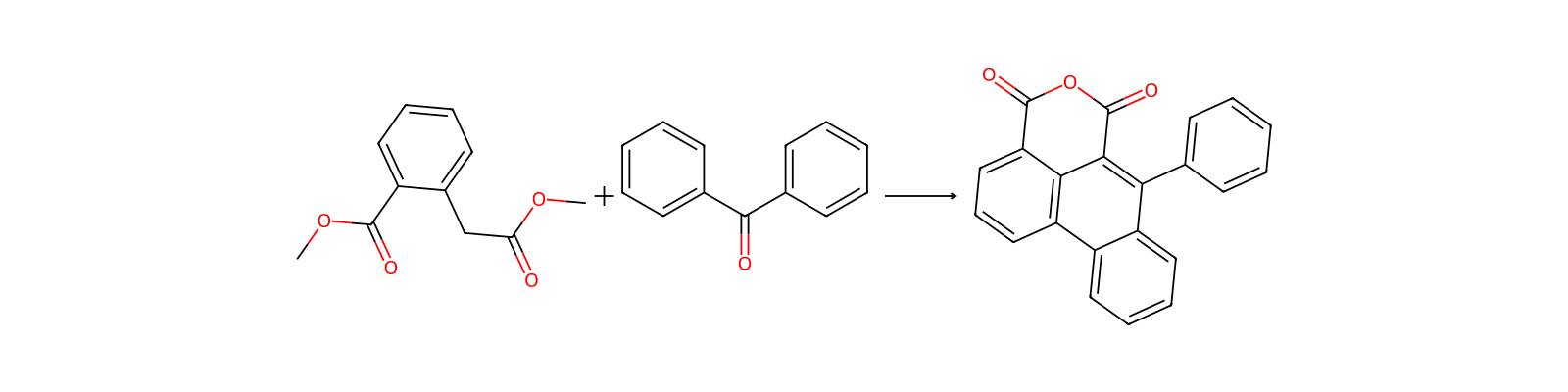
定義ChEBI: Benzophenone is the simplest member of the class of benzophenones, being formaldehyde in which both hydrogens are replaced by phenyl groups. It has a role as a photosensitizing agent and a plant metabolite.
関連反応
452 件


関連ノート
読み込み中…