
白金(IV)ジオキシド
Adams' catalyst

基本情報
- CAS
1314-15-4- 標準SMILES
[O]=[Pt]=[O]- InChIKey
YKIOKAURTKXMSB-UHFFFAOYSA-N- 分子式
- O2Pt
- 平均分子量
- 227.08 g/mol
- 単同位体質量
- 226.95462034
名称と識別子
- 優先名称
- Adams' catalyst
- IUPAC
- dioxoplatinum
- 現地名
- 白金(IV)ジオキシド
- 英語名
- Platinum dioxide
- 分子式
- O2Pt
- 分子量
- 227.08
名称と別名
Platinum(IV) oxide1314-15-4dioxoplatinumAdams' catalystAdams CatalystPlatinic oxideplatinum (iv) oxidePlatinium oxideMFCD00011184platinum(iv) dioxidePlatinium oxide, PtO2Platinum(iv)oxide
名称をさらに表示
酸化白金(IV)二酸化白金白金(II)オキシド白金(IV)ジオキシドアダムス触媒酸化白金(Ⅳ)PLATINUM(IV) OXIDE, ANHYDROUS, PREMION®, 99.95% (METALS BASIS), PT 84.4% MIN酸化白金(IV), 無水, Premion®, 99.95% (metals basis), Pt 84.4% minジオキソ白金PtO2PLATINUM OXIDE1341-15-4ADAM'S CATALYSTplatinum(iv) oxide monohydrate, adams catalyst
Bis(oxido)platinumplatinum (IV)oxideplatinum(IV)-oxidePlatinum-(IV)-oxidePlatinum (1V) oxideplatinum (IV) dioxidePlatinum( cento) oxideSCHEMBL72223
データベース識別子
- CAS
1314-15-4- PubChem CID
- 345198
- DTXSID
DTXSID40904275- EC Number
- 215-223-0
- Nikkaji
- J96.441G
物性
構造計算による物性
- 極性表面積
- 34.1 Ų
- 水素結合供与体数
- 0
- 水素結合受容体数
- 2
- 回転可能結合数
- 0
- 重原子数
- 3
- 形式電荷
- 0
- 複雑度
- 18.3
実験および物理化学的性質
Chemical ClassesMetals -> Metals, Inorganic Compounds
Food Contact SubstancesFCS -> FDA Inventory of Effective Food Contact Substance (FCS) Notifications
Physical DescriptionMonohydrate: Black solid; [Merck Index] Black odorless powder; Insoluble in water; [MSDSonline]
物理化学的性質
- 融点
- 450 °C · 450 °C (lit.)
- 比重(密度)
- 10.2 · 10.2
- 貯蔵温度
- 2 · under inert gas (nitrogen or Argon) at 2-8°C
- 外見
- 結晶性
- 色
- ダークブラウン
- 水溶解度
- 苛性カリ溶液に可溶。水、酸、王水に不溶。
- 晶系
- 直方
- Merck
- 14 · 14,7527
- 空间群
- Pnnm
- 晶格常数
- 30.4486 · a/nmb/nmc/nmα/oβ/oγ/oV/nm30.44860.45370.31389090900.0639
- 安定性
- 可燃物に触れると、火災の原因となることがあります。有機材料、粉末金属とは相容れない。
- InChI
- InChI=1S/2O.Pt
- InChIKey
- WNVYCMIJBVIKSY-UHFFFAOYSA-N
安全と法規制
安全情報は参考情報です。供給元の安全データシート(SDS)、適用法令、専門家による評価に代わるものではありません。
GHS分類
GHS Classification
This chemical does not meet GHS hazard criteria for 3% (8 of 269) of reports.
Danger
H271 (75.5%): May cause fire or explosion; strong Oxidizer [Danger Oxidizing liquids; Oxidizing solids]
P210, P220, P264+P265, P280, P283, P305+P351+P338, P306+P360, P337+P317, P370+P378, P371+P380+P375, P420, and P501 (click each P-code to see the statement)
Aggregated GHS information provided per 269 reports by companies from 9 notifications to the ECHA C&L Inventory. Each notification may be associated with multiple companies.
危険有害性情報
Regulatory Information
Chemical: Platinum oxide (PtO2)
Status: Active Update: 27-01-2022 https://echa.europa.eu/registration-dossier/-/registered-dossier/18998
Platinum (IV) oxide: Does not have an individual approval but may be used under an appropriate group standard
Other Safety InformationIMAP assessments - Platinum oxide (PtO2): Environment tier I assessment
Hazards SummaryA skin irritant; Corrosive to eyes; [eChemPortal: ERMA] An oxidizing agent; May cause fire on contact with combustible material; An irritant; May cause skin sensitization; [MSDSonline]
Hazard Classes and CategoriesOx. Sol. 1 (75.5%)
毒性情報
Adverse EffectsSkin Sensitizer - An agent that can induce an allergic reaction in the skin.
安全データ
- wgk
- 2
化学と産業
用途と製造
Uses
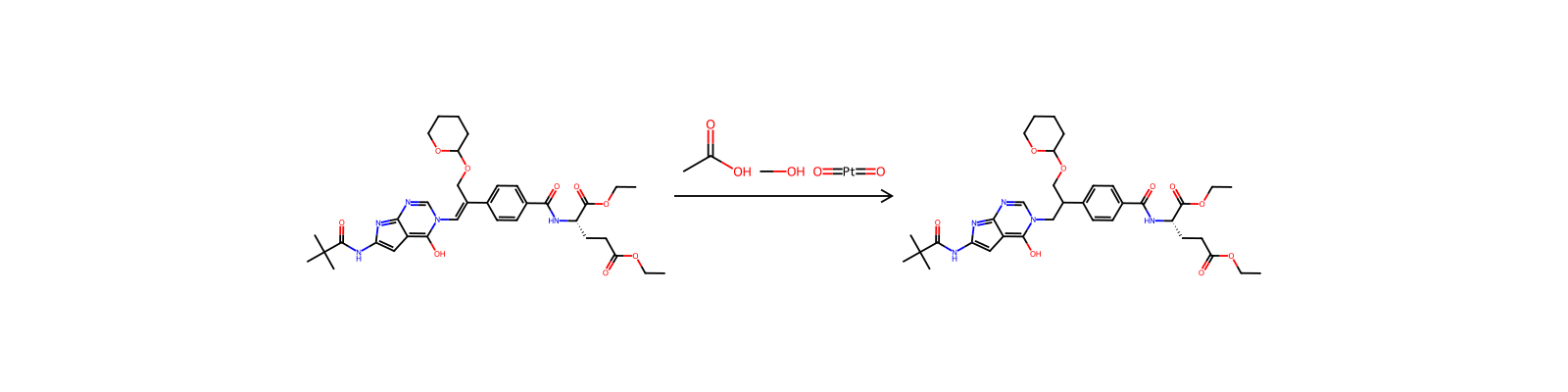
Used as a hydrogenation catalyst; [Merck Index] Platinum(IV) oxide hydrate (PtO2.H2O) is a hydrogenation catalyst. Other platinum oxides have little commercial use: Platinum(II) oxide (PtO) and platinum(II) oxide hydrate (PtO.H2O). [Ullmann]
General Manufacturing InformationPlatinum oxide (PtO2): ACTIVE
応用分野
解説アダムス触媒,アダムスショクバ, アダムス白金またはアダムスの酸化白金ともいう.ヘキサクロロ白金(Ⅳ)酸H2PtCl6に硝酸ナトリウムを加え,450~600 ℃ に加熱,分解してつくった酸化白金(Ⅳ)PtO2,またはこれを水素で還元して白金黒にしたもので,接触還元の触媒として使われる.
用途プラチナ酸化物はその優れた触媒特性のために多くの化学反応で広く使用されています例えば自動車の排気ガスを浄化するための触媒コンバーターに使用されることが多く有害な排出物を無害な物質に変換しますまた燃料電池の電極材料としても重要で再生可能エネルギー技術の発展に貢献しています
使用As catalyst in hydrogenations. The actual catalyst is platinum black which is formed in situ by reduction of the PtO2 by the hydrogen used for the hydrogenation. Especially useful for reduction at room tempereture and hydrogen pressures up to 4 atmospheres. Suitable for the reduction of double and triple bonds, aromatic nuclei, carbonyl groups, nitro groups, and nitriles.
一般的な説明Platinum(IV) oxide has been used for the reduction of citernyl bromide to form (S)-3,7-dimethyloctylbromide. Prepared by Adams′ nitrate fusion method.
調製方法
PtO2 is obtained by reduction in chloroplatinic acid with formaldehyde or by fusing chloroplatinic acid with sodium nitrate.
上流・下流製品情報
上流原料
関連反応
2,325 件



化合物ノート
読み込み中…