
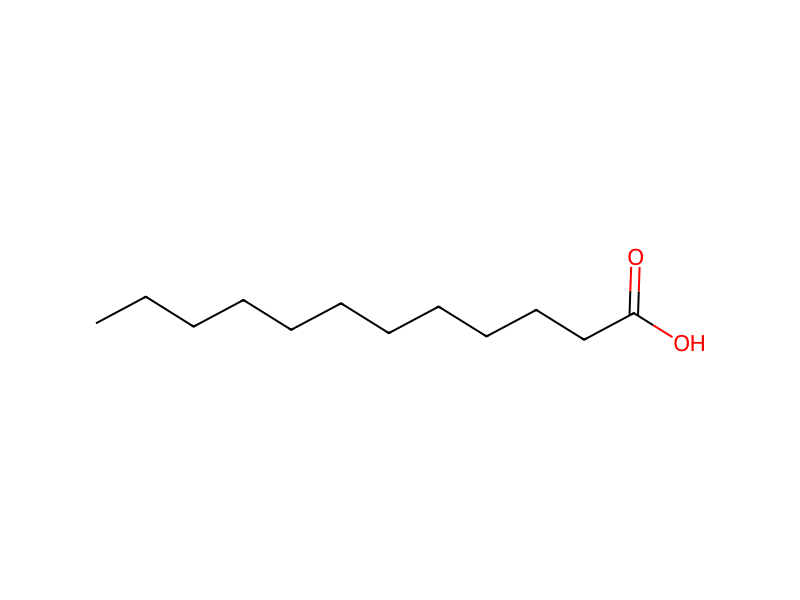
基本情報
- 標準SMILES
CCCCCCCCCCCC(=O)O- InChIKey
POULHZVOKOAJMA-UHFFFAOYSA-N- 分子式
- C12H24O2
- 平均分子量
- 200.32 g/mol
- 単同位体質量
- 200.17763001
概要
Lauric acid is a white solid with a slight odor of bay oil. (USCG, 1999)
名称と識別子
- 優先名称
- Lauric Acid
- IUPAC
- dodecanoic acid
- 現地名
- ラウリン酸
- 英語名
- Lauric acid
- 分子式
- C12H24O2
- 分子量
- 200.32
名称と別名
lauric acidDODECANOIC ACID143-07-7n-Dodecanoic acidDodecylic acidLaurostearic acidVulvic acidDodecoic acidDuodecylic acid1-Undecanecarboxylic acidAliphat No. 4Ninol AA62 Extra
名称をさらに表示
ラウリン酸ドデカン酸ラウロステアリン酸ドデシル酸ラウリン酸 ドデカン酸N-ドデカン酸ドデカン酸(ラウリン酸)ラウリン酸標準品ラウリン酸, ヤシ由来ドデカン酸標準品C12Emery651FEMA 2614Fatty acid methyl ester sulfonate (MES)dodecanoic acid (lauric acid)
Wecoline 1295Hydrofol acid 1255Hydrofol acid 1295Univol U-314Duodecyclic acidHystrene 9512Lauric acid, pureLaurinsaeure
データベース識別子
- CAS
143-07-7、203714-07-2、7632-48-6、8000-62-2、8045-27-0- PubChem CID
- 3893
- DTXSID
DTXSID5021590- ChEBI
CHEBI:30805- UNII
- 1160N9NU9U
- EC Number
- 205-582-1、606-539-3、616-324-6、616-778-5、617-074-0
- Nikkaji
- J2.548H
物性
構造計算による物性
- XLogP
- 4.2
- 極性表面積
- 37.3 Ų
- 水素結合供与体数
- 1
- 水素結合受容体数
- 2
- 回転可能結合数
- 10
- 重原子数
- 14
- 形式電荷
- 0
- 複雑度
- 132
実験および物理化学的性質
Chemical ClassesOther Classes -> Organic Acids
DrugsPharmaceuticals -> Listed in ZINC15
Lipids
Lipids -> Unambiguous Lipids
Fatty Acyls [FA] -> Fatty Acids and Conjugates [FA01] -> Straight chain fatty acids [FA0101]
Polymers
Plastics -> Other functions -> Emulsifier
Plastics -> Polyolefin-I; Polyolefin-II
Cosmetics
Cosmetic ingredients (Lauric Acid) -> CIR (Cosmetic Ingredient Review)
Surfactant; Emulsifying; Cleansing
SpringerMaterials PropertiesBoiling point
FragrancesFragrance Ingredient (Lauric acid) -> IFRA transparency List
Pesticides
Agrochemicals -> Pesticide active substances
Active substance -> EU Pesticides database: Not approved
LogP
log Kow = 4.60
4.60
4.92
OdorCharacteristic, like oil of bay
Food AdditivesFLAVOR ENHANCER, FLAVORING AGENT OR ADJUVANT, LUBRICANT OR RELEASE AGENT, SURFACE-ACTIVE AGENT -> FDA Substance added to food
Density
0.883 (USCG, 1999) - Less dense than water; will float
0.8679 g/cu cm at 50 °C
物理化学的性質
- 融点
- 44 · 44-46 °C (lit.)
- 沸点
- 225 °C/100 · 225 °C/100 mmHg (lit.)
- 比重(密度)
- 0.883 g/mL · 0.883 g/mL at 25 °C (lit.)
- 蒸気圧
- 1 mm · 1 mm Hg ( 121 °C)
- 屈折率
- 1.4304 · 1.4304
- FEMA
- 2614 · 2614 | LAURIC ACID
- 闪点
- 230 °F · >230 °F
- 貯蔵温度
- 2 · 2-8°C
- 溶解性
- 4.81 mg/l · 4.81mg/l
- 外見
- フレークの結晶性粉末
- 酸解離定数(Pka)
- 4.92 · pKa 4.92(H2O,t =25.0) (Uncertain)
- 比重
- 0.883 · 0.883
- 色
- 白い
- 臭い (Odor)
- 100 %で。マイルドな脂肪質のココナッツベイオイル · 100.00%で。マイルドな脂肪質のココナッツベイオイル
- においのタイプ
- 脂肪の多い
- 由来生物
- plant
- 爆発限界(explosive limit)
- 0.6 % · 0.6%(V)
- 水溶解度
- 不溶性
- 比熱容量
- 2.02 J/ · Cp(crystal): 2.02 J/(g·K), at 25℃
- JECFA Number
- 111 · 111
- Merck
- 14 · 14,5384
- BRN
- 1099477 · 1099477
- Henry's Law Constant
- 4.5 · 4.5×100 mol/(m3Pa) at 25℃, Hilal et al. (2008)
- 安定性
- 安定。可燃性。塩基、酸化剤、還元剤と相容れない。
- 主な用途
- 洗浄剤化粧品フレーバーそして香料食品および飲料パーソナルケア
- 化粧品成分の機能
- 界面活性剤 - 洗浄クレンジング界面活性剤 - 乳化剤
- InChI
- 1S/C12H24O2/c1-2-3-4-5-6-7-8-9-10-11-12(13)14/h2-11H2,1H3,(H,13,14)
- InChIKey
- POULHZVOKOAJMA-UHFFFAOYSA-N
- SMILES
- CCCCCCCCCCCC(O)=O
- LogP
- 5 · 5
- CAS データベース
- 143 · 143-07-7(CAS DataBase Reference)
- NISTの化学物質情報
- Dodecanoic acid(143-07-7)
- EPAの化学物質情報
- Lauric acid (143-07-7)
化学的性質
化学的特性Like many other fatty acids, lauric acid is inexpensive, has a long shelf-life, and is non-toxic and safe to handle. It is mainly used for the production of soaps and cosmetics. For these purposes, lauric acid is neutralized with sodium hydroxide to give sodium laurate, which is a soap. Most commonly, sodium laurate is obtained by saponification of various oils, such as coconut oil. These precursors give mixtures of sodium laurate and other soaps.
安全と法規制
GHS分類
GHS Classification
This chemical does not meet GHS hazard criteria for 1.5% (38 of 2566) of reports.
Danger
H315 (13.3%): Causes skin irritation [Warning Skin corrosion/irritation]
P264, P264+P265, P280, P302+P352, P305+P351+P338, P305+P354+P338, P317, P321, P332+P317, P337+P317, and P362+P364 (click each P-code to see the statement)
Aggregated GHS information provided per 2566 reports by companies from 24 notifications to the ECHA C&L Inventory. Each notification may be associated with multiple companies.
危険有害性情報
Regulatory Information
Chemical: Dodecanoic acid
Dodecanoic acid is listed on the EPA's Chemical Data Reporting (CDR) system. Manufacturers and importers of Dodecanoic acid are required to report information about their production and use of this chemical to the EPA under the Toxic Substances Control Act (TSCA). (40 eCFR Part 711)
2008/127, Reg. (EU) 2017/195, Reg. (EU) 2020/1160, Reg. (EU) 2023/1446, Reg. (EU) 2024/1280, Reg. (EU) 2024/2221, Reg. (EU) No 540/2011
Status: Active Update: 19-04-2023 https://echa.europa.eu/registration-dossier/-/registered-dossier/15262
Dodecanoic acid: Does not have an individual approval but may be used under an appropriate group standard
Other Safety InformationIMAP assessments - Dodecanoic acid: Human health tier I assessment
Fire HazardsBehavior in Fire: May cause dust explosion. (USCG, 1999)
Fire Potential
Combustible when exposed to heat or flame.
Combustible
Health HazardsMay be harmful by inhalation, ingestion or skin absorption. Vapor or mist is irritating to eyes, mucous membrane and upper respiratory tract. Causes eye and skin irritation. (USCG, 1999)
Hazards SummaryA skin, eye, and respiratory tract irritant; [CAMEO] MAK-3A (Could be carcinogenic for man but not conclusive because of insufficient data); [MAK] A mild irritant; [MSDSonline]
FDA Requirements
Lauric acid is a food additive permitted for direct addition to food for human consumption, as long as 1) the quantity of the substance added to food does not exceed the amount reasonably required to accomplish its intended physical, nutritive, or other technical effect in food, and 2) any substance intended for use in or on food is of appropriate food grade and is prepared and handled as a food ingredient.
Reactive GroupAcids, Carboxylic
Special ReportsCosmetic Ingredient Review; Final Report of the Cosmetic Ingredient Review Expert Panel; Final Report on the Safety Assessment of Oleic Acid, Lauric Acid, Palmitic Acid, Myristic Acid, and Stearic Acid; June 2005.
EPA Safer ChemicalChemical: Dodecanoic acid
FIFRA RequirementsThe following inert ingredient is also eligible for inclusion in FIFRA Section 25(b) pesticide products applied to food use sites (e.g., food crops, animals used for food, etc.): lauric acid.
Reactivity Profile
LAURIC ACID is a carboxylic acid. Carboxylic acids donate hydrogen ions if a base is present to accept them. They react in this way with all bases, both organic (for example, the amines) and inorganic. Their reactions with bases, called "neutralizations", are accompanied by the evolution of substantial amounts of heat. Neutralization between an acid and a base produces water plus a salt. Carboxylic acids in aqueous solution and liquid or molten carboxylic acids can react with active metals to form gaseous hydrogen and a metal salt. Such reactions occur in principle for solid carboxylic acids as well, but are slow if the solid acid remains dry. Even "insoluble" carboxylic acids may absorb enough water from the air and dissolve sufficiently in it to corrode or dissolve iron, steel, and aluminum parts and containers. Carboxylic acids, like other acids, react with cyanide salts to generate gaseous hydrogen cyanide. The reaction is slower for dry, solid carboxylic acids. Insoluble carboxylic acids react with solutions of cyanides to cause the release of gaseous hydrogen cyanide. Flammable and/or toxic gases and heat are generated by the reaction of carboxylic acids with diazo compounds, dithiocarbamates, isocyanates, mercaptans, nitrides, and sulfides. Carboxylic acids, especially in aqueous solution, also react with sulfites, nitrites, thiosulfates (to give H2S and SO3), dithionites (SO2), to generate flammable and/or toxic gases and heat. Their reaction with carbonates and bicarbonates generates a harmless gas (carbon dioxide) but still heat. Like other organic compounds, carboxylic acids can be oxidized by strong oxidizing agents and reduced by strong reducing agents. These reactions generate heat. A wide variety of products is possible. Like other acids, carboxylic acids may initiate polymerization reactions; like other acids, they often catalyze (increase the rate of) chemical reactions. This compound can react with oxidizing materials. (NTP, 1992)
安全と保護具
Fire FightingFire Extinguishing Agents: Carbon dioxide, dry chemical, alcohol foam, water spray. (USCG, 1999)
First Aid
EYES: First check the victim for contact lenses and remove if present. Flush victim's eyes with water or normal saline solution for 20 to 30 minutes while simultaneously calling a hospital or poison control center. Do not put any ointments, oils, or medication in the victim's eyes without specific instructions from a physician. IMMEDIATELY transport the victim after flushing eyes to a hospital even if no symptoms (such as redness or irritation) develop.
Exposure Control and Personal Protection2.0 [mg/m3], inhalable fraction, (can also occur as vapor and aerosol)[German Research Foundation (DFG)]
Nonfire Spill ResponseNeutralizing Agents for Acids and Caustics: Sodium bicarbonate solution; flush with water. (USCG, 1999)
Disposal Methods
SRP: The most favorable course of action is to use an alternative chemical product with less inherent propensity for occupational exposure or environmental contamination. Recycle any unused portion of the material for its approved use or return it to the manufacturer or supplier. Ultimate disposal of the chemical must consider: the material's impact on air quality; potential migration in soil or water; effects on animal, aquatic, and plant life; and conformance with environmental and public health regulations.
The following wastewater treatment technology has been investigated for lauric acid: Concentration process: Biological treatment.
The following wastewater treatment technology has been investigated for lauric acid: Concentration process: Activated carbon.
The following wastewater treatment technology has been investigated for lauric acid: Concentration process: Resin adsorption.
Preventive Measures
SRP: The scientific literature for the use of contact lenses in industry is conflicting. The benefit or detrimental effects of wearing contact lenses depend not only upon the substance, but also on factors including the form of the substance, characteristics and duration of the exposure, the uses of other eye protection equipment, and the hygiene of the lenses. However, there may be individual substances whose irritating or corrosive properties are such that the wearing of contact lenses would be harmful to the eye. In those specific cases, contact lenses should not be worn. In any event, the usual eye protection equipment should be worn even when contact lenses are in place.
Personal Protective Equipment (PPE)Respirator, chemical safety goggles, boots and heavy rubber gloves. (USCG, 1999)
毒性情報
Interactions
...the effect of lauric acid on transdermal penetration of phenazepam /was studied/ in vivo. It was found that treatment with lauric acid 3-fold increased the maximum anticonvulsive effect of phenazepam applied in a transdermal therapeutic system in comparison with the control. Study of the pharmacokinetics of phenazepam transdermal therapeutic system showed its higher bioavailability in the presence of lauric acid (f=0.9).
The effect of two fatty acids, oleic acid and lauric acid (dodecanoic acid), on the transport of the cationic drug naphazoline, neutral caffeine, and anionic sodium salicylate, across excised human skin was studied using Franz diffusion cells. Both acids increased the in vitro skin permeation of all penetrants. Oil/water partitioning data and rotating diffusion cell measurements, in the presence of the fatty acids, suggested that the enhanced flux of the cationic naphazoline could be accounted for by an increase in lipophilicity through ion pairing with the carboxylate anion of the acid. Both neutral caffeine and sodium salicylate were incapable of forming ion pairs; consequently, increases in skin permeability are also due to a disruption of the stratum corneum. This conclusion was further supported by increased transepidermal water loss, and increased in vivo skin permeation of the non ion-pairing methyl nicotinate at skin sites treated with the fatty acids.
The transdermal absorption of bupranolol was studied in vitro using a model membrane and human skin samples; the effects of oleic acid and dodecanoic acid (lauric acid) on bupranololabsorption were also evaluated. Bupranolol diffused through skin samples rapidly. The transfer of bupranolol across the model membrane was enhanced in the presence of oleic acid and dodecanoic acid. They did not, however, significantly enhance the transfer across human skin samples.
Cytochromes P450IVA1 and IVA3 display 72% amino acid sequence similarity and are expressed in livers of rats treated with the hypolipidemic drug clofibrate. The catalytic activities of IVA1 and IVA3 were examined by cDNA-directed expression using vaccinia virus. cDNA-expressed IVA1 and IVA3 had relative Mrs of 51,500 and 52,000, respectively, on SDS-polyacrylamide gels. Both enzymes displayed reduced, CO-bound absorption spectra with lambda max of 452.5 nm. IVA1 and IVA3 hydroxylated lauric acid at the omega and omega-1 positions with equivalent omega/omega-1 ratios of about 12.5. IVA1 had a substrate turnover of 21/min which was about fourfold higher than that of IVA3. The omega and omega-1 hydroxylation of palmitic acid was also catalyzed by these P450s with combined turnover numbers for both metabolites of 45/min or 18/min for IVA1 and IVA3, respectively. The omega/omega-1 oxidation ratio of IVA1 for palmitate was 1.25 which was almost fourfold higher than that obtained for IVA3. These enzymes also catalyzed omega oxidation of the physiologically important eicosanoids prostaglandins E1 and F2 alpha with turnover numbers of about one-tenth those calculated for fatty acid oxidations. No omega-1 hydroxy metabolites were produced. These studies indicate that the P450 enzymes IVA1 and IVA3 are able to catalyze the oxidations of both fatty acids and prostaglandins.
The influence of ciprofibrate, a potent oxyisobutyrate derivative, on several hepatic enzyme parameters was studied in five rat strains following a 14 day treatment period. Ciprofibrate dependent hepatomegaly was observed at two dose levels (2 and 20 mg/kg) in all rat strains examined. A 10 to 15-fold induction in the 12-hydroxylation of lauric acid with a less marked 1.5 to 5-fold induction of 11-hydroxylation was observed in treated animals. This dose-dependent increase in fatty acid hydroxylase activity was associated with a maximal 10-fold increase in the specific content of cytochrome p-450 IVA1 isoenzyme apoprotein, as assessed immunochemically using an ELISA technique. The activities of the cytochrome p-450 I (IA1 and IA2) and II (IIB1 and IIB2) families, as measured by ethoxyresorufin-O-deethylase and benzphetamine-N-demethylase activities respectively, were decreased on treatment. In the mitochondria, monoamine oxidase activity was significantly decreased at the higher dose level whereas alpha-glycerophosphate dehydrogenase activity was elevated. Total carnitine acetyltransferase activity (mitochondrial and peroxisomal) and peroxisomal beta-oxidation were markedly increased at both dose levels in all strains examined. Cytosolic glutathione peroxidase activity, measured using both t-butylhydroperoxide and hydrogen peroxide as substrates, was decreased on treatment to approximately 50% of the control value. In treated animals, a marked increase in mRNA levels coding for cytochrome p-450 IVA1 and the peroxisomal bifunctional protein of the fatty acid beta-oxidation spiral was observed. However, mRNA levels coding for glutathione peroxidase appeared unchanged following ciprofibrate administration, in contrast to the above-noted decrease of glutathione peroxidase enzyme activity. Taken collectively, our results have further substantiated a close association between the induction of microsomal cytochrome p-450 IVA1, peroxisomal beta-oxidation and total carnitine acetyltransferase activity in rat liver, and have performed a conceptual basis for the rationalization of the chronic toxicity of peroxisome proliferators in this species.
Ecotoxicity Values
EC50; Species: Xenopus laevis (African clawed frog, embryo); Conditions: freshwater, renewal, pH 7.0-7.8; Concentration: 21300 ug/L for 96 hr (20000-23000 ug/L); Effect: increased developmental changes, general (craniofacial defects, abnormal gut coiling) /> or =98% purity/
LC50; Species: Xenopus laevis (African clawed frog, embryo); Conditions: freshwater, renewal, pH 7.0-7.8; Concentration: 32100 ug/L for 96 hr (31000-33000 ug/L) /> or =98% purity/
EC50; Species: Daphnia magna (Water flea, age <24 hr); Conditions: freshwater, static; Concentration: 16900 ug/L for 48 hr (13000-22000 ug/L); Effect: intoxication, immobilization
LC50; Species: Lepomis macrochirus (Bluegill); Conditions: freshwater, static; Concentration: 35000 ug/L for 96 hr (25000-50000 ug/L)
For more Ecotoxicity Values (Complete) data for DODECANOIC ACID (8 total), please visit the HSDB record page.
Environmental Fate
TERRESTRIAL FATE: Based on a classification scheme(1), an estimated Koc value of 7,600 for the free acid(SRC), determined from a log Kow of 4.60(2) and a regression-derived equation(3), indicates that undissociated dodecanoic acid is expected to be immobile in soil(SRC). The pKa of dodecanoic acid is 5.3(4), indicating that this compound will exist almost entirely in anion form in the environment and anions generally do not adsorb more strongly to soils containing organic carbon and clay than their neutral counterparts(5). Volatilization of dodecanoic acid from moist soil surfaces is not expected to be an important fate process(SRC) based on the pKa. Dodecanoic acid is not expected to volatilize from dry soil surfaces(SRC) based upon a vapor pressure of 1.6X10⁻⁵ mm Hg(6). Dodecanoic acid had a one-day theoretical BOD of 6.1% in a Warburg respirometer using activated sludge inocula(7), and a 100% TOC reduction in activated sludge within 100 hrs(8), suggesting biodegradation of dodecanoic acid an important environmental fate(SRC).
AQUATIC FATE: Based on a classification scheme(1), an estimated Koc value of 7,600 for the free acid(SRC), determined from a log Kow of 4.60(2) and a regression-derived equation(3), indicates that undissociated dodecanoic acid is expected to adsorb to suspended solids and sediment(SRC). A pKa of 5.30(4) indicates dodecanoic acid will exist almost entirely in the anion form at pH values of 5 to 9 and therefore volatilization from water surfaces is not expected to be an important fate process(5). According to a classification scheme(6), a BCF of 255 in zebrafish (Danio rerio)(7), suggests bioconcentration in aquatic organisms is high, provided the compound is not metabolized by the organism(SRC). Dodecanoic acid had a one-day theoretical BOD of 6.1% in a Warburg respirometer using activated sludge inocula(8), and a 100% TOC reduction in activated sludge within 100 hrs(9), suggesting biodegradation of dodecanoic acid is an important environmental fate process in water(SRC).
ATMOSPHERIC FATE: According to a model of gas/particle partitioning of semivolatile organic compounds in the atmosphere(1), dodecanoic acid, which has a vapor pressure of 1.6X10⁻⁵ mm Hg at 25 °C(2), will exist in both the vapor and particulate phases in the ambient atmosphere. Vapor-phase dodecanoic acid is degraded in the atmosphere by reaction with photochemically-produced hydroxyl radicals(SRC); the half-life for this reaction in air is estimated to be 27 hours(SRC), calculated from its rate constant of 1.4X10⁻¹¹ cu cm/molecule-sec at 25 °C(SRC) that was derived using a structure estimation method(3). Particulate-phase dodecanoic acid may be removed from the air by wet or dry deposition(SRC). Dodecanoic acid does not contain chromophores that absorb at wavelengths >290 nm and therefore is not expected to be susceptible to direct photolysis by sunlight(4).
Food Survey Values
Dodecanoic acid was found to be a volatile constituent of strawberries at a concn of 4.1 mg/kg and strawberry jam at a concn of 5.8 mg/kg(1). Dodecanoic acid is a constituent of mandarin oil(2) and coconut oil(3). Dodecanoic acid has been identified in mutton and beef volatiles(4). Dodecanoic acid was found in paprika oleoresin at <0.1 mg/kg(5). Dodecanoic acid was identified in raw beef using supercritical carbon dioxide extraction; 0.06% of the volatile fraction area was identified as dodecanoic acid(6). Dodecanoic acid was identified in roasted Chinese chestnuts (Castanea molissima)(7).
Toxicity Summary
The CIR Expert Panel concluded that the following ingredients are safe in the present practices of use andconcentration described in the safety assessment when formulated to be non-irritating and non-sensitizing, which may be basedon a QRA...Lauric Acid...
Safe for use in cosmetics, with qualifications
Average Daily Intake
Fatty acids are an important part of the normal daily diet of mammals, birds and invertebrates.
Annual consumption is 23,833.33 lb. Individual consumption is 0.02019 mg/kg/day.
Plant Concentrations
Dodecanoic acid is a constituent of Juniperus turkestanica essential oils(1), mandarin oil(1), coconut oil, arecanut fat, and Holoptelea integrifolia seed oil(2). Dodecanoic acid was found to be a volatile constituent of strawberries at a concn of 4.1 mg/kg(3). Dodecanoic acid was found in fine particulate abrasion products from green leaves at a concn of 64.5 ug/g and from dead leaves at a concn of 91.4 ug/g; samples collected were from trees characteristic of the Los Angeles, CA area(4).
Effluent Concentrations
Dodecanoic acid was qualitatively identified in effluents from four Illinois Publicly Owned Treatment Works (POTWs)(1). Dodecanoic acid has been detected in wastewater effluents from the paint and ink industry at a concn of 434 ng/uL extract, the organics and plastics industry at a concn of 123,836 ng/uL extract, textile mills at a concn of 39 ng/uL extract, the soaps and detergents industry at a concn of 14,979 ng/uL extract, auto and other laundries at a concn of 61 ng/uL extract, pesticide manufacturing at a concn of 207 ng/uL extract, the pharmaceutical industry at a concn of 45 ng/uL extract, porcelain and enameling industry at a concn of 69 ng/uL extract, and the amusements and athletic goods industry at a concn of 1,096 ng/uL extract(2). Dodecanoic acid has been qualitatively identified in advanced waste treatment concentrates from Orange County, CA on February 3, 1976(3). Dodecanoic acid was found at a concn of 14 ng/L in wastewater from shale oil processing(4). Dodecanoic acid was identified in effluents and sludge being discharged into the Lake Michigan water basin(5). Wastewater effluents collected from the Los Angeles County waste treatment plant in 1980 and 1981 contained dodecanoic acid levels of 1,000 ug/L(6). Monitoring of effluents from a coal-fired power plant found dodecanoic acid at a concn of 80-800 ng/cu m in the vapor-phase and 90 ng/cu m in the particulate phase; 26 extracts were measured in the vapor phase and only one was measured in the particulate phase(7). Dodecanoic acid was found at a concn of 11-64 ug/L in wastewater at the Iona treatment plant in Vancouver, British Columbia(8). Dodecanoic acid was found at a maximum concn of 117 ng/L in groundwater contaminated by industrial wastes near Barcelona, Spain(9). Dodecanoic acid was identified in the emissions of a municipal waste incineration plant in Germany as having a concn of 0.94 ug/cu m(10).
Charbroiling of extra-lean and regular hamburger was found to emit 10.0-33.0 mg dodecanoic acid/kg meat(1). Frying of extra-lean and regular hamburger was found to emit 2.1 mg dodecanoic acid/kg meat; it was suggested that meat cooking operations comprises up to 21% of the total organic aerosol emissions in Los Angeles, CA(1). Dodecanoic acid was found in candle smoke from paraffin and beeswax at 0.37 and 0.49 mg/g of organic compounds(2). Dodecanoic acid was found in wood smoke from red maple(3), red oak(3), paper birch(3), white pine(3), hemlock(3), balsam fir(3), yellow poplar(4), white ash(4), sweet gum(4), mockernut hickory(4), loblolly pine(4), and slash pine(4). Dodecanoic acid was detected in wood smoke from pine, oak and synthetic logs at 1.85, 1.65 and 1.41 mg/kg of wood burnt(5). Dodecanoic acid was found in extract from a pine wood burning campfire at 450 ng/g(6). Dodecanoic acid was found at 1080 ug/g from heated roofing tar pot fumes(7). Dodecanoic acid was found in the fine aerosols from boilers burning number 2 distillate fuel oil at a rate of 1349.4 pg/kJ (burning at 58% capacity with 6.5% excess oxygen in stack gases) and a rate of 157.2 pg/kJ (burning at 54% capacity with 7.1% excess oxygen in stack gases)(8). Fine particle emission rates for dodecanoic acid from a natural gas-fired water heater and a natural gas-fired space heater were determined(9). A HEPA-filtered dilution air sample emission rate for dodecanoic acid was determined to be 6.9 pg/kJ; the emission rate for dodecanoic acid through the first filter was determined to be 120.7 pg/kJ; the emission rate for dodecanoic acid through the backup filter was 56.2 pg/kJ(9). Dodecanoic acid was found in gas and particulate matter effluents from commercial-scale meat charbroiling operations at 4,610 and 1,850 ug/kg meat cooked, respectively(10).
Dodecanoic acid was emitted from motor vehicles in the Van Nuys tunnel in Los Angeles at 302.9 mg/L on Sept 21, 1993(1). Fine particulate aerosol emission rates for dodecanoic acid from noncatalyst automobiles, catalyst automobiles, and heavy-duty diesel trucks were determined to be 5.5, 41.4, and 71.5 ug/km, respectively(2). Dodecanoic acid was identified in tire wear particles, brake lining particles, and road dust particles at concns of 136.5, 12.5, and 105.3 ug/g of particle sample, respectively(3). Dodecanoic acid was emitted from medium duty diesel trucks at 58.5 ug/km(4).
Soil Adsorption/Mobility
The Koc of undissociated dodecanoic acid is estimated as 7,600 for the free acid(SRC), using a log Kow of 4.60(1) and a regression-derived equation(2). According to a classification scheme(3), this estimated Koc value suggests that undissociated dodecanoic acid is expected to be immobile in soil. The pKa of dodecanoic acid is 5.3(4) , indicating that this compound will exist almost entirely in anion form in the environment and anions generally do not adsorb more strongly to soils containing organic carbon and clay than their neutral counterparts(5).
Natural Pollution Sources
... occuring in many vegetable fats as the glyceride, especially in coconut oil and laurel oil
Dodecanoic acid is a constituent of Juniperus turkestanica essential oils, mandarin oil(1), coconut oil, arecanut fat, Holoptelea integrifolia seed oil(2), and strawberries(3). Dodecanoic acid was found in fine particulate abrasion products from green leaves at a concn of 64.5 ug/g and from dead leaves at a concn of 91.4 ug/g; samples collected were from trees characteristic of the Los Angeles, CA area(4). The compound is a carboxylic acid that is also known as a fatty acid because fatty acids were first isolated by the hydrolysis of naturally occurring fats(5). Fatty acids are widely distributed in nature as components of animal and vegetable fats(6) including lipids such as oils and fats, waxes, sterol esters and other minor compounds(5).
Atmospheric Concentrations
URBAN/SUBURBAN: Dodecanoic acid had an average concentration of 12.1 ng/cu m in 4 urban sites from southern CA from samples taken Sept 8-9, 1993(1). Atmospheric samples taken Dec 26-28, 1995 and Jan 4-6, 1996 in Fresno, CA had dodecanoic acid concentrations of 0.905 and 0.522 ng/cu m and samples taken in Bakersfield had 0.803 and 0.735 ng/cu m, respectively(2). The average ambient annual concn of dodecanoic acid in fine particles collected from West Los Angeles, downtown Los Angeles, Pasadena, and Rubidoux, CA in 1982 was 3.7, 5.3, 7.0, and 6.3 ng/cu m, respectively(3). Dodecanoic acid was found in Vienna, Austria at 14 ng/cu m from samples taken June 1997(4).
RURAL/REMOTE: Dodecanoic acid was qualitatively identified in air samples from a 45 year old spruce forest in Germany on January 11, 1988 at a height of 1 m(1). Dodecanoic acid was found on aerosols obtained over Chacaltaya, Bolivia with a mean concn of 1.6 ng/cu m(2). The average ambient concn was reported to be 0.5-10.3 ng/cu-m for dodecanoic acid(3). Dodecanoic acid was found in 32% of samples taken near a lighthouse in Fajardo and was also detected in the open ocean off the south coast of Puerto Rico(4). Atmospheric samples taken Dec 26-28, 1995 and Jan 4-6, 1996 in Kern Wildlife Refuge, CA had 0.812 and 0.660 ng/cu m of dodecanoic acid(5). The average ambient annual concn of dodecanoic acid in fine particles collected from San Nicolas Island , CA in 1982 was 0.19 ng/cu m(6). Dodecanoic acid was found at 4.8 ng/cu m from Sonnblick Observatory, Austria in samples taken May 1997(7). Dodecanoic acid was measured in the gas form at 0.90, 0.71 and 0.31 ng/cu m and in the aerosol form at 0.40, 0.78, and 1.24 ng/cu m at 6AM to 12PM, 12PM to 6PM, and 6PM to 6AM, respectively, in samples taken July 27 to August 8, 1998 in the Pertouli area of the Agrafa Mountains, Greece(8).
Human Toxicity Excerpts
/HUMAN EXPOSURE STUDIES/ In a modified Shelanski Repeat Insult Patch Test (RIPT) of a 1% aqueous dilution of a liquid soap formulation containing 1.95% lauric acid on intact and abraded skin of the backs of 52 human subjects, no primary or cumulative skin irritation and no sensitization were observed. Approximately 0.2 mL of the preparation was applied to occlusive induction and challenge patches. A total of 12 24-hr induction patches were administered for 3 weeks, 4 times per week from Monday through Thursday. Sites were scored before application of the next patch. No patches were applied from Friday to Sunday of each week. A total of 4 24-hr challenge patches were applied to a new site on the 4th week, after a 72-hr nontreatment period, from Monday through Thursday. Of the 52 subjects who began the study, 46 subjects were present for the completion of the study.
/HUMAN EXPOSURE STUDIES/ ... Two laboratories conducted a direct comparison study of the acute irritation potential of three structurally related, undiluted fatty acids (octanoic acid, decanoic acid, and dodecanoic acid) in comparison to a benchmark positive control chemical (20% sodium dodecyl sulfate (SDS)). The studies were run within a 4-month period using the same commercial source of test chemicals. Test subjects were treated with each chemical under occluded patch conditions for gradually increasing exposure duration up to 4 hours. The results were then evaluated in terms of total cumulative incidence of positive responses and time response patterns. Using statistical comparisons of the proportion of the subjects with a positive irritant reaction to each substance, the rank order of irritation potential was decanoic acid > / = octanoic acid > SDS >> ... dodecanoic acid ...
/EPIDEMIOLOGY STUDIES/ To evaluate the relation between intake and adipose tissue composition of fatty acids and acute myocardial infarction in Portuguese men a case-control study /was conducted/. Diet was assessed using a semiquantitative food frequency questionnaire. In 49 case and 49 control subjects, adipose tissue composition was assessed by gas-liquid chromatography. SUBJECTS/SETTING: Population-based; subjects were 297 consecutively admitted cases of first acute myocardial infarction in a tertiary care hospital who were aged>or=40 years. Three hundred ten community controls were selected by random-digit dialing. MAIN OUTCOME MEASURE: Odds ratio (OR). STATISTICAL ANALYSIS PERFORMED: Logistic regression, adjusting for age, education, family history of acute myocardial infarction, smoking, physical activity, body mass index, and energy intake. RESULTS: Total fat intake (OR 0.45, fourth quartile, P=0.02), lauric acid (OR 0.44, fourth quartile, P=0.02), palmitic acid (OR 0.58, fourth quartile, P=0.03), and oleic acid (OR 0.42, fourth quartile, P=0.03) were inversely associated with acute myocardial infarction. No significant effects were found for the remaining fatty acids. In the adipose tissue composition data, the adjusted risk estimates of acute myocardial infarction for the highest vs the lowest tertile were 0.16, 0.14, and 0.04 for lauric, oleic, and trans-fatty acids, respectively. A significant direct association was found for palmitic and linoleic acids (adjusted ORs for the highest tertile were 9.02 and 3.63, respectively). ...: Low intake of total fat and lauric acid from dairy products was associated with acute myocardial infarction. The association of polyunsaturated fatty acids with risk of acute myocardial infarction was nonsignificant after adjustment for energy intake and confounders. Recommendations on fatty acid intake should aim for both an upper and lower limit.
/CASE REPORTS/ A health hazard evaluation report was prepared by the National Institute for Occupational Safety and Health (NIOSH) after environmental and medical observations and examinations of 7 employees exposed to Lauric Acid. Investigators found no significant decreases in pulmonary function, but interviews with workers indicated that lauric acid exposure caused local irritation of moist body surfaces (eye, nose, throat, sweaty skin). Severe irritation was reported by 1 worker after exposure of moist occluded skin areas to lauric acid. The suggested reason for the observed irritation was the acidity of lauric acid.
/ALTERNATIVE and IN VITRO TESTS/ ... the highest concentrations of various fatty acids that are non-toxic to two human leukemic cell lines, Jurkat (T-lymphocyte) and Raji (B-lymphocyte) /were determined/. Toxicity was evaluated by either loss of membrane integrity and/or DNA fragmentation using flow cytometric analysis. There were no remarkable differences for the toxicity of the fatty acids between B and T cell lines. The cytotoxicity of the fatty acids was related to the carbon chain length and number of double bonds: docosahexaenoic acid=eicosapentaenoic acid=arachidonic acid=gamma-linolenic acid=stearic acid=palmitic acid > linoleic acid=palmitoleic acid > vacenic acid=lauric acid > oleic acid > elaidic acid > capric acid > butyric acid > caprylic acid=caproic acid=propionic acid.
法規制情報
FDA Requirements
Lauric acid is a food additive permitted for direct addition to food for human consumption, as long as 1) the quantity of the substance added to food does not exceed the amount reasonably required to accomplish its intended physical, nutritive, or other technical effect in food, and 2) any substance intended for use in or on food is of appropriate food grade and is prepared and handled as a food ingredient.
FIFRA RequirementsThe following inert ingredient is also eligible for inclusion in FIFRA Section 25(b) pesticide products applied to food use sites (e.g., food crops, animals used for food, etc.): lauric acid.
安全データ
- wgk
- 1
- tsca
- TSCA listed
- rtecs
- OE9800000
- 毒性
- LD50 i.v. in mice: 131 ±5.7 mg/kg (Or, Wretlind)
- hs_code
- 29159010
- risk_code
- 36/38-41-36/37/38
- 化審法
- (2)-608 届出不要化学物質
- hazard_code
- Xi
- safety_code
- 37/39-26-39-36-36/39-24/25
- 自然発火温度
- 250 °C
- Hazard Classifications
- Eye Dam. 1
- ストレージクラス
- 11 - Combustible Solids
- 有毒物質データの
- 143-07-7(Hazardous Substances Data)
化学と産業
薬理情報
Mechanism of Action
It has been shown that polyunsaturated fatty acids such as arachidonic and docosahexanoic acids but not monounsaturated and saturated long-chain fatty acids promote basal and nerve growth factor (NGF)-induced neurite extension of PC12 cells, a line derived from a rat pheochromocytoma. On the other hand, short-chain fatty acids and valproic acid (2-propylpentanoic acid) enhance the growth of neurite processes of the cells only in the presence of inducers. In this study, we demonstrated that straight medium-chain fatty acids (MCFAs) at millimolar concentrations alone potently induced neuronal differentiation of PC12 cells. Hexanoic, heptanoic and octanoic acids dose-dependently induced neurite outgrowth of the cells: their maximal effects determined 2 days after addition to the culture medium were more marked than the effect of NGF. PC12 cells exposed to octanoic acid expressed increased levels of the neuronal marker beta-tubulin isotype III. Nonanoic, decanoic, and dodecanoic acids also induced growth of neurite processes, but their maximal effects were less marked than that of octanoic acid. In contrast, the polyunsaturated fatty acid linoleic acid and short-chain fatty acids had only slight or almost no effects on neurite formation in the absence of NGF. The effect of octanoic acid was synergistic with or additive to the effects of NGF and dibutyryl cyclic AMP. Octanoic acid upregulated phosphorylation of p38 mitogen-activated protein kinase (MAPK), extracellular signal-regulated kinase (ERK), and c-Jun N-terminal kinase (JNK), critical signaling molecules in neuronal differentiation, but not phosphorylation of Akt, a signaling molecule downstream of phosphatidylinositol 3-kinase (PI3K). Moreover, growth of neurites induced by octanoic acid was potently inhibited by treatment of cells with the p38 MAPK inhibitor SB203580 and the ERK kinase inhibitor PD98059 but not inhibited and only slightly inhibited by the JNK inhibitor SP600125 and the PI3K inhibitor wortmannin, respectively. Taken together, our results indicate that MCFAs, including octanoic acid, induced neurite outgrowth of PC12 cells in the absence of NGF and suggest that the activation of p38 MAPK and ERK pathways is involved in this process.
Metabolism/Metabolites
Various hypolipidemic agents differentially induced microsomal drug-metabolizing enzymes. Clofibrate, clofibric acid, fenofibric acid and dulofibrate, which are mainly hypotriglyceridemic, increased the content in cytochromes p450 (77-185% over control), and especially cytochrome p452-dependent lauric acid 12-hydroxylation (5.6 to 8.4-fold increase). Bilirubin glucuronidation was 2.1 to 2.8-fold stimulated; epoxide hydrolase activity (benzo(a)pyrene-oxide) was only slightly increased by the drugs. By contrast, F1379, which lowers plasma cholesterol only, did not change cytochromes p450 content and slightly affected the 12-hydroxylation of lauric acid. It dramatically enhanced the epoxide hydrolase activity (7.6-fold), and increased (200%) the glucuronidation of planar group I substrates (4-nitrophenol, 4-methylumbelliferone, 1-naphthol). These effects were accompanied by a highly positive staining of gamma-glutamyltransferase in the liver characterized by a great number of intensively colored foci in the periportal and perilobular area of the tissue. Treatment of rats for three weeks with F1379 did not modify this typical profile in enzyme induction. Such continuous effect could reveal some biochemical changes of hepatocytes with important toxicological relevance. Compared to the parent compound, treatment of rats with two metabolites of F1379 led to a decrease in the induction potency on epoxide hydrolase and on the forms of UDP-glucuronosyltransferase; by contrast, the content in cytochromes p450 was increased.
Omega-oxidation of fatty acids was assessed in rats. Aspirin increased liver free fatty acids and increased the capacity for omega-oxidation three to sevenfold. Omega-oxidation of long chain substrate was stimulated to a greater degree than medium chain substrate and was apparent within one day of treatment, at serum aspirin concentrations below the therapeutic range in humans. The apparent Km for lauric acid was 0.9 mM and 12 mM for palmitate. Ninety seven of the total laurate omega-oxidative activity recovered was found in the microsomes, but 32% of palmitate omega-oxidative activity was present in the cytosol. Aspirin is a potent stimulator of omega-oxidation. There may be multiple enzymes for omega-oxidation with overlapping substrate specificity.
... CYP6A8 was produced in Saccharomyces cerevisiae and enzymatically characterized after catalytic activity was reconstituted with D. melanogaster P450 reductase and NADPH. Although several saturated or non-saturated fatty acids were not metabolized by CYP6A8, lauric acid (C12:0), a short-chain unsaturated fatty acid, was oxidized by CYP6A8 to produce 11-hydroxylauric acid with an apparent V(max) of 25 nmol/min/nmol P450. This is the first report showing that a member of the CYP6 family catalyzes the hydroxylation of lauric acid. ...
Lauric acid has known human metabolites that include 12-Hydroxylauric acid.
Absorption, Distribution and Excretion
Fatty acids originating from adipose tissue stores are either bound to serum albumin or remain unesterified in the blood.
Oleic, palmitic, myristic, and stearic Acids are primarily transported via the lymphatic system, and lauric Acid is transported by the lymphatic and (as a free fatty acid) portal systems.
Proposed mechanisms for fatty acid uptake by different tissues range from passive diffusion to facilitated diffusion or a combination of both. Fatty acids taken up by the tissues can either be stored in the form of triglycerides (98% of which occurs in adipose tissue depots) or they can be oxidized for energy via the beta-oxidation and tricarboxylic acid cycle pathways of catabolism.
Tissue LocationsEpidermis
Cellular LocationsCytoplasm
Metabolite PathwaysAdrenoleukodystrophy, X-linked
用途と製造
Uses
CIR ingredient: Lauric Acid
This fatty acid is present in coconut oil and laurel oil. Used in alkyd resins, wetting agents, soaps, detergents, cosmetics, insecticides, and food additives; [Hawley]
Painting (Pigments, Binders, and Biocides) [Category: Paint]
Alkyd resins; wetting agents; soaps; detergents; cosmetics; insecticides; food additives.
Reported uses (ppm):
Plastics -> Typical concentration range in plastic materials -> 1%
U.S. Production
2023: 50,000,000 - <100,000,000 lb
Production volumes for non-confidential chemicals reported under the Inventory Update Rule. [Table#6310]
Dodecanoic acid is listed as a High Production Volume (HPV) chemical (65FR81686). Chemicals listed as HPV were produced in or imported into the U.S. in >1 million pounds in 1990 and/or 1994. The HPV list is based on the 1990 Inventory Update Rule. (IUR) (40 CFR part 710 subpart B; 51FR21438).
Consumer UsesCleaning agent
Industry UsesProcessing aids not otherwise specified
Methods of Manufacturing
Fractional distillation of mixed coconut or other acids.
Isolation from coconut oil; from arecanut fat; from Holoptelea integrifolia seed oil.
Produced from synthetic lauryl alcohol.
Formulations/PreparationsGrade: 99.8% pure, technical, Food Chemicals Codex
Household ProductsInformation on 121 consumer products that contain Lauric acid in the following categories is provided:
Use Classification
EPA Safer Chemical Functional Use Classes -> Surfactants
Safer Chemical Classes -> Green circle - The chemical has been verified to be of low concern
Fragrance Ingredients
Flavouring Agent -> FLAVOURING_AGENT -> JECFA Functional Classes
Flavoring Agents -> JECFA Flavorings Index
Cosmetics -> Surfactant; Emulsifying; Cleansing
General Manufacturing Information
Petroleum Lubricating Oil and Grease Manufacturing
Dodecanoic acid: ACTIVE
Potassium salts of fatty acids are used as insecticides, acaricides, herbicides and algaecides. They are used to control a variety of insects and mosses, algae, lichens, liverworts and other weeds, in or on many food and feed crops, ornamental flower beds, house plants, trees, shrubs, walks and driveways, and on dogs, puppies and cats. /Fatty acid salts/
応用分野
解説dodecanoic acid.C12H24O2(200.31).CH3(CH2)10COOH.グリセリドとしてやし油や月桂樹油など,種々の植物油中に含まれている.やし油の混合脂肪酸をエステル化し,減圧下で分留したのち,けん化すると得られる.無色の針状晶.融点44 ℃,沸点225 ℃(13.3 kPa),160~165 ℃(2.66 kPa).d540.869.n82D1.4183.水に不溶,エタノールに可溶,ベンゼン,エーテルに易溶.わずかであるが刺激性を有する.界面活性剤の原料に用いられる.[CAS 143-07-7]森北出版「化学辞典(第2版)
用途有機合成原料(ラウリルアルコール、エステル、香料等)、機器分析等の標準。
用途カルボン酸分析標準、有機合成原料。
用途合成原料及び添加剤(医薬品、化粧品、界面活性剤)。
用途可塑剤、安定剤、香料、化粧品、油剤原料
説明Lauric acid, also known as dodecanoic acid, is a saturated fatty acid with a 12-carbon atom chain, thus falling into the medium chain fatty acids, is a white crystalline carboxylic acid with a faint odor of bay oil or soap. It has been found at high levels in coconut oil. Lauric acid induces the activation of NF-κB and the expression of COX-2, inducible nitric oxide synthase (iNOS), and IL-1α in RAW 264.7 cells when used at a concentration of 25 μM.
天然物の起源Lauric acid, as a component of triglycerides, comprises about half of the fatty acid content in coconut oil, laurel oil, and in palm kernel oil (not to be confused with palm oil) , Otherwise it is relatively uncommon. It is also found in human breast milk ( 6.2 % of total fat), cow's milk (2.9%), and goat's milk (3.1 %).
使用Given its foaming properties, the derivatives of lauric acid (h-dodecanoic acid) are widely used as a base in the manufacture of soaps, detergents, and lauryl alcohol. Lauric acid is a common constituent of vegetable fats, especially coconut oil and laurel oil. It may have a synergistic effect in a formula to help fight against mircoorganisms. It is a mild irritant but not a sensitizer, and some sources cite it as comedogenic.
一般的な説明White solid with a slight odor of bay oil.
調製方法
Lauric acid is a fatty carboxylic acid isolated from vegetable and animal fats or oils. For example, coconut oil and palm kernel oil both contain high proportions of lauric acid. Isolation from natural fats and oils involves hydrolysis, separation of the fatty acids, hydrogenation to convert unsaturated fatty acids to saturated acids, and finally distillation of the specific fatty acid of interest.
純化方法Distil the acid in a vacuum. Also crystallise it from absolute EtOH, or from acetone at -25o. Alternatively, purify it via its methyl ester (b 140.0o/15mm), as described for capric acid. It has also been purified by zone melting. [cf Beilstein 1 III 2913.]
上流・下流製品情報
上流原料
下流製品
補足説明
定義ラウリン酸は,飽和脂肪酸の一つ。ドデカン酸ともよばれる。グリセリドの一種であるラウリンとして、やし油、ゲッケイジュの果肉油などの植物油中に含まれている。ラウリンの名はゲッケイジュの学名Laurus nobilis L.に由来する。やし油の混合脂肪酸をエステル化し、減圧下で分留したのち、けん化すると得られる。白色針状結晶で、水には溶けないが、エーテル、ベンゼンなどの有機溶剤にはよく溶ける。洗剤や界面活性剤に用いられるラウリルアルコールの原料となる。
定義本品は、次の化学式で表される脂肪酸である。
定義ChEBI: Lauric acid is a straight-chain, twelve-carbon medium-chain saturated fatty acid with strong bactericidal properties; the main fatty acid in coconut oil and palm kernel oil. It has a role as a plant metabolite, an antibacterial agent and an algal metabolite. It is a straight-chain saturated fatty acid and a medium-chain fatty acid. It is a conjugate acid of a dodecanoate. It derives from a hydride of a dodecane.
関連反応
166 件




関連ノート
読み込み中…