

基本情報
- 標準SMILES
BrC(Br)Br- InChIKey
DIKBFYAXUHHXCS-UHFFFAOYSA-N- 分子式
- CHBr3
- 平均分子量
- 252.73 g/mol
- 単同位体質量
- 249.76284
名称と識別子
- 優先名称
- Bromoform
- IUPAC
- bromoform
- 英語名
- Bromoform
- 分子式
- CHBr3
- 分子量
- 0
名称と別名
Bromoformtribromomethane75-25-2Methane, tribromo-TribrommethanMethenyl tribromideMethyl tribromideBromoformeBromoformioTribrommethaanTribromometanCHBr3
名称をさらに表示
RCRA waste number U225NCI-C55130DTXSID1021374TUT9J99IMUNSC-8019DTXCID401374CHEBI:38682NSC8019
データベース識別子
- CAS
4471-18-5、75-25-2- PubChem CID
- 5558
- DTXSID
DTXSID1021374- ChEMBL
CHEMBL345248- ChEBI
CHEBI:38682- UNII
- TUT9J99IMU
- EC Number
- 200-854-6
- Nikkaji
- J1.446J
物性
構造計算による物性
- XLogP
- 2.8
- 極性表面積
- 0 Ų
- 水素結合供与体数
- 0
- 水素結合受容体数
- 0
- 回転可能結合数
- 0
- 重原子数
- 4
- 形式電荷
- 0
- 複雑度
- 8
実験および物理化学的性質
LogP
log Kow = 2.40
2.38
OdorSimilar to chloroform
TasteSweetish taste
Density
2.8912 at 68 °F (USCG, 1999) - Denser than water; will sink
2.8788 g/cu cm at 25 °C
Relative density (water = 1): 2.9
2.89
2.8788 @25 °C
2.89
Viscosity0.74 mm²/s at 15 °C
Color/Form
Colorless heavy liquid
Colorless to yellow liquid [Note: A solid below 47 degrees F]
Solubility
less than 0.1 mg/mL at 72.5 °F (NTP, 1992)
In water, 3,100 mg/L at 25 °C
Soluble in about 800 parts water
In water, 0.3 g/100 mL water at 30 °C
0.1 g/100 g water at 20 °C
For more Solubility (Complete) data for Bromoform (8 total), please visit the HSDB record page.
Corrosivity... Liquid bromoform will attack some forms of plastics, rubber, and coatings.
Boiling Point
301.1 °F at 760 mmHg (NTP, 1992)
149.2 °C
149.5 °C
301 °F
149.1 °C @760 [mm Hg]
301 °F
Decomposition
Hazardous decomposition products formed under fire conditions. - Carbon oxides, Hydrogen bromide gas.
When heated to decomposition it emits highly toxic fumes of /hydrogen bromide/.
Melting Point
48 °F (NTP, 1992)
8.69 °C
8.3 °C
47 °F
8.69 °C
47 °F
Vapor Density
8.7 (NTP, 1992) - Heavier than air; will sink (Relative to Air)
8.7 (Air = 1)
Relative vapor density (air = 1): 8.7
8.7
物理化学的性質
- 融点
- 8 °C · 8.0 °C
- 沸点
- 149.1 °C · 149.1 °C
- 比重(密度)
- 2.8899 g/cm3 · 2.8899 g/cm3(Temp: 15 °C)
安全と法規制
GHS分類
GHS Classification
Danger
H302: Harmful if swallowed [Warning Acute toxicity, oral];H315: Causes skin irritation [Warning Skin corrosion/irritation];H319: Causes serious eye irritation [Warning Serious eye damage/eye irritation];H331: Toxic if inhaled [Danger Acute toxicity, inhalation];H411: Toxic to aquatic life with long lasting effects [Hazardous to the aquatic environment, long-term hazard]
P261, P264, P264+P265, P270, P271, P273, P280, P301+P317, P302+P352, P304+P340, P305+P351+P338, P316, P321, P330, P332+P317, P337+P317, P362+P364, P391, P403+P233, P405, and P501 (click each P-code to see the statement)
Danger
危険有害性情報
Regulatory Information
Chemical: Methane, tribromo-
Hazard Traits - Carcinogenicity; Hepatotoxicity and Digestive System Toxicity; Nephrotoxicity and Other Toxicity to the Urinary System; Neurotoxicity;Authoritative List - ATSDR Neurotoxicants; CA TACs; CWA 303(c); CWA 303(d); IRIS Carcinogens - B2; Prop 65;Report - regardless of intended function of ingredient in the product
Status: Active Update: 01-04-2021 https://echa.europa.eu/registration-dossier/-/registered-dossier/27552
Bromoform: Does not have an individual approval but may be used under an appropriate group standard
The New Jersey Worker and Community Right to Know Act requires public and private employers to provide information about hazardous substances at their workplaces. (N.J.S.A. 34:5A-1 et. seq.)
Other Safety InformationIMAP assessments - Methane, tribromo-: Human health tier I assessment
DOT LabelPoison
Fire Hazards
Behavior in Fire: May decompose to produce toxic gases and vapor such as hydrogen bromide and bromine. (USCG, 1999)
· Some of these materials may burn, but none ignite readily.;· Containers may explode when heated.
Not combustible. Gives off irritating or toxic fumes (or gases) in a fire.
Fire PotentialNot combustible.
Health Hazards
Harmful if inhaled, swallowed, contacts skin or eyes or is absorbed through skin. It is a lachrymator, respiratory irritant, a narcotic and an hepatotoxin. Prolonged exposure may cause dermatitis. Inhalation causes irritation of nose and throat; provokes the flow of tears and saliva and reddening of the face. Ingestion may cause dizziness, disorientation and slurred speech, unconsciousness and death. (USCG, 1999)
· Inhalation of vapors or dust is extremely irritating.;· May cause burning of eyes and lachrymation (flow of tears).;· May cause coughing, difficult breathing and nausea.;· Brief exposure effects last only a few minutes.;· Exposure in an enclosed area may be very harmful.;· Fire will produce irritating, corrosive and/or toxic gases.;· Runoff from fire control or dilution water may cause environmental contamination.
Hazards Summary
Exposure to bromoform may occur from the consumption of chlorinated drinking water. The acute (short- term) effects from inhalation or ingestion of high levels of bromoform in humans and animals consist of nervous system effects such as the slowing down of brain functions, and injury to the liver and kidney. Chronic (long-term) animal studies indicate effects on the liver, kidney, and central nervous system (CNS) from oral exposure to bromoform. Human data are considered inadequate in providing evidence of cancer by exposure to bromoform, while animal data indicate that long-term oral exposure can cause liver and intestinal tumors. Bromoform has been classified as a Group B2, probable human carcinogen.
Narcosis and liver injury occur in animal studies; Workers complain of irritating effects to the eyes, throat, and respiratory tract; [ACGIH] A lachrymator; [CHEMINFO] A skin, eye, and respiratory tract irritant; Inhalation of high concentrations can cause CNS depression; [ICSC]
The major hazards encountered in the use and handling of bromoform stem from its toxicologic properties. Toxic by all routes (ie, inhalation, ingestion, and dermal absorption), exposure to this heavy, colorless to yellow liquid may occur from its use a chemical intermediate in the synthesis of pharmaceuticals, as a flotation agent in mineral separation. Effects from exposure may include severe irritation of the skin, eyes and respiratory tract, pulmonary edema, headache, vertigo, amnesia, shock, unconsciousness, and convulsions. Both the OSHA PEL and the ACGIH TLV have been set at a TWA of 0.5 ppm. In activities or situations where over exposure may occur, wear a self-contained breathing apparatus, and full chemical protective clothing which is specifically recommended by the shipper or producer to prevent skin contact with bromoform. If contact should occur, immediately flush affected skin or eyes with running water for at least 15 minutes, and remove contaminated clothing and shoes at the site. While bromoform is not easily ignited, it may burn with the release of toxic gases and vapors. Fires involving bromoform may be extinguished with dry chemical, CO2, Halon, water spray, fog, or standard foam. Bromoform should be stored in cool, dark areas, away from chemically active metals and strong caustics. Note that this substance will attack some forms of plastics, rubber, and coatings. Bromoform may be shipped via air, rail, road, and water, in containers bearing the label, "Keep Away From Food". Small spills of bromoform should be taken up with vermiculite, dry sand, earth, and placed into containers for later disposal. Large spills first should be diked far ahead of the spill area. Bromoform is a potential candidate for rotary kiln, liquid injection, and fluidized bed forms of incineration. Before implementing land disposal of waste bromoform, consult with regulatory agencies for guidance.
DOT ID and Guide
2515 159
2515 159
Reactive GroupHalogenated Organic Compounds
EC ClassificationSymbol: T, N; R: 22-23-36/38-51/53; S: (1/2)-28-45-61-63
UN ClassificationUN Hazard Class: 6.1; UN Pack Group: III
Special Reports
USEPA; Ambient Water Quality Criteria Doc: Halomethanes (1980) EPA 440/5-80-051
DHHS/ATSDR; Toxicological Profile for Bromoform/Chlorodibromomethane (1990) ATSDR/TP-90/05
DHHS/NTP; Toxicology & Carcinogenesis Studies of Tribromomethane in F344/N Rats and B6C3F1 Mice (Gavage Studies) Technical Report Series No. 350 (1989) NIH Publication No. 89-2805
安全と保護具
Fire Fighting
Excerpt from ERG Guide 159 [Substances (Irritating)]:;SMALL FIRE: Dry chemical, CO2, water spray or regular foam.;LARGE FIRE: Water spray, fog or regular foam. If it can be done safely, move undamaged containers away from the area around the fire. Dike runoff from fire control for later disposal.;FIRE INVOLVING TANKS, RAIL TANK CARS OR HIGHWAY TANKS: Fight fire from maximum distance or use unmanned master stream devices or monitor nozzles. Do not get water inside containers. Cool containers with flooding quantities of water until well after fire is out. Withdraw immediately in case of rising sound from venting safety devices or discoloration of tank. ALWAYS stay away from tanks in direct contact with flames. For massive fire, use unmanned master stream devices or monitor nozzles; if this is impossible, withdraw from area and let fire burn. (ERG, 2024)
In case of fire in the surroundings, use appropriate extinguishing media.
First Aid Measures
Fresh air, rest. Artificial respiration may be needed. Refer for medical attention.
Rinse and then wash skin with water and soap. Seek medical attention if you feel unwell.
Rinse with plenty of water (remove contact lenses if easily possible).
Rinse mouth. Do NOT induce vomiting. Refer for medical attention .
Accidental Release Measures
· CALL 911. Then call emergency response telephone number on shipping paper. If shipping paper not available or no answer, refer to appropriate telephone number listed on the inside back cover.;· Keep unauthorized personnel away.;· Stay upwind, uphill and/or upstream.;· Ventilate closed spaces before entering, but only if properly trained and equipped.
· Do not touch or walk through spilled material.;· Stop leak if you can do it without risk.;Small Spill;· Pick up with sand or other non-combustible absorbent material and place into containers for later disposal.;Large Spill;· Dike far ahead of liquid spill for later disposal.;· Prevent entry into waterways, sewers, basements or confined areas.
First Aid
EYES: First check the victim for contact lenses and remove if present. Flush victim's eyes with water or normal saline solution for 20 to 30 minutes while simultaneously calling a hospital or poison control center. Do not put any ointments, oils, or medication in the victim's eyes without specific instructions from a physician. IMMEDIATELY transport the victim after flushing eyes to a hospital even if no symptoms (such as redness or irritation) develop.;SKIN: IMMEDIATELY flood affected skin with water while removing and isolating all contaminated clothing. Gently wash all affected skin areas thoroughly with soap and water. IMMEDIATELY call a hospital or poison control center even if no symptoms (such as redness or irritation) develop. IMMEDIATELY transport the victim to a hospital for treatment after washing the affected areas.;INHALATION: IMMEDIATELY leave the contaminated area; take deep breaths of fresh air. IMMEDIATELY call a physician and be prepared to transport the victim to a hospital even if no symptoms (such as wheezing, coughing, shortness of breath, or burning in the mouth, throat, or chest) develop. Provide proper respiratory protection to rescuers entering an unknown atmosphere. Whenever possible, Self-Contained Breathing Apparatus (SCBA) should be used; if not available, use a level of protection greater than or equal to that advised under Protective Clothing.;INGESTION: DO NOT INDUCE VOMITING. If the victim is conscious and not convulsing, give 1 or 2 glasses of water to dilute the chemical and IMMEDIATELY call a hospital or poison control center. Be prepared to transport the victim to a hospital if advised by a physician. If the victim is convulsing or unconscious, do not give anything by mouth, ensure that the victim's airway is open and lay the victim on his/her side with the head lower than the body. DO NOT INDUCE VOMITING. IMMEDIATELY transport the victim to a hospital.;OTHER: Since this chemical is a known or suspected carcinogen you should contact a physician for advice regarding the possible long term health effects and potential recommendation for medical monitoring. Recommendations from the physician will depend upon the specific compound, its chemical, physical and toxicity properties, the exposure level, length of exposure, and the route of exposure. (NTP, 1992)
General First Aid:;· Call 911 or emergency medical service.;· Ensure that medical personnel are aware of the material(s) involved, take precautions to protect themselves and avoid contamination.;· Move victim to fresh air if it can be done safely.;· Administer oxygen if breathing is difficult.;· If victim is not breathing:;-- DO NOT perform mouth-to-mouth resuscitation; the victim may have ingested or inhaled the substance.;-- If equipped and pulse detected, wash face and mouth, then give artificial respiration using a proper respiratory medical device (bag-valve mask, pocket mask equipped with a one-way valve or other device).;-- If no pulse detected or no respiratory medical device available, provide continuous compressions. Conduct a pulse check every two minutes or monitor for any signs of spontaneous respirations.;· Remove and isolate contaminated clothing and shoes.;· For minor skin contact, avoid spreading material on unaffected skin.;· In case of contact with substance, remove immediately by flushing skin or eyes with running water for at least 20 minutes.;· For severe burns, immediate medical attention is required.;· Effects of exposure (inhalation, ingestion, or skin contact) to substance may be delayed.;· Keep victim calm and warm.;· Keep victim under observation.;· For further assistance, contact your local Poison Control Center.;· Note: Basic Life Support (BLS) and Advanced Life Support (ALS) should be done by trained professionals.;In Canada, an Emergency Response Assistance Plan (ERAP) may be required for this product. Please consult the shipping paper and/or the "ERAP" section.
(General first aid procedures);Eye: Irrigate immediately - If this chemical contacts the eyes, immediately wash (irrigate) the eyes with large amounts of water, occasionally lifting the lower and upper lids. Get medical attention immediately.;Skin: Soap wash promptly - If this chemical contacts the skin, promptly wash the contaminated skin with soap and water. If this chemical penetrates the clothing, promptly remove the clothing and wash the skin with soap and water. Get medical attention promptly.;Breathing: Respiratory support;Swallow: Medical attention immediately - If this chemical has been swallowed, get medical attention immediately.
Safe Storage
Separated from strong bases, oxidants, metals and food and feedstuffs. Keep in the dark. Ventilation along the floor. Store only if stabilized. Store in an area without drain or sewer access. Provision to contain effluent from fire extinguishing.
Exposure Control and Personal Protection
· Wear positive pressure self-contained breathing apparatus (SCBA).;· Wear chemical protective clothing that is specifically recommended by the manufacturer when there is NO RISK OF FIRE.;· Structural firefighters' protective clothing provides thermal protection but only limited chemical protection.
Fire Fighting Procedures
Suitable extinguishing media: Use water spray, alcohol-resistant foam, dry chemical or carbon dioxide.
Advice for firefighters: Wear self-contained breathing apparatus for firefighting if necessary.
If material on fire or involved in fire: Do not extinguish fire unless flow can be stopped. Extinguish fire using agent suitable for type of surrounding fire (Material itself does not burn or burns with difficulty.) Use water in flooding quantities as fog. Cool all affected containers with flooding quantities of water. Apply water from as far a distance as possible. Use foam, dry chemical, or carbon dioxide. Keep run-off water out of sewers and water sources.
Storage Conditions
Separated from strong bases, oxidants, metals and food and feedstuffs. Keep in the dark. Ventilation along the floor. Store only if stabilized. Store in an area without drain or sewer access. Provision to contain effluent from fire extinguishing.
Keep container tightly closed in a dry and well-ventilated place. Containers which are opened must be carefully resealed and kept upright to prevent leakage.
Keep container tightly closed in a dry and well-ventilated place. Containers which are opened must be carefully resealed and kept upright to prevent leakage.
Cleanup Methods
Evacuate danger area! Consult an expert! Personal protection: complete protective clothing including self-contained breathing apparatus. Do NOT let this chemical enter the environment. Ventilation. Collect leaking liquid in sealable containers. Absorb remaining liquid in sand or inert absorbent. Then store and dispose of according to local regulations. Do NOT wash away into sewer.
ACCIDENTAL RELEASE MEASURES: Personal precautions, protective equipment and emergency procedures: Wear respiratory protection. Avoid breathing vapors, mist or gas. Ensure adequate ventilation. Evacuate personnel to safe areas. Environmental precautions: Prevent further leakage or spillage if safe to do so. Do not let product enter drains. Discharge into the environment must be avoided. Methods and materials for containment and cleaning up: Soak up with inert absorbent material and dispose of as hazardous waste. Keep in suitable, closed containers for disposal.
Nonfire Spill Response
Excerpt from ERG Guide 159 [Substances (Irritating)]:;Do not touch or walk through spilled material. Stop leak if you can do it without risk.;SMALL SPILL: Pick up with sand or other non-combustible absorbent material and place into containers for later disposal.;LARGE SPILL: Dike far ahead of liquid spill for later disposal. Prevent entry into waterways, sewers, basements or confined areas. (ERG, 2024)
Disposal Methods
Generators of waste (equal to or greater than 100 kg/mo) containing this contaminant, EPA hazardous waste number U225, must conform with USEPA regulations in storage, transportation, treatment and disposal of waste.
SRP: Wastewater from contaminant suppression, cleaning of protective clothing/equipment, or contaminated sites should be contained and evaluated for subject chemical or decomposition product concentrations. Concentrations shall be lower than applicable environmental discharge or disposal criteria. Alternatively, pretreatment and/or discharge to a permitted wastewater treatment facility is acceptable only after review by the governing authority and assurance that "pass through" violations will not occur. Due consideration shall be given to remediation worker exposure (inhalation, dermal and ingestion) as well as fate during treatment, transfer and disposal. If it is not practicable to manage the chemical in this fashion, it must be evaluated in accordance with EPA 40 CFR Part 261, specifically Subpart B, in order to determine the appropriate local, state and federal requirements for disposal.
Product: Offer surplus and non-recyclable solutions to a licensed disposal company. Contact a licensed professional waste disposal service to dispose of this material. Dissolve or mix the material with a combustible solvent and burn in a chemical incinerator equipped with an afterburner and scrubber; Contaminated packaging: Dispose of as unused product.
A potential candidate for rotary kiln incineration at a temperature range of 820 to 1,600 °C and residence times of seconds for liquids and gases, and hours for solids. A potential candidate for liquid injection incineration at a temperature range of 650 to 1,600 °C and a residence time of 0.1 to 2 seconds. A potential candidate for fluidized bed incineration at a temperature range of 450 to 980 °C and residence times of seconds for liquids and gases, and longer for solids. /SRP: If packaged as an aerosol, be careful when releasing in an incinerator or it will blow past the combustion zone./
Spillage Disposal
Evacuate danger area! Consult an expert! Personal protection: complete protective clothing including self-contained breathing apparatus. Do NOT let this chemical enter the environment. Ventilation. Collect leaking liquid in sealable containers. Absorb remaining liquid in sand or inert absorbent. Then store and dispose of according to local regulations. Do NOT wash away into sewer.
毒性情報
Body Burden
The range and mean concentration of bromoform in the whole blood of 250 hospital patients, 121 males and 129 females, was not detected to 3.4 ng/mL and 0.6 ng/mL, respectively(1). Bromoform was not detected in any of the composite samples analyzed as part of EPA's 1982 National Human Adipose Tissue Survey, although the accuracy of the measurements have been questioned due to sample handling and preparation(2). Bromoform was found in blood of women in Cobb County, Georgia at an average level of 0.3 ug/L before showering and 0.5 ug/L after showering(3). Bromoform was also found in blood of women from Corpus Christi, Texas at an average level of 3.5 ug/L before showers and an after shower level of 17 ug/L(3). Bromoform was found in blood of women in Cobb County, Georgia at levels of 0.0001-0.0052 ug/L before showering and 0.0001-0.0059 ug/L after showering(4). Bromoform was also found in blood of women from Corpus Christi, Texas at before shower levels of 0.001-0.021 ug/L and after shower levels from 0.006-0.064 ug/L(4).
Bromoform was detected at 0.6 and 2.3 ug/cu m in the breath of NJ residents <5 minutes after showering, at 0.6 and 1.2 ug/cu m between 5 and 20 minutes after showering and at 0.6 ug/cu m at >20 minutes after showering(1). Bromoform was not found in alveolar air of swimmers before or after swimming(2,3).
Treatment
EYES: irrigate opened eyes for several minutes under running water. INGESTION: do not induce vomiting. Rinse mouth with water (never give anything by mouth to an unconscious person). Seek immediate medical advice. SKIN: should be treated immediately by rinsing the affected parts in cold running water for at least 15 minutes, followed by thorough washing with soap and water. If necessary, the person should shower and change contaminated clothing and shoes, and then must seek medical attention. INHALATION: supply fresh air. If required provide artificial respiration.
Cancer SitesGastrointestinal
Interactions
Using the surf clam embryo, we investigated the effects of the combination of bromoform, chloroform, and tetrachloroethylene, three pollutants found in high concentrations in the municipal water supply in Brick, New Jersey. Exposure produced an increase in an isoform of the regulatory subunit (RII) of cAMP-dependent protein kinase, demonstrated by confocal microscopy and western blotting. Embryos showed an increase in RII where the primordial gill and ciliated velar epithelium are innervated. This increase correlated with increased ciliary activity, indicating a corresponding rise in the catalytic subunit. Treatment resulted in decreased threonine phosphorylation of actin. There was no effect on neurotransmitters or receptors of the serotonergic-dopaminergic nervous system. These effects occurred only with the ternary mixture. No significant effect was seen with individual or paired components. This is the first report showing that bromoform, chloroform, and tetrachloroethylene act synergistically to alter a key regulator of neuronal development.
Phenobarbital treatment increased blood carbon monoxide levels after administration of bromoform in rats. SKF 525-A (2-diethylaminoethyl 2,2-diphenylvalerate hydrochloride) significantly inhibited the in vivo metabolism of bromoform to carbon monoxide.
Chloroacetic acids (monochloroacetic acid (MCA), dichloroacetic acid (DCA), and trichloroacetic acid (TCA)) and trihalomethanes (THMs: chloroform (CHCl(3)), bromodichloromethane (BDCM), dibromochloromethane (DBCM), and bromoform (TBM)) are common by-products of the chlorination of drinking water. The purpose of this study was to evaluate the influence of chloroacetic acids on the pharmacokinetics of trihalomethanes in the male Sprague-Dawley rat. In the first series of studies, groups of 5 animals were given, by intravenous injections, a single dose of 0.125 mmol/kg of one of the four THMs. Additional groups received a binary mixture containing 0.125 mmol/kg of a THM plus 0.125 mmol/kg of a chloroacetic acid. The venous blood concentrations of unchanged THMs were measured by headspace gas chromatography from 5 min to 6 h postadministration. The areas under the blood concentration versus time curves (AUCs) of CHCl(3), BDCM, and DBCM were increased by a factor of 3.5, 1.6, and 2, respectively, by coadministration of TCA. DCA coadministration resulted in an increase in the AUC of DBCM (x2.5) and TBM (x1.3), whereas MCA modified the Cmax (x1.5) and AUC (x1.8) of BDCM and the AUC of DBCM (x2.5). In the second series of experiments, animals received either a single dose of 0.03125 mmol/kg of one of the four THMs, a mixture containing 0.03125 mmol/kg of each of the four THMs (total dose = 0.125 mmol/kg), or a mixture containing 0.03125 mmol/kg of each of the four THMs plus 0.125 mmol/kg of either TCA or DCA. Results indicated that the AUCs of CHCl(3), BDCM, DBCM, and TBM were increased during coadministration compared to single administrations (+2.5-fold). Combined administration of the four THMs with TCA, and not DCA, resulted in an increase of the AUCs of THMs (CHCl(3): x11.7; BDCM, DBCM, and TBM: x3.9) and an increase in the Cmax of CHCl(3) (x1.9). Overall, these results indicate that, at the dose levels tested in this study, TCA alters the blood concentration profiles
Target Organs
Hepatic
Eyes, skin, respiratory system, central nervous system, liver, kidneys
Health Effects
Bromine vapour causes irritation and direct damage to the mucous membranes. Elemental bromine also burns the skin. The bromide ion is a central nervous system depressant and chronic exposure produces neuronal effects. This is called bromism and can result in central reactions reaching from somnolence to coma, cachexia, exicosis, loss of reflexes or pathologic reflexes, clonic seizures, tremor, ataxia, loss of neural sensitivity, paresis, papillar edema of the eyes, abnormal speech, cerebral edema, delirium, aggressiveness, and psychoses. (L625, L626, L627)
Ecotoxicity Values
LC50; Species: Crassostrea virginica (Eastern oyster) larvae; Conditions: static bioassay; after 48 hr, only approx 30% of original concentration was still present; Concentration: 1 mg/L for 48 hr
LC50; Species: Mysidopsis bahia (Mysid shrimp); Conditions: static bioassay; Concentration: 24,400 mg/L for 96 hr
LC50; Species: Daphnia magna (Water flea) age <24 hr; Conditions: freshwater, static, 22 °C, pH 8.0 (7.4-9.4), hardness 173 mg/L CaCO3, dissolved oxygen >60%; Concentration: 56 mg/L for 24 hr (95% confidence interval: 44-68 mg/L) />80% purity/
LC50; Species: Daphnia magna (Water flea) age <24 hr; Conditions: freshwater, static, 22 °C, pH 8.0 (7.4-9.4), hardness 173 mg/L CaCO3; Concentration: 46 mg/L for 24 hr (95% confidence interval: 42-51 mg/L) />80% purity/
For more Ecotoxicity Values (Complete) data for Bromoform (10 total), please visit the HSDB record page.
Environmental Fate
TERRESTRIAL FATE: Based on a classification scheme(1), Koc values of 116(2) and 126(3) indicate that bromoform is expected to have high mobility in soil(SRC). Volatilization of bromoform from moist soil surfaces is expected to be an important fate process(SRC) given a Henry's Law constant of 5.35X10⁻⁴ atm-cu m/mole(4). Bromoform is expected to volatilize from dry soil surfaces(SRC) based upon a vapor pressure of 5.40 mm Hg at 25 °C(5). Utilizing the Japanese MITI test, 0% of the Theoretical BOD was reached in 4 weeks(6) indicating that biodegradation is not an important environmental fate process in soil(SRC). However, under anaerobic conditions, bromofrom was >99% removed(7), indicating biodegradation may be an important environmental fate process in anoxic environments(SRC).
AQUATIC FATE: Based on a classification scheme(1), Koc values of 116(2) and 126(3) indicate that bromoform is not expected to adsorb to suspended solids and sediment(SRC). Volatilization from water surfaces is expected(4) based upon a Henry's Law constant of 5.35X10⁻⁴ atm-cu m/mole(5). Using this Henry's Law constant and an estimation method(4), volatilization half-lives for a model river and model lake are 3.4 hrs and 7.1 days, respectively(SRC). According to a classification scheme(6), measured BCF values of 19 and 21(7) suggest the potential for bioconcentration in aquatic organisms is low(SRC). Utilizing the Japanese MITI test, 0% of the Theoretical BOD was reached in 4 weeks(7) indicating that biodegradation is not an important environmental fate process in water(SRC). However, under anaerobic conditions, bromofrom was >99% removed(8), indicating biodegradation may be an important environmental fate process in anoxic environments(SRC).
ATMOSPHERIC FATE: According to a model of gas/particle partitioning of semivolatile organic compounds in the atmosphere(1), bromoform, which has a vapor pressure of 5.60 mm Hg at 25 °C(2), is expected to exist solely as a vapor in the ambient atmosphere. Vapor-phase bromoform is degraded in the atmosphere by reaction with photochemically-produced hydroxyl radicals(SRC); the half-life for this reaction in air is estimated to be 109 days(SRC), calculated from its rate constant of 1.47X10⁻¹³ cu cm/molecule-sec at 25 °C(3). Bromoform does not contain chromophores that absorb at wavelengths >290 nm(4) and, therefore, is not expected to be susceptible to direct photolysis by sunlight(SRC).
Food Survey Values
The range and mean bromoform concentration in three meals eaten by 30 housewives in Japan in 1990 were <0.5-8.1 ppb and 0.5 ppb, respectively; the mean intake of bromoform was 0.9 ug/day(1). Bromoform was detected at <0.1 ppb in bean-curd and water in packaging(2). Summer and winter food intake for 30 Japanese housewives contained concentrations of bromoform of not detected to 3.1 ng/g and not detected to 6.4 ng/g in Nagoya, and winter food intake for 30 housewives from Yokohama contained bromoform from not detected to 8.1 ng/g(3). Seven of 61 beverage samples contained bromoform at a maximum concentration of 10.7 ug/L(4).
Adverse Effects
Neurotoxin - Acute solvent syndrome;Occupational hepatotoxin - Secondary hepatotoxins: the potential for toxic effect in the occupational setting is based on cases of poisoning by human ingestion or animal experimentation.;Lacrimator (Lachrymator) - A substance that irritates the eyes and induces the flow of tears.;ACGIH Carcinogen - Confirmed Animal.
Exposure Routes
The substance can be absorbed into the body by inhalation and by ingestion.
inhalation, skin absorption, ingestion, skin and/or eye contact
Oral (L626) ; inhalation (L626) ; dermal (L626)
Milk ConcentrationsBromoform was detected in whole milk, 2% milk, and 1% milk at 0.00-0.11, 0.00-0.10, and 0.00-0.05 ng/mL, respectively, in 35 samples taken from 8 grocery stores, Jan and Feb 2002 in Las Vegas, NV(1).
法規制情報
Regulatory Information
Chemical: Methane, tribromo-
Hazard Traits - Carcinogenicity; Hepatotoxicity and Digestive System Toxicity; Nephrotoxicity and Other Toxicity to the Urinary System; Neurotoxicity;Authoritative List - ATSDR Neurotoxicants; CA TACs; CWA 303(c); CWA 303(d); IRIS Carcinogens - B2; Prop 65;Report - regardless of intended function of ingredient in the product
Status: Active Update: 01-04-2021 https://echa.europa.eu/registration-dossier/-/registered-dossier/27552
Bromoform: Does not have an individual approval but may be used under an appropriate group standard
The New Jersey Worker and Community Right to Know Act requires public and private employers to provide information about hazardous substances at their workplaces. (N.J.S.A. 34:5A-1 et. seq.)
RCRA Requirements
U225; As stipulated in 40 CFR 261.33, when tribromomethane, as a commercial chemical product or manufacturing chemical intermediate or an off-specification commercial chemical product or a manufacturing chemical intermediate, becomes a waste, it must be managed according to Federal and/or State hazardous waste regulations. Also defined as a hazardous waste is any residue, contaminated soil, water, or other debris resulting from the cleanup of a spill, into water or on dry land, of this waste. Generators of small quantities of this waste may qualify for partial exclusion from hazardous waste regulations (40 CFR 261.5).
TSCA Requirements
Section 8(a) of TSCA requires manufacturers of this chemical substance to report preliminary assessment information concerned with production, exposure, and use to EPA as cited in the preamble in 51 FR 41329. Effective date 3/11/94; Reporting date: 5/10/94.
Pursuant to section 8(d) of TSCA, EPA promulgated a model Health and Safety Data Reporting Rule. The section 8(d) model rule requires manufacturers, importers, and processors of listed chemical substances and mixtures to submit to EPA copies and lists of unpublished health and safety studies. Bromoform is included on this list. Effective date 6/1/87; Sunset date: 6/1/97.
All persons who manufacture (including import or manufacture as a byproduct) or process or intend to manufacture or process one or more of the substances in paragraph c of this section, other than as an impurity, after July 29, 1988, to the end of the reimbursement period shall submit letters of intent to conduct testing, submit study plans, conduct tests, and submit data, or submit exemption applications for those substances they manufacture or process, or intend to manufacture or process, as specified in this section, subpart A of this part, and parts 790 and 792 of this chapter for single-phase rulemaking. Bromoform is included on this list. Required testing: hydrolysis.
Atmospheric Standards
Listed as a hazardous air pollutant (HAP) generally known or suspected to cause serious health problems. The Clean Air Act, as amended in 1990, directs EPA to set standards requiring major sources to sharply reduce routine emissions of toxic pollutants. EPA is required to establish and phase in specific performance based standards for all air emission sources that emit one or more of the listed pollutants. Bromoform is included on this list.
CERCLA Reportable Quantities
Persons in charge of vessels or facilities are required to notify the National Response Center (NRC) immediately, when there is a release of this designated hazardous substance, in an amount equal to or greater than its reportable quantity of 100 lb or 45.4 kg. The toll free number of the NRC is (800) 424-8802. The rule for determining when notification is required is stated in 40 CFR 302.4 (section IV. D.3.b).
Clean Water Act Requirements
For the maximum protection of human health from the potential carcinogenic effects due to exposure of bromoform, the ambient water concentration should be zero based on the non-threshold assumption for this chemical. However, zero level may not be attainable at the present time. Therefore, the levels which may result in incremental increase of cancer risk over the lifetime are estimated at 1X10⁻⁵, 1X10⁻⁶, and 1X10⁻⁷. The corresponding recommended criteria are 1.9 ug/l, 0.19 ug/l, and 0.019 ug/l, respectively. If the above estimates are made for consumption of aquatic organisms only, excluding consumption of water, the levels are 157 ug/l, 15.7 ug/l, and 1.57 ug/l, respectively.
Toxic pollutant designated pursuant to section 307(a)(1) of the Federal Water Pollution Control Act and is subject to effluent limitations. /Halomethanes/
State Drinking Water Guidelines
(AZ) ARIZONA 0.19 ug/L
(MN) MINNESOTA 40 ug/L
(NH) NEW HAMPSHIRE 4.0 ug/L
(WI) WISCONSIN 4.4 ug/L
(ME) MAINE 44 ug/L
Federal Drinking Water Standards
Maximum contaminant level (MCL) for disinfection byproducts: Total trihalomethanes, MCL: 0.080 mg/L. /Total trihalomethanes/
Bromoform is listed in the 2018 Edition of the Drinking Water Standards and Health Advisories Tables.
Federal Drinking Water GuidelinesMaximum contaminant level goal (MCLG) for disinfection byproducts: Bromoform, MCLG: zero.
安全データ
- ridadr
- UN 2515
- hazard_class
- 6.1
- packing_group
- III
化学と産業
薬理情報
Mechanism of Action
The GABA(A) receptor is an important target for a variety of general anesthetics, including halogenated ethers such as isoflurane and halogenated ethers such as chloroform. Bromoform is a halogenated alkane that exhibits anesthetic properties and has been shown by X-ray crystallography to bind to model anesthetic targets. In this study we report the ability of bromoform to potentiate GABA-induced current in recombinant GABA(A) receptors composed of alpha(1)beta(2)gamma(2s) subunits. Recent studies have shown that specific point mutations in the transmembrane (TM) region of the GABA(A) receptor alpha-subunit can selectively abolish the modulatory activity of specific general anesthetics, and that molecular volume is a key determinant of anesthetic activity. The action of bromoform was examined in a series of mutant receptors and compared with the activity profiles of three other volatile anesthetics. The pharmacological profile of bromoform at the mutant receptors used in this study was similar to that seen with halothane, and distinct from that observed for isoflurane and chloroform. The molecular volume of bromoform is closest to that of halothane, and therefore our data are consistent with the idea that molecular volume is an important determinant of inhaled anesthetic activity at the GABA(A) receptor.
Biological Half-LifeWhole body (animal studies): 4 hours; [TDR, p. 220]
Metabolism/Metabolites
Trihalomethanes (haloforms) were metabolized to carbon monoxide by a rat liver microsomal fraction requiring both NADPH and molecular oxygen for maximal activity. GSH alone did not serve as a cofactor; however, GSH in the presence of NADPH and oxygen produced an 8-fold increase in the metabolism of bromoform to CO. Similar results were obtained with other sulfhydryl compounds. The biotransformation of bromoform to CO was characterized with respect to time course, microsomal protein concentration, pH and temperature. The metabolism of haloforms to CO followed the halide order; thus, iodoform yielded the greatest amount of CO, whereas chloroform yielded the smallest amount. A KM of 6.78 +/- 2.71 mM was established for bromoform and the Vmax was 1.09 +/- 0.19 nmol of CO per mg of microsomal protein per min. The energy of activation for this reaction was 6.5 +/- 0.18 kcal/mol. Cytochrome P-450 was found to bind bromoform to produce a type I binding spectrum. Treatment of rats with phenobarbital or 3-methylcholanthrene increased the rate of conversion of bromoform to CO. Cobaltous chloride treatment of rats or storage of microsomal preparations at 4 degrees C reduced the rate of formation of CO from bromoform. SKF 525-A inhibited the conversion of bromoform to CO. These results suggest that haloforms are metabolized to CO via a cytochrome P-450-dependent mixed-function oxidase system.
Tribromomethane metabolized to carbon monoxide by hepatic microsomal mixed function oxidases.
Admin to rats of (13)C-bromoform led to formation of enriched (13)C monoxide a dose-dependent relationship between bromoform dose and carbon monoxide production was observed.
Tribromomethane forms complexes with ferrous cytochrome p450, carbon monoxide was detected as metabolic product of the interaction.
For more Metabolism/Metabolites (Complete) data for Bromoform (6 total), please visit the HSDB record page.
Bromine is mainly absorbed via inhalation, but may also enter the body through dermal contact. Bromine salts can be ingested. Due to its reactivity, bromine quickly forms bromide and may be deposited in the tissues, displacing other halogens. (L626)
MeSH Pharmacological Classification
Substances that increase the risk of NEOPLASMS in humans or animals. Both genotoxic chemicals, which affect DNA directly, and nongenotoxic chemicals, which induce neoplasms by other mechanism, are included.
An agent that causes the production of physical defects in the developing embryo.
Absorption, Distribution and Excretion
Bromoform may be absorbed through the lungs, from the gastrointestinal tract, and, to a certain extent, through the skin. The brain contains higher concentrations of bromoform than blood and liver following inhalation.
... Bromoform ... labeled with (14)C was administered by intragastric intubation to male Sprague-Dawley rats and male B6C3F1 mice. After 36 or 48 hr, necropsies were performed. Blood, bladder, brain, kidneys, liver, lung, skeletal muscle, pancreas, stomach, and thymus were studied. The total radioactivity for sampled organs ranged from 3 to 6% of the total dose in the rats versus 5 to 14% for the mice. In both species, the urine contained less than 5% of total radiolabel at 8 hr post intubation and less than 10% of the total radiolabel at 36 to 48 hr. ... (14)C activity was found in the blood following bromoform dosing. Mice metabolize /bromoform/ to a greater extent than rats.
Trihalomethanes (THMs; chloroform, bromoform, bromodichloromethane, dibromochloromethane), formed as by-products of chlorine disinfection, are found to occur in combination in drinking water supplies. THMs are metabolized by cytochromes P-450 and are likely substrates of CYP2E1. Therefore, it is possible that mixed exposure results in toxicokinetic interactions among THMs. The toxicokinetics of THMs during mixed exposures has not been investigated previously. The purpose of this study was to characterize the blood kinetics of the four THMs administered singly or in combination in the rat. A single dose of 0.25 mmol/kg or 0.5 mmol/kg bw, of each THM alone, or of a quaternary mixture containing 0.25 mmol/kg of each THM (total dose of 1.0 mmol/kg) was administered by gavage. The venous blood concentrations of the THMs were measured by headspace gas chromatography (GC) at 20, 40, 60, 120, 180, 270 and 360 min post-administration. Results showed a nonlinear relationship between the area under the blood concentration versus time curves (AUCs) and administered doses of THMs, suggesting that metabolism is saturated in this dose range. The venous blood concentrations of THMs following administration of the quaternary mixture were significantly higher compared to single exposures. The altered kinetics of THMs during combined exposures is consistent with the occurrence of mutual inhibition of their hepatic metabolism...
Bathing in chlorinated drinking water causes significant exposure to potentially toxic disinfection by-products (DBPs). ...The present studies ... measured the permeation coefficients (K(p)) of three important classes of DBPs, trihalomethanes (THMs), haloketones (HKs), and haloacetic acids (HAAs), in aqueous solution across human skin using in vitro diffusion chambers. Linear mixed-effects model was utilized to calculate the steady-state permeability coefficients. The permeability coefficients of THMs ranged from 0.16 to 0.21 cm/hr when the donor solution was at 25 degrees C. Bromoform had the highest K(p) value, while chloroform was the least permeable through the skin. THMs were approximately 10 times more permeable than HKs, while the permeability of HAAs through the skin was very low (1 to 3 x 10⁻³ cm/hr, pH 7). The permeability of HKs tripled as the temperature was increased from room temperature (20 degrees C) to bathing temperature (40 degrees C). A direct relationship was found between the permeability of THMs, but not HKs and HAAs, and their octanol/water partition coefficients. The dermal dose from daily bathing activities was approximated for an average adult using U.S. EPA recommended methods and found to be 40-70% of the daily ingestion dose for the THMs, 10% of the ingestion dose for HKs, and an insignificant percentage of the ingestion dose for the HAAs. In addition to ingestion, dermal absorption is an important route of exposure to THMs and HKs ... .
For more Absorption, Distribution and Excretion (Complete) data for Bromoform (7 total), please visit the HSDB record page.
用途と製造
Uses
Bromoform is used as a fluid for mineral ore separation in geological tests, as a laboratory reagent, and in the electronics industry in quality assurance programs. It has also been used as an intermediate in chemical synthesis, as a sedative, and as a cough suppression agent.
Used as a intermediate for pharmaceuticals and other organic compounds; also used as a solvent for waxes and oils; [ACGIH]
MEDICATION
Used for synth of pharmaceuticals; used in shipbuilding, aircraft, and aerospace industries; used in fire extinguishers.
Used as a heavy liquid floatation agent in mineral separation, sedimentary petrographical surveys, and purification of materials such as quartz; Used as an industrial solvent in liquid-solvent extractions, in nuclear magnetic resonance studies; Used as a catalyst, initiator, or sensitizer in polymer reactions, and in vulcanization of rubber.
... in gauge fluids.
U.S. Production
(1976) PROBABLY GREATER THAN 4.5X10+5 GRAMS
(1978) PROBABLY GREATER THAN 4.5X10+5 GRAMS
Production volumes for non-confidential chemicals reported under the Inventory Update Rule. [Table#3943]
Methods of Manufacturing
Prepared from acetone and sodium hypobromite.
By heating acetone or ethanol with bromine and alkali hyroxide and recovery of distillation (similar to acetone process of chloroform).
Formulations/Preparations
Grades: Technical; pharmaceutical; spectrophotometric.
... Usually sold mixed with up to 3-4% ethanol as a stabilizer.
Liquid grade
General Manufacturing InformationMethane, tribromo-: ACTIVE
サプライヤー50 社
国药集团化学试剂有限公司86-21-63210123 · [email protected]
梯希爱(上海)化成工业发展有限公司021-67121386 · [email protected]
上海阿拉丁生化科技股份有限公司400-6206333 13167063860 · [email protected]
Career Henan Chemica Co+86-0371-86658258 +86-13203830695 · [email protected]
武汉欣扬瑞和化学科技有限公司153-07155313 15307155313 · [email protected]
T&W GROUP021-61551611 13296011611 · [email protected]
爱斯特(成都)生物制药股份有限公司+86-28-85122536 85324413 · [email protected]
Baoji Guokang Healthchem co.,ltd+8615604608665 15604608665 · [email protected]
山东前元高分子材料有限公司18678041314 18765609661 · [email protected]
Hebei Yanxi Chemical Co., Ltd.+86-17531190177 · [email protected]
淮安市翌舒科技有限公司86-0517-85883738 13852390259 · [email protected]
上海迈瑞尔生化科技有限公司4006356688 18621169109 · [email protected]
宁波亿诺化学品有限公司86-574-27787657 · [email protected]
天津中信凯泰化工有限公司022-66880623 · [email protected]
北京东华力拓科技发展有限公司010-88425576 · [email protected]
阿法埃莎(中国)化学有限公司400-6106006 · [email protected]
安耐吉化学&3A(安徽泽升科技股份有限公司)400-0056266 · [email protected]
石家庄斯迪亚诺精细化工有限公司0311-89250318 13582355795 · [email protected]
武汉卡诺斯科技有限公司027-83238443 15327105076 · [email protected]
上海瀚鸿科技股份有限公司021-54306202 13764082696 · [email protected]
山东西亚化学有限公司13355009207 13355009207 · [email protected]
武汉盈邦医药有限公司+86-13296627870; +86-13971566811 · [email protected]
玛雅试剂+86 (573) 82222445 (0)18006601000 452520369 · [email protected]
HONG KONG IPURE BIOLOGY CO.,LIMITED86 18062405514 18062405514 · [email protected]
四川库利南科技有限公司400-1166-196 18981987031 · [email protected]
天津希恩思生化科技有限公司400 638 7771 · [email protected]
Xiamen AmoyChem Co., Ltd+86-86-5926051114 · [email protected]
斯百全化学(上海)有限公司021-021-021-67601398-809-809-809 15221380277 · [email protected]
艾科试剂4008-755-333 18080918076 · [email protected]
上海思域化工科技有限公司86-21-34053660 · [email protected]
赛默飞世尔科技(中国)有限公司800-810-5118 · [email protected]
纽卜特贸易(上海)有限公司021-61630391 · [email protected]
北京伊诺凯科技有限公司400-810-7969 010-59572699 · [email protected]
TCI AMERICA800-4238616 · [email protected]
TOKYO CHEMICAL INDUSTRY CO., LTD.03-36680489 · [email protected]
TCI Europe320-37350700 · [email protected]
上海贤鼎生物科技有限公司4009209199 · [email protected]
越林试剂021-62960152 · [email protected]
北京环宇世纪化学科技有限公司hysj_bj.com
上海将来实业股份有限公司021-61552785 · [email protected]
美岚实业(上海)有限公司021-58958189 · [email protected]
成都零六生物科技有限公司400-1166-196 13458535857 · [email protected]
上海御略医药科技有限公司021-60345187 13671753212 · [email protected]
上海麦克林生化科技股份有限公司15221275939 15221275939 · [email protected]
杭州杰恒化工有限公司0571-87396432 · [email protected]
上海嵩爰化工科技有限公司010-1234567 18521000990 · [email protected]
成都润泽本土化工有限公司13096311329 028-88469284 616445927 · [email protected]
池州凯隆进出口贸易有限公司[email protected]
Sigma-Aldrich西格玛奥德里奇(上海)贸易有限公司021-61415566 800-8193336 · [email protected]
成都瑞欧克科技有限公司028-64353063 · [email protected]
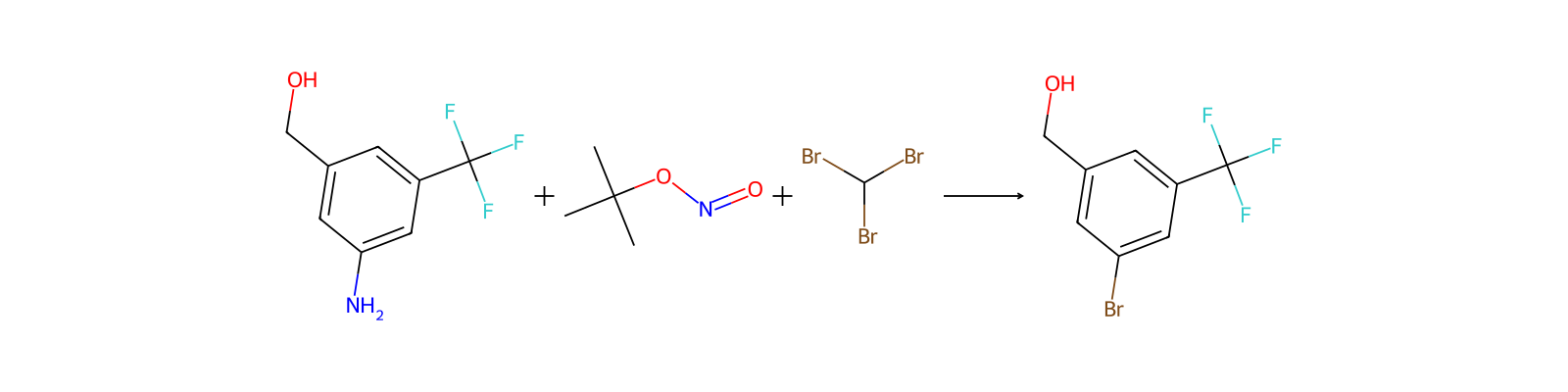
関連反応
251 件




関連ノート
読み込み中…