基本情報
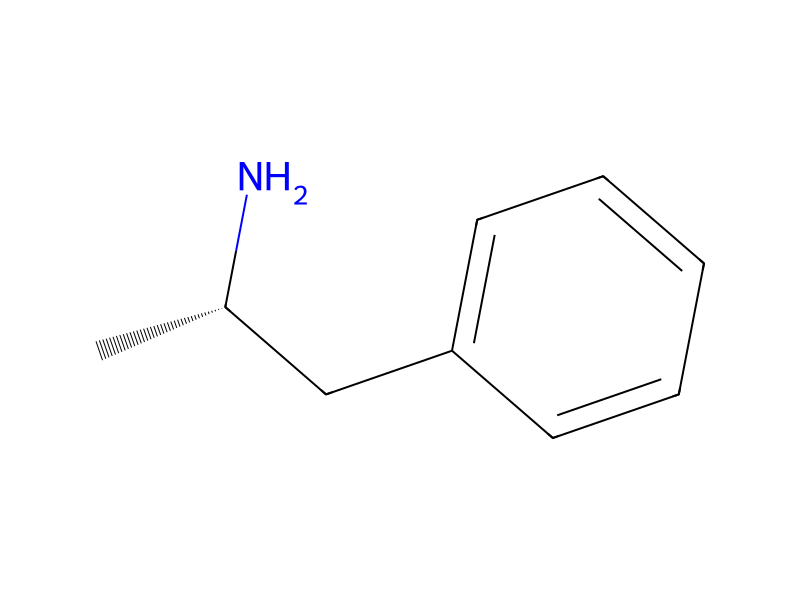
- 標準SMILES
C[C@H](N)Cc1ccccc1- InChIKey
KWTSXDURSIMDCE-QMMMGPOBSA-N- 分子式
- C9H13N
- 平均分子量
- 135.21 g/mol
- 単同位体質量
- 135.10479942
概要
(S)-amphetamine is a 1-phenylpropan-2-amine that has S configuration. It has a role as a sympathomimetic agent, an adrenergic uptake inhibitor, an adrenergic agent, a dopaminergic agent, a neurotoxin and a dopamine uptake inhibitor. It is an enantiomer of a (R)-amphetamine.
名称と識別子
- 優先名称
- Dextroamphetamine
- IUPAC
- (2S)-1-phenylpropan-2-amine
名称と別名
dextroamphetamineD-AmphetamineDexamphetamineDexamfetamine(S)-AmphetamineDexadrine(+)-Amphetamine(2S)-1-phenylpropan-2-amine(+)-(S)-AmphetamineDexidrine(S)-(+)-Amphetamine(S)-1-Phenyl-2-aminopropane
名称をさらに表示
AmsustainDephadrenSympamin(S)-1-Phenyl-2-propylamine(+)-alpha-Methylphenethylamine51-64-9(+)-alpha-Methylphenylethylamine(S)-(+)-beta-Phenylisopropylamine
データベース識別子
- CAS
51-64-9- PubChem CID
- 5826
- DTXSID
DTXSID8022907- ChEMBL
CHEMBL612- ChEBI
CHEBI:4469- UNII
- TZ47U051FI
- EC Number
- 200-112-1
- Nikkaji
- J4.121A
物性
構造計算による物性
- XLogP
- 1.8
- 極性表面積
- 26 Ų
- 水素結合供与体数
- 1
- 水素結合受容体数
- 1
- 回転可能結合数
- 2
- 重原子数
- 10
- 形式電荷
- 0
- 複雑度
- 84.7
実験および物理化学的性質
Drugs
Pharmaceuticals -> Metabolite of Lisdexamfetamine
Pharmaceuticals -> Listed in ZINC15
SpringerMaterials PropertiesSchoenflies notation
LogP
log Kow = 1.76 /analogous to amphetamine/
1.76
Density0.949 g/cu cm at 15 °C
Color/Form
Colorless liquid
Oil
Solubility
Moderately Soluble
Slightly soluble in water
Soluble in ethanol, ether
1.74e+00 g/L
Human Drugs
Breast Feeding; Lactation; Milk, Human; Adrenergic Agents; Central Nervous System Stimulants; Dopamine Agents; Sympathomimetics; Wakefulness-Promoting Agents
FDA approved drugs -> Active ingredient
FDA approved drugs -> Active ingredient
Boiling Point
203.5 °C
BP: 80 °C at 1.6 kPa
DecompositionWhen heated to decomposition it emits toxic nitroxides.
Melting Point
27.5 °C
< 25 °C
Optical Rotation
White, odorless, crystalline powder with bitter taste; MP >300 °C; Specific optical rotation: +28 de at 20 °C/D (c = 2). Freely soluble in water (about1:10); slightly soluble in alcohol (about 1:800). Insoluble in ether. pH (5% aqueous solution): 5.0 to 6.0; /Dextroamphetamine sulfate/
Specific optical rotation: +37.6 deg 15 °C/D (8% benzene)
Specific optical rotation: +35.6 deg at 15 °C/D (neat)
Refractive Index
INDICES OF REFRACTION: 1.560 (ALPHA), 1.592 (BETA), 1.622 (GAMMA) /DEXTROAMPHETAMINE HYDROCHLORIDE/
INDICES OF REFRACTION: 1.546 (ALPHA), 1.583 (BETA), 1.664 (GAMMA) /DEXTROAMPHETAMINE PHOSPHATE, DIBASIC/
INDICES OF REFRACTION: 1.501 (ALPHA), 1.545 (BETA), 1.603 (GAMMA) /DEXTROAMPHETAMINE SULFATE/
Index of refraction: 1.4704 at 20 °C/D
安全と法規制
GHS分類
GHS Classification
Danger
H226 (100%): Flammable liquid and vapor [Warning Flammable liquids]
P210, P233, P240, P241, P242, P243, P260, P264, P270, P280, P301+P316, P301+P330+P331, P302+P361+P354, P303+P361+P353, P304+P340, P305+P354+P338, P316, P321, P330, P363, P370+P378, P403+P235, P405, and P501 (click each P-code to see the statement)
Aggregated GHS information provided per 40 reports by companies from 3 notifications to the ECHA C&L Inventory. Each notification may be associated with multiple companies.
Danger
H225: Highly Flammable liquid and vapor [Danger Flammable liquids]
危険有害性情報
Regulatory InformationStatus: Active Update: 23-10-2018 https://echa.europa.eu/registration-dossier/-/registered-dossier/27378
FDA Requirements
The Approved Drug Products with Therapeutic Equivalence Evaluations identifies currently marketed prescription drug products, including dextroamphetamine sulfate, approved on the basis of safety and effectiveness by FDA under sections 505 of the Federal Food, Drug, and Cosmetic Act. /Dextroamphetamine sulfate/
The Approved Drug Products with Therapeutic Equivalence Evaluations identifies currently marketed prescription drug products, including dextroamphetamine saccharate, approved on the basis of safety and effectiveness by FDA under sections 505 of the Federal Food, Drug, and Cosmetic Act. /Dextroamphetamine saccharate/
Schedule II shall consist of the drugs and other substances, by whatever official name, common or usual name, chemical name, or brand name designated, listed in this section. Each drug or substance has been assigned the DEA Controlled Substances Code Number set forth opposite it. ... (d) Stimulants. Unless specifically excepted or unless listed in another schedule, any material, compound, mixture, or preparation which contains any quantity of the following substances having a stimulant effect on the central nervous system: Amphetamine, its salts, optical isomers, and salts of its optical isomers (DEA Code Number: 1100) is included on this list. /Amphetamine, its salts, optical isomers, and salts of its optical isomers/
Special Reports
DHHS/NIDA; Research Monograph Series 52: Testing Drugs for Physical Dependence Potential and Abuse Liability (1984) DHHS Pub No. (ADM)87-1332
DHHS/NIDA; Research Monograph Series 54: Mechanisms of Tolerance and Dependence (1984) DHHS Pub No. (ADM)88-1330
DHHS/NIDA; Research Monograph Series 56: Etiology of Drug Abuse: Implications for Prevention (1987) DHHS Pub No. (ADM)87-1335
DHHS/NIDA; Research Monograph Series 59: Current Research on the Consequences of Maternal Drug Abuse (1985) DHHS Pub No. (ADM)85-1400
For more Special Reports (Complete) data for DEXTROAMPHETAMINE (8 total), please visit the HSDB record page.
Toxic Combustion ProductsSpecial hazards arising from the substance or mixture: Carbon oxides
Hazard Classes and CategoriesFlam. Liq. 3 (100%)
Hazardous Reactivities and IncompatibilitiesIncompatible materials: Acids, Oxidizing agents, Alkali metals, Strong oxidizing agents, Strong acids, Acid chlorides, Acid anhydrides, Reducing agents, Strong reducing agents, Phosphorus halides
安全と保護具
Fire Fighting Procedures
Advice for firefighters: Wear self-contained breathing apparatus for firefighting if necessary.
Suitable extinguishing media: Use water spray, alcohol-resistant foam, dry chemical or carbon dioxide.
Storage Conditions
Conditions for safe storage, including any incompatibilities: Keep container tightly closed in a dry and well-ventilated place. Containers which are opened must be carefully resealed and kept upright to prevent leakage. Recommended storage temperature -20 °C
Preparations containing dextroamphetamine sulfate should be stored in tight, light-resistant containers at 15-30 °C. /Dextroamphetamine sulfate/
Cleanup Methods
ACCIDENTAL RELEASE MEASURES: Personal precautions, protective equipment and emergency procedures: Wear respiratory protection. Avoid breathing vapours, mist or gas. Ensure adequate ventilation. Remove all sources of ignition. Evacuate personnel to safe areas. Beware of vapours accumulating to form explosive concentrations. Vapours can accumulate in low areas.; Environmental precautions: Prevent further leakage or spillage if safe to do so. Do not let product enter drains.; Methods and materials for containment and cleaning up: Contain spillage, and then collect with an electrically protected vacuum cleaner or by wet-brushing and place in container for disposal according to local regulations.
Disposal Methods
SRP: Expired or waste pharmaceuticals shall carefully take into consideration applicable DEA, EPA, and FDA regulations. It is not appropriate to dispose by flushing the pharmaceutical down the toilet or discarding to trash. If possible return the pharmaceutical to the manufacturer for proper disposal being careful to properly label and securely package the material. Alternatively, the waste pharmaceutical shall be labeled, securely packaged and transported by a state licensed medical waste contractor to dispose by burial in a licensed hazardous or toxic waste landfill or incinerator.
Preventive Measures
Gloves must be inspected prior to use. Use proper glove removal technique (without touching glove's outer surface) to avoid skin contact with this product. Dispose of contaminated gloves after use in accordance with applicable laws and good laboratory practices. Wash and dry hands.
Avoid contact with skin, eyes and clothing. Wash hands before breaks and immediately after handling the product.
Precautions for safe handling: Avoid contact with skin and eyes. Avoid inhalation of vapour or mist. Use explosion-proof equipment.Keep away from sources of ignition - No smoking.Take measures to prevent the build up of electrostatic charge.
Personal Protective Equipment (PPE)
Respiratory protection: Where risk assessment shows air-purifying respirators are appropriate use a full-face respirator with multipurpose combination (US) or type ABEK (EN 14387) respirator cartridges as a backup to engineering controls. If the respirator is the sole means of protection, use a full-face supplied air respirator. Use respirators and components tested and approved under appropriate government standards such as NIOSH (US) or CEN (EU).
Body Protection: Complete suit protecting against chemicals, Flame retardant antistatic protective clothing., The type of protective equipment must be selected according to the concentration and amount of the dangerous substance at the specific workplace.
Skin protection: Handle with gloves.
Eye/face protection: Face shield and safety glasses Use equipment for eye protection tested and approved under appropriate government standards such as NIOSH (US) or EN 166(EU).
毒性情報
Treatment
Management of acute amphetamine intoxication is largely symptomatic and includes gastric lavage, administration of activated charcoal, administration of a cathartic, and sedation. Experience with hemodialysis or peritoneal dialysis is inadequate to permit recommendation in this regard. Acidification of the urine increases amphetamine excretion, but is believed to increase risk of acute renal failure if myoglobinuria is present. If acute, severe hypertension complicates amphetamine overdosage, administration of intravenous phentolamine has been suggested. However, a gradual drop in blood pressure will usually result when sufficient sedation has been achieved. Chlorpromazine antagonizes the central stimulant effects of amphetamines and can be used to treat amphetamine intoxication. (L1712)
Interactions
Gastrointestinal acidifying agents (guanethidine, reserpine, glutamic acid HCl, ascorbic acid, fruit juices, etc.) lower absorption of amphetamines. Urinary acidifying agents (ammonium chloride, sodium acid phosphate, etc.) increase the concentration of the ionized species of the amphetamine molecule, thereby increasing urinary excretion. Both groups of agents lower blood levels and efficacy of amphetamines.
Gastrointestinal alkalinizing agents (sodium bicarbonate, etc.) increase absorption of amphetamines. Urinary alkalinizing agents (acetazolamide, some thiazides) increase the concentration of the non-ionized species of the amphetamine molecule, thereby decreasing urinary excretion. Both groups of agents increase blood levels and therefore potentiate the actions of amphetamines.
Amphetamines may enhance the activity of tricyclic or sympathomimetic agents; d-amphetamine with desipramine or protriptyline and possibly other tricyclics cause striking and sustained increases in the concentration of d-amphetamine in the brain; cardiovascular effects can be potentiated.
The stimulatory effects of amphetamines may be inhibited by lithium carbonate.
For more Interactions (Complete) data for DEXTROAMPHETAMINE (21 total), please visit the HSDB record page.
Health Effects
Using large amounts of these drugs can result in a condition known as amphetamine psychosis -- which can result in auditory, visual and tactile hallucinations, intense paranoia, irrational thoughts and beliefs, delusions, and mental confusion.
Exposure RoutesOral bioavailability is over 75%.
Milk ConcentrationsAmphetamine, the racemic mixture of levo- and dextroamphetamine, is concentrated in breast milk. /Amphetamine/
Toxicity Summary
IDENTIFICATION AND USE: Dexamphetamine sulfate is a psychostimulant and phenylethylamine derivative of amphetamine. It is used for treatment of narcolepsy and hyperkinetic states in children. It can be misused for performance enhancement, relief of fatigue. Abuse of this drug either orally or by injection is extremely common. HUMAN EXPOSURE AND TOXICITY: Main risks include acute central nervous system stimulation, cardiotoxicity causing tachycardia, arrhythmias, hypertension and cardiovascular collapse. High risk of dependency and abuse. Cardiovascular effects include: palpitation, chest pain, tachycardia, arrhythmias and hypertension; cardiovascular collapse can occur in severe poisoning. Myocardial ischemia, infarction and ventricular dysfunction were described. CNS effects include: stimulation of CNS, tremor, restlessness, agitation, insomnia, increased motor activity, headache, convulsions, coma and hyperreflexia. Stroke and cerebral vasculitis have been observed. Gastrointestinal effects include: vomiting, diarrhea and cramps. Acute transient ischemic colitis has occurred with chronic methamphetamine abuse. Genitourinary effects including: increased bladder sphincter tone which may cause dysuria, hesitancy and acute urinary retention. Renal failure can occur secondary to dehydration or rhabdomyolysis. Renal ischemia and transient hyperthyroxinemia may be noted. Increased metabolic and muscular activity may result in hyperventilation and hyperthermia. Weight loss is common with chronic use. Hypo- and hyperkalemia have been reported. Dehydration is common. Fasciculations and rigidity may be noted. Rhabdomyolysis is an important consequence of severe amphetamine poisoning. Agitation, confusion, mood elevation, increased wakefulness, talkativeness, irritability and panic attacks are typical. Chronic abuse can cause delusions and paranoia. A withdrawal syndrome occurs after abrupt cessation following chronic use. Anorexia, insomnia, psychopathic personality disorders, suicidal tendencies, Gilles de la Tourette syndrome and other disorders, hyperthyroidism, narrow angle glaucoma, diabetes mellitis and cardiovascular diseases such as angina, hypertension and arrythmias. In adults: the toxic dose varies considerably due to individual variations and the development of tolerance. Children appear to be more susceptible than adults and are less likely to have developed tolerance. The use of amphetamine for medical indications does not pose a significant risk to the fetus for congenital anomalies. Amphetamines generally do not appear to be human teratogens. Mild withdrawal symptoms may be observed in the newborn, but the few studies of infant follow-up have not shown long-term sequelae. Illicit maternal use or abuse of amphetamine presents a significant risk to the fetus and newborn, including intrauterine growth retardation, premature delivery and the potential for increased maternal, fetal and neonatal morbidity. Cerebral injuries occurring in newborns exposed in utero appear to be directly related to the vasoconstrictive properties of amphetamines. Sixty five children were followed whose mothers were addicted to amphetamine during pregnancy, at least during the first trimester. Intelligence, psychological function, growth, and physical health were all within the normal range at eight years, but those children exposed throughout pregnancy tended to be more aggressive. ANIMAL STUDIES: d-Amphetamine decreased the accuracy of visual stimulus duration discriminations in pigeons. In both rhesus monkeys and baboons d-amphetamine decreases reaction times to visual and auditory stimuli. This effect was dose dependent, however, with increases in reaction time predominating after higher doses. The decreased reaction times following d-amphetamine occur in the absence of changes in size discrimination thresholds or brightness discrimination in the monkey. In the squirrel monkey, however, d-amphetamine produced modest increases in masked auditory thresholds.
The exact mechanism of action is not known. Dextroamphetamine stimulates the release of norepinephrine from central adrenergic receptors. At higher dosages, it causes release of dopamine from the mesocorticolimbic system and the nigrostriatal dopamine systems by reversal of the monoamine transporters. Dextroamphetamine may also act as a direct agonist on central 5-HT receptors and may inhibit monoamine oxidase (MAO). In the periphery, amphetamines are believed to cause the release of noradrenaline by acting on the adrenergic nerve terminals and alpha- and beta-receptors. Modulation of serotonergic pathways may contribute to the calming affect.
Signs and Symptoms
Manifestations of acute overdosage with amphetamines include restlessness, tremor, hyperreflexia, rhabdomyolysis, rapid respiration, hyperpyrexia, confusion, assaultiveness, hallucinations, panic states. Fatigue and depression usually follow the central stimulation. Cardiovascular effects include arrhythmias, hypertension or hypotension, and circulatory collapse. Gastrointestinal symptoms include nausea, vomiting, diarrhea, and abdominal cramps. Fatal poisoning is usually preceded by convulsions and coma.
Human Toxicity Excerpts
/HUMAN EXPOSURE STUDIES/ Lisdexamfetamine is a pro-drug stimulant that requires the enzymatic hydrolysis of lysine from dextroamphetamine for pharmacologic effects. There is limited information comparing non-therapeutic lisdexamfetamine and dextroamphetamine exposures. OBJECTIVE: The objective was to compare lisdexamfetamine exposures with dextroamphetamine/amphetamine extended release and dextroamphetamine/amphetamine immediate release. METHODS: A retrospective observational case series of single-substance exposures to lisdexamfetamine, dextroamphetamine/amphetamine extended release, or dextroamphetamine/amphetamine immediate release reported to the National Poison Data System from 2007 to 2012 was performed. Data were analyzed for demographics, reason, clinical effects, management site, and outcomes. RESULTS: There were 23,553 exposures: lisdexamfetamine (7,113), dextroamphetamine/amphetamine extended release (6,245), and dextroamphetamine/amphetamine immediate release (10,195). The most frequent clinical effects observed for lisdexamfetamine, dextroamphetamine/amphetamine extended release, and dextroamphetamine/amphetamine immediate release were agitation (19.8%, 21.7%, and 25.1%, respectively) and tachycardia (19.2%, 22.8%, and 23.9%, respectively). The reason was most often exploratory (93.4%) in children < 6 years and therapeutic error (65.6%) in children aged 6-12 years. In adolescents and adults most common reasons were suicide attempts (28.4%) followed by abuse (19.5%) and therapeutic errors (18.8%). Overall, 61.6% of cases were managed in a health care facility, with the majority treated in the emergency department only. The majority of cases (76.0%) experienced no or minor effects. More serious outcomes (moderate/major/death) occurred in 21.2% of lisdexamfetamine, 24.7% of dextroamphetamine/amphetamine extended release, and 25.5% of dextroamphetamine/amphetamine immediate release. There were 4 deaths (1 dextroamphetamine/amphetamine extended release and 3 dextroamphetamine/amphetamine immediate release). In patients aged 6 years and more, abuse/misuse was more frequently reported for dextroamphetamine/amphetamine immediate release (32.5%) and dextroamphetamine/amphetamine extended release (23.0%) than that for lisdexamfetamine (13.5%). The odds of abuse/misuse was 2.3 (95% confidence interval [CI]: 2.0-2.4) times higher for dextroamphetamine/amphetamine immediate release than that for lisdexamfetamine and dextroamphetamine/amphetamine extended release combined; the odds of dextroamphetamine/amphetamine extended release abuse/misuse was 1.9 (95% CI: 1.7-2.2) times higher than lisdexamfetamine. In 2011, the number of lisdexamfetamine abuse/misuse cases exceeded dextroamphetamine/amphetamine extended release by approximately 26% and plateaued in 2012, but was significantly lower (~75%) than dextroamphetamine/amphetamine immediate release. CONCLUSIONS: Toxic effects were similar for all three drugs. Although the majority of cases were treated at health care facilities, the majority of patients experienced no effects or minor toxicity. Serious outcomes occurred in approximately 21% of lisdexamfetamine and 25% of dextroamphetamine/amphetamine extended release and dextroamphetamine/amphetamine immediate release. Lisdexamfetamine may have less abuse potential, especially compared with the immediate-release dextroamphetamine/amphetamine formulation.
/SIGNS AND SYMPTOMS/ Manifestations of acute overdosage with amphetamines include restlessness, tremor, hyperreflexia, rhabdomyolysis, rapid respiration, hyperpyrexia, confusion, assaultiveness, hallucinations, panic states. Fatigue and depression usually follow the central stimulation. Cardiovascular effects include arrhythmias, hypertension or hypotension and circulatory collapse. Gastrointestinal symptoms include nausea, vomiting, diarrhea and abdominal cramps. Fatal poisoning is usually proceeded by convulsions and coma. /Amphetamines/
/SIGNS AND SYMPTOMS/ Manifestations of chronic intoxication with amphetamines include severe dermatoses, marked insomnia, irritability, hyperactivity and personality changes. The most severe manifestation of chronic intoxication is psychosis, often clinically indistinguishable from schizophrenia. This is rare with oral amphetamines. /Amphetamines/
/SIGNS AND SYMPTOMS/ Infants born to mothers dependent on amphetamines have an increased risk of premature delivery and low birth weight. Also, these infants may experience symptoms of withdrawal as demonstrated by dysphoria, including agitation, and significant lassitude. /Amphetamines/
For more Human Toxicity Excerpts (Complete) data for DEXTROAMPHETAMINE (17 total), please visit the HSDB record page.
Artificial Pollution SourcesDextroamphetamine's production and administration as an anti-obesity drug, in narcolepsy and control of hyperkinetic children(1) may result in its release to the environment through various waste streams(SRC).
Carcinogen ClassificationNo indication of carcinogenicity to humans (not listed by IARC).
Drug Induced Liver Injury
Drug-Induced Liver Injury Severity and Toxicity (DILIst)
dextroamphetamine
DILI Negative
Oral
DOI:10.1016/j.drudis.2019.09.022
Non-Human Toxicity Excerpts
/LABORATORY ANIMALS: Neurotoxicity/ Behavioral, electrophysiological, and biochemical techniques were employed before, during, and after 7 days of continuous sc administration of D-amphetamine sulfate (6.0 mg/day) to male Sprague-Dawley rats. Significant changes were observed using all three protocols. Behavioral alterations were greatest on the second day of treatment and progressively normalized during the remainder of treatment. Electrophysiological changes in the striatum were significant only on the second day of treatment, while electrophysiological alterations in the nucleus accumbens were significant on all treatment and recording days, and the magnitude of the changes paralleled the pattern of overt behavioral changes. Levels of dopamine in the striatum progressively decr from normal throughout the treatment, declining to less than half of the control level by the sixth day of treatment. In contrast, dopamine levels in the nucleus accumbens were incr on the second day of treatment and progressively approached the control level as treatment continued, again paralleling behavior and changes in the electrophysiology of the nucleus accumbens.
/BEHAVIORAL STUDIES/ d-Amphetamine decreased the accuracy of visual stimulus duration discriminations in /pigeons/. In both rhesus monkeys and baboons d-amphetamine decreases reaction times to visual and auditory stimuli. This effect is dose dependent, however, with increases in reaction time predominating after higher doses. The decreased reaction times following d-amphetamine occur in the absence of changes in size discrimination thresholds or brightness discrimination in the monkey. In the squirrel monkey, however, d-amphetamine and methylphenidate produce modest increases in masked auditory thresholds.
/BEHAVIORAL STUDIES/ Psychostimulant withdrawal results in emotional, behavioral, and cognitive impairments, which may be exacerbated by stress. However, little is known about the neurochemical changes that occur when these two conditions are experienced concomitantly. 5-HT2A receptor (5-HT2AR) mRNA expression in the prefrontal cortex (PFC) is diminished following withdrawal from d-amphetamine (AMPH) and may underlie the emotional and cognitive impairments observed in psychostimulant withdrawal, but whether stress affects 5-HT2AR mRNA expression during psychostimulant withdrawal is unknown. The goal of this study was to examine the impact of forced swim test (FST) exposure during AMPH withdrawal on 5-HT2AR mRNA expression in PFC. Animals were treated 3 times a day for 4 days with escalating doses of AMPH (1-10mg/kg) and 24hr or 4 days after the final injection, animals were subjected to FST. At 24hr of withdrawal, AMPH-treated animals showed greater immobility in FST and at 4 days of withdrawal, AMPH-treated animals did not show immobility. At 24h of withdrawal, animals showed lower 5-HT2AR mRNA expression in the PFC relative to saline-treated animals, and exposure to FST did not further decrease expression in these animals. At 4 days of withdrawal, AMPH-treated animals showed greater 5-HT2AR mRNA expression relative to saline-treated animals in the PFC, an effect that was diminished by exposure to FST. These data indicate that stress and short-term AMPH withdrawal affect prefrontal 5-HT2AR mRNA expression to a similar degree, and stress experienced during long-term AMPH withdrawal can diminish the recovery of 5-HT2AR mRNA expression. Together, these data suggest that exposure to stress during extended AMPH withdrawal could prolong withdrawal-induced, 5-HT2AR mRNA expression which could be related to 5-HT2AR mediated deficits.
/BEHAVIORAL STUDIES/ Seven adult male Long Evans rats were deprived of food and offered food only in small meal segments. Latency to initiate feeding and time to complete it were recorded for each segment. Bilateral microinjections of d-amphetamine (2.5, 10, or 20 ug) into nucleus accumbens 10 min before feeding dramatically increased the mean speed with which meal segments were eaten, but had no reliable effects on mean latency to initiate eating of new segments; l-amphetamine (10 ug) had similar but weaker effects. For d-amphetamine, mean latency under 20 ug was 0.52 sec and control latency was 0.97 sec. Median feeding duration under 20 ug d-amphetamine was 12.3 sec vs 20.7 sec for controls. While mean eating speed was increased, this incr resulted from a decr in the frequency of slow trials and not from an incr in the absolute speed of the fastest trials.
For more Non-Human Toxicity Excerpts (Complete) data for DEXTROAMPHETAMINE (10 total), please visit the HSDB record page.
法規制情報
FDA Requirements
The Approved Drug Products with Therapeutic Equivalence Evaluations identifies currently marketed prescription drug products, including dextroamphetamine sulfate, approved on the basis of safety and effectiveness by FDA under sections 505 of the Federal Food, Drug, and Cosmetic Act. /Dextroamphetamine sulfate/
The Approved Drug Products with Therapeutic Equivalence Evaluations identifies currently marketed prescription drug products, including dextroamphetamine saccharate, approved on the basis of safety and effectiveness by FDA under sections 505 of the Federal Food, Drug, and Cosmetic Act. /Dextroamphetamine saccharate/
Schedule II shall consist of the drugs and other substances, by whatever official name, common or usual name, chemical name, or brand name designated, listed in this section. Each drug or substance has been assigned the DEA Controlled Substances Code Number set forth opposite it. ... (d) Stimulants. Unless specifically excepted or unless listed in another schedule, any material, compound, mixture, or preparation which contains any quantity of the following substances having a stimulant effect on the central nervous system: Amphetamine, its salts, optical isomers, and salts of its optical isomers (DEA Code Number: 1100) is included on this list. /Amphetamine, its salts, optical isomers, and salts of its optical isomers/
化学と産業
薬理情報
ATC Code
N - Nervous system
QN - Nervous system
Pharmacodynamics
Dextroamphetamine is a noncatecholamine, sympathomimetic amine that acts as a CNS stimulant. Dextroamphetamine raises systolic and diastolic blood pressure, acts as a weak bronchodilator, and also acts as a respiratory stimulant. The general mechanism of action of dextroamphetamine has not been well established.
Mechanism of Action
The exact mechanism of amphetamines as a class is not known. Dextroamphetamine acts by preventing reuptake, increasing release, and stimulating reverse-transport of dopamine in synaptic clefts in the striatum. Newer evidence shows amphetamines may also alter the number of dopamine transporters in synaptic clefts.
Biological Half-Life
11.75 hours. In a study of post-stroke patients the half life was 16.0 hours in females and 12.4 hours in males. Studies in healthy populations show a half life of 7.9 hours.
The half-life was 11.75 hours, /for the ingestion of 10 mg of dextroamphetamine sulfate in oral solution form by healthy volunteers..../
... The (+)-amphetamine isomer is more rapidly metabolized than the (-)-isomer, & under alkaline conditions, the (+)-isomer elimination half-life is significantly shorter (17.0 hr vs 12.7 hr). Under acidic urine conditions, renal excretion is the major route of elimination & thus the difference in isomer half-life is minimized.
Metabolism/Metabolites
Dextroamphetamine is metabolized by cytochrome P-450 2D6 in the liver to 4-hydroxyamphetamine and later conjugated by sulfotransferase or glucoronyltransferase.
Yields N-acetylamphetamine in rabbit. Benzyl methyl ketoxime in rabbit & guinea pig. /From table/
Yields p-hydroxy-d-amphetamine in rat & dog. /From table/
Amphetamine is a noncatechol, sympathomimetic amine and has a greater CNS stimulant activity than epinephrine and other catecholamines. Lisdexamfetamine dimesylate is a prodrug and has little, if any, pharmacologic activity until converted to dextroamphetamine by first-pass intestinal and/or hepatic metabolism. Inactivation of sympathomimetic noncatecholamines largely depends on breakdown by monoamine oxidase and since substitution of an alkyl group for hydrogen on the a-carbon atom blocks enzymatic inactivation of the amino group, the duration of action of noncatecholamines (but not of catecholamines, which are inactivated largely by a different mechanism) is prolonged by a-substitution. The absence of a hydroxyl group on the aromatic ring of amphetamine reduces inactivation of the drug in the GI tract and the amphetamines are active following oral administration.
Yields N-methyl-d-amphetamine in rabbit. Alpha-methyl-beta-phenethylhydroxylamine in rabbit. /From table/
Yields d-norephedrine in man, in beef; phenylacetone in rabbit, man & dog. /From table/
FDA Pharmacological Classification
TZ47U051FI
DEXTROAMPHETAMINE
Established Pharmacologic Class [EPC] - Central Nervous System Stimulant
Physiologic Effects [PE] - Central Nervous System Stimulation
Dextroamphetamine is a Central Nervous System Stimulant. The physiologic effect of dextroamphetamine is by means of Central Nervous System Stimulation.
DEXTROAMPHETAMINE
MeSH Pharmacological Classification
A loosely defined group of drugs that tend to increase behavioral alertness, agitation, or excitation. They work by a variety of mechanisms, but usually not by direct excitation of neurons. The many drugs that have such actions as side effects to their main therapeutic use are not included here.
Drugs that block the transport of DOPAMINE into axon terminals or into storage vesicles within terminals. Most of the ADRENERGIC UPTAKE INHIBITORS also inhibit dopamine uptake.
Absorption, Distribution and Excretion
Bioavailability data of dextroamphetamine is not readily available, however there is no difference in bioavailability when taken with or without a meal.
A third of the drug is eliminated renally.
195L.
17L/h.
Amphetamines are readily absorbed from the GI tract and effects persist for 4-24 hours. Amphetamines are distributed into most body tissues with high concentrations occurring in the brain and cerebral spinal fluid (CSF). Amphetamine appears in the urine within about 3 hours following oral administration. Urinary excretion of the amphetamines is pH-dependent and excretion is enhanced in acidic urine. Following oral administration of racemic amphetamine to humans, approximately equal amounts of both isomers were excreted during the first 12 hours; after the first 12 hours, a continually decreasing proportion of the d-isomer was excreted. Following oral administration of a 70-mg radiolabeled dose of lisdexamfetamine (a prodrug of dextroamphetamine), 96% of the dose was recovered in the urine; of the recovered radioactivity, 42% of the dose was related to amphetamine, 25% to hippuric acid, and 2% to the parent drug. Dextroamphetamine and levamfetamine (no longer commercially available in the US) appear to have different metabolic fates, but the relationship between the fate of the drugs and their pharmacologic activity has not been determined. There are some data to indicate stereospecific metabolism of amphetamine and its isomers, but stereospecific urinary excretion appears unlikely.
Ingestion of 10 mg of dextroamphetamine sulfate in oral solution form by healthy volunteers produced an average peak dextroamphetamine blood level of 33.2 ng/mL. The half-life was 11.75 hours. The average urinary recovery was 38% in 48 hours.
Cellular LocationsCytoplasm
用途と製造
Uses
Amphetamine, its salts, optical isomers, and salts of its optical isomers (DEA Code Number: 1100) are Schedule II controlled substances. /Amphetamine, its salts, optical isomers, and salts of its optical isomers/
Schedule II Controlled Substance: (A) The drug or other substance has a high potential for abuse; (B) The drug or other substance has a currently accepted medical use in treatment in the United States or a currently accepted medical use with severe restrictions; and (C) Abuse of the drug or other substances may lead to severe psychological or physical dependence.
MEDICATION
MEDICATION (VET)
Central Nervous System Stimulants; Dopamine Uptake Inhibitors
Used to treat attention deficit hyperactivity disorder (ADHD). Used as a psychostimulant drug. [Wikipedia]
Methods of Manufacturing
By resolving dl-amphetamine bitartrate, liberating and extracting the d-amphetamine component, and neutralizing the d-amphetamine with an equimolar portion of phosphoric acid; by using suitable solvents, the neutralization reaction may be conducted so as to cause precipitation of the crystalline salt as it is formed. /Dextroamphetamine phosphate/
This compound can be prepared by optical resolution of amphetamine or directly from (-)-norephedrine by conversion to the (+)-chloramine followed by catalytic hydrogenation.
Preparation by resolution of amphetamine: Temmler, United Kingdom patent 508757 (1939); Nabenhauer, USA patent 2276508 (1942 to SK&F).
Formulations/Preparations
Table: Dextroamphetamine Sulfate Preparations [Table#4371]
Table: Dextroamphetamine Sulfate Combination Preparations [Table#4372]
General Manufacturing InformationBenzeneethanamine, .alpha.-methyl-, (.alpha.S)-: INACTIVE
関連反応
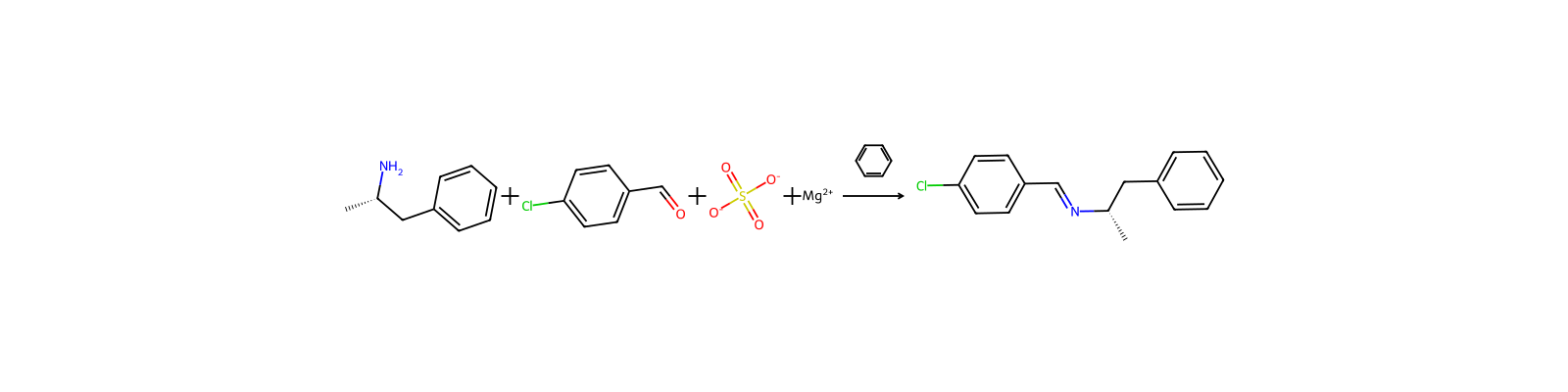
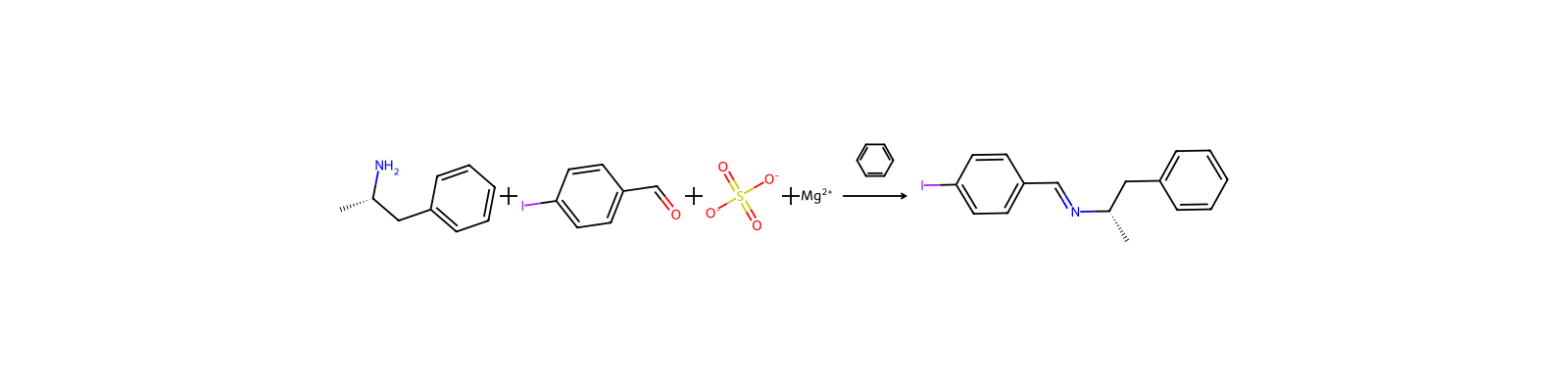
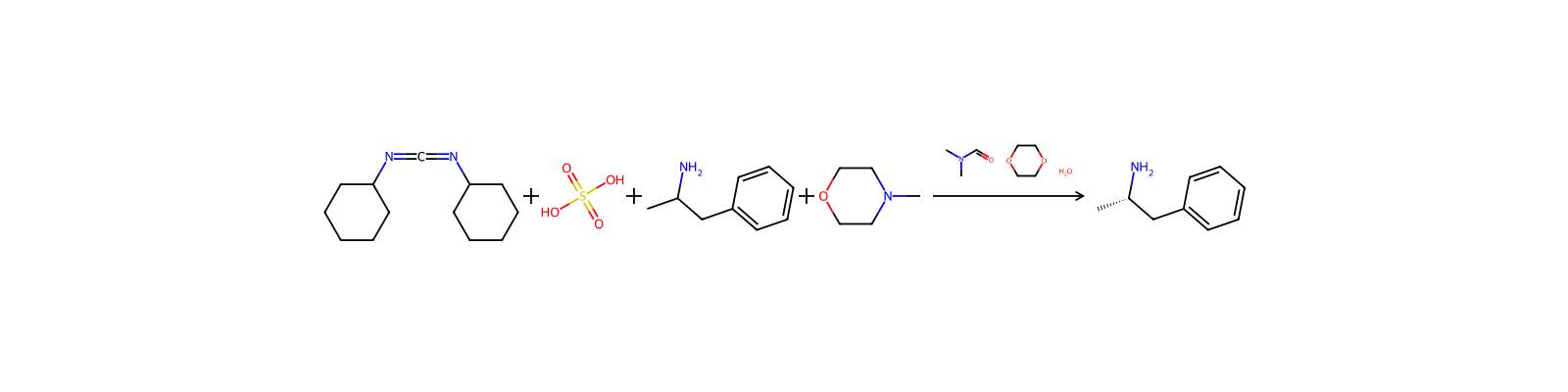
23 件




関連ノート
読み込み中…