

基本情報
- 標準SMILES
NC[C@H]1O[C@H](O[C@H]2[C@H](O)[C@@H](O[C@H]3O[C@H](CO)[C@@H](O)[C@H](N)[C@H]3O)[C@H](N)C[C@@H]2N)[C@H](O)[C@@H](O)[C@@H]1O- InChIKey
SBUJHOSQTJFQJX-NOAMYHISSA-N- 分子式
- C18H36N4O11
- 平均分子量
- 484.5 g/mol
- 単同位体質量
- 484.23805797
概要
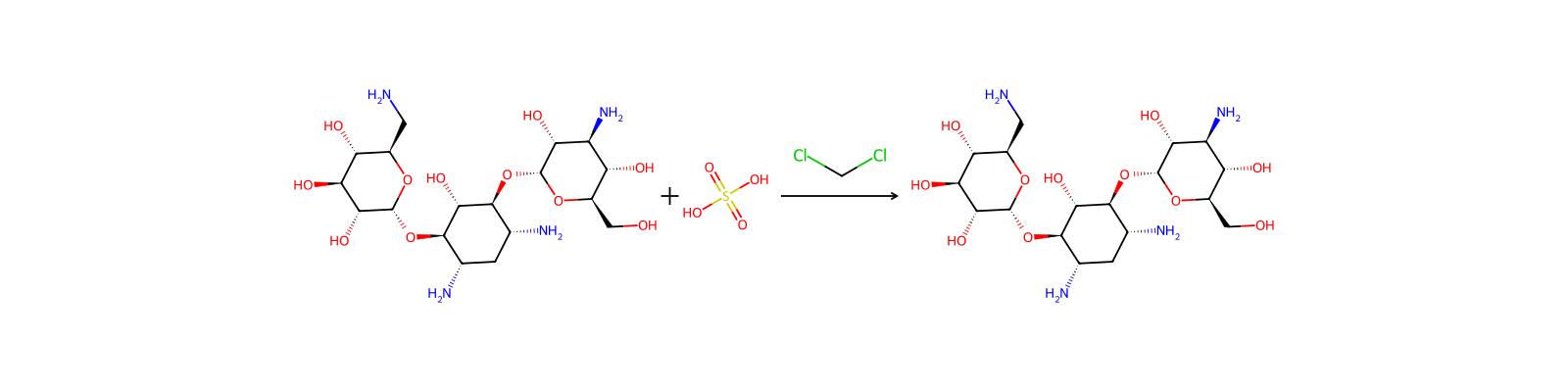
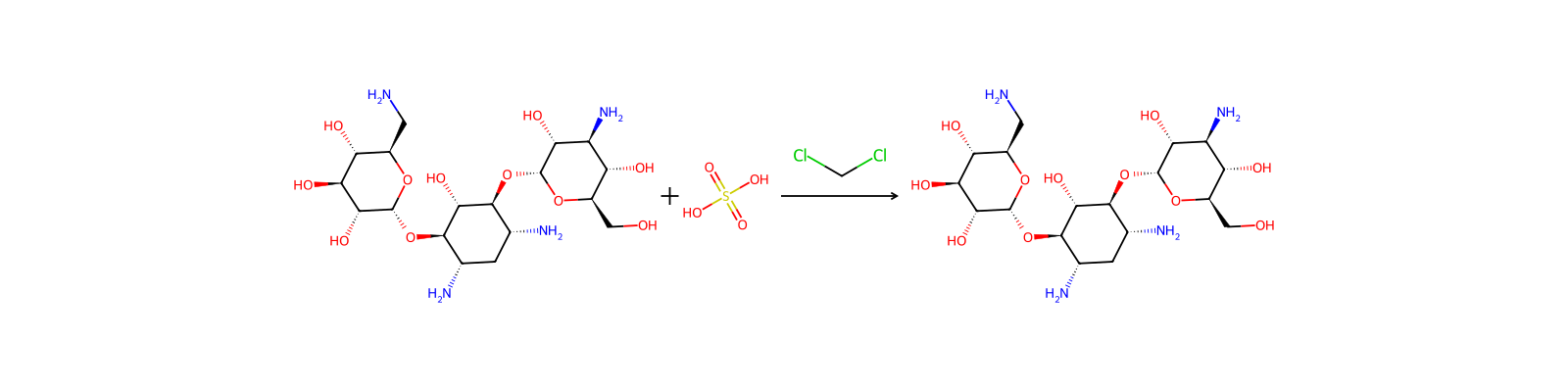
Kanamycin A is a member of kanamycins. It has a role as a bacterial metabolite. It is a conjugate base of a kanamycin A(4+).
名称と識別子
- 優先名称
- Kanamycin
- IUPAC
- (2R,3S,4S,5R,6R)-2-(aminomethyl)-6-[(1R,2R,3S,4R,6S)-4,6-diamino-3-[(2S,3R,4S,5S,6R)-4-amino-3,5-dihydroxy-6-(hydroxymethyl)oxan-2-yl]oxy-2-hydroxycyclohexyl]oxyoxane-3,4,5-triol
- 現地名
- カナマイシンA
- 英語名
- Kanamycin A
- 分子式
- C18H36N4O11
- 分子量
- 484.5
名称と別名
kanamycinKanamicinaKanamycineKanamycinum8063-07-8Kanamycins(2R,3S,4S,5R,6R)-2-(aminomethyl)-6-[(1R,2R,3S,4R,6S)-4,6-diamino-3-[(2S,3R,4S,5S,6R)-4-amino-3,5-dihydroxy-6-(hydroxymethyl)oxan-2-yl]oxy-2-hydroxycyclohexyl]oxyoxane-3,4,5-triolD-Streptamine, O-3-amino-3-deoxy-alpha-D-glucopyranosyl-(1-6)-O-(6-amino-6-deoxy-alpha-D-glucopyranosyl-(1-4))-2-deoxy-(2R,3S,4S,5R,6R)-2-(aminomethyl)-6-{[(1R,2R,3S,4R,6S)-4,6-diamino-3-{[(2S,3R,4S,5S,6R)-4-amino-3,5-dihydroxy-6-(hydroxymethyl)oxan-2-yl]oxy}-2-hydroxycyclohexyl]oxy}oxane-3,4,5-triolKanamycin Complex(2R,3S,4S,5R,6R)-2-(aminomethyl)-6-(((1R,2R,3S,4R,6S)-4,6-diamino-3-(((2S,3R,4S,5S,6R)-4-amino-3,5-dihydroxy-6-(hydroxymethyl)oxan-2-yl)oxy)-2-hydroxycyclohexyl)oxy)oxane-3,4,5-triol(2R,3S,4S,5R,6R)-2-(aminomethyl)-6-((1R,2R,3S,4R,6S)-4,6-diamino-3-((2S,3R,4S,5S,6R)-4-amino-3,5-dihydroxy-6-(hydroxymethyl)oxan-2-yl)oxy-2-hydroxycyclohexyl)oxyoxane-3,4,5-triol
名称をさらに表示
カナマイシン1-O-[(1R)-2α-ヒドロキシ-3β-(3-アミノ-3-デオキシ-α-D-グルコピラノシルオキシ)-4α,6α-ジアミノシクロヘキサン-1β-イル]-6-アミノ-6-デオキシ-α-D-グルコピラノース6-O-(3-アミノ-3-デオキシ-α-D-グルコピラノシル)-4-O-(6-アミノ-6-デオキシ-α-D-グルコピラノシル)-2-デオキシ-D-ストレプタミン4-O-(6-アミノ-6-デオキシ-α-D-グルコピラノシル)-6-O-(3-アミノ-3-デオキシ-α-D-グルコピラノシル)-2-デオキシ-D-ストレプタミンKM【カナマイシン】kanamycin サルフェトkanamycin AカナマイシンA(2R,3S,4S,5R,6R)-2-(アミノメチル)-6-{[(1R,2R,3S,4R,6S)-4,6-ジアミノ-3-{[(2S,3R,4S,5S,6R)-4-アミノ-3,5-ジヒドロキシ-6-(ヒドロキシメチル)オキサン-2-イル]オキシ}-2-ヒドロキシシクロヘキシル]オキシ}オキサン-3,4,5-トリオールKANAMYCIN AKANAMYCIN AKANAMYCIN AKANAMYCIN BASEAmikacin EP Impurity DKanamycinMonosulfateAKannamycin Monosulfateo-6-deoxy-alpha-d-glucopyranosyl-(1.fwdarw.)]-2-deoxy-
RefChem:5930RUC37XUP2PCHEBI:6104DTXSID2041171CHEBI:24951A07AA08J01GB04S01AA24
データベース識別子
- CAS
59-01-8、8063-07-8- PubChem CID
- 6032
- DTXSID
DTXSID3023184- ChEMBL
CHEMBL1384、CHEMBL223520- ChEBI
CHEBI:17630- UNII
- EQK9Q303C5
- EC Number
- 200-411-7、232-512-7
- Nikkaji
- J4.492J
物性
構造計算による物性
- XLogP
- -6.9
- 極性表面積
- 283 Ų
- 水素結合供与体数
- 11
- 水素結合受容体数
- 15
- 回転可能結合数
- 6
- 重原子数
- 33
- 形式電荷
- 0
- 複雑度
- 638
実験および物理化学的性質
Drugs
Pharmaceuticals -> Antibiotics
Pharmaceuticals -> Listed in ZINC15
LogP-6.3
Color/Form
Crystals from ethanol
Crystals from methanol + ethanol
Solubility9.23e+01 g/L
Human Drugs
Breast Feeding; Lactation; Milk, Human; Anti-Infective Agents; Antibacterial Agents; Aminoglycosides
Ophthalmological preparations > Anti-infective agents
Decomposition
When heated to decomposition it emits toxic fumes of nitroxides.
Decomposes over a wide range above 250 °C. /Kanamycin sulfate/
Optical Rotation
Crystals, MP 172-192 °C (decomposes). Specific optical rotation: +130 deg at 18 °C/D (c = 0.5 in water); +114 deg at 21 °C/D (c = 0.98 in water). Soluble in water, formamide; slightly soluble in chloroform, isopropyl alcohol. Practically insoluble in the common alcohols and nonpolar solvents. /Kanamycin B/
Crystals from methanol + ethanol, decomposes above 270 °C. Specific optical rotation (H2O): +126 deg at 20 °C/D. Soluble in water, slightly soluble in formaldehyde. Practically insoluble in the common alcohols and nonpolar solvents. /Kanamycin C/
Specific optical rotation (0.1N H2SO4): +146 deg at 24 °C/D
Physical DescriptionSolid
Stability/Shelf LifeKanamycin sulfate is stable for 24 hours at room temperature in most iv infusion fluids including 0.9% sodium chloride or 5% dextrose injection.
Dissociation ConstantspKa = 7.2
Collision Cross Section206.6 Ų [M+H]+ [CCS Type: TW; Method: calibrated with Waters Major Mix]
Other Experimental Properties
White, odorless, crystalline powder. Decompses over a wide range above 250 °C, soluble in water, practically insoluble in methanol and ethanol. /Kanamycin sulfate/
Insoluble in acetone, ethyl acetate, benzene /Kanamycin sulfate/
Irregular prisms, decomposes over a wide range above 250 °C. Freely soluble in water. Practically insoluble in the common alcohols and nonpolar solvents. /Kanamycin A sulfate/
物理化学的性質
- 融点
- 175 °C · >175°C (dec.)
- 比旋光度
- 24 · D24 +146° (0.1N H2SO4)
- 沸点
- 581.13 °C · 581.13°C (rough estimate)
- 比重(密度)
- 1.4042 · 1.4042 (rough estimate)
- 屈折率
- 1.67 · 1.6700 (estimate)
- 貯蔵温度
- 2 · 2-8°C
- 溶解性
- メタノール(微量、超音波処理)、水(微量)
- 外見
- 液体
- 酸解離定数(Pka)
- 6.4 · pKa 6.40/7.55/8.40/9.40(H2O) (Uncertain)
- 色
- ホワイトからオフホワイト
- InChIKey
- SBUJHOSQTJFQJX-MKEVENRSNA-N
- EPAの化学物質情報
- -3 · D-Streptamine, O-3-amino-3-deoxy-.alpha.-D-glucopyranosyl-(1.fwdarw.6)-O-[6-amino-6-deoxy-.alpha.-D-glucopyranosyl-(1.fwdarw.4)]-2-deoxy- (59-01-8)
安全と法規制
危険有害性情報
FDA Requirements
The Approved Drug Products with Therapeutic Equivalence Evaluations identifies currently marketed prescription drug products, including kanamycin sulfate, approved on the basis of safety and effectiveness by FDA under sections 505 of the Federal Food, Drug, and Cosmetic Act. /Kanamycin sulfate/
The Generic Animal Drug and Patent Restoration act requires that each sponsor of an approved animal drug must submit to the FDA certain information regarding patents held for the animal drug or its method of use. The Act requires that this information, as well as a list of all animal drug products approved for safety and effectiveness, be made available to the public. Kanamycin sulfate is included on this list. /Kanamycin sulfate/
Implantation or injectable dosage form new animal drugs. Kanamycin. ... Indications for use. For the treatment of bacterial infections due to kanamycin sensitive organisms in dogs and cats. ... Limitations. Federal law restricts this drug to use by or on the order of a licensed veterinarian.
Ophthalmic and topical dosage form new animal drugs. Kanamycin ophthalmic ointment. ... Indications for use. For the treatment of various eye infections (conjunctivitis, blepharitis, dacryocystitis, keratitis, and corneal ulcerations) due to bacteria sensitive to kanamycin. For prophylaxis in traumatic conditions, removal of foreign bodies, and intraocular surgery. ... Limitations. Federal law restricts this drug to use by or on the order of a licensed veterinarian.
Ophthalmic and topical dosage form new animal drugs. Kanamycin ophthalmic solution. ... Indications for use. For the treatment of various eye infections (conjunctivitis, blepharitis, dacryocystitis, keratitis, and corneal ulcerations) due to bacteria sensitive to kanamycin. For prophylaxis in traumatic conditions, removal of foreign bodies, and intraocular surgery. ... Limitations. Federal law restricts this drug to use by or on the order of a licensed veterinarian.
安全と保護具
Storage ConditionsStore at 20 deg to 25 °C (68 deg to 77 °F)
Disposal Methods
SRP: Expired or waste pharmaceuticals shall carefully take into consideration applicable DEA, EPA, and FDA regulations. It is not appropriate to dispose by flushing the pharmaceutical down the toilet or discarding to trash. If possible return the pharmaceutical to the manufacturer for proper disposal being careful to properly label and securely package the material. Alternatively, the waste pharmaceutical shall be labeled, securely packaged and transported by a state licensed medical waste contractor to dispose by burial in a licensed hazardous or toxic waste landfill or incinerator.
毒性情報
Interactions
Concomitant and/or sequential use of an aminoglycoside and other systemic, oral, or topical drugs that have neurotoxic, ototoxic, or nephrotoxic effects (e.g., other aminoglycosides, acyclovir, amphotericin B, bacitracin, capreomycin, certain cephalosporins, colistin, cisplatin, methoxyflurane, polymyxin B, vancomycin) may result in additive toxicity and should be avoided, if possible. /Aminoglycosides/
Because of the possibility of an increased risk of ototoxicity due to additive effects or altered serum and tissue aminoglycoside concentrations, aminoglycosides should not be given concomitantly with potent diuretics such as ethacrynic acid, furosemide, urea, or mannitol. It has been suggested that concomitant use of certain anti-emetics that suppress nausea and vomiting of vestibular origin and vertigo (e.g., dimenhydrinate, meclizine) may mask symptoms of aminoglycoside-associated vestibular ototoxicity. /Aminoglycosides/
Concurrent use of an aminoglycoside with general anesthetics or neuromuscular blocking agents (e.g., succinylcholine, rocuronium, tubocurarine) may potentiate neuromuscular blockade and cause respiratory paralysis. ... Aminoglycosides should be used with caution in patients receiving anesthetics or neuromuscular blocking agents, and patients should be closely observed for signs of respiratory depression. /Aminoglycosides/
In vitro studies indicate that the antibacterial activity of aminoglycosides and beta-lactam antibiotics may be additive or synergistic against some organisms including Enterobacteriaceae, Pseudomonas aeruginosa, enterococci, and viridans streptococci. The synergistic effect of aminoglycosides and beta-lactams is used to therapeutic advantage, especially in the treatment of infections caused by enterococci or Ps. aeruginosa. Although the exact mechanism of this synergistic effect has not been determined, it appears that by inhibiting bacterial cell-wall synthesis the penicillin allows more effective ingress of the aminoglycoside to the ribosomal binding site. Synergism between aminoglycosides and extended-spectrum penicillins generally is unpredictable and antagonism has been reported rarely in vitro when these penicillins were used in conjunction with amikacin, gentamicin, or tobramycin. Therefore, some clinicians suggest that when concomitant therapy is indicated it may be advisable to use appropriate in vitro studies to demonstrate synergism against the isolated organism. Concomitant administration of an extended-spectrum penicillin and an aminoglycoside has resulted in decreased serum aminoglycoside concentrations and elimination half life, especially in patients with renal impairment. Therefore, serum aminoglycoside concentrations should be monitored in patients receiving concomitant therapy, especially when very high doses of an extended-spectrum penicillin are used or when the patient has impaired renal function. /Aminoglycosides/
For more Interactions (Complete) data for Kanamycin A (10 total), please visit the HSDB record page.
Toxicity Summary
IDENTIFICATION AND USE: Kanamycin A is aminoglycoside anti-bacterial agent. Kanamycin injection is indicated in the short-term treatment of serious infections caused by susceptible strains of the designated microorganisms. Kanamycin may be considered as initial therapy in the treatment of infections where one or more of the following are the known or suspected pathogens: E. coli, Proteus species (both indole-positive and indole-negative), Enterobacter aerogenes, Klebsiella pneumoniae, Serratia marcescens, Acinetobacter species. HUMAN EXPOSURE AND TOXICITY: Toxic effects of kanamycin on the eighth cranial nerve can result in partially reversible or irreversible bilateral loss of hearing, loss of balance, or both. Tinnitus or vertigo may or may not be experienced. Cochlear damage is usually manifested initially by small changes in audiometric test results at the high frequencies and may not be associated with subjective hearing loss. Vestibular dysfunction is usually manifested by nystagmus, vertigo, nausea, vomiting, or acute Meniere's syndrome. Serious sensitivity reactions, such as anaphylaxis and dermatologic reactions including exfoliative dermatitis, toxic epidermal necrolysis, erythema multiforme, angioedema, and Stevens-Johnson syndrome, have been reported rarely in patients receiving aminoglycosides; fatalities have occurred rarely. Cross-sensitivity occurs among the aminoglycosides. ANIMAL STUDIES: Intravitreal injection in rabbits and owl monkeys was tolerated at a dose of 0.5 mg, but 1.5 to 6.0 mg produced cataracts in rabbits. Dosages of 200 mg/kg/day in pregnant rats and pregnant guinea pigs led to hearing impairment in the offspring.
Human Toxicity Excerpts
/SIGNS AND SYMPTOMS/ Toxic effects of kanamycin on the eighth cranial nerve can result in partially reversible or irreversible bilateral loss of hearing, loss of balance, or both. Tinnitus or vertigo may or may not be experienced. Cochlear damage is usually manifested initially by small changes in audiometric test results at the high frequencies and may not be associated with subjective hearing loss. Vestibular dysfunction is usually manifested by nystagmus, vertigo, nausea, vomiting, or acute Meniere's syndrome.
/SIGNS AND SYMPTOMS/ Serious sensitivity reactions, such as anaphylaxis and dermatologic reactions including exfoliative dermatitis, toxic epidermal necrolysis, erythema multiforme, angioedema, and Stevens-Johnson syndrome, have been reported rarely in patients receiving aminoglycosides; fatalities have occurred rarely. Cross-sensitivity occurs among the aminoglycosides. /Aminoglycosides/
/EPIDEMIOLOGY STUDIES/ Amikacin and kanamycin are mainly used for treating multidrug-resistant tuberculosis (MDR-TB), especially in developing countries where the burden of MDR-TB is highest. Their protracted use in MDR-TB treatment is known to cause dose-dependent irreversible hearing loss, requiring hearing aids, cochlear implants or rehabilitation. Therapeutic drug monitoring and regular audiological assessments may help to prevent or detect the onset of hearing loss, but these services are not always available or affordable in many developing countries. We aimed to compare the cumulative incidence of hearing loss among patients treated for MDR-TB with amikacin or kanamycin-based regimens, and to identify the most-at-risk patients, based on the real-life clinical practice experiences in Namibia. We conducted a retrospective cohort study of patients treated with amikacin or kanamycin-based regimens in four public sector MDR-TB treatment sites in Namibia between June 2004 and March 2014. Patients were audiologically assessed as part of clinical care. The study outcome was the occurrence of any hearing loss. Data were manually extracted from patients' treatment records. We compared proportions using the Chi-square test; applied stratified analysis and logistic regression to study the risk of hearing loss and to identify the most-at-risk patients through effect-modification analysis. A P-value<0.05 was statistically significant. All 353 patients had normal baseline hearing, 46% were HIV co-infected. Cumulative incidence of any hearing loss was 58%, which was mostly bilateral (83%), and mild (32%), moderate (23%), moderate-severe (1%), severe (10%), or profound (15%). Patients using amikacin had a greater risk of developing the more severe forms of hearing loss than those using kanamycin (adjusted odds ratio (OR)=4.0, 95 % CI: 1.5-10.8). Patients co-infected with HIV (OR=3.4, 95 % CI: 1.1-10.6), males (OR=4.5, 95 %1.5-13.4) and those with lower baseline body weight (40-59 kg, OR=2.8, 95 % CI: 1.1-6.8), were most-at-risk of developing hearing loss. Amikacin use in the long-term MDR-TB treatment led to a higher risk of occurrence of the more severe forms of hearing loss compared to kanamycin use. Males, patients with low baseline body weight and those co-infected with HIV were most-at-risk. MDR-TB treatment programs should consider replacing amikacin with kanamycin and strengthen the routine renal, serum therapeutic drug levels and audiometric monitoring in the most-at-risk patients treated with aminoglycosides.
/EPIDEMIOLOGY STUDIES/ Quantitative assessments of vestibular hair cells and Scarpa's ganglion cells were performed on 17 temporal bones from 10 individuals who had well-documented clinical evidence of aminoglycoside ototoxicity (streptomycin, kanamycin, and neomycin). Assessment of vestibular hair cells was performed by Nomarski (differential interference contrast) microscopy. Hair cell counts were expressed as densities (number of cells per 0.01 sq mm surface area of the sensory epithelium). The results were compared with age-matched normal data. Streptomycin caused a significant loss of both type I and type II hair cells in all 5 vestibular sense organs. In comparing the ototoxic effect on type I versus type II hair cells, there was greater type I hair cell loss for all 3 cristae, but not for the maculae. The vestibular ototoxic effects of kanamycin appeared to be similar to those of streptomycin, but the small sample size precluded definitive conclusions from being made. Neomycin did not cause loss of vestibular hair cells. Within the limits of this study (maximum postototoxicity survival time of 12 months), there was no significant loss of Scarpa's ganglion cells for any of the 3 drugs. The findings have implications in several clinical areas, including the correlation of vestibular test results to pathological findings, the rehabilitation of patients with vestibular ototoxicity, the use of aminoglycosides to treat Meniere's disease, and the development of a vestibular prosthesis.
/OTHER TOXICITY INFORMATION/ Aminoglycosides can cause fetal harm when administered to pregnant women. Aminoglycoside antibiotics cross the placenta and there have been several reports of total, irreversible, bilateral congenital deafness in children whose mothers received streptomycin during pregnancy. Although serious side effects to fetus or newborn have not been reported in treatment of pregnant women with other aminoglycosides, the potential for harm exists. /Aminoglycosides/
Drug Induced Liver Injury
Drug Induced Liver Injury Rank (DILIrank 2.0)
Kanamycin
vNo-DILI-concern
0
No match
DOI:10.1016/j.drudis.2016.02.015
Non-Human Toxicity Excerpts
/LABORATORY ANIMALS: Subchronic or Prechronic Exposure/ Aminoglycosides nephrotoxicity limits their use in clinical practice. Growth hormone-releasing peptide-6 (GHRP6) and epidermal growth factor (EGF) have proven cytoprotective effects in various tissues, including the kidney. This study aimed to determine the cytoprotective effect of EGF and GHRP6 on glomerular, proximal tubular, and interstitial morphology in rats treated with an overdose of kanamycin. Forty-four male Wistar adults rats were submitted to treatment for 20 days with sodium phosphate saline buffer (control group), kanamycin (kanamycin group), kanamycin and EGF (EGF group), kanamycin and GHRP6 (GHRP6 group), kanamycin, EGF, and GHRP6 (EGF-GHRP6 group). The kidneys were studied both during acute kidney injury (n = 19) and recovery phases (n = 25). The percentages of glomerular damage, tubular damage (reversible and irreversible changes), and interstitial damage were quantified in 10 histological fields per kidney using paraffin-embedded sections. The damage in the glomeruli, proximal tubules, and interstitium was less in the groups treated with the cytoprotective treatments than in kanamycin group during acute kidney injury. During the recovery phase, normal structure of several glomeruli and the interstitium was appreciated in the EGF and GHRP6 groups, although tissue repair was not as complete as it in the EGF-GHRP6 group. In the recovery phase, cytoprotective treatments accelerated the recovery of tubular damage and reversible tubular changes prevailed. These results confirm the cytoprotective properties of EGF and GHRP6 alone and in combination and suggest the possibility of using these agents to accelerate kidney tissue repair after aminoglycoside-induced renal damage.
/LABORATORY ANIMALS: Subchronic or Prechronic Exposure/ The aim of the present study was to assess the ototoxicity of kanamycin sulfate (KM) in adult rats and its underlying mechanism. Forty male Sprague-Dawley rats (6-7 weeks old) were randomly divided into the experimental group and the control group. The animals in the experimental group were injected subcutaneously with KM (500 mg/kg per day) for two weeks, and the control group received equal volume of normal saline. To assess the ototoxicity of KM, the auditory brainstem response (ABR) was recorded to monitor the changes in hearing thresholds, and the density of spiral ganglion cells (SGCs) and morphology of cochlea were observed using surface preparations and frozen sections of cochlea. The results showed that the hearing threshold of rats in the experimental group was elevated by more than 60 dB across all the frequencies two weeks after the first administration of KM. And in the experimental group, the density of SGCs became lower, and organ of Corti suffered loss of hair cells. The loss of outer hair cells (OHCs) was more severe than that of inner hair cells (IHCs), correlated with the density decrease of SGCs. We conclude that the ototoxicity of KM in the adult rats was apparent and the underlying mechanism is associated with the loss of SGCs and hair cells.
/LABORATORY ANIMALS: Subchronic or Prechronic Exposure/ We investigated the time course of the plasticity in fusiform cell (FC) and at auditory nerve (AN) synapse on FC (AN/FC synapse) following chronic kanamycin-induced deafness. Guinea pigs were treated with kanamycin sulfate by subcutaneous injection at dose of 500 mg/kg/day for 7 days. Ultrastructural changes in FC and AN/FC synapse were observed, and local insulin-like growth factor 1 (IGF-1) mRNA was quantified using quantitative real time PCR at 1, 7, 14, 28, 70 and 140 days after kanamycin treatment. The average threshold was 46.46+/-3.45, 80.63+/-5.95 and 103.95+/-6.59 dB SPL respectively at 1, 7 and 14 days, and the threshold was statistically unchanged at 28, 70 and 140 days in comparison with the 14 day group. Mitochondrial swelling in FC and at AN/FC synapse was progressive at 7, 14 and 28 days. Moreover, the thickness of the postsynaptic densities increased at 1, 7 and 14 days. Finally, there was a persistent upregulation in local IGF-1 mRNA at 7, 14, 28 and 70 days. These changes in the ultrastructure of AN/FC synapse and FC, and upregulation of local IGF-1 mRNA were no longer present at 140 days. Our results indicate that the effects of kanamycin on the ultrastructure of FC and AN/FC synapse are progressive. However, FC and AN/FC synapse are capable of reviving and remodeling after kanamycin-induced lesion and incomplete deafferentation. Additionally, local IGF-1 might play a role in the lesion- and deafness-induced plasticity in FC and at AN/FC synapse following chronic kanamycin-induced deafness.
/LABORATORY ANIMALS: Chronic Exposure or Carcinogenicity/ Intravitreal injection in rabbits and owl monkeys was tolerated at a dose of 0.5 mg, but 1.5 to 6.0 mg produced cataracts in rabbits.
For more Non-Human Toxicity Excerpts (Complete) data for Kanamycin A (9 total), please visit the HSDB record page.
Populations at Special Risk
Aminoglycosides should be used with caution in prematures and neonates because of the renal immaturity of these patients and the resulting prolongation of serum half-life of these drugs.
Kanamycin has the potential to induce auditory and sometimes vestibular toxicity, renal toxicity, and neuromuscular blockade. The risks are higher for patients with a present or past history of renal impairment (especially if hemodialysis is required) ... .
The risk of ototoxicity and nephrotoxicity is greatest in patients with past or present histories of renal impairment, dehydration, or previous exposure to ototoxic drugs and in those who receive high dosage or prolonged treatment. In addition, patients with preexisting tinnitus, vertigo, or subclinical high-frequency hearing loss are especially susceptible to ototoxicity and should be carefully observed for signs of eighth cranial nerve damage during aminoglycoside therapy. /Aminoglycosides/
Aminoglycosides should be used with caution in patients with neuromuscular disorder such as myasthenia gravis or parkinsonian syndrome, since the drugs may aggravate muscle weakness as a result of their potential to produce neuromuscular blockade. If signs of respiratory paralysis occur during aminoglycoside therapy, respiration should be assisted and the drug discontinued. /Aminoglycosides/
Antidote and Emergency Treatment
In the event of overdosage or toxic reaction, hemodialysis or peritoneal dialysis will aid in the removal of kanamycin from the blood. In the newborn infant, exchange transfusion may also be considered.
/SRP:/ Immediate first aid: Ensure that adequate decontamination has been carried out. If patient is not breathing, start artificial respiration, preferably with a demand valve resuscitator, bag-valve-mask device, or pocket mask, as trained. Perform CPR if necessary. Immediately flush contaminated eyes with gently flowing water. Do not induce vomiting. If vomiting occurs, lean patient forward or place on the left side (head-down position, if possible) to maintain an open airway and prevent aspiration. Keep patient quiet and maintain normal body temperature. Obtain medical attention. /Poisons A and B/
/SRP:/ Basic treatment: Establish a patent airway (oropharyngeal or nasopharyngeal airway, if needed). Suction if necessary. Watch for signs of respiratory insufficiency and assist ventilations if needed. Administer oxygen by nonrebreather mask at 10 to 15 L/min. Monitor for pulmonary edema and treat if necessary ... . Monitor for shock and treat if necessary ... . Anticipate seizures and treat if necessary ... . For eye contamination, flush eyes immediately with water. Irrigate each eye continuously with 0.9% saline (NS) during transport ... . Do not use emetics. For ingestion, rinse mouth and administer 5 mL/kg up to 200 mL of water for dilution if the patient can swallow, has a strong gag reflex, and does not drool ... . Cover skin burns with dry sterile dressings after decontamination ... . /Poisons A and B/
/SRP:/ Advanced treatment: Consider orotracheal or nasotracheal intubation for airway control in the patient who is unconscious, has severe pulmonary edema, or is in severe respiratory distress. Positive-pressure ventilation techniques with a bag valve mask device may be beneficial. Consider drug therapy for pulmonary edema ... . Consider administering a beta agonist such as albuterol for severe bronchospasm ... . Monitor cardiac rhythm and treat arrhythmias as necessary ... . Start IV administration of D5W TKO /SRP: "To keep open", minimal flow rate/. Use 0.9% saline (NS) or lactated Ringer's (LR) if signs of hypovolemia are present. For hypotension with signs of hypovolemia, administer fluid cautiously. Watch for signs of fluid overload ... . Treat seizures with diazepam or lorazepam ... . Use proparacaine hydrochloride to assist eye irrigation ... . /Poisons A and B/
Effects During Pregnancy and Lactation◉ Summary of Use during Lactation
Non-Human Toxicity Values
LD50 Rat iv 437 mg/kg
LD50 Rabbit iv 150 mg/kg
LD50 Mouse iv 115 mg/kg
LD50 Mouse sc 1350 mg/kg
For more Non-Human Toxicity Values (Complete) data for Kanamycin A (7 total), please visit the HSDB record page.
法規制情報
FDA Requirements
The Approved Drug Products with Therapeutic Equivalence Evaluations identifies currently marketed prescription drug products, including kanamycin sulfate, approved on the basis of safety and effectiveness by FDA under sections 505 of the Federal Food, Drug, and Cosmetic Act. /Kanamycin sulfate/
The Generic Animal Drug and Patent Restoration act requires that each sponsor of an approved animal drug must submit to the FDA certain information regarding patents held for the animal drug or its method of use. The Act requires that this information, as well as a list of all animal drug products approved for safety and effectiveness, be made available to the public. Kanamycin sulfate is included on this list. /Kanamycin sulfate/
Implantation or injectable dosage form new animal drugs. Kanamycin. ... Indications for use. For the treatment of bacterial infections due to kanamycin sensitive organisms in dogs and cats. ... Limitations. Federal law restricts this drug to use by or on the order of a licensed veterinarian.
Ophthalmic and topical dosage form new animal drugs. Kanamycin ophthalmic ointment. ... Indications for use. For the treatment of various eye infections (conjunctivitis, blepharitis, dacryocystitis, keratitis, and corneal ulcerations) due to bacteria sensitive to kanamycin. For prophylaxis in traumatic conditions, removal of foreign bodies, and intraocular surgery. ... Limitations. Federal law restricts this drug to use by or on the order of a licensed veterinarian.
Ophthalmic and topical dosage form new animal drugs. Kanamycin ophthalmic solution. ... Indications for use. For the treatment of various eye infections (conjunctivitis, blepharitis, dacryocystitis, keratitis, and corneal ulcerations) due to bacteria sensitive to kanamycin. For prophylaxis in traumatic conditions, removal of foreign bodies, and intraocular surgery. ... Limitations. Federal law restricts this drug to use by or on the order of a licensed veterinarian.
安全データ
- wgk
- 2
- tsca
- TSCA listed
- 毒性
- LD50 i.v. in mice: 583 mg/kg (Wakazawa)
- 有毒物質データの
- 59-01-8(Hazardous Substances Data)
化学と産業
薬理情報
ATC Code
S - Sensory organs
J - Antiinfectives for systemic use
A - Alimentary tract and metabolism
QJ - Antiinfectives for systemic use
QA - Alimentary tract and metabolism
QS - Sensory organs
Pharmacodynamics
Kanamycin is an aminoglycoside antibiotic. Aminoglycosides work by binding to the bacterial 30S ribosomal subunit, causing misreading of t-RNA, leaving the bacterium unable to synthesize proteins vital to its growth. Aminoglycosides are useful primarily in infections involving aerobic, Gram-negative bacteria, such as Pseudomonas, Acinetobacter, and Enterobacter. In addition, some mycobacteria, including the bacteria that cause tuberculosis, are susceptible to aminoglycosides. Infections caused by Gram-positive bacteria can also be treated with aminoglycosides, but other types of antibiotics are more potent and less damaging to the host. In the past the aminoglycosides have been used in conjunction with penicillin-related antibiotics in streptococcal infections for their synergistic effects, particularly in endocarditis. Aminoglycosides are mostly ineffective against anaerobic bacteria, fungi and viruses.
Mechanism of Action
Aminoglycosides like kanamycin "irreversibly" bind to specific 30S-subunit proteins and 16S rRNA. Specifically Kanamycin binds to four nucleotides of 16S rRNA and a single amino acid of protein S12. This interferes with decoding site in the vicinity of nucleotide 1400 in 16S rRNA of 30S subunit. This region interacts with the wobble base in the anticodon of tRNA. This leads to interference with the initiation complex, misreading of mRNA so incorrect amino acids are inserted into the polypeptide leading to nonfunctional or toxic peptides and the breakup of polysomes into nonfunctional monosomes.
Kanamycin, an aminoglycoside, acts by inhibiting the synthesis of protein in susceptible microorganisms. It is bactericidal in vitro against Gram-negative bacteria and certain Gram-positive bacteria.
Aminoglycosides are usually bactericidal in action. Although the exact mechanism of action has not been fully elucidated, the drugs appear to inhibit protein synthesis in susceptible bacteria by irreversibly binding to 30S ribosomal subunits. /Aminoglycosides/
... Aminoglycosides are aminocyclitols that kill bacteria by inhibiting protein synthesis as they bind to the 16S rRNA and by disrupting the integrity of bacterial cell membrane. Aminoglycoside resistance mechanisms include: (a) the deactivation of aminoglycosides by N-acetylation, adenylylation or O-phosphorylation, (b) the reduction of the intracellular concentration of aminoglycosides by changes in outer membrane permeability, decreased inner membrane transport, active efflux, and drug trapping, (c) the alteration of the 30S ribosomal subunit target by mutation, and (d) methylation of the aminoglycoside binding site. ... /Aminoglycosides/
Biological Half-Life
2.5 hours
The plasma elimination half-life of kanamycin is 2-4 hours in adults with normal renal function, but may be prolonged in geriatric patients. In neonates 1-7 days of age, half-life averaged 4.3-5.1 hours. In premature infants, the elimination half-life of kanamycin reportedly averages 9 hours. In patients with severe burns, plasma half-life and plasma concentrations of the drug may be decreased. Plasma concentrations are higher and the elimination half-life of kanamycin is prolonged in patients with renal impairment. In those with severe renal impairment, the plasma half-life of kanamycin may range from 27-80 hours.
Metabolism/MetabolitesAminoglycosides are not metabolized and are excreted unchanged in the urine primarily by glomerular filtration. /Aminoglycosides/
FDA Pharmacological Classification
RUC37XUP2P
KANAMYCIN
Established Pharmacologic Class [EPC] - Aminoglycoside Antibacterial
Chemical Structure [CS] - Aminoglycosides
Kanamycin is an Aminoglycoside Antibacterial.
MeSH Pharmacological Classification
Compounds which inhibit the synthesis of proteins. They are usually ANTI-BACTERIAL AGENTS or toxins. Mechanism of the action of inhibition includes the interruption of peptide-chain elongation, the blocking the A site of ribosomes, the misreading of the genetic code or the prevention of the attachment of oligosaccharide side chains to glycoproteins.
Substances that inhibit the growth or reproduction of BACTERIA.
Absorption, Distribution and Excretion
Kanamycin is rapidly absorbed after intramuscular injection and peak serum levels are generally reached within approximately one hour. Poor oral and topical absorption except with severe skin damage.
In one study in premature infants, peak plasma kanamycin concentrations averaging 17.5 ug/mL were attained within 1 hour following IM administration of a single kanamycin dose of 6.3-8.5 mg/kg; plasma concentrations of the drug averaged 5.8 ug/mL at 12 hours. In neonates 1-7 days of age, peak serum concentrations 30 minutes after a 7.5-mg/kg or 10-mg/kg IM dose were 21.8 or 26.8 ug/mL, respectively. When these doses were given by IV infusion over 20 minutes, serum concentrations at 30 minutes were 21.4 or 29.3 ug/mL, respectively.
Kanamycin is poorly absorbed from the GI tract.
In one study, intraperitoneal instillation of 500 mg of kanamycin diluted in 20 mL of 0.9% sodium chloride resulted in peak plasma kanamycin concentrations of 19 ug/mL within 15 minutes.
Kanamycin is rapidly absorbed after IM injection. Following IM administration of a single 7.5-mg/kg dose of kanamycin in adults with normal renal function, peak plasma kanamycin concentrations are attained within approximately 1 hour and average 22 ug/mL;1 at 8 hours after the dose, plasma concentrations of the drug average 3.2 ug/mL.1 Similar plasma concentrations of kanamycin are attained when the same dose is administered by IV infusion over 1 hour.
For more Absorption, Distribution and Excretion (Complete) data for Kanamycin A (11 total), please visit the HSDB record page.
Cellular LocationsCytoplasm
Metabolite PathwaysKanamycin Action Pathway
用途と製造
Uses
MEDICATION
MEDICATION (VET)
Anti-Bacterial Agents; Protein Synthesis Inhibitors
Use (kg; approx.) in Germany (2009): >10
Methods of ManufacturingAntibiotic complex produced by Streptomyces kanamyceticus Okami and Umezawa from Japanese soil.
Formulations/Preparations
Table: Kanamycin Sulfate Preparations [Table#4440]
Grade: USP. /Kanamycin sulfate/
Use ClassificationVeterinary Drug -> GROWTH_PROMOTER -> JECFA Functional Classes
General Manufacturing Information
D-Streptamine, O-3-amino-3-deoxy-.alpha.-D-glucopyranosyl-(1.fwdarw.6)-O-[6-amino-6-deoxy-.alpha.-D-glucopyranosyl-(1.fwdarw.4)]-2-deoxy-: ACTIVE
Kanamycin (8063-07-80) is an antibiotic complex produced by Streptomyces kanamyceticus and consists primarily of kanamycin A and two minor components, one of which is designated kanamycin B.
応用分野
解説カナマイシンA,C18H36N4O11(484.50).Streptomyces kanamyceticusが産生するアミノ配糖体抗生物質.微量成分であるカナマイシンBおよびCも同時に産生される.白色の結晶.分解点263~268 ℃.[α]24D+146°(0.1 mol L-1 硫酸).UV吸収はない.水溶性塩基性物質で,メタノール,クロロホルムに不溶.細菌のリボソームの30Sおよび50Sの両サブユニットに結合して,タンパク質合成を阻害する.グラム陽性菌およびグラム陰性菌に強い殺菌活性を示す.経口投与では吸収されず,硫酸塩が筋肉注射で抗結核薬として使用されている.なお,カナマイシンBは結核菌には弱いが,ほかの病原菌に対する抗菌力はAより5倍強く,ベカナマイシンの一般名で臨床使用されている.また,耐性菌に有効なジベカシンはカナマイシンBの誘導体である.LD50 583 mg/kg(マウス,静注).
用途抗結核薬二次抗結核薬
使用Kanamycin A is an antibiotic complex produced by Streptomyces kanamyceticus Okami & Umezawa from Japanese soil. Comprised of three components, kanamycin A, the major component, and kanamycins B and C, two minor congeners. Antibacterial.
上流・下流製品情報
上流原料
サプライヤー50 社
北京华美互利生物化工010-56205725 · [email protected]
上海康朗生物科技有限公司021-61998208 18217752821 · [email protected]
江苏艾康生物医药研发有限公司025-58851090 19370895928 · [email protected]
上海优宁维生物科技股份有限公司15921930842 15921930842 · [email protected]
上海毕得医药科技股份有限公司400-1647117 13681763483 · [email protected]
江西瑞威尔生物科技有限公司400-880-2824 18107960669 · [email protected]
广东方信生物科技有限公司0751-2838688 13376594225 · [email protected]
淄博容纳生物科技有限公司+86-86-13583358881 +8618560316533 · [email protected]
上海泰坦科技股份有限公司400-6009262 15618770481 · [email protected]
湖北广奥生物科技有限公司027-02702759223056 18162699093 · [email protected]
Hebei Qige Biological Technology Co. Ltd+86 +8618733132031
PT CHEM GROUP LIMITED+86-85511178; +86-85511178 · [email protected]
四川省维克奇生物科技有限公司028-81700200 18116577057 · [email protected]
上海麦克林生化科技股份有限公司15221275939 15221275939 · [email protected]
LUYUNJIA CHEMISTRY XIAMEN LIMITED+86-592-5360779 +86-13055435203
上海谱科生物技术有限公司021-64705760 18027310741 · [email protected]
Sigma-Aldrich西格玛奥德里奇(上海)贸易有限公司021-61415566 800-8193336 · [email protected]
杭州安凯生物医药有限公司+86-0571-28186870; +undefined8613073685410 · [email protected]
HANGZHOU LEAP CHEM CO., LTD.+86-571-87711850 +86-15355479329 · [email protected]
武汉裕清嘉衡药业有限公司027-83850122 13343472658 · [email protected]
上海阿拉丁生化科技股份有限公司6206333 13167063860 · [email protected]
北京华威锐科化工科技有限公司89508211 18501085097 · [email protected]
艾万拓威达优尔国际贸易(上海)有限公司400-821-8006 · [email protected]
上海源叶生物科技有限公司13636370518 · [email protected]
Sinopharm International Guangzhou Ltd.+86-2038033341 +86-18520036739 · [email protected]
上海如吉生物科技发展有限公司021-69955236-807 13918189704 · [email protected]
上海跃腾生物技术有限公司021-36031160 13311776681 · [email protected]
河南安基化工科技有限公司17836913271
上海贤鼎生物科技有限公司021-021-52271985 17721149837 · [email protected]
泽山成新材料(武汉市)有限公司17786425391 · [email protected]
爱必信(上海)生物科技有限公司13761418683 · [email protected]
张家界恒康生物药业有限公司0731-85561023 18973109536
上海泰坦科技股份有限公司18616708014 · [email protected]
Henan Suikang Pharmaceutical Co.,Ltd.+86-18239973690 · [email protected]
上海易恩化学技术有限公司400-400-1332688 18019345275 · [email protected]
武汉千恒瑞泰生物医药科技有限公司15610156652 · [email protected]
上海吉至生化科技有限公司021-4009004166/18616739031 18616739031 · [email protected]
Aladdin Scientific[email protected]
湖北摆渡化学有限公司027-59106051 13627137652 · [email protected]
陕西缔都医药化工有限公司029-029-029-81148696 18161915376 · [email protected]
上海皓鸿生物医药科技有限公司400-8210725 4008210725 · [email protected]
XIAMEN AMITY INDUSTRY AND TRADE CO., LTD.+8618950047208 · [email protected]
TargetMol中国(陶术生物)4008200310 15002144251 · [email protected]
陕西仙禾生物技术有限公司+86-17709210191; +86-17709210191 · [email protected]
广东翁江化学试剂有限公司0751-2815983 13927872582 · [email protected]
上海智溯科生物科技有限公司021-58056897 15399714481 · [email protected]
上海将牧生物科技有限公司+8615821988213 · [email protected]
Hefei TNJ Chemical Industry Co.,Ltd.+86-0551-65418671 +86-189 4982 3763 · [email protected]
上海阿摩尔生物科技有限公司13370042665 18916960931 · [email protected]
上海盛袖生物科技有限公司13761144602 · [email protected]
関連反応
30 件




関連ノート
読み込み中…