
基本情報
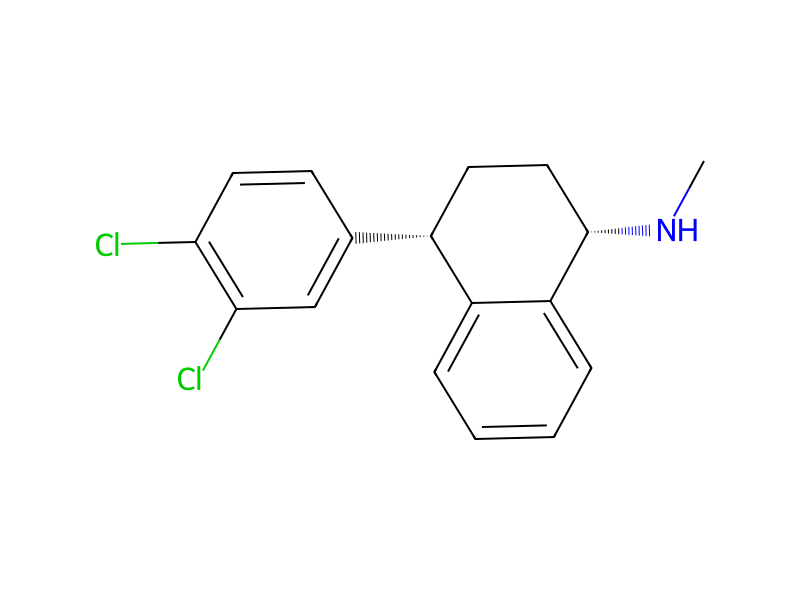
- 標準SMILES
CN[C@H]1CC[C@@H](c2ccc(Cl)c(Cl)c2)c2ccccc21- InChIKey
VGKDLMBJGBXTGI-SJCJKPOMSA-N- 分子式
- C17H17Cl2N
- 平均分子量
- 306.2 g/mol
- 単同位体質量
- 305.0738049
概要
Sertraline is a member of the class of tetralins that is tetralin which is substituted at positions 1 and 4 by a methylamino and a 3,4-dichlorophenyl group, respectively (the S,S diastereoisomer). A selective serotonin-reuptake inhibitor (SSRI), it is administered orally as the hydrochloride salt as an antidepressant for the treatment of depression, obsessive-compulsive disorder, panic disorder and post-traumatic stress disorder. It has a role as an antidepressant and a serotonin uptake inhibitor. It is a dichlorobenzene, a member of tetralins and a secondary amino compound. It is a conjugate base of a sertraline(1+). It derives from a hydride of a tetralin.
名称と識別子
- 優先名称
- Sertraline
- IUPAC
- (1S,4S)-4-(3,4-dichlorophenyl)-N-methyl-1,2,3,4-tetrahydronaphthalen-1-amine
- 現地名
- セルトラリン
- 英語名
- Sertraline
- 分子式
- C17H17Cl2N
- 分子量
- 306.23
名称と別名
sertraline79617-96-2(1S,4S)-4-(3,4-dichlorophenyl)-N-methyl-1,2,3,4-tetrahydronaphthalen-1-amine(+)-SertralineSertralinaSertralinumcis-(+)-sertralineCp 51974(1S,4S)-sertralineQUC7NX6WMB(1S-cis)-1,2,3,4-Tetrahydro-4-(3,4-dichlorophenyl)-N-methyl-1-naphthalenamineCHEBI:9123
名称をさらに表示
4β-(3,4-ジクロロフェニル)-1,2,3,4-テトラヒドロ-N-メチル-1β-ナフタレンアミン(1S,4S)-N-メチル-4-(3,4-ジクロロフェニル)-1,2,3,4-テトラヒドロナフタレン-1-アミン(1S)-4β-(3,4-ジクロロフェニル)-1,2,3,4-テトラヒドロ-N-メチルナフタレン-1-アミン(1S,4S)-4-(3,4-ジクロロフェニル)-1,2,3,4-テトラヒドロ-N-メチル-1-ナフタレンアミンゾロフト(1S)-1,2,3,4-テトラヒドロ-1β-メチルアミノ-4β-(3,4-ジクロロフェニル)ナフタレン(1S,4S)-N-メチル-4-(3,4-ジクロロフェニル)-1,2,3,4-テトラヒドロナフタレン-1β-アミン(1S,4S)-4-(3,4-ジクロロフェニル)-N-メチル-1,2,3,4-テトラヒドロナフタレン-1-アミン(1S)-N-メチル-4β-(3,4-ジクロロフェニル)テトラリン-1β-アミンセルトラリン(1S,4S)-1-(メチルアミノ)-4-(3,4-ジクロロフェニル)テトラリン(+)-セルトラリンcis-(+)-セルトラリン(1S,4S)-1β-(メチルアミノ)-4β-(3,4-ジクロロフェニル)テトラリンセトラリン(1S,4S)-1-(メチルアミノ)-4-(3,4-ジクロロフェニル)-1,2,3,4-テトラヒドロナフタレンZoloftSertraline for peak identification CRSTatigGlademcp51974AdjuvinSealdinAtrulineTresleen
DTXSID60235771-Naphthalenamine, 1,2,3,4-tetrahydro-4-(3,4-dichlorophenyl)-N-methyl-, (1S-cis)-AltrulineBesitranApo SertralineGen SertralineNovo Sertralineratio Sertraline
データベース識別子
- CAS
79617-95-1、79617-96-2- PubChem CID
- 68617
- DTXSID
DTXSID6023577- ChEMBL
CHEMBL809- ChEBI
CHEBI:9123- UNII
- AM64MTB95A、QUC7NX6WMB
- EC Number
- 616-708-3、642-001-4
- Nikkaji
- J33.072H
物性
構造計算による物性
- XLogP
- 4.8
- 極性表面積
- 12 Ų
- 水素結合供与体数
- 1
- 水素結合受容体数
- 1
- 回転可能結合数
- 2
- 重原子数
- 20
- 形式電荷
- 0
- 複雑度
- 322
実験および物理化学的性質
Chemical ClassesPharmaceutical
Drugs
DEA NFLIS-Drug Category -> Antidepressants
Drug
Pharmaceuticals -> Synthetic Cannabinoids or Psychoactive Compounds
Pharmaceuticals -> Listed in ZINC15
Pharmaceuticals -> SSRIs (Selective Serotonin Reuptake Inhibitors)
Pharmaceuticals -> Used in Switzerland
Solubility
3.8mg/mL
>45.9 [ug/mL] (The mean of the results at pH 7.4)
Human Drugs
Antidepressants -> Selective serotonin reuptake inhibitors (SSRI)
Breast Feeding; Lactation; Milk, Human; Antidepressive Agents; Serotonin Uptake Inhibitors
Pharmaceuticals
Endocrine DisruptorsPotential endocrine disrupting compound
Boiling Point416.3±45.0 °C
Melting Point245-246
Physical DescriptionSolid
Dissociation Constants
8
9.16
Collision Cross Section
167.7 Ų [M+H]+ [CCS Type: DT; Buffer gas: N2; Ionization: ESI+; Dataset: Antidepressants]
166.47 Ų [M+H]+ [CCS Type: TW; Method: calibrated with polyalanine and drug standards]
167.3 Ų [M+H]+ [CCS Type: DT; Method: single field calibrated]
Other Experimental Properties
MW: 342.70. Crystals, mp 243-245 °C. Specific optical rotation at 23 °C = +37.9 deg (c = 2 in methanol). Solubility at room temperature (mg/ml): water 3.8; 0.1N HCl 0.51; 0.1N NaOH 0.002; ethanol 15.7; isopropyl alcohol 4.3; chloroform 110; acetone 1.1; N,N-dimethylformamide 88; dimethylsulfoxide 147; ethyl acetate 0.20; acetonitrile 0.85; methanolic 0.1N HCl 47; chloroform/methanol (1:1) 134. pKa (ethanol:water, 1:1 v/v): 8.5. density = 1.37 /Sertraline hydrochloride/
物理化学的性質
- 沸点
- 416.3 · 416.3±45.0 °C(Predicted)
- 比重(密度)
- 1.25 · 1.25±0.1 g/cm3(Predicted)
- 酸解離定数(Pka)
- 9.48 · pKa 9.48±0.04(H2O I > 0)(Approximate)
- 水溶解度
- 0.1 g/L · <0.1g/L(室温)
- InChI
- InChI=1S/C17H17Cl2N/c1-20-17-9-7-12(13-4-2-3-5-14(13)17)11-6-8-15(18)16(19)10-11/h2-6,8,10,12,17,20H,7,9H2,1H3/t12-,17-/m0/s1
- InChIKey
- VGKDLMBJGBXTGI-SJCJKPOMSA-N
- SMILES
- [C@@H]1(NC)C2=C(C=CC=C2)[C@H](C2=CC=C(Cl)C(Cl)=C2)CC1
- CAS データベース
- 79617 · 79617-96-2(CAS DataBase Reference)
- NISTの化学物質情報
- Sertraline(79617-96-2)
- EPAの化学物質情報
- Sertraline (79617-96-2)
安全と法規制
GHS分類
GHS Classification
Warning
H302 (100%): Harmful if swallowed [Warning Acute toxicity, oral]
P264, P270, P273, P301+P317, P330, P391, and P501 (click each P-code to see the statement)
Aggregated GHS information provided per 2 reports by companies from 1 notifications to the ECHA C&L Inventory. Each notification may be associated with multiple companies.
安全と保護具
Disposal Methods
SRP: At the time of review, criteria for land treatment or burial (sanitary landfill) disposal practices are subject to significant revision. Prior to implementing land disposal of waste residue (including waste sludge), consult with environmental regulatory agencies for guidance on acceptable disposal practices.
毒性情報
Treatment
Treatment should consist of those general measures employed in the management of overdosage with any antidepressant. Ensure an adequate airway, oxygenation and ventilation. Monitor cardiac rhythm and vital signs. General supportive and symptomatic measures are also recommended. Induction of emesis is not recommended. Gastric lavage with a large-bore orogastric tube with appropriate airway protection, if needed, may be indicated if performed soon after ingestion, or in symptomatic patients. Activated charcoal should be administered. Due to large volume of distribution of this drug, forced diuresis, dialysis, hemoperfusion and exchange transfusion are unlikely to be of benefit. No specific antidotes for sertraline are known. (L1712)
Interactions
Examples of drug interactions with serotonin-reuptake inhibitors include potentiation of agents metabolized prominently by CYP1A2 (e.g. beta-adrenergic receptor antagonists, caffeine, several antipsychotic agents, & most tricyclic antidepressants); CYP2C9 (carbamazepine); CYP2C19 (barbiturates, imipramine, propranolol, phenyltoin); CYP2D6 (beta-adrenergic receptor antagonists, some antipsychotics, many antidepressants); CYP3A3/4 (benzodiazepines, carbamazepine, many antidepressants, & several antibiotics). /Serotonin-reuptake inhibitors/
Antidepressants potentiate the effects of alcohol & probably other sedatives. The anticholinergic activity of tricyclic antidepressants can add to that of antiparkinsonism agents, antipsychotic drugs of low potency (especially clozapine & thioridazine), or other compounds with antimuscarinic activity to produce toxic effects. Tricyclic antidepressants have prominent & potentially dangerous interactions with biogenic amines, such as norepinephrine, which normally are removed from their site of action by neuronal uptake. However, drugs that inhibit norepinephrine transport also block the effects of indirectly acting amines, such as tyramine, which must be taken up by sympathetic neurons to release norepinephrine. Presumable by a similar mechanism, tricyclic antidepressants prevent the antihypertensive action of adrenergic neuron blocking agents such as guanadrel. Tricyclic agents & trazodone also can block the centrally mediated antihypertensive action of clonidine. /Antidepressants/
Serotonin-reuptake inhibitors & virtually any agent with serotonin-potentiating activity can interact dangerously or even fatally with MAO inhibitors (particularly long-acting MAO inhibitors). ... The resulting reactions have been referred to as "serotonin syndrome". This syndrome typically includes akasthisia-like restlessness, muscle twitches & myoclonus, hyperreflexia, sweating, penile erection, shivering, & tremor as a prelude to more severe intoxication, with seizures & coma. The reaction is often self-limiting if the diagnosis is made quickly & the offending agents are discontinued. The precise pathophysiological mechanisms underlying these toxic syndromes remain ill-defined. Newer MAO inhibitors (e.g. selegiline, moclobemide) also should be considered to have some risk of such interactions. /Serotonin-reuptake inhibitors/
Because of its extensive protein binding. Sertraline may cause a shift in plasma concns of other drugs similarly tightly protein bound (eg, warfarin, propranolol). the risk of using sertraline in combination with other CNS adrenergic drugs has not been systematically evaluated. Sertraline appears to induce hepatic microsomal enzymes. Patients receiving a sertraline reuptake inhibitor drug in combination with a monoamine oxidase inhibitor may develop serious, sometimes fatal, reactions including hyperthermia, rigidity, myoclonus, autonomic instability, & mental changes (extreme agitation, delirium, coma). At least 14 days should be allowed after starting sertraline before starting a MAOI.
For more Interactions (Complete) data for SERTRALINE (7 total), please visit the HSDB record page.
Hepatotoxicity
Liver test abnormalities have been reported to occur in up to 1% of patients on sertraline, but elevations are usually modest and infrequently require dose modification or discontinuation. Rare instances of acute, clinically apparent episodes of liver injury with marked liver enzyme elevations with or without jaundice have been reported in patients on sertraline. The onset of injury is usually within 2 to 24 weeks and the pattern of serum enzyme elevations has varied from hepatocellular to mixed and cholestatic. Autoimmune (autoantibodies) and immunoallergic features (rash, fever, eosinophilia) are uncommon. Acute liver failure due to sertraline has been described but is very rare.
Adverse Effects
SSRIs, considered a newer class of antidepressants, are better tolerated than tricyclic antidepressants or monoamine oxidase inhibitors. The primary side effects of sertraline include syncope, lightheadedness, diarrhea, nausea, sweating, dizziness, xerostomia, confusion, hallucinations, tremor, somnolence, impotence, a disorder of ejaculation, fatigue, rhinitis, and female sexual disorder.
Exposure Routes
The effects of food on the bioavailability of the sertraline tablet and oral concentrate were studied in subjects administered a single dose with and without food. For the tablet, AUC was slightly increased when drug was administered with food but the Cmax was 25% greater, while the time to reach peak plasma concentration (Tmax) decreased from 8 hours post-dosing to 5.5 hours. For the oral concentrate, Tmax was slightly prolonged from 5.9 hours to 7.0 hours with food.
Toxicity Summary
IDENTIFICATION: Sertraline is a selective serotonin reuptake inhibitor antidepressant agent. Sertraline hydrochloride is a white solid crystal or powder. It is soluble in water and slightly soluble in isopropyl alcohol. Indications: Psychoanaleptic Antidepressant and bicyclic antidepressant Accepted: Major mental depression and prevention of relapse and recurrence of depression. HUMAN EXPOSURE: Main risks and target organs: Sertraline is a selective serotonin reuptake inhibitor (SSRI). When taken alone it is safer in overdose than most other classes of antidepressants. Patients who ingest a sertraline overdose generally experience only mild neurological and gastroenterological symptoms; significant cardiovascular toxicity is unusual. The serotonergic effects of sertraline may be enhanced when sertraline is combined with tricyclic antidepressants, monoamine oxidase inhibitors (MAOIs), carbamazepine, lithium or serotonergic substances. A life threatening serotonin syndrome consisting of hyperthermia, tremor and convulsions can develop when sertraline is ingested with these drugs. Summary of clinical effects: Lightheadedness, drowsiness, tremor in upper extremities; nausea, vomiting, diarrhea. Diagnosis: Diagnosis of sertraline poisoning is clinical and based on history of overdose and/or access to sertraline and the presence of minor neurological and/or gastroenterological symptoms. Co-ingestion of tricyclic antidepressants and/or MAOIs should be suspected and the diagnosis of the serotonin syndrome should be considered in the presence of three or more of the following symptoms: behavioral change (confusion or hypomania), agitation, myoclonus, ocular clonus, sustained ankle clonus, hyperreflexia, sweating, shivering, tremor, diarrhea, motor incoordination, muscle rigidity, fever. The differential diagnoses include neuroleptic malignant syndrome, acute poisoning with strychnine, acute sepsis, or severe metabolic disturbance. Contraindications: Absolute: Hypersensitivity to sertraline. Children less than 15 years old. Co-administration of sumatriptan, non selective monoamine oxidase inhibitor (MAOI) and MAOI B-selective antidepressants. Relative: Co-administration of MAOI A-selective antidepressants. Pregnancy and breast feeding. Routes of exposure: Oral: Sertraline is available as capsules, thus ingestion is the most common route of exposure. Kinetics: Absorption by route of exposure: Sertraline is slowly and completely absorbed from the gastrointestinal tract. Peak plasma concentrations (Cmax) occur between 4.5 and 8.5 hours after ingestion of a single dose. The presence of food slightly increases sertraline bioavailability and Cmax increases by 25%. Sertraline undergoes extensive first pass metabolism in the liver. Distribution by route of exposure: Widely distributed throughout body tissues and highly bound to plasma proteins (about 98 %). The apparent volume of distribution is 20 L/kg. The plasma sertraline level was reported to be 20 to 48 ug/L after at least 1 week of treatment with 100 mg sertraline daily, and it ranged from 40 to 187 ug/L after 200 mg. Plasma sertraline concentrations increase proportionally to the administered dose, unlike fluoxetine and paroxetine. Cmax and area under the plasma concentration-time curve values are increased, and elimination half-life is prolonged in elderly patients but these changes do not appear to warrant dose adjustment in this patient group. Biological half-life by route of exposure: After oral doses, plasma half-life is 24 to 26 hours. Metabolism: Sertraline is extensively metabolized in the liver to N-desmethylsertraline, whose half-life is 2 to 3 times longer than sertraline. N-desmethylsertraline is 10 times less active as an inhibitor of serotonin re-uptake in vitro, and has almost no activity in animal models. Elimination and excretion: N-desmethylsertraline is oxidatively deaminated to desmethylsertraline ketone which, in turn, undergoes hydroxylation to an alpha-hydroxyketone and alcohol; these metabolites are then conjugated and excreted in equal amounts in the urine and feces; a small amount of unchanged drug (less than 0.2 %) is excreted in the urine. There are few data about the excretion of sertraline and its metabolites in breast milk did not detect sertraline in the serum of an infant exclusively breastfed by his mother, after 3 weeks and 7 weeks of treatment, although sertraline could be detected in breast milk. Pharmacology and toxicology: Mode of action: Toxicodynamics: Sertraline is a potent inhibitor of serotonin re-uptake by central nervous system neurones and may interact with other drugs or circumstances which cause serotonin release. The enhancement of the serotonergic effects may produce a life-threatening serotonin syndrome. Sertraline, like the other SSRIs fluoxetine and paroxetine, can inhibit in vivo and in vitro, the hepatic isoenzyme 2D6 of the cytochrome P450 system (CYP2D6), which is involved in the oxidative metabolism of numerous drugs. Caution should be used when combining sertraline with CYP2D6 substrates (desipramine, nortriptyline, haloperidol, thioridazine, flecainide, codeine, propranolol, metoprolol), as sertraline can cause a significant increase in the serum concentrations of these drugs. In vitro studies suggest that sertraline may be a substrate for, but does not inhibit another hepatic iso-enzyme of the cytochrome P450 system, CYP3A3/4, which is involved in the metabolism of carbamazepine. A study performed in healthy volunteers showed no evidence of a pharmacodynamic drug-drug interaction between sertraline and carbamazepine. Pharmacodynamics: Sertraline specifically inhibits central nervous system neuronal re-uptake of serotonin, thus increasing the concentration of the serotonin at the synapse and enhancing of serotonergic neuronal transmission. The increased availability of serotonin is thought to be linked with the improvement in depression accounted for by sertraline treatment. Sertraline has no direct effect on the re-uptake of noradrenaline, dopamine or GABA. Unlike most tricyclic antidepressants, it has no significant affinity for alpha1-adrenergic, H1-histamine, and muscarinic receptors. Furthermore, sertraline does not show significant affinity for D1 and D2 dopaminergic, alpha2 and adrenergic, benzodiazepine and opioid receptors. The selectivity of sertraline may account for the lower incidence of some adverse effects such as sedation, orthostatic hypotension and anticholinergic effects. Like tricyclic antidepressants, MAOIs, and other SSRIs, sertraline significantly reduces REM (rapid eye movement) sleep density, REM time and the REM percentage of total sleep time in patients with major depression. Adults: Overdoses up to 4500 mg of sertraline alone produced mild drowsiness and serious toxicity did not develop in the 48 patients. Children: In a case series of pediatric overdoses, sertraline caused no symptoms in 10 children less than 5 year old; eight of these received gastrointestinal decontamination. Interactions: Coadministration of drugs increasing the level of serotonin: tricyclic antidepressants, other SSRIs, MAOIs, reversible inhibitors of monoamine oxidase (RIMAs), lithium, may cause a serotonin syndrome. At least 2 weeks should elapse after discontinuing a MAOI before starting therapy with sertraline. Sertraline should be stopped at least 1 week before beginning MAOI therapy. Sertraline should not be concomitantly used with sumatriptan, which is a selective agonist at serotonin type 1D receptors, because of possible hypertensive crises and severe coronary vasoconstriction, and advises a washout period of 1 week after cessation of sertraline. A clinical study involving 103 episodes of migraine in patients taking any SSRIs, did not show evidence of significant adverse effects. Cimetidine inhibits the metabolism of sertraline, leading to increased plasma concentrations; close clinical monitoring and/or reduced sertraline doses are recommended. By extrapolation from data available for fluoxetine, drug interactions with oral anticoagulants and carbamazepine might occur, though in vitro and in vivo studies performed with carbamazepine did not show evidence of interactions and though no cases have been reported to date. Treatment with sertraline was associated with worsening and/or recurrence of the lysergide (LSD) flashbacks in two adolescents with a long history of polydrug abuse. They had stopped taking LSD 10 months before sertraline therapy. Main adverse effects: The most common adverse effects reported with therapeutic doses of sertraline are primarily nausea, diarrhea, dyspepsia, dry mouth, insomnia, somnolence, tremor, dizziness, headache and male sexual dysfunction (delayed ejaculation). These adverse effects are reported to occur in 10 to 20 % of patients, and they cause patients to stop therapy in approximately 1 to 4 % of cases. Manic episodes may be provoked in patients with bipolar disorders. If this occurs, sertraline should be discontinued and a sedative antipsychotic drug should be administered. Less common adverse effects include, pruritus, alopecia, and extrapyramidal symptoms. Several cases of hyponatremia and the syndrome of inappropriate secretion of antidiuretic hormone (SIADH) have been reported, mainly in elderly patients. Galactorrhea developed in a 40 year old woman receiving sertraline 150 mg/day during 11 week of dosing. Several cases of stuttering have been described. Bruxism causing significant physical consequences was associated with sertraline and other SSRIs in a case series reported. A case of anisocoria was reported. Increase in serum AST and ALT levels has occurred, and returned to normal after treatment was stopped. Sertraline caused prolonged bleeding time in one patient; agranulocytosis was also reported. ANIMAL/PLANT STUDIES: Symptomatology: decreased food intake, hyperactivity, muscular weakness, convulsions. Chronic toxicity: oral doses of serataline for 6 and 12 months; several adverse effects occurred during the first weeks, including hypersalivation, abnormal movements of the head, disorientation, agitation; resulted in convulsions in 2 dogs; all of these effects where temporary and resolved spontaneously despite continuation of sertraline administration. An increase of liver weight associated with a rise in plasma alkaline phosphatase enzymes was noted, due to the properties of enzyme induction of sertraline. Carcinogenicity: Animal studies: In rats a slight increase in the number of follicular and thyroid adenomas was observed in relation with hepatic enzyme induction; these findings cannot be extrapolated to man, because of species differences in the metabolic mechanisms. Teratogenicity: Animal studies: Fertility in rats was not affected. Sertraline did not show embryotoxic or teratogenic properties in rat and rabbit models. However, in the rat, sertraline caused a delay in fetal ossification and a delay in apparition of teeth in the young. A decrease in food intake inducing a delay in growth in the young, proportional to the administered dose, sometimes associated with hyperactivity, was also observed. Mutagenicity: In vitro and in vivo: sertraline did not show mutagenicity for chromosomes and genes.
The overdose of sertraline is generally well-tolerated. Sertraline toxicity may result in serotonin syndrome, resulting in myoclonus, muscle rigidity, diaphoresis, tremor, hyperreflexia, agitated delirium, and hyperthermia. Treatment of serotonin syndrome requires discontinuing the medication and supportive care. Consider antiemetics (non-serotonergic), benzodiazepines, and standard cooling measures for symptom relief. The patient can also receive serotonin antagonists such as cyproheptadine. If severe toxicity and the patient develops muscular rigidity and hyperthermia with body temperatures higher than 41 degrees C, consider sedation, endotracheal intubation, external cooling, and neuromuscular paralysis. It is important to note that antipyretics are likely not beneficial to patients experiencing hyperthermia due to serotonin syndrome.
The exact mechanism of action sertraline is not fully known, but the drug appears to selectively inhibit the reuptake of serotonin at the presynaptic membrane. This results in an increased synaptic concentration of serotonin in the CNS, which leads to numerous functional changes associated with enhanced serotonergic neurotransmission. It is suggested that these modifications are responsible for the antidepressant action observed during long term administration of antidepressants. It has also been hypothesized that obsessive-compulsive disorder is caused by the dysregulation of serotonin, as it is treated by sertraline, and the drug corrects this imbalance.
Signs and SymptomsSymptoms of toxicity include alopecia, decreased libido, diarrhea, ejaculation disorder, fatigue, insomnia, somnolence and serotonin syndrome.
Human Toxicity Excerpts
A 23 yr old woman with a past history of depression ingested an overdose of 700-1000 mg; a 28 yr old man took an overdose of 2100 mg. Both received gastric lavage & recovered fully with no sequelae. A 43 yr old woman with a past history of depression took an overdose of 1400 mg together with unsuspected amounts of mefenamic acid, temazepam, & alcohol; the patient was discharged the next day with no sequelae. None of the 4 cases of overdose reported to the manufacturer with a max ingestion of 2.6 g of sertraline (equivalent to 13 times the max daily dose) required intensive monitoring & there were no significant changes in vital signs, cardiovascular function, or level of consciousness. ... Up to 4500 mg my be tolerated without profound toxicity.
In a U.S. series of 6 cases of overdose, all experienced lethargy & 4 had sinus tachycardia. All recovered within 24 hr of gastric lavage, activated charcoal, & supportive care. The quantity of sertraline ingested & the time before symptoms were noted were not provided in the report. Sertraline does produce the classic toxic syndrome associated with cyclic antidepressants.
Sertraline has a wide margin of safety in overdose. However, deaths have occurred in overdoses involving sertraline in combination with other drugs and/or alcohol. Symptoms of overdose resemble the side/adverse effects occurring with therapeutic doses, but may be more intense or several symptoms may occur together. The following effects have been selected on the basis of their potential clinical significance ... not necessary inclusive: Anxiety; drowsiness; electrocardiogram (ECG) changes; mydriasis (unusually large pupils); nausea; tachycardia (unusually fast heartbeat); vomiting. NOTE: Some patients may develop the serotonin syndrome, a potentially fatal symptom complex, in response to acute overdose with sertraline. The serotonin syndrome may be manifested by mental status changes, restlessness, myoclonus, hyperreflexia, diaphoresis, shivering, tremor, diarrhea, incoordination, and/or fever.
Limited data are available regarding the use of sertraline (Zoloft) during pregnancy. The California Teratogen Information Service prospectively ascertained 112 pregnant women taking sertraline and compared outcomes to those of 191 women ascertained for nonteratogenic exposures. The rate of major anomalies did not differ significantly between the groups (3.8% vs. 1.9%). Anomalies in the sertraline group included bilateral choanal atresia, valvular pulmonic stenosis with an atrial septal aneurysm, unilateral clubfoot, and Down Syndrome in a pregnancy that was terminated. Among the 158 infants who received a dysmorphological examination, the frequency of minor anomalies was similar in the two groups. There was a nonsignificant excess of spontaneous abortions in the sertraline group (16.7% vs. 10.9%, p = 0.17). Infants exposed to sertraline in the third trimester compared to those with earlier exposure or controls were more often premature (16.3%, 9.3%, 7.5%, trend p = 0.10), had neonatal transition difficulty (adj OR 10.3, 95% CI 3.9, 27.1), or were admitted to a special care nursery (adj OR 6.9, 95% CI 2.5, 25.9). Furthermore, there was evidence of a dose response relationship for the latter two endpoints. These data confirm previous findings indicating that sertraline is not a structural teratogen. They provide further evidence that neonatal complications are more common in infants born to women who take SSRI's late in pregnancy.
For more Human Toxicity Excerpts (Complete) data for SERTRALINE (6 total), please visit the HSDB record page.
Carcinogen ClassificationNo indication of carcinogenicity to humans (not listed by IARC).
Drug Induced Liver Injury
Benchmark Dataset for the Liver Toxicity Knowledge Base (LTKB)
sertraline
Zoloft®
Antidepressants
3
less-DILI-concern drugs
Non-Human Toxicity Excerpts
Reproduction studies in rats & rabbits did not reveal teratogenicity, but delayed ossification of the fetuses occurred that was thought to be secondary to effects on the mothers. A probable direct effect on the fetuses resulting in decreased neonatal survival was observed with maternal doses as low as 5 times the max human mg/kg dose.
In lifetime carcinogenicity studies, there was a dose-related increase in the incidence of liver adenomas in male CD-1 mice receiving sertraline at doses of 10 to 40 mg/kg body weight per day (less than and equal to the maximum recommended human dose (MRHD) on a mg per square meter of body surface area basis). However, liver adenomas have a variable rate of spontaneous occurrence in the CD-1 mouse, and the significance of this finding to use in humans is unknown. No increases in live adenomas was seen in Long-Evans rats or in female CD-1 mice receiving doses of up to 40 mg/kg. No increase in the incidence of hepatocellular carcinomas was seen in studies. Female rats receiving 40 mg/kg (two times the MRHD on a mg/sq m basis) had an increase in follicular adenomas of the thyroid, unaccompanied by thyroid hyperplasia. Rats receiving 10 to 40 mg/kg (0.5 to 2 times the MRHD on a mg/sq m basis) showed an increase in uterine adenocarcinomas compared with placebo controls, but this effect was not clearly drug-related.
A decrease in fertility was seen in one of two studies in rats that received 80 mg/kg of sertraline per day (four times the MRHD on a mg/sq m basis).
The toxicity profile of the antidepressant drug sertraline was determined in a series of preclinical studies in mice, rats, rabbits and dogs. Acute, subchronic, reproductive, chronic and carcinogenicity studies were conducted by the oral route. The highest doses tested in these studies were the maximum tolerated doses based on clinical signs, decreased food consumption, body weight effects, organ weight changes or clinical/anatomical pathology findings. Genetic toxicity studies were also performed. The liver was identified as a target organ in the mouse, rat and dog. The observed liver findings were consistent with hepatic xenobiotic-metabolizing enzyme induction and included hepatomegaly, hepatocellular hypertrophy, slightly increased serum transaminase activity and proliferation of smooth endoplasmic reticulum. Hepatocellular fatty change, a minimal toxic effect, was seen in mice and rats. There was no teratogenicity in studies conducted at maternally toxic doses in rats and rabbits. Decreased neonatal survival and growth observed in these studies have been previously reported in reproduction studies with serotonin reuptake inhibitors. Sertraline was not genotoxic in an extensive battery of tests. Carcinogenicity tests were negative in rats, while benign liver tumors were slightly increased in drug-treated male mice. Liver tumors were considered secondary to the enzyme inducing potential of sertraline and not indicative of human risk.
Recent studies suggest that serotonin (5-HT) may play a role in morphogenesis in the mouse embryo. The possible involvement of 5-HT in early development suggests that substances which interfere with serotonergic activities may have teratogenic potential. Therefore, the ability of sertraline, a selective 5-HT uptake inhibitor, to cause developmental defects was investigated. Mouse embryos, in whole embryo culture, were exposed during gastrulation (day 8; plug day = day 1) or neurulation (day 9) to 5-20 uM sertraline and examined for malformations after 48-60 hours. Dose dependent effects were observed on growth and expansion of the prosencephalon and on development of the first visceral arch, following exposure at both stages. Exposure to 20 uM sertraline at day 9 caused a high incidence of embryolethality which was not observed after treatment with the same dose at a later stage (day 9.5). These results lend further support to a functional role for 5-HT during these stages of development and for the teratogenic potential of 5-HT uptake inhibitors, which include a number of clinically relevant antidepressant compounds.
Antidote and Emergency Treatment
Treatment of overdose is largely symptomatic & supportive. Patients should be hospitalized where adequate oxygen, cardiac monitoring, & a central line are available. An airway should be established & maintained, & adequate oxygenation & ventilation ensured. Cardiac function & vital signs must be monitored. The possibility of multiple-drug involvement should be considered. Activated charcoal, used with sorbitol, may be as or more effective than emesis. ... Because of the large volume of distribution & extensive protein binding of sertraline, forced diuresis, dialysis, hemoperfusion, & exchange transfusion are not likely to be of benefit. There is no specific antidote. Patients should remain under observation for at least 48 hr after an overdose (the metabolite has a half-life of several days).
/SRP:/ Basic treatment: Establish a patent airway. Suction if necessary. Watch for signs of respiratory insufficiency and assist ventilations if needed. Administer oxygen by nonrebreather mask at 10 to 15 L/min. Monitor for pulmonary edema and treat if necessary ... . Monitor for shock and treat if necessary ... . Anticipate seizures and treat if necessary ... . For eye contamination, flush eyes immediately with water. Irrigate each eye continuously with normal saline during transport ... . Do not use emetics. For ingestion, rinse mouth and administer 5 ml/kg up to 200 ml of water for dilution if the patient can swallow, has a strong gag reflex, and does not drool ... . Cover skin burns with dry sterile dressings after decontamination ... . /Poison A and B/
/SRP:/ Advanced treatment: Consider orotracheal or nasotracheal intubation for airway control in the patient who is unconscious, has severe pulmonary edema, or is in respiratory arrest. Positive pressure ventilation techniques with a bag valve mask device may be beneficial. Monitor cardiac rhythm and treat arrhythmias as necessary ... . Start an IV with D5W /SRP: "To keep open", minimal flow rate/. Use lactated Ringer's if signs of hypovolemia are present. Watch for signs of fluid overload. Consider drug therapy for pulmonary edema ... . For hypotension with signs of hypovolemia, administer fluid cautiously. Watch for signs of fluid overload ... . Treat seizures with diazepam (Valium) ... . Use proparacaine hydrochloride to assist eye irrigation ... . /Poison A and B/
安全データ
- risk_code
- 36/37/38
- hazard_code
- Xi
- safety_code
- 26-36
- 環境リスク評価
- セルトラリン(79617-96-2)
- 有毒物質データの
- 79617-96-2(Hazardous Substances Data)
化学と産業
薬理情報
ATC Code
N06AB06
N - Nervous system
QN - Nervous system
Protein BindingSertraline is highly bound to serum proteins, at about 98%-99%.
Pharmacodynamics
Sertraline improves or relieves the symptoms of depression, OCD, post-traumatic stress disorder, obsessive-compulsive disorder, panic disorder, and premenstrual dysphoric disorder via the inhibition of serotonin reuptake. Clinical studies have shown that it improves cognition in depressed patients. It has less sedative, anticholinergic, and cardiovascular effects than the tricyclic antidepressant drugs because it does not exert significant anticholinergic, antihistamine, or adrenergic (alpha1, alpha2, beta) blocking activity. The onset of action and beneficial effects are usually noticed after 4-6 weeks, for reasons that are not fully understood and currently under investigation.
Mechanism of Action
Sertraline selectively inhibits the reuptake of serotonin (5-HT) at the presynaptic neuronal membrane, thereby increasing serotonergic activity. This results in an increased synaptic concentration of serotonin in the CNS, which leads to numerous functional changes associated with enhanced serotonergic neurotransmission. These changes are believed to be responsible for the antidepressant action and beneficial effects in obsessive-compulsive (and other anxiety related disorders). It has been hypothesized that obsessive-compulsive disorder, like depression, is also caused by the disregulation of serotonin. In animal studies, chronic administration of sertraline results in down-regulation of brain norepinephrine receptors. Sertraline displays affinity for sigma-1 and 2 receptor binding sites, but binds with stronger affinity to sigma-1 binding sites. In vitro, sertraline shows little to no affinity for GABA, dopaminergic, serotonergic (5HT1A, 5HT1B, 5HT2), or benzodiazepine receptors. It exerts weak inhibitory actions on the neuronal uptake of norepinephrine and dopamine and exhibits no inhibitory effects on the monoamine oxidase enzyme.
Sertraline is a selective 5-HT reuptake inhibitor. It does not have cardiovascular, anticholinergic, antidopaminergic, convulsant, or monoamine oxidase-inhibiting effects. Most antidepressants are associated with either norepinephrine reuptake inhibition, 5-HT reuptake inhibition, & monoamine oxidase inhibition. Sertraline does not cause significant reuptake blockade of dopamine or norepinephrine. Sertraline through inhibition of 5-HT release, may cause beta-adrenoceptor downregulation.
Biological Half-Life
The elimination half-life of sertraline is approximately 26 hours. One reference mentions an elimination half-life ranging from 22-36 hours.
Elimination half-life, parent (metabolite): 24 (65) hours. /from table/
Elimination half-life: 24 to 26 hours
Metabolism/Metabolites
Sertraline is heavily metabolized in the liver and has one major active metabolite. It undergoes N-demethylation to form N-desmethylsertraline, which is much less potent in its pharmacological activity than sertraline. In addition to N-demethylation, sertraline metabolism involves N-hydroxylation, oxidative deamination, and finally, glucuronidation. The metabolism of sertraline is mainly catalyzed by CYP3A4 and CYP2B6, with some activity accounted for by CYP2C19 and CYP2D6.
Sertraline undergoes extensive metabolism. The parent drug is N-demethylated, followed by glucuronidation, deamination, or both. Most metabolites in the urine are alpha-hydroxy-ketone glucuronides.
Depression is one of the most common psychiatric disorders. A variety of different chemical structures have been found to have antidepressant activity. The number is constantly growing; however, as yet, no one group has been found to have a clear therapeutic advantage over the others. The major indication for antidepressant drugs is depression, but a number of side effects have been established by clinical experience and controlled trials. It is clear that, to some extent, any drug or chemical substance administered to the mother is able to cross the placenta unless it is destroyed or altered during metabolism. Placental transport of maternal substrates to the fetus and of substances from the fetus to the mother is established at about the fifth week of fetal life. Traditionally, teratogenic effects of antidepressants or other drugs have been noted as anatomic malformation. It is clear that these are dose- and time-related and that the fetus is at great risk during the first 3 months of gestation. However, it is possible for antidepressants to exert their effects on the fetus at other times during pregnancy as well as to infants during lactation. Administration of antidepressants to pregnant women presents a unique problem for the physician. Not only must maternal pharmacologic mechanisms be taken into consideration when prescribing an antidepressant drug, but the fetus must also be regarded as a potential recipient of the drug. Certain results are evident with regard to drugs administered during lactation. It is essential that physicians need to be aware of the results of animal studies in this area and of the potential risk of maternal drug ingestion to the suckling infant.
Sertraline has known human metabolites that include N-desmethylsertraline.
Extensively metabolized in the liver. Sertraline metabolism involves <i>N</i>-demethylation, <i>N</i>-hydroxylation, oxidative deamination, and glucuronidation of sertraline carbamic acid. Sertraline undergoes <i>N</i>-demethylation primarily catalyzed by cytochrome P450 (CYP) 2B6, with CYP2C19, CYP3A4 and CYP2D6 contributing to a lesser extent. Deamination occurs via CYP3A4 and CYP2C19. <i>In vitro</i> studies have shown that monoamine oxidase A and B may also catalyze sertraline deamination. Sertraline <i>N</i>-carbamoyl glucuronidation has also been observed in human liver microsomes. Route of Elimination: Sertraline is extensively metabolized and excretion of unchanged drug in urine is a minor route of elimination. Half Life: The elimination half-life of sertraline is approximately 25-26 hours. The elimination half-life of desmethylsertraline is approximately 62-104 hours.
FDA Pharmacological Classification
QUC7NX6WMB
SERTRALINE
Established Pharmacologic Class [EPC] - Serotonin Reuptake Inhibitor
Mechanisms of Action [MoA] - Serotonin Uptake Inhibitors
Mechanisms of Action [MoA] - Cytochrome P450 2D6 Inhibitors
Sertraline is a Serotonin Reuptake Inhibitor. The mechanism of action of sertraline is as a Serotonin Uptake Inhibitor and Cytochrome P450 2D6 Inhibitor.
MeSH Pharmacological Classification
Mood-stimulating drugs used primarily in the treatment of affective disorders and related conditions. Several MONOAMINE OXIDASE INHIBITORS are useful as antidepressants apparently as a long-term consequence of their modulation of catecholamine levels. The tricyclic compounds useful as antidepressive agents (ANTIDEPRESSIVE AGENTS, TRICYCLIC) also appear to act through brain catecholamine systems. A third group (ANTIDEPRESSIVE AGENTS, SECOND-GENERATION) is a diverse group of drugs including some that act specifically on serotonergic systems.
Compounds that specifically inhibit the reuptake of serotonin in the brain.
Absorption, Distribution and Excretion
Following once-daily administration of 50 to 200 mg for two weeks, the mean peak plasma concentrations (Cmax) of sertraline occurred between 4.5 to 8.4 hours after administration, and measured at 20 to 55 μg/L. Steady-state concentrations are reached after 1 week following once-daily administration, and vary greatly depending on the patient. Bioavailability has been estimated to be above 44%. The area under the curve in healthy volunteers after a 100mg dose of sertraline was 456 μg × h/mL in one study. **Effects of food on absorption** The effects of food on the bioavailability of the sertraline tablet and oral concentrate were studied in subjects given a single dose with and without food. For the tablet, AUC was slightly increased when sertraline was administered with food, the Cmax was 25% greater, and the time to peak plasma concentration was shortened by about 2.5 hours. For the oral concentrate preparation of sertraline, peak concentration was prolonged by approximately 1 hour with the ingestion of food.
Since sertraline is extensively metabolized, excretion of unchanged drug in the urine is a minor route of elimination, with 12-14% of unchanged sertraline excreted in the feces.
Sertraline is widely distributed, and its volume of distribution is estimated to be more than 20L/kg. Post-mortem studies in humans have measured liver tissue concentrations of 3.9–20 mg/kg for sertraline and between 1.4 to 11 mg/kg for its active metabolite, N-desmethyl-sertraline (DMS). Studies have also determined sertraline distributes into the brain, plasma, and serum.
In pharmacokinetic studies, the clearance of a 200mg dose of sertraline in studies of both young and elderly patients ranged between 1.09 ± 0.38 L/h/kg - 1.35 ± 0.67 L/h/kg.
GI absorption: >or= 44%; time to reach peak plasma concn: 6-8 hr; oral clearance (single dose): 96 L/hr; protein binding: 99%; urinary excretion (radioactivity): 44% of oral dose; fecal excretion (radioactivity): 44% of oral dose. /from table/
Sertraline is absorbed readily through the GI tract. Its absolute bioavailability has not been determined in humans. It displays first-order kinetics. Max plasma concns following doses of 50 & 200 mg are 22-29 ug/L (ng/ml). These concns are reached in 4.5-8.4 hr. Serum levels at steady state are 10-120 ng/mL of sertraline & its desmethyl metabolites. Plasma protein binding is extensive (approx 98%) to both albumin & alpha1-acid glycoprotein. At concns up to 300 & 200 ug/mL, respectively, sertraline & N-desmethyl-sertraline do not appear to alter the plasma protein binding of two other highly protein-bound drugs, warfarin & propranolol. Distribution following oral admin of sertraline is biphasic with a prolonged absorption phase. The elimination phase begins 12-16 hr following the dose. The volume of distribution has not been determined in humans but is more than 20 L/kg in rats & dogs. Both sertraline & its metabolites exhibit extensive distribution into tissues outside the blood. ... The elimination half-life (beta) of sertraline in humans is 24-25 hr. The clinically active desmethyl metabolite is eliminated more slowly than the parent drug with a half-life of approx 66 hr. Unchanged sertraline is not detected in the urine.
Tissue LocationsBrain
Cellular LocationsMembrane
用途と製造
Uses
As selective seratonin reuptake inhibitor for treatment of depression & obsessive-compulsive disorder; perhaps treatment of obesity & reduction of alcohol craving.
For treatment of panic disorder and posttraumatic stress disorder.
Use (kg; approx.) in Germany (2009): >2500
For the management of major depressive disorder, posttraumatic stress disorder, obsessive-compulsive disorder, panic disorder with or without agoraphobia, premenstrual dysphoric disorder, social phobia, premature ejaculation, and vascular headaches.
Formulations/PreparationsActive ingredient in the drug Zoloft produced by Pfizer (oral concentrate and oral tablets) /Sertraline hydrochloride/
Use ClassificationPharmaceuticals
応用分野
用途セルトラリン(英語: Sertraline)は、選択的セロトニン再取り込み阻害薬 (SSRI) と呼ばれる抗うつ薬の一つである。適応はうつ病?うつ状態、パニック障害、心的外傷後ストレス障害。医薬品、医療機器等の品質、有効性及び安全性の確保等に関する法律における劇薬である。
来歴The history of sertraline dates back to the early 1970s when Pfizer chemist Reinhard Sarges invented a novel series of psychoactive compounds, including lometraline, based on the structures of the neuroleptics thiothixene and pinoxepin. Further work on these compounds led to tametraline, a norepinephrine and weaker dopamine reuptake inhibitor. A few years later, in 1977, pharmacologist Kenneth Koe, after comparing the structural features of a variety of reuptake inhibitors, became interested in the tametraline series. He asked another Pfizer chemist, Willard Welch, to synthesize some previously unexplored tametraline derivatives. Welch generated several potent norepinephrine and triple reuptake inhibitors, but to the surprise of the scientists, one representative of the generally inactive cis-analogs was a serotonin reuptake inhibitor. Welch then prepared stereoisomers of this compound, which were tested in vivo by animal behavioral scientist Albert Weissman. The most potent and selective (+)-isomer[a] was taken into further development and eventually named sertraline.
使用Antidepressant;5-HT uptake inhibitor
一般的な説明Inspection of sertraline (Zoloft) (1S,4S) reveals the pharmacophorefor SERT inhibition. The Cl substituents alsopredict tropism for a 5-HT system. The depicted stereochemistryis important for activity.
上流・下流製品情報
上流原料
下流製品
サプライヤー50 社
北京华美互利生物化工010-56205725 · [email protected]
艾吉析科技(上海)有限公司17717235263 · [email protected]
Hebei baicao biology science and technology co., ltd+86-19131911055 17824879454 · [email protected]
Shaanxi LonierHerb Bio Technology Co Ltd+86-86-+86-86-029-87551862 15002946897 · [email protected]
江苏艾康生物医药研发有限公司025-58851090 19370895928 · [email protected]
杭州品高化工有限公司0571-87658025 · [email protected]
四川奥邦医药贸易有限公司+86-28-+86-28-87843998-6060-6060 +86-18980796919 · [email protected]
普善实业(陕西)有限公司029-81310890 18165209495 · [email protected]
Suzhou ARTK Medchem Co., Ltd.+86-18168183658 · [email protected]
Hebei Yanxi Chemical Co., Ltd.+86-17531190177 · [email protected]
Sinoway Industrial co., ltd.+86-0592-5800732 +86-13806035118 · [email protected]
浙江珲达生物科技有限公司0571-89903022 18679456698 · [email protected]
LGM Pharma1-(800)-881-8210 · [email protected]
武汉易泰科技有限公司上海分公司18930552037 · [email protected]
广东云星生物技术有限公司0751-18902340975/189023400307 18902340307 · [email protected]
广东方信生物科技有限公司0751-2838688 13376594225 · [email protected]
西安泽邦生物科技有限公司[email protected]
上海泰坦科技股份有限公司400-6009262 15618770481 · [email protected]
上海梅凯科技有限公司021-68689288 15300790979 · [email protected]
河北茹麒科技有限公司176-03256889 17603256889 · [email protected]
湖北成海化工有限公司027-59220433 18327245847 · [email protected]
合肥朝博科技有限公司19322001459
Clearsynth Labs Limited+91-22-26355700 · [email protected]
陕西麟邦实业有限公司17709134430 · [email protected]
上海陶素生化科技有限公司021-33632979 · [email protected]
上海丽康新材料有限公司+86-16631818819 +86-17736933208 · [email protected]
湖北巨胜科技有限公司027-59599241 18871490274 · [email protected]
池州凯隆进出口贸易有限公司[email protected]
天津荣燊化工有限公司18317763565; 18317763565 · [email protected]
江苏倍达医药科技有限公司0512-63009836 18994340901 · [email protected]
上海昕凯医药科技有限公司21-619849051-1 18521059765 · [email protected]
南兴化工(江苏)有限公司0512-66387035 18662433356 · [email protected]
上海皓之翔生物科技有限公司(原上海拓青化工有限公司)526763801 13301653310 · [email protected]
北京禾兴源科技有限公司18511709189 · [email protected]
杭州安凯生物医药有限公司+86-0571-28186870; +undefined8613073685410 · [email protected]
广东翁江化学试剂有限公司0751-2815987 13927875076 · [email protected]
湖北恒绿源科技有限公司027-88188016 18717196322 · [email protected]
西安美川生物科技有限公司029-89275612 +8618991951683 · [email protected]
嘉兴市德亿化工有限公司0573-85866609 13325730825 · [email protected]
嘉兴市浙嘉生物科技有限公司0573-85609002 · [email protected]
成都大道三灵生物科技有限公司18108108965 18108108965 · [email protected]
北京华威锐科化工科技有限公司89508211 18501085097 · [email protected]
上海源叶生物科技有限公司13636370518 · [email protected]
上海陶术生物科技股份有限公司13564774135 · [email protected]
上海麦克林生化科技股份有限公司50706066 15221275939 · [email protected]
成都标样生物科技有限公司028-81700200 13308200041 · [email protected]
安泰精细化工技术有限公司18503026267 · [email protected]
上海万千化工有限公司18796480002 18796480002 · [email protected]
Shaanxi Didu New Materials Co. Ltd+86-86-17392712779 +86-13289823923 · [email protected]
上海泰坦科技股份有限公司18616708014 · [email protected]
補足説明
定義ChEBI: A member of the class of tetralins that is tetralin which is substituted at positions 1 and 4 by a methylamino and a 3,4-dichlorophenyl group, respectively (the S,S diastereoisomer). A selective serotonin-reuptake inhibito (SSRI), it is administered orally as the hydrochloride salt as an antidepressant for the treatment of depression, obsessive-compulsive disorder, panic disorder and post-traumatic stress disorder.
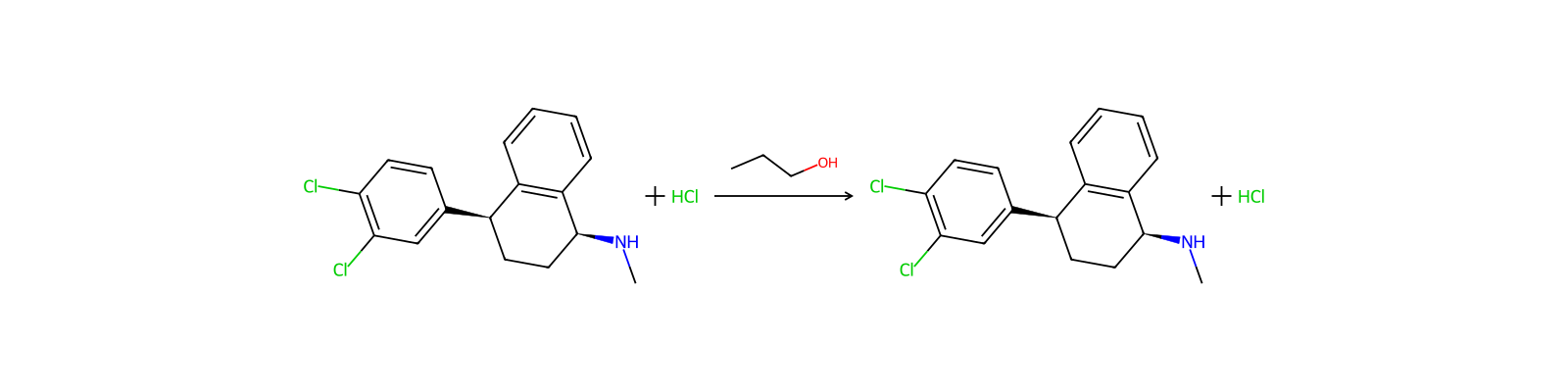
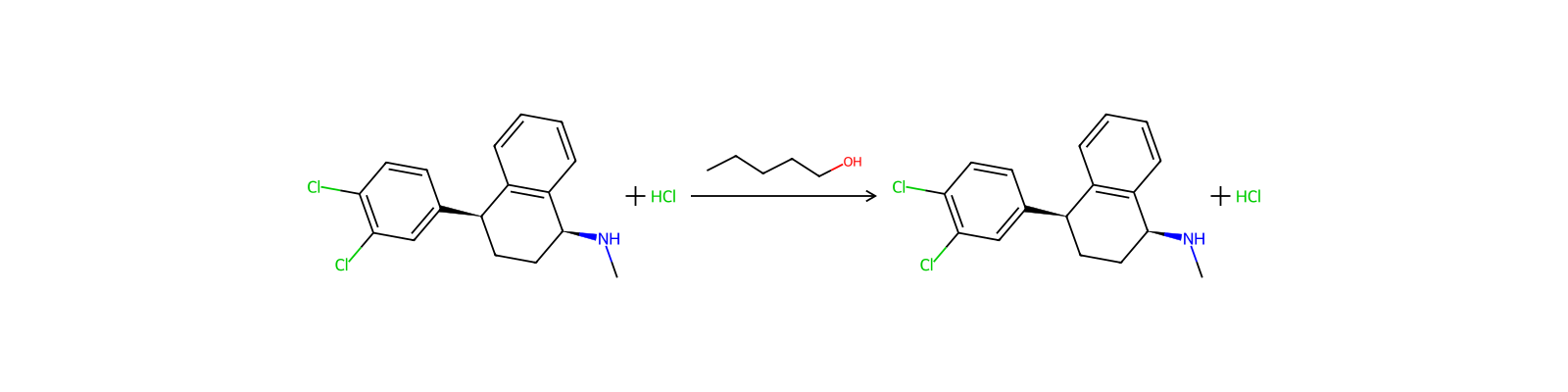
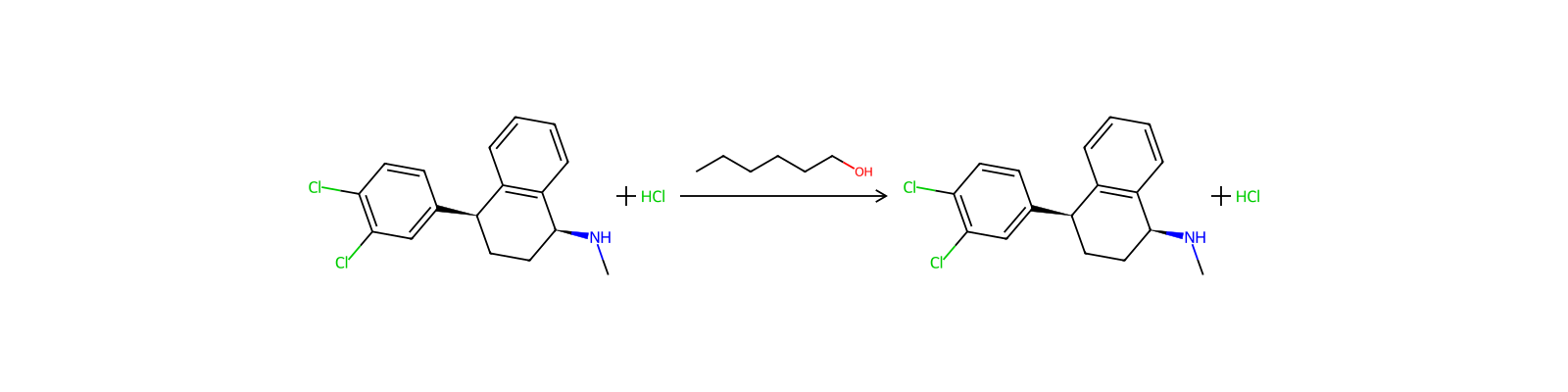
関連反応
137 件




関連ノート
読み込み中…