
基本情報
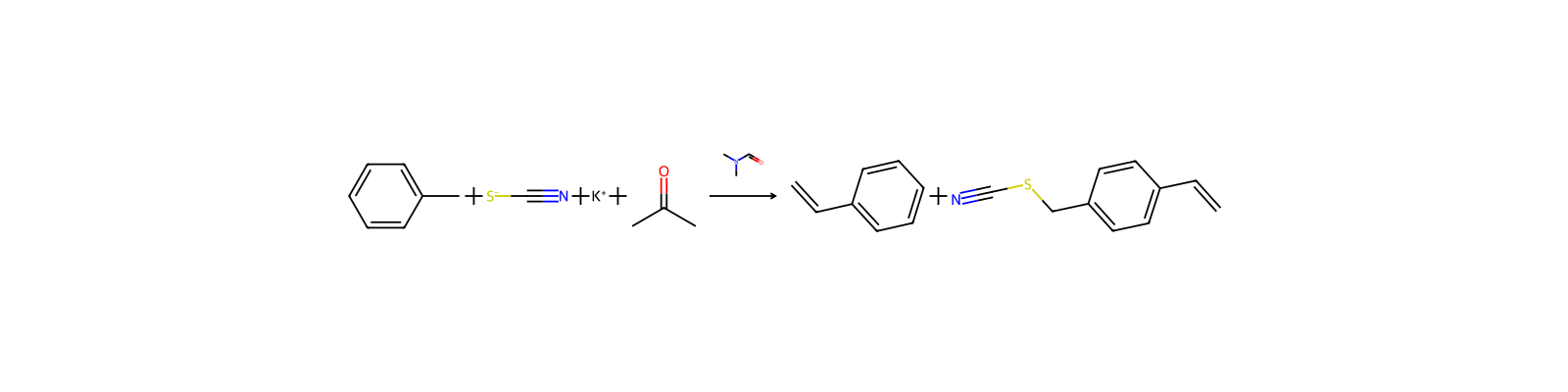
- 標準SMILES
C=Cc1ccccc1- InChIKey
PPBRXRYQALVLMV-UHFFFAOYSA-N- 分子式
- C8H8
- 平均分子量
- 104.15 g/mol
- 単同位体質量
- 104.06260026
名称と識別子
- 優先名称
- Styrene
- IUPAC
- styrene
- 現地名
- スチレン , モノマー
- 英語名
- Styrene
- 分子式
- C8H8
- 分子量
- 104.15
名称と別名
STYRENE100-42-5EthenylbenzenePhenylethyleneVinylbenzeneStyrolBenzene, ethenyl-CinnameneStyrene monomerPhenyletheneStyrolenePhenethylene
名称をさらに表示
スチレンスチレン (1mg/mlメタノール溶液) [水質分析用]1-エテニルベンゼンエテニルベンゼンスチロール(エテニル)ベンゼン1-ビニルベンゼンビニルベンゾールフェニルエテン1-フェニルエテンシンナメンスチローレンビニルベンゼンスチロレンシンナモールフェニルエチレンスチレン(ビニルベンゼン)スチレン(モノマー、2重体、3重体)スチレン,モノマースチレン CRM4055‐ASMOligosaccharidemethyl 2-methylprop-2-enoate
VinylbenzolStyroleVinyl benzeneStyropol SOCinnamolStyrenBenzene, vinyl-Cinnamenol
データベース識別子
- CAS
100-42-5、79637-11-9、98444-30-5- PubChem CID
- 7501
- DTXSID
DTXSID2021284- ChEMBL
CHEMBL285235- ChEBI
CHEBI:27452- UNII
- 44LJ2U959V
- EC Number
- 202-851-5、616-714-6、619-344-3
- Nikkaji
- J4.006A
物性
構造計算による物性
- XLogP
- 2.9
- 極性表面積
- 0 Ų
- 水素結合供与体数
- 0
- 水素結合受容体数
- 0
- 回転可能結合数
- 1
- 重原子数
- 8
- 形式電荷
- 0
- 複雑度
- 68
物理化学的性質
- 融点
- -31 °C · -31 °C (lit.)
- 沸点
- 145 · 145-146 °C (lit.)
- 比重(密度)
- 0.906 g/mL · 0.906 g/mL at 25 °C
- 蒸気密度
- 3.6 · 3.6 (vs air)
- 蒸気圧
- 12.4 mm · 12.4 mm Hg ( 37.7 °C)
- 屈折率
- 20 · n20/D 1.546(lit.)
- 闪点
- 88 °F · 88 °F
- 貯蔵温度
- 20 °C · Store at <= 20°C.
- 溶解性
- 0.24 g/リットル · 0.24g/リットル
- 外見
- 液体
- 酸解離定数(Pka)
- 14 · >14 (Schwarzenbach et al., 1993)
- 比重
- 0.909 · 0.909
- 色
- 無色
- 臭い (Odor)
- 0.1 %。スイートバルサムフローラルプラスチック · トリアセチン中0.10%。スイートバルサムフローラルプラスチック
- においのタイプ
- バルサミコ
- 臭気閾値(Odor Threshold)
- 0.035 ppm · 0.035ppm
- 爆発限界(explosive limit)
- 1.1 · 1.1-8.9%(V)
- 由来生物
- synthetic
- 水溶解度
- 0.3 g/L · 0.3g/L(20℃)
- 凝固点
- -30.6 ℃ · -30.6℃
- 比熱容量
- 1.75 J/ · Cp(liquid): 1.75 J/(g·K), at 25℃
- Merck
- 14 · 14,8860
- BRN
- 1071236 · 1071236
- Henry's Law Constant
- (x 10-3 atmm3/mol): 3.91 at 25 °C (static headspace-GC, Welke et al., 1998)
- Dielectric constant
- 2.4 · 2.4(25℃)
- 安定性
- 安定ですが、光にさらされると重合することがあります。通常、溶解した阻害剤が付属しています。避けるべき物質には、強酸、塩化アルミニウム、強力な酸化剤、銅、銅合金、金属塩、重合触媒および促進剤が含まれます。可燃性蒸気は発火源までかなりの距離を移動する可能性があります。
- 主な用途
- 環境
- 化粧品成分の機能
- 溶媒
- InChI
- 1S/C8H8/c1-2-8-6-4-3-5-7-8/h2-7H,1H2
- InChIKey
- PPBRXRYQALVLMV-UHFFFAOYSA-N
- SMILES
- C=Cc1ccccc1
- LogP
- 2.96 at · 2.96 at 25℃
- CAS データベース
- 100 · 100-42-5(CAS DataBase Reference)
- NISTの化学物質情報
- Styrene(100-42-5)
- EPAの化学物質情報
- Styrene (100-42-5)
化学的性質
化学的特性スチレンStyreneは化学式がC8H8で表される有機化合物ですエチルベンゼンから製造され透明で油性の液体として存在しますこの物質は多くのプラスチックや合成ゴムの生産において基本的なモノマーとして利用されています特にポリスチレンやABS樹脂SBRスチレン・ブタジエン・ゴムの製造に欠かせない重要な原料です
化学的特性Styrene is a colorless or yellow, sweet odor liquid with a penetrating odor. It is produced during alkylation of benzene with ethylene. It is highly reactive and polymerizes rapidly with a violent explosive reaction. This demands proper handling, transportation, and storage by adding polymerization inhibitors in adequate quantities during these operations. Styrene monomer has been extensively used in the manufacture of chemical intermediates, fi lling components, plastics, resins, and stabilizing agents.
化学性质重合性モノマーで,アルキド樹脂の変性剤として用いられる。
安全と法規制
安全データ
- OEB
- A
- OEL
- TWA: 50 ppm (215 mg/m3), STEL: 100 ppm (425 mg/m3)
- wgk
- 2
- IDLA
- 700 ppm
- tsca
- TSCA listed
- rtecs
- WL3675000
- ridadr
- UN 2055 (STYRENE MONOMER, STABILIZED)
- 毒性
- LD50 in mice (mg/kg): 660 ± 44.3 i.p.; 90 ± 5.2 i.v.
- PRTR法
- 第一種指定化学物質
- hs_code
- 2902 50 00
- risk_code
- 10-20-36/38-40-36/37/38-39/23/24/25-23/24/25-11-48/20-63
- 化審法
- (3)-4 優先評価化学物質
- 安衛法
- 特化則 特定化学物質(特別有機溶剤等)
- 消防法
- 危-4-2-III
- hazard_code
- Xn,T,F
- safety_code
- 23-36-26-16-45-36/37-7-46
- hazard_class
- 3
- packing_group
- III
- 特定化学物質
- 特38-326
- 自然発火温度
- 914 °F
- 環境リスク評価
- スチレン(100-42-5)
- Hazard Classifications
- Acute Tox. 4 InhalationAquatic Chronic 3Asp. Tox. 1Eye Irrit. 2Flam. Liq. 3Repr. 2Skin Irrit. 2STOT RE 1 InhalationSTOT SE 3
- ストレージクラス
- 3 - Flammable liquids
- 有毒物質データの
- 100-42-5(Hazardous Substances Data)
化学と産業
応用分野
解説スチレン,C8H8(104.15).スチロール,フェニルエテンともいう.不飽和炭化水素の側鎖をもつ芳香族の一つ.石炭および石油系炭化水素の熱分解生成物中に少量存在する.工業的製法は,おもにエチルベンゼンを原料とする方法である.現在,操業されている製造法には,高温(590 ℃ 以上),スチーム存在下で鉄-クロム-カリウム系触媒を用いたエチルベンゼンの直接脱水素法と,エチルベンゼンを一度酸化して過酸化物をつくり,炭化水素(プロペンなど)で還元してアルコールとし,さらにこれを脱水する方法とがある.後者の場合には還元の際に有用な酸化物(酸化プロピレンなど)を併産することができる.ほかにエテン製造の際に副生する炭化水素油から分離する方法もある.引火性,特臭を有する無色の液体.融点-30.63 ℃,沸点145.14 ℃.0.90122.1.54395.爆発範囲1.1~6.1体積%.各種有機溶剤に可溶,水に不溶.反応性がきわめて高いため,貯蔵には重合防止剤の添加を必要とする.重要な石油化学工業の中間体で,数多くの誘導製品がある.おもなものは,スチレン-ブタジエンゴム(SBR),ポリスチレン,ABS樹脂などである.
用途ポリエチレンの製造原料
用途ポリスチレン樹脂?アクリロニトリルブタジエンスチレン共重合体 (ABS) 樹脂?合成ゴム?不飽和ポリエステル樹脂合成原料, 塗料樹脂?イオン交換樹脂?化粧品原料
用途大気中等スチレンのGC分析用標準液。
用途スチレンモノマー定量用標準品。
説明Styrene has a characteristic, sweet, balsamic, almost floral odor that is extremely penetrating. Styrene occurs naturally in plants. It was first isolated from a resin called storax obtained from the inner bark of the Oriental sweet gum tree (Liquidambar orientalis) by Bonastre. In 1839, the German apothecary Eduard Simon prepared styrene by distilling it from storax and called it styrol. Simon observed it solidifi ed into a rubbery substance after being stored and believed it had oxidized into styrol oxide. Subsequent analysis showed the solid did not contain oxygen and it was renamed metastyrol. This was the first written record of polymerization in chemistry. In 1845, the English chemist, John Blyth, and the German chemist, August Wilhelm von Hofmann (1818 1892), observed that styrene was converted to polystyrene by sunlight and that styrene could be polymerized to polystyrene by heating in the absence of oxygen. It took another 70 years for the polymerization of styrene to be described by Hermann Staudinger (1881 1965) in the 1920s. This laid the foundation for the commercial polystyrene industry that developed in the 1930s.
天然物の起源Reported found in cranberry and bilberry, currants, grape, parsley, milk and dairy products, whiskey, cocoa, coffee, tea, roasted filberts and roasted peanuts. Also reported found in fresh apple, guava fruit, pineapple, vinegar, butter, fish oil, black tea, roasted filbert, roasted peanut, soybean, plum brandy, apple brandy, Brazil nut, rice bran, Bourbon vanilla, grapes, peach, strawberry, onion, peas, bell pepper, cassia leaf, cheeses, parsley, milk, boiled and scrambled egg, lean fish, fish oil, cooked chicken and beef, rum, malt and Scotch whiskey, cider, grape, wine, cocoa, coffee, honey, cloudberry, plum, rose apple, beans, trassi, walnut, buckwheat, soursop, watercress, kiwifruit, wild rice, sapodilla fruit, nectarine, okra, crab, crayfish and pawpaw.
使用Styrene (monomer) is a viscous, highly flammable liquid that evaporates easily and polymerizes readily to polystyrene unless a stabilizer is added. Styrene is used in multiple industries, especially in reinforced plastics (e.g., fiberglass boats), and is widely used to make plastics and rubber, packaging materials (e.g., packing peanuts ), insulation for buildings, plastic pipes, food containers (e.g., takeout containers), and carpet backing) (ATSDR, 2010).
一般的な説明A clear colorless to dark liquid with an aromatic odor. Flash point 90°F. Density 7.6 lb/gal. Vapors heavier than air and irritating to the eyes and mucous membranes. Subject to polymerization. If the polymerization takes place inside a closed container, the container may rupture violently. Less dense than water and insoluble in water. Used to make plastics, paints, and synthetic rubber.
使用用途スチレンは、主に合成樹脂の原料として利用されます。ポリスチレン (PS) を始めとして、ABS樹脂やAS樹脂、不飽和ポリエステルなどの合成樹脂の製造に使用されます。また、スチレンは熱・触媒の存在で容易に重合してポリスチレンとなるため、重合用のモノマーとしても利用可能です。 そのほか、合成ゴムであるスチレンブタジエンゴムやポリスチレン、合成樹脂塗料、FRP等の製造原料としてだけでなく、粘着剤や接着剤、等の建材、乾性油、、等の製造にも利用されています。
調製方法
Styrene is made by dehydrogenation of ethylbenzene at high temperature using metal catalysts: C6H5CH2CH2(g)→ C6H5CH = CH2(g) + H2(g). This is called the EB/SM (ethylbenzene/styrene monomer) process. Styrene can also be made by PO/SM (propylene oxide/styrene monomer) process). This process starts by oxidizing ethylbenzene (C6H5CH2CH2) to its hydroperoxide (C6H5CH(OOH)CH3), which is then used to oxidize propylene (CH3CH = CH2) to produce propylene oxide (CH3CH2CHO) and phenylethanol (C6H5CH(OH)CH3). The phenylethanol is then dehydrated to give styrene and water. Styrene can also be synthesized by reacting benzene and ethylene or natural gas.
製造方法Prepared from ethylbenzene or from phenylethanol.
製造方法脱水素法 原料のエチルベンゼンを高温で脱水素してスチレンを合成する方法です。を主体とした触媒を用いて、550℃以上の減圧下で行います。この反応は可逆反応であるため、エチルベンゼンの酸化により生成する水素を除去することで反応を進行させてスチレンを合成します。 他にも反応で生成する水素を酸化させることで、水素の分圧を下げ、かつ反応熱により系内温度を上昇させることで、反応を進行させてスチレンを合成する方法も行われています。 ハルコン法 アメリカのHalcon International社が開発した合成法であり、エチルベンゼンとプロピレンからスチレンと酸化プロピレンを合成できます。この方法では、エチルベンゼンを空気酸化してエチルベンゼンヒドロペルオキシドとし、2~7 MPa、100~130℃の反応条件下でプロピレンと反応させると、酸化プロピレンとメチルベンジルアルコールを生成します。 さらに、生成したメチルベンジルアルコールを酸化チタン触媒により接触的に脱水することでスチレンが得られます。酸化プロピレンとスチレンの収率が高く、これらの同時合成法として有利な製造方法とされています
合成方法ベンゼンのアルキル化と脱水素を経て合成
純化方法Styrene is difficult to purify and keep pure. 25 1.5441. Usually it contains added inhibitors (such as a trace of hydroquinone). Wash it with aqueous NaOH to remove inhibitors (e.g. tert-butanol), then with water, dry it for several hours with MgSO4 and distil it at 25o under reduced pressure in the presence of an inhibitor (such as 0.005% p-tert-butylcatechol). It can be stored at -78o. It can also be stored and kept anhydrous with Linde type 5A molecular sieves, CaH2, CaSO4, BaO or sodium, being fractionally distilled, and distilled in a vacuum line just before use. Alternatively styrene (and its deuterated derivative) are passed through a neutral alumina column before use [Woon et al. J Am Chem Soc 108 7990 1986, Collman J Am Chem Soc 108 2588 1986]. [Beilstein 5 IV 1334.]
上流・下流製品情報
上流原料
下流製品
サプライヤー2 社
斯百全化学(上海)有限公司021-021-021-67601398-809-809-809 15221380277 · [email protected]
湖北玖天生物医药科技有限公司027-88013699 17354350817 · [email protected]
補足説明
定義ChEBI: A vinylarene that is benzene carrying a vinyl group. It has been isolated from the benzoin resin produced by Styrax species.
関連反応
1,526 件





関連ノート
読み込み中…