

基本情報
- 標準SMILES
Cc1cc(C)cc(C)c1- InChIKey
AUHZEENZYGFFBQ-UHFFFAOYSA-N- 分子式
- C9H12
- 平均分子量
- 120.19 g/mol
- 単同位体質量
- 120.09390038
概要
1,3,5-trimethylbenzene appears as a colorless liquid with a peculiar odor. Insoluble in water and less dense than water. Flash point near 123 °F. May be toxic by ingestion and inhalation. Used to make plastics and dyes.
名称と識別子
- 優先名称
- Mesitylene
- IUPAC
- 1,3,5-trimethylbenzene
- 現地名
- メシチレン
- 英語名
- Mesitylene
- 分子式
- C9H12
- 分子量
- 120.19
名称と別名
MESITYLENE1,3,5-Trimethylbenzene108-67-8sym-Trimethylbenzene3,5-DimethyltolueneFleet-XTrimethylbenzolBenzene, 1,3,5-trimethyl-DTXSID6026797887L18KQ6XNSC-9273DTXCID506797
名称をさらに表示
1,3,5-トリメチルベンゼン1,3,5-トリメチルベンゼン (1mg/mlメタノール溶液) [水質分析用]syn-トリメチルベンゼンsym-トリメチルベンゼン2,4,6-トリメチルベンゼン1,3,5トリメチルベンゼン1,3,5-トリメチルベンゼン(メシチレン)1,3,5-トリメチルベンゼン (MESITYLメシチレンSOOCTANE (1000ΜG/ML)1,3,5-トリメチルベンゼン STANDARD1,3,5-トリメチルベンゼン (MESITYLメシチレンYCLOHEXANE (30MG/ML)水分分析用標準液(0.1 MG/G)メシチレン, 98+%1,3,5-トリメチルベンゼン 溶液1,3,5‐トリメチルベンゼン1,3,5-トリメチルベンゼン Standard, 0.2 mg/mL in MeOH1,3,5-トリメチルベンゼン Standard, 5.0 mg/mL in MeOH1,3,5-トリメチルベンゼン, 2.0 mg/mL in MeOHメシチレン1,3,5-トリメチルベンゼン(脱水) -Super-メシチレン(脱水) -Super-1,3,5-trimethylbenzene (mesitylene)1.3.5-TriMethy1,3,5-Trimethylbenze1,3,5-trimethyl-benzen1,3,5-Trimethylbenzene Standard
CHEBI:34833Symmetrical trimethylbenzeneRefChem:6006203-604-4s-Trimethylbenzene2,4,6-trimethylbenzene1,3,5-trimethyl-benzeneNSC 9273
データベース識別子
- CAS
108-67-8- PubChem CID
- 7947
- DTXSID
DTXSID6026797- ChEMBL
CHEMBL1797281- ChEBI
CHEBI:34833- UNII
- 887L18KQ6X
- EC Number
- 203-604-4
- Nikkaji
- J2.424D
物性
構造計算による物性
- XLogP
- 3.4
- 極性表面積
- 0 Ų
- 水素結合供与体数
- 0
- 水素結合受容体数
- 0
- 回転可能結合数
- 0
- 重原子数
- 9
- 形式電荷
- 0
- 複雑度
- 55
実験および物理化学的性質
Chemical ClassesVolatile Organic Compound (VOC)
SolventsSolvents -> Aromatic Solvents
SpringerMaterials Properties13C nuclear magnetic resonance spectrum
FragrancesFragrance Ingredient (Benzene, 1,3,5-trimethyl-) -> IFRA transparency List
PesticidesPesticide -> EPA IRIS
LogP
log Kow = 3.42
3.42
3.42
3.84
Odor
Peculiar odor
Distinctive, aromatic odor
Sweet odor
Density
0.86 (NIOSH, 2024) - Less dense than water; will float
0.8637 at 20 °C/4 °C
Relative density (water = 1): 0.86
0.8615 @25 °C
0.86
Color/FormClear, colorless liquid
Solubility
0.002 % (NIOSH, 2024)
Miscible with alcohol, ether, benzene
Miscible in ethanol, ethyl ether, acetone
Miscible with oxygenated and aromatic solvents.
In water, 48.2 mg/L at 25 °C
0.0482 mg/mL at 25 °C
Flash Point
122 °F (NIOSH, 2024)
122 °F (50 °C) (Closed cup)
50 °C c.c.
122 °F
Endocrine DisruptorsPotential endocrine disrupting compound
物理化学的性質
- 融点
- -45 °C · -45 °C
- 沸点
- 163 · 163-166 °C(lit.)
- 比重(密度)
- 0.864 g/mL · 0.864 g/mL at 25 °C(lit.)
- 蒸気密度
- 4.1 · 4.1 (vs air)
- 蒸気圧
- 14 mm · 14 mm Hg ( 55 °C)
- 屈折率
- 20 · n20/D 1.499(lit.)
- 闪点
- 112 °F · 112 °F
- 貯蔵温度
- 2 · 2-8°C
- 溶解性
- アルコール、ベンゼン、エーテル (Windholz et al., 1983) およびトリメチルベンゼン異性体と混和する。
- 外見
- 液体
- 酸解離定数(Pka)
- 14 · >14 (Schwarzenbach et al., 1993)
- 色
- 無色透明
- 爆発限界(explosive limit)
- 0.88 · 0.88-6.1%, 100°F
- 臭気閾値(Odor Threshold)
- 0.17 ppm · 0.17ppm
- 水溶解度
- 2.9 g/L · 2.9g/L(20℃)
- 比熱容量
- 1.74 J/ · Cp(liquid): 1.74 J/(g·K), at 25℃
- Merck
- 14 · 14,5907
- BRN
- 906806 · 906806
- Henry's Law Constant
- 4.03 · 4.03, 4.60, 5.71, 6.73, and 9.63 at 10, 15, 20, 25, and 30 °C, respectively (EPICS, Ashworth et al.,1988)
- Dielectric constant
- 3.4 · 3.4(Ambient)
- 安定性
- 安定。可燃性。強力な酸化剤とは相容れない。
- 主な用途
- 環境
- 化粧品成分の機能
- 溶媒
- InChI
- 1S/C9H12/c1-7-4-8(2)6-9(3)5-7/h4-6H,1-3H3
- InChIKey
- AUHZEENZYGFFBQ-UHFFFAOYSA-N
- SMILES
- Cc1cc(C)cc(C)c1
- LogP
- 3.42 at · 3.42 at 20℃
- 表面張力
- 28.05 mN/m · 28.05mN/m at 298.15K
- CAS データベース
- 108 · 108-67-8(CAS DataBase Reference)
- NISTの化学物質情報
- 1 · Benzene, 1,3,5-trimethyl-(108-67-8)
- EPAの化学物質情報
- 1 · 1,3,5-Trimethylbenzene (108-67-8)
化学的性質
化学的特性Mesitylene is a clear, colorless liquid. Distinctive, aromatic odor.
安全と法規制
GHS分類
GHS Classification
Warning
H226: Flammable liquid and vapor [Warning Flammable liquids]
P210, P233, P240, P241, P242, P243, P261, P271, P273, P280, P303+P361+P353, P304+P340, P319, P370+P378, P391, P403+P233, P403+P235, P405, and P501 (click each P-code to see the statement)
This chemical does not meet GHS hazard criteria for < 0.1% (2 of 2655) of reports.
Danger
H226 (> 99.9%): Flammable liquid and vapor [Warning Flammable liquids]
危険有害性情報
Regulatory Information
Chemical: Benzene, 1,3,5-trimethyl-
Hazard Traits - Nephrotoxicity and Other Toxicity to the Urinary System; Neurotoxicity
Benzene, 1,3,5-trimethyl- is listed on the EPA's Chemical Data Reporting (CDR) system. Manufacturers and importers of Benzene, 1,3,5-trimethyl- are required to report information about their production and use of this chemical to the EPA under the Toxic Substances Control Act (TSCA). (40 eCFR Part 711)
Status: Active Update: 17-01-2023 https://echa.europa.eu/registration-dossier/-/registered-dossier/9977
Benzene, 1,3,5-trimethyl-: HSNO Approval: HSR001229 Approved with controls
DOT LabelFlammable Liquid
Fire Hazards
Excerpt from ERG Guide 129 [Flammable Liquids (Water-Miscible / Noxious)]:
· HIGHLY FLAMMABLE: Will be easily ignited by heat, sparks or flames.
Flammable. Above 50 °C explosive vapour/air mixtures may be formed.
Fire PotentialMODERATE, VIA HEAT, FLAMES, OXIDIZERS
Health Hazards
Excerpt from ERG Guide 129 [Flammable Liquids (Water-Miscible / Noxious)]:
· May cause toxic effects if inhaled or absorbed through skin.
Hazards Summary
A skin, eye, nose, throat and respiratory tract irritant; [Merck Index] A skin, eye, and respiratory tract irritant; Defats the skin; May have effects on the central nervous system and blood; [ICSC] A skin, eye, and respiratory tract irritant; [HSDB] A nose, throat, and lung irritant; Inhalation of high concentrations can cause CNS depression; [CHEMINFO] A respiratory tract irritant; [eChemPortal: ESIS] See Trimethyl benzene isomers.
DOT ID and Guide
2325 129
2325 129
Reactive GroupHydrocarbons, Aromatic
EC ClassificationSymbol: Xi, N; R: 10-37-51/53; S: (2)-61
UN ClassificationUN Hazard Class: 3; UN Pack Group: III
TSCA Requirements
Pursuant to section 8(d) of TSCA, EPA promulgated a model Health and Safety Data Reporting Rule. The section 8(d) model rule requires manufacturers, importers, and processors of listed chemical substances and mixtures to submit to EPA copies and lists of unpublished health and safety studies. 1,3,5-Trimethylbenzene is included on this list. Effective date: 2/13/1984; Sunset date: 2/13/1994.
A testing consent order is in effect for 1,3,5-trimethylbenzene for health effects testing. FR citation: FR 59681 11/10/1993.
Reactivity Profile1,3,5-TRIMETHYLBENZENE is incompatible with the following: Oxidizers, nitric acid (NIOSH, 2024).
安全と保護具
Fire Fighting
Excerpt from ERG Guide 129 [Flammable Liquids (Water-Miscible / Noxious)]:
Use alcohol-resistant foam, dry powder, carbon dioxide. In case of fire: keep drums, etc., cool by spraying with water.
First Aid Measures
Fresh air, rest. Refer for medical attention.
Remove contaminated clothes. Rinse skin with plenty of water or shower.
First rinse with plenty of water for several minutes (remove contact lenses if easily possible), then refer for medical attention.
Rinse mouth. Do NOT induce vomiting. Refer for medical attention .
Accidental Release Measures
· CALL 911. Then call emergency response telephone number on shipping paper. If shipping paper not available or no answer, refer to appropriate telephone number listed on the inside back cover.
· ELIMINATE all ignition sources (no smoking, flares, sparks or flames) from immediate area.
First Aid
Excerpt from NIOSH Pocket Guide for 1,3,5-Trimethylbenzene:
General First Aid:
(General first aid procedures)
Safe StorageFireproof. Separated from strong oxidants. Well closed. Keep in a well-ventilated room.
Exposure Control and Personal Protection
· Wear positive pressure self-contained breathing apparatus (SCBA).
20.0 [ppm]
Fire Fighting Procedures
This chemical is a flammable liquid. Poisonous gases are produced in fire. Small fires: dry chemical, carbon dioxide, water spray, or alcohol foam. Large fires: water spray, fog, or alcohol foam. Move container from fire if you can do so without risk. Spray cooling water on containers that are exposed to flames until well after fire is out. For massive fire in cargo area, use unmanned hose holder or monitoring nozzles; if this is impossible, withdraw from area and let fire burn. Withdraw immediately in case of rising sound from venting safety device or any discoloration of tank due to fire. Isolate for one-half mile in all directions if tank car or truck is involved in fire. Vapors are heavier than air and will collect in low areas. Vapors may travel long distances to ignition sources and flashback. Vapors in confined areas may explode when exposed to fire. Containers may explode in fire. Storage containers and parts of containers may rocket great distances, in many directions. If material or contaminated runoff enters waterways, notify downstream users of potentially contaminated waters. Notify local health and fire officials and pollution control agencies. From a secure, explosion-proof location, use water spray to cool exposed containers. If cooling streams are ineffective (venting sound increases in volume and pitch, tank discolors, or shows any signs of deforming), withdraw immediately to a secure position. If employees are expected to fight fires, they must be trained and equipped in OSHA 1910.156.
If material on fire or involved in fire: Do not extinguish fire unless flow can be stopped or safely confined. Use water in flooding quantities as fog. Solid streams of water may be ineffective. Cool all affected containers with flooding quantities of water. Apply water from as far a distance as possible. Use foam, dry chemical, or carbon dioxide. Keep run-off water out of sewers and water sources.
Storage Conditions
Prior to working with this chemical you should be trained on its proper handling and storage. This chemical must be stored to avoid contact with oxidizers (such as perchlorates, peroxides, permanganates, chlorates, and nitrates), and strong oxidizers (such as chlorine, bromine, and fluorine) since violent reactions occur. Store in tightly closed containers in a cool, well-ventilated area away from heat. Sources of ignition such as smoking and open flames are prohibited where this chemical is used, handled, or stored in a manner that could create a potential fire or explosion hazard. Metal containers involving the transfer of 5 gallons or more of this chemical should be grounded and bonded. Drums must be equipped with self-closing valves, pressure vacuum bungs, and flame arresters. Use only nonsparking tools and equipment, especially when opening and closing containers of this chemical.
STORAGE TANKS SHOULD BE MOUNDED TO CONFINE ESCAPING LIQUID & ESCAPE FROM PROCESS VESSELS SHOULD BE CONTROLLED IN SIMILAR MANNER BY SILLS @ DOORWAYS, DESIGN OF FLOORS, ETC. /TRIMETHYLBENZENES/
Cleanup Methods
Evacuate and restrict persons not wearing protective equipment from area of spill or leak until cleanup is complete. Remove all ignition sources. Ventilate area of spill or leak. Absorb liquids in vermiculite, dry sand, earth, peat, carbon, or similar material and deposit in sealed containers. Keep this chemical out of a confined space ... because of the possibility of an explosion ... It may be necessary to contain and dispose of this chemical as a hazardous waste. If material or contaminated runoff enters waterways, notify downstream users of potentially contaminated waters. Contact your Department of Environmental Protection or your regional office of the federal EPA for specific recommendations. If employees are required to clean up spills, they must be properly trained and equipped. OSHA 1910.120(q) may be applicable.
Environmental considerations-land spill: Dig a pit, pond, lagoon, holding area to contain liquid or solid material. /SRP: If time permits, pits, ponds, lagoons, soak holes, or holding areas should be sealed with an impermeable flexible membrane liner./ Dike surface flow using soil, sand bags, foamed polyurethane, or foamed concrete. Absorb bulk liquid with fly ash, cement powder, or commercial sorbents.
Environmental considerations-water spill: Use natural barriers or oil spill control booms to limit spill travel. Remove trapped material with suction hoses.
Environmental considerations-air spill: Apply water spray or mist to knock down vapors.
Nonfire Spill ResponseExcerpt from ERG Guide 129 [Flammable Liquids (Water-Miscible / Noxious)]:
Disposal Methods
SRP: The most favorable course of action is to use an alternative chemical product with less inherent propensity for occupational exposure or environmental contamination. Recycle any unused portion of the material for its approved use or return it to the manufacturer or supplier. Ultimate disposal of the chemical must consider: the material's impact on air quality; potential migration in soil or water; effects on animal, aquatic, and plant life; and conformance with environmental and public health regulations.
Incineration /SRP: with appropriate emission controls/.
Spillage Disposal
Personal protection: filter respirator for organic gases and vapours adapted to the airborne concentration of the substance. Do NOT wash away into sewer. Do NOT let this chemical enter the environment. Collect leaking and spilled liquid in sealable containers as far as possible. Absorb remaining liquid in sand or inert absorbent. Then store and dispose of according to local regulations.
毒性情報
Body Burden
5 of 46 human adipose tissue samples contained unreported concentrations of 1,3,5-trimethylbenzene(1). Expired air from 28 humans contained 1,3,5-trimethylbenzene at an average concn of 4 ng/L(2). Expired air from 54 humans contained 1,3,5-trimethylbenzene at an average concn of 0.842 ng/L(3). Expired air from 3 of 8 male humans contained 1,3,5-trimethylbenzene at 0.034 to 0.81 ug/hr; the source was thought to be of metabolic origin(4).
Interactions
Increased catalase activity was observed in the liver microsomal fraction of ethanol-treated rats (10% v/v aqueous ethanol solution per os for 5 weeks). In contrast, cytochrome P-450 concentration and specific activity of NADPH-cytochrome c reductase remained at the same level as in the liver of control rats (drinking water). ... Administration of mesitylene (1,3,5-trimethylbenzene) by gastric tube for 3 days (5 mmoles per kg daily) increased cytochrome P-450 concentration, specific activity of NADPH-cytochrome c reductase and ethanol metabolism.
Groups of 5 female SPF Sprague-Dawley rats (200 to 220 g) were exposed via inhalation for 2 hr to 120, 180, 400, or 720 ppm mesitylene, without or in combination with 1000 or 4000 ppm ethyl acetate. Immediately after exposure, blood samples were collected. Co-exposure /of the effect/ with ethyl acetate ... was not statistically significant. For example, at 400 ppm mesitylene, control blood concn was (75.8 +/- 2.1) x 10-6 mol/L vs 68.8 +/ - 7.8) x 10-6 mol/L at 4000 ppm ethyl acetate.
Target Organs
Developmental
Eyes, skin, respiratory system, central nervous system, blood
Ecotoxicity Values
EC50 Daphnia magna /(Water flea)/ 50 mg/L 24 hr, toxic effect: increased mortality and reduced reproduction rates
EC50; Species: Scenedesmus subspicatus (Green algae, Log growth phase); Conditions: freshwater, static, 24 °C, pH 8.0-9.3; Concentration: 25000 ug/L for 48 hr; Effect: decreased population biomass
EC50; Species: Scenedesmus subspicatus (Green algae, Log growth phase); Conditions: freshwater, static, 24 °C, pH 8.0-9.3; Concentration: 53000 ug/L for 48 hr; Effect: general population changes
EC50; Species: Daphnia magna (Water flea, age 4-6 days, length 1.5 mm); Conditions: freshwater, static, 23 °C, pH 6-7, dissolved oxygen 5-9 mg/L; Concentration: 50 mmol/cu m for 48 hr (95% confidence interval: 22-110 mmol/cu m); Effect: intoxication, immobilization /> or = 97% purity/
For more Ecotoxicity Values (Complete) data for 1,3,5-TRIMETHYLBENZENE (9 total), please visit the HSDB record page.
Environmental Fate
TERRESTRIAL FATE: Based on a classification scheme(1), an experimental Koc range of 501-1,445(2-5), indicates that 1,3,5-trimethylbenzene is expected to have low mobility in soil(SRC). Volatilization of 1,3,5-trimethylbenzene from moist soil surfaces is expected to be an important fate process(SRC) given an experimental Henry's Law constant of 8.77X10⁻³ atm-cu m/mole(6). 1,3,5-Trimethylbenzene is expected to volatilize from dry soil surfaces(SRC) based upon a vapor pressure of 2.48 mm Hg(SRC), from experimentally-derived coefficients(7). Complete removal of 1,3,5-trimethylbenzene from sterile sandy loam soil samples contaminated with jet fuel was reported within 5 days, probably due to evaporation(8). Biodegradation is expected to occur in soil, and acclimation may increase the rate of biodegradation(SRC). 1,3,5-Trimethylbenzene, present at a concn of 50 mg/kg, degraded considerably after 6 months in the presence of a sewage inoculum during a bioremediation study(9). It was noted that 1,3,5-trimethylbenzene was more resistant to biodegradation than other compounds present(9). The time required for 0.2-1.0 mg/L of 1,3,5-trimethylbenzene to reach less than 1 ug/L was 110 hours in an adapted groundwater aquifer contaminated with gasoline(10).
AQUATIC FATE: Based on a classification scheme(1), an experimental Koc range of 501-1,445(2-5), indicates that 1,3,5-trimethylbenzene is expected to adsorb to suspended solids and sediment(SRC). Volatilization from water surfaces is expected based upon a Henry's Law constant of 8.77X10⁻³ atm-cu m/mole(6). Using this Henry's Law constant and an estimation method(7), volatilization half-lives for a model river and model lake are 1.2 hours and 4.4 days, respectively(SRC). Residence times (with respect to volatilization) for 1,3,5-trimethylbenzene were calculated as 220 hours for both winter and summer conditions in Narragansett Bay(8). According to a classification scheme(9), BCF values of 23 to 342(10), measured in carp, suggest that bioconcentration in aquatic organisms may be high(SRC). Biodegradation may be an important fate process for this compound in water, and acclimation may increase the rate of biodegradation(SRC). The time required for 0.2-1.0 mg/L of 1,3,5-trimethylbenzene to reach less than 1 ug/L was 110 hours in an adapted groundwater aquifer contaminated with gasoline(11). 1,3,5-Trimethylbenzene was not detected in the effluent of an activated sludge plant that had a recorded influent of 22.7 ug/L(12). In liquid wastewater cultures, after 30 days 1,3,5-trimethylbenzene degraded to 0.39 mg/L in the test sample compared to 7.17 mg/L residual concn in the abiotic control, suggesting biodegradation is an important fate process in water(13).
ATMOSPHERIC FATE: According to a model of gas/particle partitioning of semivolatile organic compounds in the atmosphere(1), 1,3,5-trimethylbenzene, which has a vapor pressure of 2.48 mm Hg at 25 °C(2), is expected to exist solely as a vapor in the ambient atmosphere. Vapor-phase 1,3,5-trimethylbenzene is degraded in the atmosphere by reaction with photochemically-produced hydroxyl radicals(SRC); the half-life for this reaction in air is estimated to be 11 hours(SRC), calculated from its rate constant of 5.75X10⁻¹¹ cu cm/molecule-sec at 25 °C(1). 1,3,5-Trimethylbenzene also reacts with nitrate radicals in the atmosphere(3); the half-life for this reaction in air is estimated as 10-67 days(SRC). The photooxidation of 1,3,5-trimethylbenzene with nitrogen oxide produces formaldehyde and aliphatic aldehydes at 0.15-0.2 and 0.3-0.4 moles/mole 1,3,5-trimethylbenzene, respectively(5). 1,3,5-Trimethylbenzene does not contain chromophores that absorb wavelengths >290 nm(6) and therefore is not expected to be susceptible to direct photolysis by sunlight(SRC).
Food Survey Values
An aroma concentrate of cured beef contained 1,3,5-trimethylbenzene at 0.11 mg/kg(1). 1,3,5-Trimethylbenzene was reported as a component of fried beef liver (4.34-5.57 ppb)(2), margarine (13.1 ppb)(2), butter (7.81 ppb)(2), cake doughnuts (27.6 ppb)(2), sandwich cookies (7.25 ppb)(2), in scrambled eggs from both fresh and supermarket eggs (trace levels)(3), and chickpea seed(4). 1,3,5-Trimethylbenzene is a volatile component of chicken, beef, and pork flavors(5).
Adverse EffectsNeurotoxin - Acute solvent syndrome
Exposure Routes
The substance can be absorbed into the body by inhalation.
inhalation, ingestion, skin and/or eye contact
Average Daily IntakeThe average daily dose of 1,3,5-trimethylbenzene from breathing air in The Netherlands was estimated as 20.5 ug/day based on mean ambient air concentrations of 0.10-0.30 ppb(1).
Signs and Symptoms
Confusion. Cough. Dizziness. Drowsiness. Headache. Sore throat. Vomiting.
Redness. Dry skin.
Redness. Pain.
See Inhalation.
irritation eyes, skin, nose, throat, respiratory system; bronchitis; hypochromic anemia; headache, drowsiness, lassitude (weakness, exhaustion), dizziness, nausea, incoordination; vomiting, confusion; chemical pneumonitis (aspiration liquid)
Effluent Concentrations
Diluted (30:1 with purified air) automobile exhaust contained 2.3 ppm 1,3,5-trimethylbenzene(1). Automobile exhaust from an English car without a catalytic converter contained 1,3,5-trimethylbenzene at 1242 ppb(2). Highway tunnel exhaust air in Hamburg, Germany (Elbtunnel) contained 1,3,5-trimethylbenzene at concns from 14.2 to 18.2 ug/cu m(3). Gasoline engine exhaust from a light-duty vehicle both with and without a catalytic converter contained 1,3,5-trimethylbenzene at 1.3 and 0.6 wt% of total organic gas emissions, respectively(4). Unburned gasoline in the summertime contained 1.2 wt% 1,3,5-trimethylbenzene(4). 1,3,5-Trimethylbenzene was introduced into water at 10 mg/10 minutes by a four-stroke outboard motor(5). The concn of 1,3,5-trimethylbenzene in the water of a canal to a harbor of Lake Constance, Germany, varied throughout the day with 7, 23, 159, 72, 233, 233, 233, and 267 ng/L reported for times 8:30, 9:37, 10:37, 11:40, 12:42, 15:20, 16:20, and 17:30, respectively(6). Emissions from a municipal waste incineration plant contained 1,3,5-trimethylbenzene at 0.34 ug/cu m(7). 1,3,5-Trimethylbenzene was reported as one of the 99 most frequently detected compounds at Superfund sites(8).
1,3,5-Trimethylbenzene was detected in leachate samples from 6 of 6 hazardous waste landfills at concns from 10 to 1380 ug/L and in 4 of 5 leachate samples from domestic landfills at concns of 2.6 to 4.8 ug/L(1). Influent to the Jones Island publicly-owned treatment plant contained 1,3,5-trimethylbenzene at 7 to 14 ppb; effluent contained less than 1 ppb(2). Effluent samples from an in situ coal gasification experiment in Hanna, WY contained 1,3,5-trimethylbenzene from not detected (detection limit=0.1 ppb) to 139 ppb(3). Dissolved air flotation treatment effluent from a class B petroleum refinery contained 1,3,5-trimethylbenzene at43 ng/g(4). Three of six mixed household waste samples contained 1,3,5-trimethylbenzene at unreported concns(5). 1,3,5-Trimethylbenzene was tentatively identified in leachate from the North Bay, Ontario landfill(6). Emissions from coal-fired power stations in France contained 1,3,5-trimethylbenzene at 0.7 to 7.1 ug/Normalized cu m(7). 1,3,5-Trimethylbenzene was detected in leachate samples from 6 of 6 hazardous waste landfills at concns from 10 to 1380 ug/L and in 5 of 5 leachate samples from domestic landfills at concns of 2.6 to 4.8 ug/L(8).
Off-gas from two Ontario municipal wastewater treatment plants, Skyway in Burlington and Highland Creek in Metropolitan Toronto, Canada contained 1,3,5-trimethylbenzene at maximum concns of 271 and 1090 ug/cu m, respectively; emission rates of 32 and 138 g/d were estimated(1). Effluent samples collected from advanced waste treatment plants in Lake Tahoe, CA (in (1974), Pomona, CA (in 1974/1975) and Blue Plains facility, Washington DC (in 1974) contained 1,3,5-trimethylbenzene at unreported concns(2). Emissions from municipal solid waste composting facilities contained 1,3,5-trimethylbenzene at concns of 320, 130, 46, and 7 ug/cu m for fresh, mid-aged, old, and curing compost, respectively(3). Wastewater from the following industries contained unreported concns of 1,3,5-trimethylbenzene: petroleum refining, paint andink, ore mining, inorganic chemicals, textile mills, auto and other laundries, plastics manufacturing, electronics, and publicly-owned treatment works(4).
Raw effluent from a plant that primarily finished polyester fabrics contained 1,3,5-trimethylbenzene at unreported concns(1). Two different turbojet engines, operated at simulated supersonic flight conditions, emitted 0.35 to 2.02 ppmC 1,3,5-trimethylbenzene(2). Emissions from 46 in-use passenger cars contained 1,3,5-trimethylbenzene at an average concn of 2.1, 1.5, 2.6, and 1.8 weight percent of total hydrocarbons for the FTP test (19.56 mph average speed), the hot soak test, the NYC test (7.07 mph average speed), and the CUE test (34.79 mph average speed), respectively(3). Waste materials from pharmaceutical production are discharged into the ocean north of Arecibo, Puerto Rico; samples from the waste plume obtained in October 1979 contained 1,3,5-trimethylbenzene at 3 mg/L(4). 1,3,5-Trimethylbenzene was detected in the emissions of a shale oil wastewater(5).
ICSC Environmental DataThe substance is harmful to aquatic organisms. Bioaccumulation of this chemical may occur in fish.
法規制情報
TSCA Requirements
Pursuant to section 8(d) of TSCA, EPA promulgated a model Health and Safety Data Reporting Rule. The section 8(d) model rule requires manufacturers, importers, and processors of listed chemical substances and mixtures to submit to EPA copies and lists of unpublished health and safety studies. 1,3,5-Trimethylbenzene is included on this list. Effective date: 2/13/1984; Sunset date: 2/13/1994.
A testing consent order is in effect for 1,3,5-trimethylbenzene for health effects testing. FR citation: FR 59681 11/10/1993.
State Drinking Water Guidelines
(CA) CALIFORNIA 330 ug/l
(CT) CONNECTICUT 36 ug/l
(FL) FLORIDA 35 ug/l
(MN) MINNESOTA 100 ug/L
(NH) NEW HAMPSHIRE 330 ug/L
安全データ
- F
- 10
- OEB
- A
- OEL
- TWA: 25 ppm (125 mg/m3)
- wgk
- 2
- tsca
- TSCA listed
- rtecs
- OX6825000
- ridadr
- UN 2325
- 毒性
- LD50 (inhalation) for rats 24 g/m3/4-h (quoted, RTECS, 1985).
- PRTR法
- 第一種指定化学物質
- hs_code
- 29029080
- risk_code
- 10-37-51/53-39/23/24/25-23/24/25-11-37/38
- 化審法
- (3)-7, (3)-3427 優先評価化学物質
- 安衛法
- 57,57-2
- 消防法
- 危-4-2-III
- hazard_code
- Xi,N,F,T
- hazard_note
- Irritant/Flammable
- safety_code
- 61-45-36/37-16-7
- hazard_class
- 3
- packing_group
- III
- 自然発火温度
- 1022 °F
- 環境リスク評価
- 1,3,5-トリメチルベンゼン(108-67-8)
- Hazard Classifications
- Aquatic Chronic 2Asp. Tox. 1Eye Irrit. 2Flam. Liq. 3Skin Irrit. 2STOT SE 3
- ストレージクラス
- 3 - Flammable liquids
- 有毒物質データの
- 108-67-8(Hazardous Substances Data)
化学と産業
薬理情報
Biological Half-Life
... Ten healthy male volunteers were exposed to trimethylbenzene (TMB) vapor in an exposure chamber for 2 hr at a work load of 50 W. The subjects were exposed on four occasions, to 25 ppm of 1,2,4-TMB, 1,2,3-TMB, and 1,3,5-TMB, respectively, and 2 ppm of 1,2,4-TMB. Urine was collected from the onset of exposure until the following morning. All six possible dimethylhippuric acid (DMHA) isomers were analyzed by high-performance liquid chromatography. ... The half-times of the different DMHA isomers ranged from 4 to 16 hr.
Metabolism/Metabolites
... Only a small portion is excreted unchanged by the lungs, the greater part is oxidized to water-soluble metabolites, which are excreted by the urine, partly free, partly conjugated /as/ glycine and mesitylenic acid.
Mesitylene yields 2,4,6-trimethylphenol in rat. /from table/
Approximately 78% of oral dose of mesitylene was excreted as 3,5-dimethylhippuric acid; additional 7.6 and 8.2% were excreted as glucuronic and sulfuric acid conjugates.
Toxicity of Tri- and Tetramethylbenzenes: Material: 1,3,5-trimethylbenzene; Route of entry: oral (subacute); Species: rat; Dose or concentration: 1.2 g/kg/day; Results or Effects: Metabolites: 3,5-dimethylhippuric acid 78.0%, 3,5-dimethylbenzoic glucuronide 7.6%, and 3,5-dimethylbenzoic sulfate 1.2%. /From table/
The possibility of evaluating occupational exposure to mesitylene /depending/ on the determination of unchanged solvent in capillary blood or 3,5-dimethylbenzoic acid in urine was investigated. The volunteers were exposed to mesitylene in a toxicological chamber (range 10-150 mg/cu m). Concn of the solvent or its metabolite in biological material were determined by gas chromatography. The toxicokinetic data concerning retention in the lung, absorption and elimination of mesitylene and its metabolite in biological fluids were obtained. The highest correlation coefficient value was obtained for the relationship between the absorbed dose of mesitylene and the excretion rate of 3,5-dimethylbenzoic acid in urine (r= 0.95). ...
Absorption, Distribution and Excretion
The objective of this study was to determine the uptake and disposition of inhaled trimethylbenzenes (TMBs) in man. The toxicokinetics were studied in 10 male, healthy volunteers exposed to TMB vapor in an exposure chamber for 2 hr during a work load of 50 W. The subjects were exposed on four occasions to 25 ppm of 1,2,4-TMB, 1,2,3-TMB, and 1,3,5-TMB, and to 2 ppm of 1,2,4-TMB. The TMB isomers were analyzed in blood, urine, and exhaled air by gas chromatography. The relative respiratory uptake was in the range 56-64%. The elimination of TMBs was moderate compared to other aromatic solvents, with a total blood clearance of 0.6-1.0 L per hr per kg. Large volumes of distribution (30-39 liters/kg) and long terminal half-lives of the TMBs in blood (78-120 hr) imply extensive accumulation in adipose tissue. Exhalation during and postexposure accounted for 20-37% of the absorbed amount, whereas the urinary excretion of unchanged TMBs was low (< or = 0.002%). The kinetics of 1,2,4-TMB seemed linear up to 25 ppm. ...
Absorption takes place most readily by inhalation of the vapor, but the liquid can be absorbed from the gastro-intestinal tract, and probably, though slowly, by the intact skin.
... Only a small portion is excreted unchanged by the lungs, the greater part is oxidized to water-soluble metabolites, which are excreted by the urine, partly free, partly conjugated /as/ glycine and mesitylenic acid.
... Ten healthy male volunteers were exposed to trimethylbenzene (TMB) vapor in an exposure chamber for 2 hr at a work load of 50 W. The subjects were exposed on four occasions, to 25 ppm of 1,2,4-TMB, 1,2,3-TMB, and 1,3,5-TMB, respectively, and 2 ppm of 1,2,4-TMB. Urine was collected from the onset of exposure until the following morning. All six possible dimethylhippuric acid (DMHA) isomers were analyzed by high-performance liquid chromatography. About 22% of the inhaled amount of 1,2,4-TMB was excreted as DMHAs within 24 hr, mainly as 3,4-DMHA. The 24-hr recovery of 1,2,3-TMB as DMHAs was 11%. Only 3% of the absorbed amount of 1,3,5-TMB was excreted as 3,5,-DMHA. ... In addition to analysis of DMHAs, the excretion of unconjugated dimethylbenzoic acids in urine was estimated to account for approximately 3% of the dose of all TMBs. In conclusion, the urinary excretion of DMHA isomers may serve as a good indicator of TMB exposure. In this controlled short-term-exposure study the sum of excretion rate of several DMHA isomers reflected exposure more closely than did the excretion rate of any single DMHA.
Cellular LocationsMembrane
用途と製造
Uses
Found in coal tar and petroleum crudes; [Merck Index] Used to make dyes and UV oxidation stabilizers for plastics; Also used as a solvent and paint thinner; [HSDB]
Painting (Solvents) [Category: Paint]
DYESTUFF INTERMEDIATE, SOLVENT, PAINT THINNER
Chem int for anthraquinone vat dyes and for uv oxidation stabilizers for plastics
Used as a chemical intermediate for the synthesis of mesidine; trimesic acid; 2,4,6-tris(3,5-di-t-butyl-4-hydroxybenzyl)mesitylene.
The principal use for mesitylene is its conversion to 1,3,5-trimethyl-2,4,6-tris(3,5-di-tert-butyl-4-hydroxybenzyl)benzene; trade name is Ethanox 330 ... an important non-coloring stabilizer (antioxidant) for plastics, adhesives, rubber, and waxes.
ImpuritiesMesitylene contains 1 wt% pseuodocumeme and 0.5 wt% other aromatic compounds
U.S. Imports
(1972) No Data
(1975) No Data
(1984) 1.58X10+8 g
U.S. Production
2023: 850,000 - <1,000,000 lb
(1972) PROBABLY GREATER THAN 4.54X10+5 GRAMS
(1975) PROBABLY GREATER THAN 4.54X10+5 GRAMS
(1986) No Data
1,3,5-Trimethylbenzene is listed as a High Production Volume (HPV) chemical (65FR81686). Chemicals listed as HPV were produced in or imported into the U.S. in >1 million pounds in 1990 and/or 1994. The HPV list is based on the 1990 Inventory Update Rule. (IUR) (40 CFR part 710 subpart B; 51FR21438).
Production volumes for non-confidential chemicals reported under the Inventory Update Rule. [Table#269]
Consumer UsesSolvent
Industry UsesFuel agents
Methods of Manufacturing
BY DEHYDRATING ACETONE WITH SULFURIC ACID.
Trimethylbenzene fraction (fractionation; coproduced with pseudocumene/durene)
Acetone undergoes aldol addition in the presence of sulfuric acid to give mesityl oxide, which then condenses with a third molecule of acetone to give a mixture of phorone (2,6-dimethyl-2,6-heptadien-4-one) and mesitylene (1,3,5-trimethylbenzene).
During the KOCH process, pure pseudocumene or a recycle mixture of polymethylbenzenes having an average molecular weight of 120 (C9 PMB) is contacted with a strong Friedel-Crafts catalyst, disproportionation occurs. At 127 °C, the reactor effluent contains approximately 3% toluene, 21% xylenes, 44% C9 PMBs, 29% C10 PMBs, and 3% pentamethylbenzene...Based on the values at 127 °C, the distribution is 29.5% mesitylene, 66.0% pseudocumene, and 4.5% hemimellitene. Mesitylene and hemimellitene are separated by fractionation....
For more Methods of Manufacturing (Complete) data for 1,3,5-TRIMETHYLBENZENE (6 total), please visit the HSDB record page.
Formulations/PreparationsCommercial mesitylene is 98.5 wt% pure
Household Products
Cosmetics product ingredient: 1,3,5-Trimethylbenzene (Mesitylene)
Information on 66 consumer products that contain Mesitylene (1,3,5-Trimethylbenzene) in the following categories is provided:
Use ClassificationFragrance Ingredients
General Manufacturing Information
Transportation Equipment Manufacturing
Benzene, 1,3,5-trimethyl-: ACTIVE
High purity mesitylene is produced synthetically.
応用分野
解説メシチレン,液体.融点-44.8 ℃,沸点165 ℃.d204 0.8611.n25D 1.4968.アルコール類やエーテルとまざる.溶剤として,あるいは染料,顔料,医薬品などの合成原料として用いられる.森北出版「化学辞典(第2版)
用途染料、顔料、薬、抗酸化剤中間体
使用Mesitylene is used to make plastics and dyes. It acts as a solvent, ligand in organometallic chemistry and precursor to 2,4,6-trimethylaniline. It is also used as a developer for photopatternable silicones due to its solvent properties in the electronics industry. It is used as an internal standard in nuclear magnetic resonance (NMR) samples due to the presence of three equivalent protons in it. It is involved in the production of trimesic acid and antioxygen, epoxy firming agent and polyester resin stabilizers. Further, it is used as an additive and component in aviation gasoline blends.
一般的な説明A colorless liquid with a peculiar odor. Insoluble in water and less dense than water. Flash point near 123°F. May be toxic by ingestion and inhalation. Used to make plastics and dyes.
使用用途メシチレンとしては、その有機化合物への溶解性の高さから、有機合成における高沸点溶媒として広く用いられています。また、その溶解度の高さを活かしエレクトロニクスの分野では、半導体ウェハーの写像形成におけるとして用いられています。 さらに、染料、顔料、医薬品などの合成原料として用いられています。
調製方法
純化方法Dry it with CaCl2 and distil it from Na in a glass helices-packed column. Treat it with silica gel and redistil it. Alternative purifications include vapour-phase chromatography, or fractional distillation followed by azeotropic distillation with 2-methoxyethanol (which is subsequently washed out with H2O), drying and fractional distilling. More exhaustive purification uses sulfonation by dissolving in two volumes of conc H2SO4, precipitating with four volumes of conc HCl at 0o, washing with conc HCl and recrystallising from CHCl3. The mesitylene sulfonic acid is hydrolysed with boiling 20% HCl and steam distilled. The separated mesitylene is dried (MgSO4 or CaSO4) and distilled. It can also be fractionally crystallised from the melt at low temperatures. [Beilstein 5 IV 1016.]
上流・下流製品情報
上流原料
下流製品
サプライヤー50 社
国药集团化学试剂有限公司86-21-63210123 · [email protected]
梯希爱(上海)化成工业发展有限公司021-67121386 · [email protected]
上海阿拉丁生化科技股份有限公司400-6206333 13167063860 · [email protected]
上海炎泽化工有限公司15345144255 19975051755 · [email protected]
温州共赢化学有限公司+86-0086-577-64498589 +86-15355981851 · [email protected]
河北创海生物科技有限公司+86-86-13131129325 · [email protected]
T&W GROUP021-61551611 13296011611 · [email protected]
Dayang Chem (Hangzhou) Co.,Ltd.+86-0571-88938639 17705817739 · [email protected]
北京安司莫森技术有限公司010-82954736 13391601435 · [email protected]
Syntechem Co.,Ltd[email protected]
上海迈瑞尔生化科技有限公司4006356688 18621169109 · [email protected]
天津中信凯泰化工有限公司022-66880623 · [email protected]
阿法埃莎(中国)化学有限公司400-6106006 · [email protected]
安耐吉化学&3A(安徽泽升科技股份有限公司)400-0056266 · [email protected]
山东洛克化工有限公司17653113209 13065062079 · [email protected]
上海景颜化工科技有限公司13817811078 · [email protected]
嘉兴市艾森化工有限公司0573-85285100 18627885956 · [email protected]
山东西亚化学有限公司13355009207 13355009207 · [email protected]
玛雅试剂+86 (573) 82222445 (0)18006601000 452520369 · [email protected]
四川库利南科技有限公司400-1166-196 18981987031 · [email protected]
天津希恩思生化科技有限公司400 638 7771 · [email protected]
Xiamen AmoyChem Co., Ltd+86-86-5926051114 · [email protected]
斯百全化学(上海)有限公司021-021-021-67601398-809-809-809 15221380277 · [email protected]
艾科试剂4008-755-333 18080918076 · [email protected]
上海思域化工科技有限公司86-21-34053660 · [email protected]
赛默飞世尔科技(中国)有限公司800-810-5118 · [email protected]
北京伊诺凯科技有限公司400-810-7969 010-59572699 · [email protected]
江苏艾康生物医药研发有限公司025-66113011 13913916777 · [email protected]
TOKYO CHEMICAL INDUSTRY CO., LTD.03-36680489 · [email protected]
上海倍卓生物科技有限公司021-61119791,13386096464 · [email protected]
上海将来实业股份有限公司021-61552785 · [email protected]
安徽科迪达化工有限公司0554-2106669 · [email protected]
HBCChem, Inc.+1-510-219-6317 · [email protected]
日照力德士化工有限公司010-51268198 · [email protected]
上海爱蝶实业有限公司021-58957966 18930537195 · [email protected]
成都零六生物科技有限公司400-1166-196 13458535857 · [email protected]
广拓化学(上海)有限公司021-60899189-8001 18918189673 · [email protected]
雷丁试剂0510-85629785 18013409632 · [email protected]
上海恒岳化工科技有限公司51691706 13391095697 · [email protected]
上海麦克林生化科技股份有限公司15221275939 15221275939 · [email protected]
上海有朋化工有限公司021-69005955 13701776567 · [email protected]
上海凯赛化工有限公司021-33516722 13701817765 · [email protected]
上海彤源化工有限公司021-021-69182866 13701855675 · [email protected]
成都润泽本土化工有限公司13096311329 028-88469284 616445927 · [email protected]
凯试(上海)科技有限公司021-50135380 · [email protected]
上海蓝润化学有限公司021-69515658 ; 69515628 13701998368 · [email protected]
上海容立化学科技有限公司021-69992220 13701886816 · [email protected]
上海康拓化工有限公司021-69185552 13701777608 · [email protected]
池州凯隆进出口贸易有限公司[email protected]
Sigma-Aldrich西格玛奥德里奇(上海)贸易有限公司021-61415566 800-8193336 · [email protected]
補足説明
定義ChEBI: A trimethylbenzene carrying methyl substituents at positions 1, 3 and 5.
関連反応
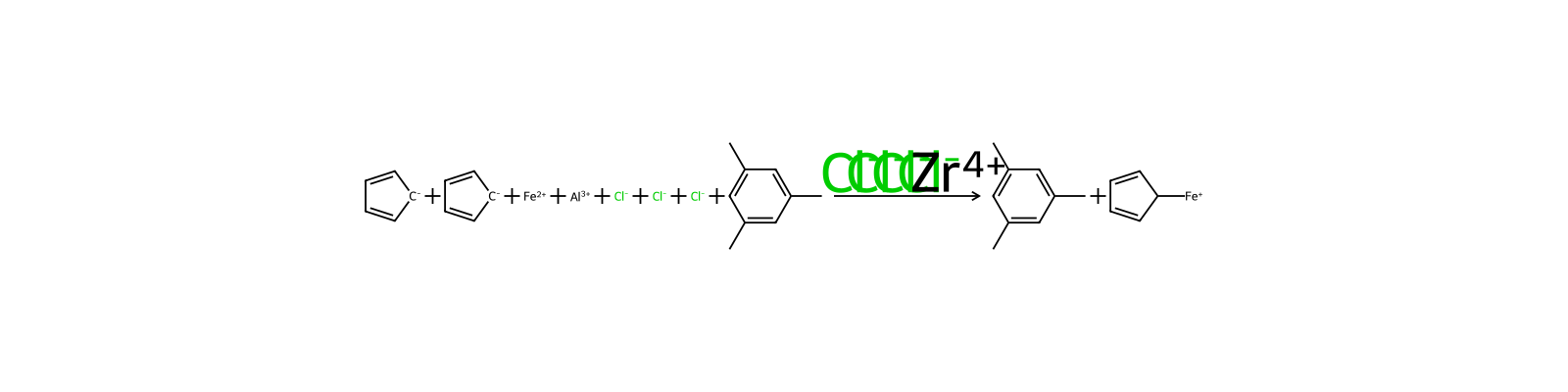
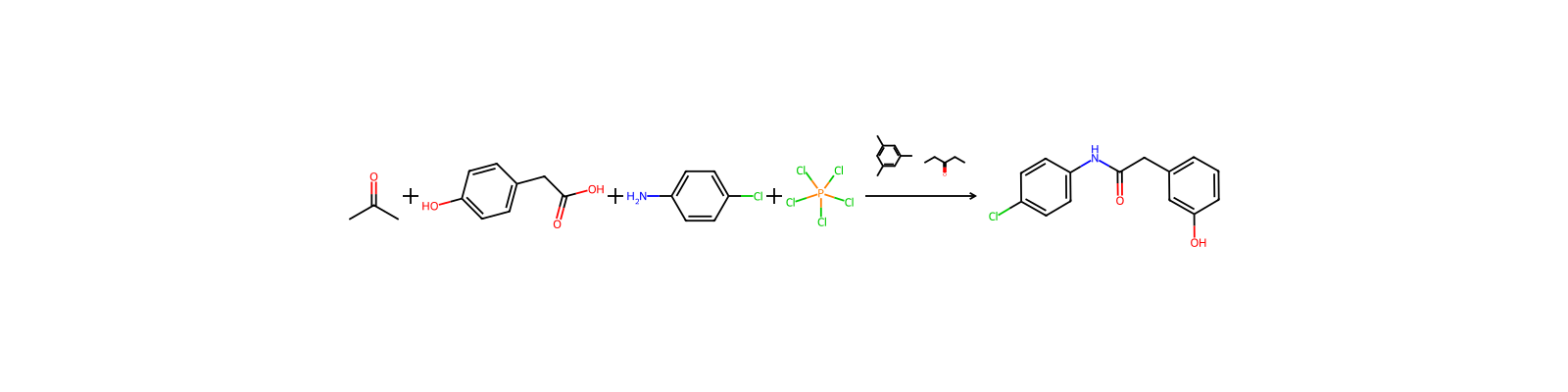
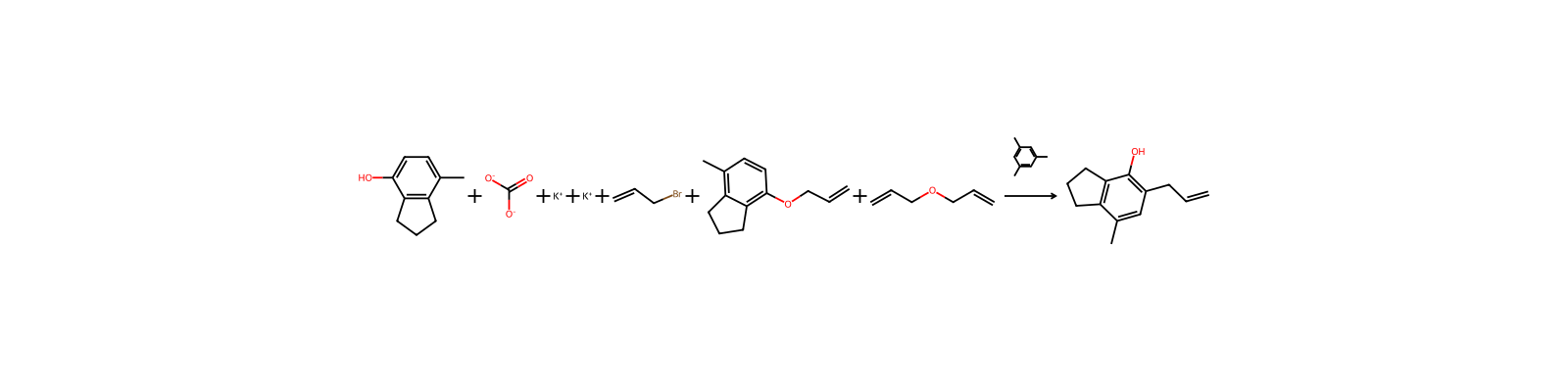
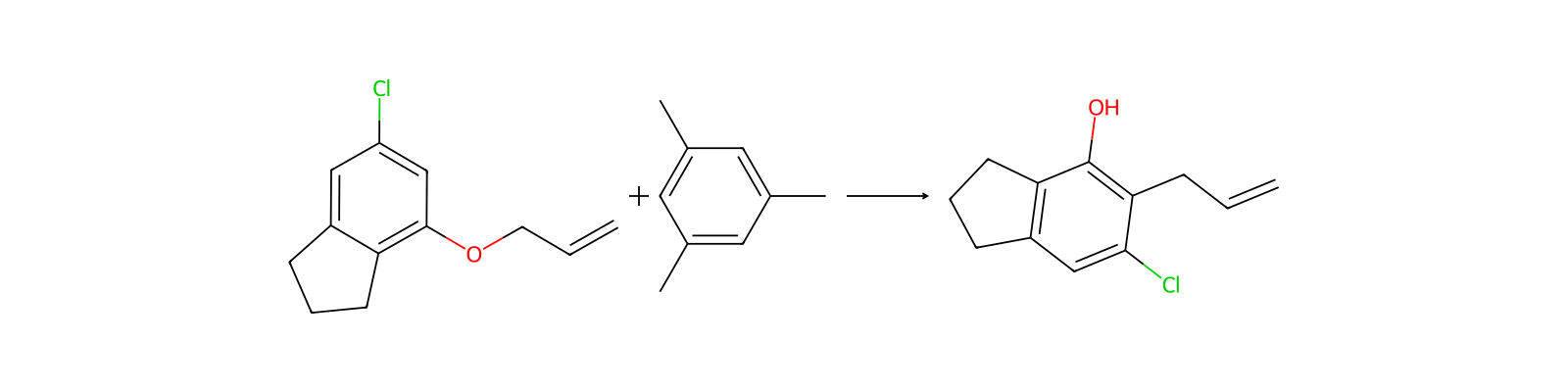
321 件



関連ノート
読み込み中…