ホームMCPワークベンチSkills
ホームワークベンチ通知マイページ
llms.txt · MCPガイドプライバシーポリシー · 利用規約 · サポートv1.8.0
  1. ホーム
  2. /化合物

n-ブチルアミン

Butylamine

HCID 8007
ノートを作成反応を作成見積依頼を出す
印刷プレビュー
基本情報概要名称と識別子物性安全と法規制化学と産業関連反応化合物ノート
部分構造検索類似構造を探す

基本情報

CAS
109-73-9
標準SMILES
CCCCN
InChIKey
HQABUPZFAYXKJW-UHFFFAOYSA-N
分子式
C4H11N
平均分子量
73.14 g/mol
単同位体質量
73.08914936

概要

N-butylamine appears as a clear colorless liquid with an ammonia-like odor. Flash point 10 °F. Less dense (6.2 lb / gal) than water. Vapors heavier than air. Produces toxic oxides of nitrogen during combustion.

名称と識別子

優先名称
Butylamine
IUPAC
butan-1-amine
現地名
n-ブチルアミン
英語名
Butylamine
分子式
C4H11N
分子量
73.14

名称と別名

Butylaminebutan-1-amineN-BUTYLAMINE109-73-91-Butanamine1-Aminobutane1-ButylamineMonobutylamineNorvalamineN-ButylaminMono-n-butylamine1-Aminobutan
名称をさらに表示
n-ブチルアミンブチルアミン1-アミノブタンノルバラミンブタン-1-アミン1-ブタンアミン1-ブタナミン1-アミノブタン(n-ブチルアミン)N‐ブチルアミン1-ブチルアミン1 - アミノブタン(n- ブチルアミン)n - ブチルアミン1-ブチルアミン, 99%ノルマル-ブチルアミンBAMNBAButylamin
1-Amino-butaanMonobutilaminaButanaminen-ButilaminaNorralamineFEMA No. 3130DTXSID1021904N2QV60B4WR

データベース識別子

CAS
109-73-9
PubChem CID
8007
DTXSID
DTXSID1021904
ChEMBL
CHEMBL13968
ChEBI
CHEBI:43799
UNII
N2QV60B4WR
EC Number
203-699-2
Nikkaji
J2.436H

物性

構造計算による物性

XLogP
1
極性表面積
26 Ų
水素結合供与体数
1
水素結合受容体数
1
回転可能結合数
2
重原子数
5
形式電荷
0
複雑度
13.1

実験および物理化学的性質

Chemical Classes · 2 件

Nitrogen Compounds -> Amines, Aliphatic

Flammable agents - 3rd degree

DrugsPharmaceuticals -> Listed in ZINC15
SpringerMaterials Properties15N nuclear magnetic resonance spectrum
LogP · 4 件

log Kow = 0.97

0.97

0.86

0.74

Odor · 2 件

Amine odor

... Fishy, ammonia-like odor.

Food AdditivesFLAVORING AGENT OR ADJUVANT -> FDA Substance added to food
Density · 6 件

0.741 at 68 °F (USCG, 1999) - Less dense than water; will float

0.7327 at 25 °C/4 °C

Relative density (water = 1): 0.74

0.732-0.740

0.74

0.7327 @ 20°C

Flavoring AgentsEU Flavoring substances
Viscosity0.574 mPa s at 25 °C
Color/FormCLEAR, COLORLESS LIQUID

安全と法規制

安全情報は参考情報です。供給元の安全データシート(SDS)、適用法令、専門家による評価に代わるものではありません。

GHS分類

GHS Classification · 6 件

Danger

H225: Highly Flammable liquid and vapor [Danger Flammable liquids]

P210, P233, P240, P241, P242, P243, P260, P261, P264, P270, P271, P280, P301+P317, P301+P330+P331, P302+P352, P302+P361+P354, P303+P361+P353, P304+P340, P305+P354+P338, P316, P317, P321, P330, P362+P364, P363, P370+P378, P403+P235, P405, and P501 (click each P-code to see the statement)

Danger

H225 (100%): Highly Flammable liquid and vapor [Danger Flammable liquids]

P210, P233, P240, P241, P242, P243, P260, P261, P262, P264, P264+P265, P270, P271, P280, P284, P301+P317, P301+P330+P331, P302+P352, P302+P361+P354, P303+P361+P353, P304+P340, P305+P354+P338, P316, P317, P319, P320, P321, P330, P361+P364, P362+P364, P363, P370+P378, P403+P233, P403+P235, P405, and P501 (click each P-code to see the statement)

危険有害性情報

Regulatory Information · 6 件

Chemical: 1-Butanamine

Commission Regulation (EC) No 1565/2000 (Repealed by Com. Implementing Reg. (EU) No 872/2012)

1-Butanamine is listed on the EPA's Chemical Data Reporting (CDR) system. Manufacturers and importers of 1-Butanamine are required to report information about their production and use of this chemical to the EPA under the Toxic Substances Control Act (TSCA). (40 eCFR Part 711)

REACH registered substance: Butylamine (EC: 203-699-2)

1-Butanamine: HSNO Approval: HSR001090 Approved with controls

The New Jersey Worker and Community Right to Know Act requires public and private employers to provide information about hazardous substances at their workplaces. (N.J.S.A. 34:5A-1 et. seq.)

Other Safety InformationEvaluation - Chemicals that are unlikely to require further regulation to manage risks to environment
DOT LabelFlammable Liquid Corrosive
Fire Hazards · 3 件

Special Hazards of Combustion Products: Toxic oxides of nitrogen may form in fire.

化学と産業

薬理情報

Metabolism/MetabolitesMonoamine oxidase and diamine oxidase (histaminase) occur widely in animal tissues ... it is assumed that they play an important part in "detoxication" of amines not normally present /in the body/. /Aliphatic amines/
Absorption, Distribution and Excretion · 2 件

... Recovered little ... n-butylamine in the urine after oral administration of the hydrochloride of this compound to humans ...

Amines are well absorbed from gut & respiratory tract. /Aliphatic amines/

Cellular LocationsCytoplasm

用途と製造

Uses · 6 件

Used as an intermediate in the synthesis of dyes, drugs, rubber additives, emulsifiers, tanning agents, and insecticides; also used as a vulcanizing accelerator for rubber and as a curing agent for polymers; [NIOSH Guidelines for Chemical Hazards]

Plastic Composites Manufacturing [Category: Industry]

Monobutylamine is an intermediate for the production of plasticizers (e.g., the rubber accelerator dibutylthiourea), agrochemicals (e.g., DuPont's fungicide benomyl), pharmaceuticals (e.g., the antidiabetic tolbutamide), emulsifying agents, dyes, and UV absorbers.

Int for pharmaceuticals, dyestuffs, synthetic tanning agents, rubber chemicals, insecticides, emulsifying agents, and synthetic tanning agents

CHEM INT FOR RUBBER ACCELERATORS, EG, DIBUTYLTHIOUREA, VULCANIZING AGENTS, ANTIOXIDANTS-EG, NICKEL DIBUTYLTHIOCARBAMATE, BENOMYL, A CARBAMATE FUNGICIDE, TOLBUTAMIDE, A HYPOGLYCEMIC AGENT

FLAVOR USEFUL IN SEAFOOD & CHOCOLATE

U.S. Production · 5 件

2023: 1,000,000 - <5,000,000 lb

(1978) 1.86X10+9 G

(1982) 1.11X10+9 G

Production volumes for non-confidential chemicals reported under the Inventory Update Rule. [Table#1456]

This chemical is listed as a High Production Volume (HPV) (65FR81686). Chemicals listed as HPV were produced in or imported into the U.S. in >1 million pounds in 1990 and/or 1994. The HPV list is based on the 1990 Inventory Update Rule. (IUR) (40 CFR part 710 subpart B; 51FR21438).

関連反応

1,473 件
反応記録を作成
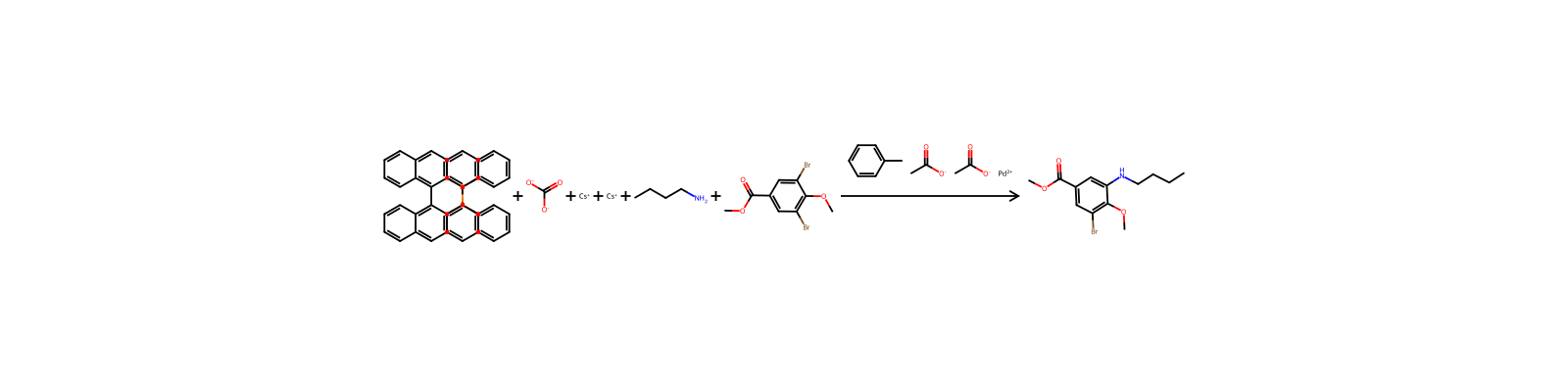
HRID 3186 の反応式
HRID 3186反応物としてuspto-grants-1998_03
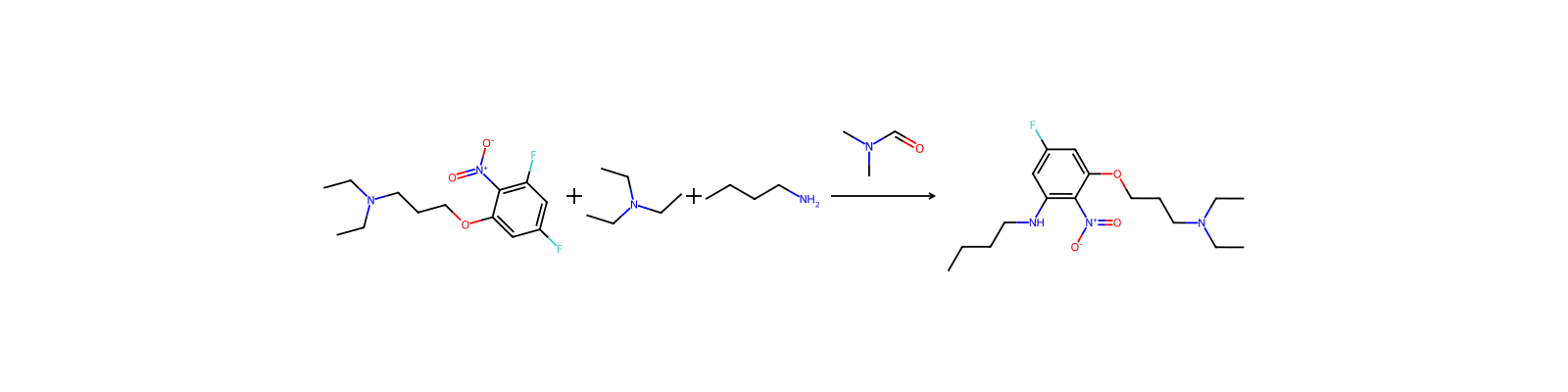
HRID 8051 の反応式
HRID 8051反応物としてuspto-grants-2006_08
HRID 11801 の反応式
HRID 11801反応物としてuspto-grants-2006_08
HRID 14143 の反応式
HRID 14143反応物としてuspto-grants-2010_06
HRID 14191 の反応式
HRID 14191反応物としてuspto-grants-2010_06
HRID 14197 の反応式
HRID 14197反応物としてuspto-grants-2010_06
HRID 17648 の反応式
HRID 17648反応物としてuspto-grants-2010_06
HRID 17652 の反応式
HRID 17652反応物としてuspto-grants-2010_06
1 / 185 ページ

化合物ノート

読み込み中…

このページの内容基本情報概要名称と識別子物性安全と法規制化学と産業関連反応化合物ノート
その他の操作
ノートを作成反応を作成見積依頼を出す
Solubility · 5 件

Soluble (>=10 mg/ml) (NTP, 1992)

Miscible with alcohol, ether

In water, 1X10+6 mg/L (miscible) at 25 °C

1000 mg/mL at 20 °C

Solubility in water: miscible

CorrosivityIt may corrode some metals in the presence of water.

物理化学的性質

融点
49 °C · −49 °C(lit.)
沸点
78 °C · 78 °C(lit.)
比重(密度)
0.74 g/mL · 0.74 g/mL at 25 °C(lit.)
蒸気密度
2.5 · 2.5 (vs air)
蒸気圧
68 mm · 68 mm Hg ( 20 °C)
屈折率
20 · n20/D 1.401(lit.)
FEMA
3130 · 3130 | BUTYLAMINE
闪点
30 °F · 30 °F
貯蔵温度
30 °C · Store below +30°C.
溶解性
水: 混和性
酸解離定数(Pka)
10.77 · 10.77(at 20℃)
外見
液体
色
クリア
PH
12.6 · 12.6 (100g/l, H2O, 20℃)
臭い (Odor)
魚のような;アンモニアのような。
由来生物
synthetic
臭気閾値(Odor Threshold)
0.17 ppm · 0.17ppm
においのタイプ
アンモニア性の
爆発限界(explosive limit)
1.5 · 1.5-9.8%(V)
水溶解度
混和性
比熱容量
2.45 J/ · Cp(liquid): 2.45 J/(g·K), at 25℃
JECFA Number
1582 · 1582
Merck
14 · 14,1543
BRN
605269 · 605269
Henry's Law Constant
1.76 · 1.76 (thermodynamic method-GC/UV spectrophotometry, Altschuh et al., 1999)
Dielectric constant
4.9 · 4.9(20℃)
安定性
安定。酸化剤、アルミニウム、銅、銅合金、酸とは相容れない。とても燃えやすい。
主な用途
フレーバーそして香料
InChI
1S/C4H11N/c1-2-3-4-5/h2-5H2,1H3
InChIKey
HQABUPZFAYXKJW-UHFFFAOYSA-N
SMILES
CCCCN
LogP
0 at · 0 at 25℃
CAS データベース
109 · 109-73-9(CAS DataBase Reference)
NISTの化学物質情報
1 · 1-Butanamine(109-73-9)
EPAの化学物質情報
Butylamine (109-73-9)
化学的性質 · 3 件

化学的特性ブチルアミンは化学式でCH3CH23NH2と表される有機化合物ですアルキルアミンの一種であり無色の気体または液体として存在し強いアンモニア臭が特徴です工業的にはさまざまな化学合成の中間体として重要な役割を果たしており医薬品農薬染料ゴムの加硫剤などの製造に使用されます

化学的特性n-Butylamine is a derivative of ammonia in which one of the hydrogen atoms is replaced with an alkyl group of four carbons. As such, it reacts with water and acids to form bases and salts, respectively. Acting as a very weak acid, it can react with acyl halides, anhydrides, and esters. With carbon disulfide and carbon dioxide, it forms the butyl ammonium salt of dithiocarbamic and carbamic acids, respectively. With isocyanic acid and alkyl or aryl isocyanates, it forms substituted ureas. When reacted with nitrous acid, rc-butylamine forms butyl alcohol with the release of nitrogen (Schweizer et al 1978). In the presence of water, rc-butylamine may corrode some metals (General Electric Co 1986) and attack glass (Schweizer et al 1978). Liquid n-butylamine also will attack some forms of plastics, rubber, and coatings (NIOSH 1981).

化学性质ブチルアミンは室温で液体の状態で存在し沸点は約771°C融点は49°Cです水と混和する性質を持ち多くの有機溶剤とも良好に混ざり合いますこの物質は高い揮発性と強い臭いのため取り扱いには適切な換気が必要です

· Flammable/combustible material.

Highly flammable. Gives off irritating or toxic fumes (or gases) in a fire. Vapour/air mixtures are explosive.

Fire PotentialFlammable
Health Hazards · 2 件

Inhalation causes irritation, nausea, vomiting, headache, faintness, severe coughing and chest pains; can cause lung edema. Ingestion causes severe irritation of mouth and stomach. Contact with eyes causes severe irritation and edema of the cornea. Contact with skin causes burns; absorption through skin may cause nausea, vomiting and shock. (USCG, 1999)

· May cause toxic effects if inhaled or ingested.

Hazards Summary · 1 件

Liquid will burn skin; [CHRIS] Highly corrosive to skin; [Quick CPC] n-Butylamine can cause severe skin and eye burns as well as respiratory tract irritation and, potentially, pulmonary edema. [ACGIH] A corrosive substance that can cause pulmonary edema; [ICSC]

DOT ID and Guide · 2 件

1125 132

1125 132

Reactive GroupAmines, Phosphines, and Pyridines
EC ClassificationSymbol: F, C; R: 11-20/21/22-35; S: (1/2)-3-16-26-29-36/37/39-45
UN ClassificationUN Hazard Class: 3; UN Subsidiary Risks: 8; UN Pack Group: II
Special Reports · 3 件

European Chemicals Bureau; IUCLID Dataset, Butylamine (CAS # 109-73-9) (2000) gives information on usage patterns, ecotoxicity, and toxicity provided to the European Union by industry.

Anon; Dangerous Prop Ind Mater Rep, 6(2): 45-48 (1986) Safety of butylamine

Canadian Centre for Occupational Health and Safety p.1 (1990). Chemical safety information sheet.

安全と保護具

Fire Fighting · 2 件

Excerpt from ERG Guide 132 [Flammable Liquids - Corrosive]:

Use water in large amounts, powder, alcohol-resistant foam, carbon dioxide. In case of fire: keep drums, etc., cool by spraying with water.

First Aid Measures · 4 件

Fresh air, rest. Half-upright position. Artificial respiration may be needed. Refer for medical attention.

Remove contaminated clothes. Rinse skin with plenty of water or shower. Refer for medical attention .

First rinse with plenty of water for several minutes (remove contact lenses if easily possible), then refer for medical attention.

Rinse mouth. Do NOT induce vomiting. Refer for medical attention .

Accidental Release Measures · 2 件

· CALL 911. Then call emergency response telephone number on shipping paper. If shipping paper not available or no answer, refer to appropriate telephone number listed on the inside back cover.

· ELIMINATE all ignition sources (no smoking, flares, sparks or flames) from immediate area.

First Aid · 3 件

EYES: First check the victim for contact lenses and remove if present. Flush victim's eyes with water or normal saline solution for 20 to 30 minutes while simultaneously calling a hospital or poison control center. Do not put any ointments, oils, or medication in the victim's eyes without specific instructions from a physician. IMMEDIATELY transport the victim after flushing eyes to a hospital even if no symptoms (such as redness or irritation) develop.

General First Aid:

(General first aid procedures)

Safe StorageFireproof. Separated from food and feedstuffs. See Chemical Dangers.
Firefighting HazardsVAPORS ARE HEAVIER THAN AIR & MAY TRAVEL CONSIDERABLE DISTANCE TO SOURCE OF IGNITION & FLASH BACK.
Exposure Control and Personal Protection · 2 件

· Wear positive pressure self-contained breathing apparatus (SCBA).

2.0 [ppm]

Fire Fighting Procedures · 4 件

Use water spray, dry chemical, "alcohol resistant" foam, or carbon dioxide. Use water spray to keep fire-exposed containers cool. Approach fire from upwind to avoid hazardous vapors and toxic decomposition products.

Do not use a solid stream of water because the stream will scatter and spread the fire. ... Fire fighters should wear self-contained breathing apparatus and full set of protective clothing.

If material on fire or involved in fire: Do not extinguish fire unless flow can be stopped. Use water in flooding quantities as fog. Solid streams of water may be ineffective. Cool all affected containers with flooding quantities of water. Apply water from as far a distance as possible. Use "alcohol" foam, dry chemical or carbon dioxide.

Fire Fighting: Use self-contained breathing apparatus with a full facepiece operated in pressure-demand or other positive pressure mode.

Storage Conditions · 2 件

Store in closed containers in a cool, dry, well-ventilated area.

Outside or detached storage is preferred. Separate from oxidizing materials, acids, and sources of halogens. Store in a cool, dry, well-ventilated location.

Cleanup Methods · 5 件

Evacuate and restrict persons not wearing protective equipment from area of spill or leak until cleanup is complete. Remove all ignition sources. Establish forced ventilation to keep levels below explosive limit. Absorb liquids in vermiculite, dry sand, earth, peat, carbon, or a similar material and deposit in sealed containers. It may be necessary to contain and dispose of this chemical as a hazardous waste. If material or contaminated runoff enters waterways, notify downstream users of potentially contaminated waters. Contact your Department of Environmental Protection or your regional office of the federal EPA for specific recommendations. If employees are required to clean-up spills, they must be properly trained and equipped. OSHA 1910.120(q) may be applicable. /Butyl Amines/

Evacuate danger area! Consult an expert! Ventilation. Collect leaking and spilled liquid in sealable containers as far as possible. Absorb remaining liquid in sand or inert absorbent and remove to safe place. Do NOT let this chemical enter the environment. Personal protection: chemical protection suit including self-contained breathing apparatus.

1. Remove all ignition sources. 2. Ventilate area of spill or leak. 3. For small quantities, absorb on paper towels. Evaporate in a safe place (such as fume hood). Allow sufficient time for evaporating vapors to completely clear the hood ductwork. ... butylamine should not be allowed to enter a confined space, such as sewer, because of the possibility of an explosion. Sewers designed to preclude the formation of explosive concentrations of butylamine vapors are permitted.

Environmental considerations-land spill: Dig a pit, pond, lagoon, holding area to contain liquid or solid material. /SRP: If time permits, pits, ponds, lagoons, soak holes, or holding areas should be sealed with an impermeable flexible membrane liner./ Dike surface flow using soil, sand bags, foamed polyurethane, or foamed concrete Absorb bulk liquid with fly ash, cement powder, or commercial sorbents. Apply appropriate foam to diminish vapor and fire hazard. Neutralize with sodium bisulfate (NaHSO4).

For more Cleanup Methods (Complete) data for N-BUTYLAMINE (6 total), please visit the HSDB record page.

Nonfire Spill ResponseExcerpt from ERG Guide 132 [Flammable Liquids - Corrosive]:
Disposal Methods · 3 件

SRP: The most favorable course of action is to use an alternative chemical product with less inherent propensity for occupational exposure or environmental contamination. Recycle any unused portion of the material for its approved use or return it to the manufacturer or supplier. Ultimate disposal of the chemical must consider: the material's impact on air quality; potential migration in soil or water; effects on animal, aquatic, and plant life; and conformance with environmental and public health regulations.

Incineration; incinerator is equipped with a scrubber or thermal unit to reduce NOx emissions. Alternatively it may be poured into sodium bisulfate, neutralized and flushed with water.

/Absorb small spills with paper and/ burn the paper in a suitable location away from combustible materials. Large quantities can be reclaimed or collected & atomized in suitable combustion chamber equipped with appropriate effluent gas cleaning device.

毒性情報

Target OrgansEyes, skin, respiratory system
Ecotoxicity Values · 5 件

LC50 Leuciscus idus /Freshwater fish, Ide or Orfe/ 171 mg/L/96 hr; freshwater.

LC50 Brine shrimp 30-70 ppm for 24 hr. /static bioassay/

EC50; Species: Anabaena subcylindrica (Blue-green algae, axenic, 1-3x 10+7 cells/mL); Conditions: freshwater, static, 25 °C, pH 7.2; Concentration: 0.012 ug/cell for < or = 3 hr; Effect: decreased nitrogen fixation

EC50; Species: Anabaena subcylindrica (Blue-green algae, axenic, 1-3x 10+7 cells/mL); Conditions: freshwater, static, 25 °C, pH 7.2; Concentration: 1.8x10⁻⁸ ug/cell for < or = 3 hr; Effect: decreased photosynthesis, oxygen production

For more Ecotoxicity Values (Complete) data for N-BUTYLAMINE (13 total), please visit the HSDB record page.

Environmental Fate · 3 件

TERRESTRIAL FATE: Based on a classification scheme(1), Koc values ranging from 15 to 107(2) indicate that n-butylamine is expected to have high mobility in soil(SRC). The pKa of n-butylamine is 10.78(3) indicating that this compound will exist almost entirely in the cation form in the environment and therefore volatilization from moist soil surfaces is not expected to be an important fate process(SRC). The potential for volatilization of n-butylamine from dry soil surfaces may exist(SRC) based upon a vapor pressure of 92.9 mm Hg(4). Numerous screening studies indicate that n-butylamine will biodegrade readily(5-8); n-butylamine reached 67% of its theoretical BOD in 12 days using an activated sludge inoculum(5).

AQUATIC FATE: Based on a classification scheme(1), a Koc value range of 15 to 107 in soil and sediment(2), indicates that n-butylamine is not expected to adsorb to suspended solids and sediment(SRC). A pKa of 10.78(3) indicates n-butylamine will exist almost entirely in the cation form at pH values of 5 to 9 and therefore volatilization from water surfaces is not expected to be an important fate process(4). According to a classification scheme(5), an estimated BCF of 3(SRC), from its log Kow(6) and a regression-derived equation(7), suggests the potential for bioconcentration in aquatic organisms is low(SRC). Numerous screening studies indicate that n-butylamine will biodegrade readily(8-11); n-butylamine reached 67% of its theoretical BOD in 12 days using an activated sludge inoculum(8).

ATMOSPHERIC FATE: According to a model of gas/particle partitioning of semivolatile organic compounds in the atmosphere(1), n-butylamine, which has a vapor pressure of 92.9 mm Hg at 25 °C(2), is expected to exist solely as a vapor in the ambient atmosphere. Vapor-phase n-butylamine is degraded in the atmosphere by reaction with photochemically-produced hydroxyl radicals(SRC); the half-life for this reaction in air is estimated to be 11 hours(SRC) from its estimated rate constant of 3.4X10⁻¹¹ cu cm/molecule-sec at 25 °C(3).

Food Survey Values · 1 件

n-Butylamine has been detected to occur naturally in the following foods: kale, 7 ppm; pickles: cucumbers in aromatic vinegar, 0.6 ppm, cucumbers pickled with mustard, 5.3 ppm; cheese: Tilsiter, 3.7 ppm, Camembert and Limburger, not detected; brown bread, 1.1 ppm(1). Not detected in: spinach, red cabbage, cauliflower, white beet, carrot, red beet, large raddish, red radish, celery(1). n-Butylamine has been identified as a volatile component of boiled beef, concn unknown(2).

Adverse EffectsDermatotoxin - Skin burns.
Exposure Routes · 2 件

The substance can be absorbed into the body by inhalation of its vapour, through the skin and by ingestion.

inhalation, skin absorption, ingestion, skin and/or eye contact

Milk Concentrations · 1 件

... The presence of volatile aliphatic amines ... in human breast milk and amniotic fluid /was measured/ to assess their role in neonatal hypergastrinemia. These volatile nitrogenous amino acid metabolites have been previously demonstrated to stimulate gastrin release in in vivo and in vitro laboratory preparations. ... The present study ... demonstrated that these gastrin-stimulatory volatile amines were present in significant concentrations in breast milk during the first several weeks after parturition and in amniotic fluid. The individual amines that were identified in both human milk and amniotic fluid samples were methylamine, dimethylamine, ethylamine, trimethylamine, propylamine, isobutylamine, and butylamine. This study provides indirect evidence to support the possibility that the hypergastrinemia measured in the fetus/neonate during the period immediately before and after birth may be attributable, in part, to the ingestion of fluid containing high concentrations of gastrin-stimulating amines.

Ecotoxicity Excerpts · 1 件

/AQUATIC SPECIES/ Of 78 binary mixtures of equitoxic concns of 13 amines, the ethyl amine-aniline mixture (I-II) showed the greatest (32-fold) toxicity potentiation in a /freshwater algae/ Scenedesmus subspicatus reproduction test. ... Combining I with Butylamine ... potentiated the toxicity 8-fold.

Plant ConcentrationsOCCURS NATURALLY IN MULBERRY LEAVES.
Signs and Symptoms · 5 件

Sore throat. Cough. Burning sensation. Headache. Flushing of the face. Vomiting. Dizziness. Shortness of breath. Laboured breathing. Symptoms may be delayed.

MAY BE ABSORBED! Pain. Redness. Blisters. Skin burns.

Pain. Redness. Severe deep burns. Loss of vision.

Burning sensation. Abdominal pain. Diarrhoea. Nausea. Vomiting. Shock or collapse.

irritation eyes, skin, nose, throat; headache; skin flush, burns

Effluent Concentrations · 1 件

In 16 finished water concentrates collected from advanced waste treatment plants across the US, n-butylamine was detected, but not quantified, in 1087 of 2097 detection instances(1). In a laboratory study, n-butylamine was detected in the automobile exhaust of two gasoline fueled vehicles, concn not specified(2).

ICSC Environmental DataThe substance is harmful to aquatic organisms.

法規制情報

Atmospheric Standards · 1 件

This action promulgates standards of performance for equipment leaks of Volatile Organic Compounds (VOC) in the Synthetic Organic Chemical Manufacturing Industry (SOCMI). The intended effect of these standards is to require all newly constructed, modified, and reconstructed SOCMI process units to use the best demonstrated system of continuous emission reduction for equipment leaks of VOC, considering costs, non air quality health and environmental impact and energy requirements. n-Butylamine is produced, as an intermediate or a final product, by process units covered under this subpart.

CERCLA Reportable Quantities · 1 件

Persons in charge of vessels or facilities are required to notify the National Response Center (NRC) immediately, when there is a release of this designated hazardous substance, in an amount equal to or greater than its reportable quantity of 1000 lb or 454 kg. The toll free number of the NRC is (800) 424-8802. The rule for determining when notification is required is stated in 40 CFR 302.4 (section IV. D.3.b).

Clean Water Act Requirements · 1 件

Butylamine is designated as a hazardous substance under section 311(b)(2)(A) of the Federal Water Pollution Control Act and further regulated by the Clean Water Act Amendments of 1977 and 1978. These regulations apply to discharges of this substance. This designation includes any isomers and hydrates, as well as any solutions and mixtures containing this substance.

安全データ

F
34
OEL
Ceiling: 5 ppm (15 mg/m3) [skin]
wgk
1
IDLA
300 ppm
tsca
TSCA listed
rtecs
EO2975000
ridadr
UN 1125
毒性
LD50 orally in rats: 500 mg/kg (Hine)
hs_code
29211980
risk_code
11-20/21/22-35
化審法
(2)-132
安衛法
57,57-2
消防法
危-4-1-II
hazard_code
F,C
safety_code
3-16-26-29-36/37/39-45
hazard_class
3
packing_group
II
自然発火温度
594 °F
Hazard Classifications
Acute Tox. 3 DermalAcute Tox. 3 InhalationAcute Tox. 4 OralEye Dam. 1Flam. Liq. 2Met. Corr. 1Skin Corr. 1ASTOT SE 3
ストレージクラス
3 - Flammable liquids
有毒物質データの
109-73-9(Hazardous Substances Data)
Consumption PatternsCHEM INT FOR RUBBER-PROCESSING CHEMICALS, (EG, ACCELERATORS, VULCANIZING AGENTS, & ANTIOXIDANTS), 50%; CHEM INT FOR PESTICIDES, 50% (1982)
Industry UsesIntermediate
Methods of Manufacturing · 3 件

REACTION OF AMMONIA & N-BUTYL ALCOHOL AT ELEVATED TEMPERATURE AND PRESSURE IN THE PRESENCE OF A SILICA-ALUMINA CATALYST; REDUCTIVE AMINATION OF N-BUTYRALDEHYDE (NON-US PROCESS)

... By reduction of butyraldoxime ... Usually mfr by catalytic alkylation of ammonia with butyl alc: Davies et al, US patent 2,609,394 (1954 to ICI); Hindley, Fisher, US patent 2,782,237 (1957 to British Celanese); Lemon, Myerly, US patent 3,022,349 (1962 to Union Carbide); Shirley, Speranza US patent 3,128,311 (1964 to Jefferson Chem). Mfr from butyraldehyde & ammonia in presence of Raney nickel: Brimer et al, US patent 2,518,659 (1950 to Eastman Kodak).

Catalytic alkylation of ammonia with butyl alcohol.

Use Classification · 3 件

Flavouring Agent -> FLAVOURING_AGENT -> JECFA Functional Classes

Flavoring Agents -> JECFA Flavorings Index

Flavouring Agent -> FLAVOURING_AGENT -> JECFA Functional Classes

General Manufacturing Information · 3 件

All Other Basic Organic Chemical Manufacturing

1-Butanamine: ACTIVE

Aziridines are hydrogenated in the presence of typical hydrogenation catalysts to give alkyl amines.

応用分野 · 5 件

用途界面活性剤?有機ゴム薬品?染料?医薬?農薬?原料、食品添加物、触媒

説明n-Butylamine is one of the four isomeric amines of butane, the others being sec-butylamine, tert-butylamine, and isobutylamine. It is a colourless to yellow liquid and is highly flammable. It is stable and incompatible with oxidising agents, aluminium, copper, copper alloys, and acids. n-Butylamine finds its uses in the manufacture of pesticides (such as thiocarbazides), pharmaceuticals, and emulsifiers. It is also a precursor for the manufacture of N,N′-dibutylthiourea, a rubber vulcanisation accelerator, and n-butylbenzenesulphonamide, a plasticiser of nylon.

天然物の起源Reported found in mulberry leaves, kale, tomato, tilsit cheese, cheddar and other cheeses, caviar, fish, cooked chicken, cooked beef, beer, sherry and red wine.

使用n-Butylamine is used as an intermediatefor various products, including dyestuffs,pharmaceuticals, rubber chemical, synthetictanning agents, and emulsifying agents. It isused for making isocyanates for coatings.

一般的な説明A clear colorless liquid with an ammonia-like odor. Flash point 10°F. Less dense (6.2 lb / gal) than water. Vapors heavier than air. Produces toxic oxides of nitrogen during combustion.

調製方法 · 3 件

製造方法Catalytic alkylation of ammonia with butyl alcohol.

n-Butylamine is usually manufactured by the catalytic alkylation of ammonia with butyl alcohol, or similarly from butyraldehyde and ammonia in the presence of Raney nickel. U.S. production in 1982 was approximately 1109 metric tons (SRI 1985). Some n-butylamine is also produced as a result of fertilizer manufacture, fish processing, rendering plant operations, and sewage treatment and has been reported to be a component of animal waste (Graedel 1978).

純化方法Dry it with solid KOH, K2CO3, LiAlH4, CaH2 or MgSO4, then reflux it with, and fractionally distil it from P2O5, CaH2, CaO or BaO. Further purification is by precipitation as the hydrochloride, m 213-213.5o, from ethereal solution by bubbling HCl gas into it. This is re-precipitated three times from EtOH by adding ether, followed by liberation of the free amine using excess strong base. The amine is extracted into ether, which is separated, dried with solid KOH, the ether removed by evaporation and then the amine is distilled. It is stored in a desiccator over solid NaOH [Bunnett & Davis J Am Chem Soc 82 665 1960, Lycan et al. Org Synth Coll Vol II 319 1943]. [Beilstein 4 IV 540.] SKIN IRRITANT.

上流・下流製品情報

上流原料

アンモニア水4-クロロベンズアルデヒドトリブチルアミン1-クロロブタン水和物モリブデン(VI)トリオキシドカオリンEthanol 95%水酸化ナトリウムジブチルアミン1-ブタノールアルミニウム オキシドアンモニア

下流製品

UV-photoxidation degradation film containing FeDBC photosensitizeベンスルフロンメチルクルクミンブピバカイン1,4-ビス(ブチルアミノ)-9,10-アントラキノントリブチルアミン2-メトキシフェニルアセトン(S)-2-ヒドラジノ-2-メチル-3-(3,4-ジヒドロキシフェニル)プロパン酸1-(2-フルオロフェニル)プロパン-2-オン4-Butylamino-chromen-2-one1-[(o-クロロフェニル)スルホニル]-3-(4-メトキシ-6-メチル-1,3,5-トリアジン-2-イル)尿素イソシアン酸 t-ブチルイソシアン酸 n-ブチルジブチルアミンTransparent BlueシムバスタチンMethanimidamide, N,N'-dibutyl-1-Butanamine, N-(3-methyl-2(3H)-benzothiazolylidene)-3-アミノ-N-ブチル-4-メトキシベンゼンスルホンアミド1,4-ビス(ブチルアミノ)-9,10-アントラキノン

補足説明

定義ChEBI: A primary aliphatic amine that is butane substituted by an amino group at position 1.