

基本情報
- 標準SMILES
COC(=O)c1ccccc1C(=O)OC- InChIKey
NIQCNGHVCWTJSM-UHFFFAOYSA-N- 分子式
- C10H10O4
- 平均分子量
- 194.18 g/mol
- 単同位体質量
- 194.0579088
概要
Dimethyl phthalate appears as a water-white liquid without significant odor. Denser than water and insoluble in water. Hence sinks in water. Flash point 300 °F. Eye contact may produce severe irritation and direct skin contact may produce mild irritation. Used in the manufacture of a variety of products including plastics, insect repellents, safety glass, and lacquer coatings.
名称と識別子
- 優先名称
- Dimethyl Phthalate
- IUPAC
- dimethyl benzene-1,2-dicarboxylate
- 現地名
- フタル酸ジメチル
- 英語名
- Dimethyl phthalate
- 分子式
- C10H10O4
- 分子量
- 194.18
名称と別名
Dimethyl phthalate131-11-3DIMETHYLPHTHALATEAvolinMipaxPalatinol MSolvanomSolvaroneFermineDimethyl o-phthalateRepeftalPhthalic acid dimethyl ester
名称をさらに表示
フタル酸ジメチル1,2-ベンゼンジカルボン酸ジメチルジメチル=フタラートレペフタール3,3-ジメトキシプロピオンアルデヒドフェルミンパラチノールMアボリンフタル酸メチルソルバロンベンゼン-1,2-ジカルボン酸ジメチル3,3-ジメトキシプロパナールソルバノムミパックスジメチルテレフタレトジメチルテレフタレ-トフタル酸ジメチル標準品フタル酸ジメチル フタル酸メチルフタル酸ジメチル(DMP)DMP標準品DMPMICROCARE DMPNTMMETHYL PHTHALATE1,2-dimethyl phthalateDiMethyl phthalate, 99% 1LTPHTHALIC ACID, BIS-METHYL ESTER
Unimoll DMdimethyl benzene-1,2-dicarboxylateDimethyl 1,2-benzenedicarboxylatePhthalsaeuredimethylester1,2-Benzenedicarboxylic acid, dimethyl esterDimethyl benzene-o-dicarboxylateENT 262dimethylphtalate
データベース識別子
- CAS
131-11-3- PubChem CID
- 8554
- DTXSID
DTXSID3022455- ChEMBL
CHEMBL323348- ChEBI
CHEBI:4609- UNII
- 08X7F5UDJM
- EC Number
- 205-011-6
- Nikkaji
- J5.557C
物性
構造計算による物性
- XLogP
- 1.6
- 極性表面積
- 52.6 Ų
- 水素結合供与体数
- 0
- 水素結合受容体数
- 4
- 回転可能結合数
- 4
- 重原子数
- 14
- 形式電荷
- 0
- 複雑度
- 200
実験および物理化学的性質
Chemical Classes
Hazardous Air Pollutants (HAPs)
Phthalate
Semi-Volatile Organic Compound (SVOC)
PolymersPlastics & Rubber -> Phthalate Esters
Cosmetics
Cosmetics ingredient -> Other (Specify)
Cosmetic ingredients (Dimethyl Phthalate) -> CIR (Cosmetic Ingredient Review)
Film forming; Solvent; Plasticiser
SpringerMaterials PropertiesBoiling point
FragrancesFragrance Ingredient (Dimethyl phthalate) -> IFRA transparency List
PesticidesPesticide -> EPA IRIS
LogP
log Kow = 1.60
1.47/2.12
OdorSlight aromatic odor
Density
1.1905 at 68 °F (USCG, 1999) - Denser than water; will sink
1.196 at 15.6 °C/15.6 °C; 1.1940 at 20 °C/20 °C; 1.189 at 25 °C/25 °C
Bulk density 9.93 lb/gal at 68 °F.
Relative density (water = 1): 1.19
1.19
1.1905 @ 20°C
Viscosity17.2 cP at 25 °C
Color/Form
Pale yellow
Colorless, oily liquid [Note: A solid below 42 degrees F]
Solubility
less than 1 mg/mL at 68 °F (NTP, 1992)
In water, 4,000 mg/L at 25 °C
Miscible with alcohol, ether, chloroform. Practically insoluble in petroleum ether, and other paraffin hydrocarbons.
Solubility in mineral oil at 20 °C: 0.34 g/100 g
Miscible with ethanol, ethyl ether; soluble in benzene; slightly soluble in carbon tetrachloride
Readily soluble in organic solvents, alcohols, esters, ketones, chlorinated hydrocarbons. Slightly soluble in some types of mineral oil.
物理化学的性質
- 融点
- 2 °C · 2 °C (lit.)
- 沸点
- 282 °C · 282 °C (lit.)
- 比重(密度)
- 1.19 g/mL · 1.19 g/mL at 25 °C (lit.)
- 蒸気圧
- 0.008 hPa · 0.008 hPa (20 °C)
- 屈折率
- 20 · n20/D 1.515(lit.)
- 闪点
- 295 °F · 295 °F
- 貯蔵温度
- 30 °C · Store below +30°C.
- 溶解性
- 4 g/l · 4.0g/l
- 外見
- 液体
- 色
- クリア
- 比重
- 1.194 · 1.194 (20/4℃)
- 臭い (Odor)
- 軽い芳香の香り
- PH
- 7 · 7 (H2O, 20℃)
- 由来生物
- synthetic
- 水溶解度
- 0.1 g/100 · <0.1 g/100 mL で 20 ºC
- 比熱容量
- 1.56 J/ · Cp(liquid): 1.56 J/(g·K), at 25℃
- Merck
- 14 · 14,3255
- BRN
- 1911460 · 1911460
- Henry's Law Constant
- 25 °C: · At 25 °C: 235, 246, 230, 214, 168, 127, and 118 at pH values of 3.00, 3.37, 5.88, 6.18, 7.62, 8.91, and 8.99, respectively (Hakuta et al., 1977).
- Dielectric constant
- 8.1 · 8.1(45℃)
- 安定性
- 安定。可燃性。強酸化剤、強酸、強塩基、硝酸塩とは相容れない。長時間の光への暴露に敏感。
- 主な用途
- フレーバーそして香料
- 化粧品成分の機能
- 溶媒可塑剤フィルム形成香料
- InChI
- 1S/C10H10O4/c1-13-9(11)7-5-3-4-6-8(7)10(12)14-2/h3-6H,1-2H3
- InChIKey
- NIQCNGHVCWTJSM-UHFFFAOYSA-N
- SMILES
- COC(=O)c1ccccc1C(=O)OC
- LogP
- 1.54 at · 1.54 at 25℃
- CAS データベース
- 131 · 131-11-3(CAS DataBase Reference)
- NISTの化学物質情報
- Dimethyl phthalate(131-11-3)
- EPAの化学物質情報
- Dimethyl phthalate (131-11-3)
化学的性質
化学的特性Dimethyl phthalate occurs as a colorless, or faintly colored, odorless, viscous, oily liquid.
安全と法規制
GHS分類
GHS Classification
Danger
H242: Heating may cause a fire [Danger Self-reactive substances and mixtures; Organic peroxides]
P210, P234, P235, P240, P260, P261, P264, P270, P272, P273, P280, P301+P317, P301+P330+P331, P302+P352, P302+P361+P354, P304+P340, P305+P354+P338, P316, P321, P330, P333+P317, P362+P364, P363, P370+P378, P391, P403, P405, P410, P411, P420, and P501 (click each P-code to see the statement)
This chemical does not meet GHS hazard criteria for 95.7% (1993 of 2082) of all reports.
Not Classified
Aggregated GHS information provided per 2082 reports by companies from 15 notifications to the ECHA C&L Inventory.
危険有害性情報
Regulatory Information
Chemical: 1,2-Benzenedicarboxylic acid, 1,2-dimethyl ester
Hazard Traits - Developmental Toxicity; Endocrine Toxicity; Environmental tox; Immunotoxicity; Ocular Toxicity; Reproductive Toxicity; Respiratory Toxicity
Regulation (EC) No 178/2002 (amended)
1,2-Benzenedicarboxylic acid, 1,2-dimethyl ester is listed on the EPA's Chemical Data Reporting (CDR) system. Manufacturers and importers of 1,2-Benzenedicarboxylic acid, 1,2-dimethyl ester are required to report information about their production and use of this chemical to the EPA under the Toxic Substances Control Act (TSCA). (40 eCFR Part 711)
Status: Active Update: 06-04-2023 https://echa.europa.eu/registration-dossier/-/registered-dossier/14997
Dimethylphthalate: Does not have an individual approval but may be used under an appropriate group standard
Other Safety InformationIMAP assessments - 1,2-Benzenedicarboxylic acid, dimethyl ester: Human health tier I assessment
DOT LabelClass 9
Fire Hazards
This chemical is combustible. (NTP, 1992)
Combustible.
Fire PotentialCombustible.
Health HazardsSymptoms unlikely from any exposure. (USCG, 1999)
Hazards Summary
Dimethyl phthalate has many uses, including in solid rocket propellants, plastics, and insect repellants. Acute (short-term) exposure to dimethyl phthalate, via inhalation in humans and animals, results in irritation of the eyes, nose, and throat. No information is available on the chronic (long-term), reproductive, developmental, or carcinogenic effects of dimethyl phthalate in humans. Animal studies have reported slight effects on growth and on the kidney from chronic oral exposure to the chemical. EPA has classified dimethyl phthalate as a Group D, not classifiable as to human carcinogencity.
Ingestion can cause central nervous system depression. Used as a mosquito repellant during World War II, no skin sensitization was reported. DMP is a possible animal teratogen. [ACGIH] In high-dose reproductive studies of rats and mice, DEHP and other phthalates cause testicular damage to males and increased fetal losses and malformations to pregnant females. [Frazier, p. 350-2] The abstract to the article Occupational contact dermatitis caused by computer mice can be found in NIOSHTIC # 202472. One worker was patch test positive to dimethylphthalate and one to diethyl phthalate. [Reference #1] Not irritating to the skin based on human and animal information; [CHEMINFO] No listed effects of short-term or long-term exposure; [ICSC]
The major hazards encountered in the use and handling of dimethylphthalate stem from its toxicologic properties. Toxic by all routes (ie, inhalation, ingestion, dermal contact), exposure to this colorless, oily liquid (or pale-yellow crystals at temperatures below 42 °F) may occur from its use as a plasticizer or solvent. Effects from exposure may include contact burns to the skin and eyes, confusion, ataxia, clonic jerking, coma, seizures, and possibly death. Both the OSHA PEL and the ACGIH TLV have been set at 5 mg/cu m. While its vapor pressure is low (< 0.01 mm Hg at 20 °C), levels of aerosolized dimethylphthalate should be maintained below the PEL through ventilation. In activities where over-exposure may occur, wear a self-contained breathing apparatus with a full facepiece, and protective clothing to prevent skin contact. If contact should occur, immediately flush eyes with running water for at least 15 minutes, and wash affected skin with soap and water. While dimethylphthalate does not ignite easily (flashpoint: 295 °F), it may burn with the production of irritating and poisonous gases. Fire involving dimethylphthalate may be extinguished with dry chemical, CO2, or Halon. Water spray, fog, or standard foam, if used, should be applied with caution, as each may cause violent frothing. Dimethylphthalate should be stored away from nitrates, strong oxidizers, alkalies and acids. Before shipping dimethylphthalate, consult with the regulatory requirements of the US Department of Transportation. Small dry spills of dimethylphthalate should be carefully shovelled into a clean, dry, covered container (liquid spills are first absorbed in sand or other noncombustible material) for later disposal. Large liquid spills should be diked (powder spills covered with plastic sheeting) for later disposal. Before implementing land disposal of waste dimethylphthalate, consult with environmental regulatory agencies for guidance. Also, dimethylphthalate is a good candidate for liquid injection and fluidized bed forms of incineration.
FDA RequirementsDimethyl phthalate is an indirect food additive for use only as a component of adhesives.
Reactive GroupEsters, Sulfate Esters, Phosphate Esters, Thiophosphate Esters, and Borate Esters
Special Reports
European Chemicals Bureau; IUCLID Dataset, Dimethyl phthalate (131-11-3), 162 pp. (2000 CD-ROM edition). Contains information on use, toxicology, and environmental effects of this chemical as supplied to the European Union by industry.[Available from, as of April 24, 2008: http://esis.jrc.ec.europa.eu/]
Autian J; Toxicity and health threats of phthalate esters: review of the literature; Environ Health Perspect 4: 3-26 (1973). Topics discussed include: chemistry & properties; general applications, both industrial & consumer; industrial health problems, occupational toxicity; acute, subacute & chronic toxicity of dimethyl phthalate; absorption, distribution, excretion and metabolism; teratogenic, mutagenic, & carcinogenic effects; cellular toxicity (effect on mouse fibroblasts & human blood formed elements); use in construction of medical devices; environmental problems & human health threats. In general the phthalate esters have a very low degree of acute toxicity to animals & man.
USEPA; Ambient Water Quality Criteria Doc: Phthalate Esters (1980) EPA 440/5-80-067
Thomas JA, Thomas MJ; Biological Effects of Di-2-Ethylhexyl Phthalate and Other Phthalic-Acid Esters, Crit Rev Toxicol 13 (4): 283-318 (1984)
For more Special Reports (Complete) data for DIMETHYL PHTHALATE (8 total), please visit the HSDB record page.
RCRA Requirements
U102; As stipulated in 40 CFR 261.33, when dimethyl phthalate, as a commercial chemical product or manufacturing chemical intermediate or an off-specification commercial chemical product or a manufacturing chemical intermediate, becomes a waste, it must be managed according to Federal and/or State hazardous waste regulations. Also defined as a hazardous waste is any residue, contaminated soil, water, or other debris resulting from the cleanup of a spill, into water or on dry land, of this waste. Generators of small quantities of this waste may qualify for partial exclusion from hazardous waste regulations (40 CFR 261.5).
TSCA Requirements
Pursuant to section 8(d) of TSCA, EPA promulgated a model Health and Safety Data Reporting Rule. The section 8(d) model rule requires manufacturers, importers, and processors of listed chemical substances and mixtures to submit to EPA copies and lists of unpublished health and safety studies. 1,2-Benzenedicarboxylic acid, dimethyl ester is included on this list. Effective date 10/04/82; Sunset date 10/04/92.
A testing consent order is in effect for dimethyl phthalate for environmental effects testing. FR citation: 1/9/89.
安全と保護具
Fire Fighting
Excerpt from ERG Guide 171 [Substances (Low to Moderate Hazard)]:
Use water spray, foam, powder, carbon dioxide.
First Aid Measures
Fresh air, rest.
Rinse and then wash skin with water and soap.
First rinse with plenty of water for several minutes (remove contact lenses if easily possible), then refer for medical attention.
Rinse mouth.
First Aid
EYES: First check the victim for contact lenses and remove if present. Flush victim's eyes with water or normal saline solution for 20 to 30 minutes while simultaneously calling a hospital or poison control center. Do not put any ointments, oils, or medication in the victim's eyes without specific instructions from a physician. IMMEDIATELY transport the victim after flushing eyes to a hospital even if no symptoms (such as redness or irritation) develop.
(General first aid procedures)
Safe StorageStore in an area without drain or sewer access.
Firefighting HazardsCarbon oxides
Fire Fighting Procedures
Water or foam may cause frothing.
Extinguishant: Dry chemical, foam, or carbon dioxide
Depending upon the concentration of dimethylphthalate, the following respiratory protection information is provided: Fire fighting: Self-contained breathing apparatus with a full facepiece operated in pressure demand or other positive pressure mode.
If material on fire or involved in fire: Do not extinguish fire unless flow can be stopped. Use water in flooding quantities as fog. Solid streams of water may spread fire. Cool all affected containers with flooding quantities of water. Apply water from as far a distance as possible. Use foam, dry chemical, or carbon dioxide.
For more Fire Fighting Procedures (Complete) data for DIMETHYL PHTHALATE (6 total), please visit the HSDB record page.
Storage ConditionsKeep container tightly closed in a dry and well-ventilated place.
Cleanup Methods
This study investigated the feasibility of using ozone-GAC process to remove phthalate esters from drinking water through a batch-scale study and adsorption isotherms. Dimethyl phthalate (DMP), diethyl phthalate (DEP) and dibutyl phthalate (DBP) were selected as the representative of phthalate esters. Results indicated that ozonation removes more than 40% DMP, DEP and DBP, GAC absorbed all the DMP, DEP and DBP that had not been oxidized by ozone at the condition of the Empty Bed Contact Time (EBCT) from 4 minutes to 12 minutes. The isotherms for GAC were successful correlated by Freundlich equation, and the date was used to estimate GAC service time. The results indicated that ozone-GAC process is a feasible way to remove DMP, DEP and DBP from drinking water.
1. Remove all ignition sources. 2. Ventilate area of spill or leak. 3. For small quantities, abosrb on paper towels, evaporate in safe place (such as fume hood), allow sufficient time for evaporating vapors to completely clear hood ductwork.
Accidental Release Measures. Personal precautions, protective equipment and emergency procedures: Avoid breathing vapors, mist or gas. Ensure adequate ventilation. Environmental precautions: Prevent further leakage or spillage if safe to do so. Do not let product enter drains. Discharge into the environment must be avoided. Methods and materials for containment and cleaning up: Keep in suitable, closed containers for disposal.
Nonfire Spill ResponseExcerpt from ERG Guide 171 [Substances (Low to Moderate Hazard)]:
Disposal Methods
Generators of waste (equal to or greater than 100 kg/mo) containing this contaminant, EPA hazardous waste number U102, must conform with USEPA regulations in storage, transportation, treatment and disposal of waste.
/Small quantities/ absorb with paper, then burn the paper in a suitable location away from other combustible materials.
A good candidate for rotary kiln incineration at a temperature range of 820 to 1,600 °C and residence times of seconds for liquids and gases, and hours for solids. A good candidate for liquid injection incineration at a temperature range of 650 to 1,600 °C and a residence time of 0.1 to 2 seconds. A good candidate for fluidized bed incineration at a temperature range of 450 to 980 °C and residence times of seconds for liquids and gases, and longer for solids.
Chemical Treatability of Dimethyl Phthalate; Concentration Process: Resin Adsorption; Chemical Classification: Phthalates; Scale of Study: Batch flow, Laboratory scale; Type of Wastewater Used: Pure compound (one solute in a solvent); Results of Study: 100% reduction; 62% desorbed from resin by elutriation with solvent. (Amberlite XAD-2 used. Solvents included pentane-acetone, diethyl ether, methylene chloride-acetone, chloroform-acetone).
For more Disposal Methods (Complete) data for DIMETHYL PHTHALATE (9 total), please visit the HSDB record page.
Spillage DisposalDo NOT let this chemical enter the environment. Collect leaking liquid in sealable containers. Absorb remaining liquid in sand or inert absorbent. Then store and dispose of according to local regulations.
Preventive Measures
SRP: The scientific literature for the use of contact lenses by industrial workers is inconsistent. The benefits or detrimental effects of wearing contact lenses depend not only upon the substance, but also on factors including the form of the substance, characteristics and duration of the exposure, the uses of other eye protection equipment, and the hygiene of the lenses. However, there may be individual substances whose irritating or corrosive properties are such that the wearing of contact lenses would be harmful to the eye. In those specific cases, contact lenses should not be worn. In any event, the usual eye protection equipment should be worn even when contact lenses are in place.
SRP: Local exhaust ventilation should be applied wherever there is an incidence of point source emissions or dispersion of regulated contaminants in the work area. Ventilation control of the contaminant as close to its point of generation is both the most economical and safest method to minimize personnel exposure to airborne contaminants. Ensure that the local ventilation moves the contaminant away from the worker.
SRP: Contaminated protective clothing should be segregated in a manner such that there is no direct personal contact by personnel who handle, dispose, or clean the clothing. The completeness of the cleaning procedures should be considered before the decontaminated protective clothing is returned for reuse by the workers. Contaminated clothing should not be taken home at the end of shift, but should remain at employee's place of work for cleaning.
Gloves must be inspected prior to use. Use proper glove removal technique (without touching glove's outer surface) to avoid skin contact with this product. Dispose of contaminated gloves after use in accordance with applicable laws and good laboratory practices. Wash and dry hands.
毒性情報
Body Burden
Dimethyl phthalate was identified in a human atherosclerotic aorta at a concentration of 40 ppb(1). The degradation product of dimethyl phthalate, monomethyl phthalate, was detected in the serum of 484 of 501 female and 478 of 502 male seniors from Uppsala, Sweden at a maximum of 46.2 and 51.9 mg/mL, respectively(2). The median concentration of monomethyl phthalate in urine samples from 36 Japanese people collected May to June 2004 was 33 ug/L; this translates to an exposure rate of 1.4-2.0 ug/kg/day of the parent compound dimethyl phthalate(3).
Interactions
... Mice were epicutaneously sensitized with fluorescein isothiocyanate (FITC) dissolved in acetone containing a phthalate ester. Sensitization was evaluated as ear swelling after a challenge with FITC. Draining lymph node cells obtained 24 hr after skin sensitization were examined for FITC fluorescence by means of flow cytometry. FITC-positive cells were characterized with anti-CD11c and anti-CD11b by three-color flow cytometry. ... When mice were sensitized with FITC in acetone containing di-butyl phthalate (DBP) or di-n-propyl phthalate (DPP), strong enhancement of the ear-swelling response was observed. Di-methyl phthalate (DMP) and di-ethyl phthalate (DEP) were less effective but produced some enhancement. ...
Target OrgansEyes, respiratory system, gastrointestinal tract
Health Effects
Phthalate esters are endocrine disruptors. Animal studies have shown that they disrupt reproductive development and can cause a number of malformations in affected young, such as reduced anogenital distance (AGD), cryptorchidism, hypospadias, and reduced fertility. The combination of effects associated with phthalates is called 'phthalate syndrome’. (A2883)
Ecotoxicity Values
LC50; Species: Allolobophora tuberculata (Earthworm) adult; multiple environmental routes of exposure 773 (376-1591) ug/sq cm for 48 hr
LC50; Species: Eisenia fetida (Earthworm) adult; multiple environmental routes of exposure 550 (440-690) ug/sq cm for 48 hr
LC50; Species: Allolobophora tuberculata (Earthworm) adult; direct application 3335 (2124-5235) mg/kg for 48 hr; artificial soil
LC50; Species: Eisenia fetida (Earthworm) adult; direct application 3160 (2450-3820) mg/kg for 48 hr; artificial soil
For more Ecotoxicity Values (Complete) data for DIMETHYL PHTHALATE (43 total), please visit the HSDB record page.
Environmental Fate
TERRESTRIAL FATE: Based on a classification scheme(1), Koc values of 55-360(2-4), indicate that dimethyl phthalate is expected to have high to moderate mobility in soil(SRC). Volatilization of dimethyl phthalate from moist soil surfaces is not expected to be an important fate process(SRC) given an estimated Henry's Law constant of 2.0X10⁻⁷ atm-cu m/mole(SRC), based upon its vapor pressure, 3.08X10⁻³ mm Hg(5), and water solubility, 4000 mg/L(6). Dimethyl phthalate is not expected to volatilize from dry soil surfaces(SRC) based upon its vapor pressure(5). Biodegradation half-lives in contaminated soil ranging from 15 to 123 days(7) suggest that biodegradation is dependent on prior exposure and subsequent acclimation(SRC).
AQUATIC FATE: Based on a classification scheme(1), a log Koc value of >5.2 measured in suspended solids(2), indicates that dimethyl phthalate is expected to adsorb to suspended solids and sediment(SRC). Volatilization from water surfaces is not expected(3) based upon an estimated Henry's Law constant of 2.0X10⁻⁷ atm-cu m/mole(SRC), derived from its vapor pressure, 3.08X10⁻³ mm Hg(4), and water solubility, 4000 mg/L(5). The hydrolysis half-life of dimethyl phthalate is estimated to be 3.2 yr under neutral conditions at 30 °C(6). However, at pH 9, the estimated half-lives are 11.6 and 25 days at 30 and 18 °C, respectively(7). According to a classification scheme(8), BCFs of 5.4 in sheepshead minnows(9) and 57 in bluegill sunfish(10), suggest bioconcentration in aquatic organisms is low to moderate(SRC). Biodegradation half-lives have been reported as 1-5 days in water/sediment environments and 2-12 days in water(11). Other studies saw complete removal of dimethyl phthalate in 8-11 days in river water, but only 20-32% degradation in seawater in 2 weeks(12). These studies indicate that biodegradation will occur(SRC). The half-life for direct photolysis in surface waters is estimated at 3500 hrs(13), in pure water, its half-life was 12.7 hr(14).
ATMOSPHERIC FATE: According to a model of gas/particle partitioning of semivolatile organic compounds in the atmosphere(1), dimethyl phthalate, which has a vapor pressure of 3.08X10⁻³ mm Hg at 25 °C(2), is expected to exist solely as a vapor in the ambient atmosphere. Vapor-phase dimethyl phthalate is degraded in the atmosphere by reaction with photochemically-produced hydroxyl radicals(SRC); the half-life for this reaction in air is estimated to be 28 days(SRC), calculated from its rate constant of 5.7X10⁻¹³ cu cm/molecule-sec at 25 °C(SRC) that was derived using a structure estimation method(3). Dimethyl phthalate contains chromophores that absorb at wavelengths >290 nm(4) and, therefore, may be susceptible to direct photolysis by sunlight(SRC).
Food Survey Values
Dimethyl phthalate was analyzed for but not detected in 50 vodka and flavored vodka samples and 7 grain neutral spirits contained in plastic(1). Food samples collected over four days from a university restaurant, Paris, France contained dimethyl phthalate at detected, 17.3, 2.8, 21.1 and 12.6 ng/g wet weight in mixed salad, granny apple, black grapes, stewed apples and fruit salad, respectively(2). Dimethyl phthalate was not detected (detection limit 2 ng/g wet weight) in fish terrine, corn salad, radishes, lasagne, roast beef, chicken leg, mixed steak, basmati rice, fried vegetables, fried potatoes, plain yogurt, Gruyere cheese and Camembert cheese(2).
Adverse Effects
Reproductive Toxin - A chemical that is toxic to the reproductive system, including defects in the progeny and injury to male or female reproductive function. Reproductive toxicity includes developmental effects. See Guidelines for Reproductive Toxicity Risk Assessment.
Exposure Routes
inhalation, ingestion, skin and/or eye contact
Oral (L1903) ; inhalation (L1903) ; dermal (L1903)
Toxicity Summary
Safe in the present practices of use and concentration. Ingredient, concentration, and use information are available in documents discoverable at https://cir-reports.cir-safety.org
IDENTIFICATION AND USE: Dimethyl phthalate (DMP) is a pale yellow, or colorless, oily liquid (solid below 42 °F) with slight aromatic odor. It is used as plasticizer for nitrocellulose and cellulose acetate, resins, and in solid rocket propellants; lacquers; plastics; rubber; coating agents; safety glass; and molding powders. Formerly it was used as a repellant for flies on horses and cows, and as a leech repellant. DMP is not registered for current use in the U.S., but approved pesticide uses may change periodically and so federal, state and local authorities must be consulted for currently approved uses. HUMAN EXPOSURE AND TOXICITY: In man, dimethyl phthalate has caused skin irritation reactions and skin sensitization was induced in one individual. Repeated inhalation of the vapor irritated the nose and upper respiratory tract. If swallowed, DMP may cause irritation of the stomach, dizziness, and unconsciousness. In one fatal case of suicidal ingestion of a mixture containing dimethyl phthalate and ketone peroxides, the principal toxic symptoms were marked esophagitis, gastritis, and hemorrhage. Mortality of human sperm in vitro was reduced by 25% in cultures containing 0.4 mM DMP for 18 hr. Chromosomal damage was not induced in human white blood cells. DMP is not a known human carcinogen. ANIMAL STUDIES: DMP caused irritation and ulceration when repeatedly applied to mouse skin, but in rabbits it produced only weak skin and eye effects. Acute oral and dermal toxicity in a number of animal species was low. Oral studies in rats indicated repeated exposure may produce kidney damage and mild effects on the liver. Kidney and liver injury was seen in rabbits on repeated skin contact with DMP. By inhalation, severe mucous membrane irritation was observed in cats exposed at 250 ppm, and at 1250 ppm, animals appeared depressed. In mice inhaling 0.7-1.8 mg/cu m DMP (4 hr/day) for 4 mo, changes in the frequency of respiration, function of the nervous system, liver, and kidneys, and blood morphology were observed. Testosterone in testis and in serum and dihydrotestosterone in serum were significantly decreased in rats fed diets containing 2% dimethylphthalate for 1 week. The offspring of mice and rats treated orally or dermally were normal, whereas fetal deaths and malformations were seen when pregnant rats were given intraperitoneal injections. DMP did not enhance the tumor yield of an established skin carcinogen when applied repeatedly to the skin of mice. Mutagenic activity was observed in Salmonella typhimurium (Ames test). There was apparently some evidence of chromosome damage in the liver cells of rats given repeated skin application of DMP but not in the bone marrow cells of mice treated by single injection. In cultured Chinese hamster ovary cells, DMP induced sister-chromatid exchanges in only the presence of metabolic activation. DMP did not induce chromosomal aberrations, with or without metabolic activation, in cultured Chinese hamster ovary cells. Therefore, DMP is mutagenic only in certain in vitro studies after metabolism. This is probably due to the formation of a reactive species such as formaldehyde. Since DMP is not mutagenic in vivo, any reactive metabolites appear to be quickly detoxified. ECOTOXICITY STUDIES: 100 ppm DMP were acutely toxic to Palaemonetes pugio (grass shrimp) larvae. DMP at a concn of 100 ppm significantly increased the duration of larval development to the first postlarval stage. Bioavailability of phthalate congeners, including/ dimethyl phthalate to earthworms (Eisenia fetida) was studied when earthworms were exposed to two artificially contaminated agricultural and forest soils. DMP was not detected in earthworms.
Phthalate esters are endocrine disruptors. They decrease foetal testis testosterone production and reduce the expression of steroidogenic genes by decreasing mRNA expression. Some phthalates have also been shown to reduce the expression of insulin-like peptide 3 (insl3), an important hormone secreted by the Leydig cell necessary for development of the gubernacular ligament. Animal studies have shown that these effects disrupt reproductive development and can cause a number of malformations in affected young. (A2883)
Average Daily Intake
The total average daily intake of dimethyl phthalate was 79.1 ng/kg body weight/day based on food, water, and indoor and outdoor air concentrations reported for Paris, France; component daily intakes were 0.185, 76 and 2.92 ng/kg body weight/day for water, food and air, respectively(1).
Ecotoxicity Excerpts
/AQUATIC SPECIES/ /In a 21-day experiment in Daphnia magna (water flea)/ reproduction was not significantly different from the control in any exposure concentration. Therefore the NOEC and LOEC are based on survival, which was the more sensitive endpoint. LOEC = 23 mg/L, NOEC = 9.6 mg/L. ... /Water/ hardness was 150 to 180 mg/L as CaC03; alkalinity ranged from 100 to 130 mg/L CaC03; pH ranged from 7.9 to 8.3; and temperature was 21 + or - 2 °C. Dissolved oxygen concentration was greater than 60% saturation and specific conductance was 400 to 600 ... /umoh/cm/.
/AQUATIC SPECIES/ /In a 60-day flow-through experiment/ Oncorhynchus mykiss (rainbow trout) fry survival and growth (length and weight) were evaluated as the biological endpoints. ... The NOEC was reported as 11 mg/L; the LOEC was reported as 24 mg/L ...
/AQUATIC SPECIES/ Tests were performed with the freshwater invertebrates Hyalella azteca, Chironomus tentans, and Lumbriculus variegatus to determine the acute toxicity of six phthalate esters, including dimethyl phthalate (DMP) ... 10-d LC50 (lethal concentration for 50% of the population) values ... for ... DMP... were 28.1 ... mg/Lfor H. azteca; 68.2 ... mg/L for C. tentans; and 246 ... mg/L for L. variegatus, respectively.
/AQUATIC SPECIES/ The degradation of phthalic acid diesters may lead to formation of o-phthalic acid and phthalic acid monoesters. The ecotoxic properties of the monoesters have never been systematically investigated, and concern has been raised that these degradation products may be more toxic than the diesters. Therefore, the aquatic toxicity of phthalic acid, six monoesters, and five diesters of o-phthalic acid was tested in three standardized toxicity tests using the bacteria Vibrio fischeri, the green algae Pseudokirchneriella subcapitata, and the crustacean Daphnia magna. The monoesters tested were monomethyl, monoethyl, monobutyl, monobenzyl, mono(2-ethylhexyl), and monodecyl phthalate, while the diesters tested were dimethyl, diethyl, dibutyl, butylbentyl, and di(2-ethylhexyl)phthalate, which were assumed to be below their water solubility. The median effective concentration (EC50) values for the three organisms ranged from 103 mg/L to >4.710 mg/L for phthalic acid, and corresponding values for the monoesters ranged from 2.3 mg/L (monodecyl phthalate in bacteria test) to 4,130 mg/L (monomethyl phthalate in bacteria test). Dimethyl and diethyl phthalate were found to be the least toxic of the diesters (EC50 26.2-377 mg/L), and the toxicity of the other diesters (butylbenzyl and dibutyl phthalate) ranged from 0.96 to 7.74 mg/L. In general, the phthalate monoesters (degradation products) were less toxic than the corresponding diesters (mother compounds).
For more Ecotoxicity Excerpts (Complete) data for DIMETHYL PHTHALATE (10 total), please visit the HSDB record page.
法規制情報
FDA RequirementsDimethyl phthalate is an indirect food additive for use only as a component of adhesives.
RCRA Requirements
U102; As stipulated in 40 CFR 261.33, when dimethyl phthalate, as a commercial chemical product or manufacturing chemical intermediate or an off-specification commercial chemical product or a manufacturing chemical intermediate, becomes a waste, it must be managed according to Federal and/or State hazardous waste regulations. Also defined as a hazardous waste is any residue, contaminated soil, water, or other debris resulting from the cleanup of a spill, into water or on dry land, of this waste. Generators of small quantities of this waste may qualify for partial exclusion from hazardous waste regulations (40 CFR 261.5).
TSCA Requirements
Pursuant to section 8(d) of TSCA, EPA promulgated a model Health and Safety Data Reporting Rule. The section 8(d) model rule requires manufacturers, importers, and processors of listed chemical substances and mixtures to submit to EPA copies and lists of unpublished health and safety studies. 1,2-Benzenedicarboxylic acid, dimethyl ester is included on this list. Effective date 10/04/82; Sunset date 10/04/92.
A testing consent order is in effect for dimethyl phthalate for environmental effects testing. FR citation: 1/9/89.
FIFRA Requirements
As the federal pesticide law FIFRA directs, EPA is conducting a comprehensive review of older pesticides to consider their health and environmental effects and make decisions about their continued use. Under this pesticide reregistration program, EPA examines newer health and safety data for pesticide active ingredients initially registered before November 1, 1984, and determines whether the use of the pesticide does not pose unreasonable risk in accordance to newer saftey standards, such as those described in the Food Quality Protection Act of 1996. Pesticides for which EPA had not issued Registration Standards prior to the effective date of FIFRA '88 were divided into three lists based upon their potential for human exposure and other factors, with List B containing pesticides of greater concern than those on List C, and with List C containing pesticides of greater concern than those on List D. Dimethyl phthalate is found on List C. Case No: 3112; Case Status: No products containing the pesticide are actively registered ... The case /is characterized/ as "cancelled." Under FIFRA, pesticide producers may voluntarily cancel their registered products. EPA also may cancel pesticide registrations if registrants fail to pay required fees or make/meet certain reregistration commitments, or if EPA reaches findings of unreasonable adverse effects.; Active ingredient (AI): Dimethyl phthalate; AI Status: The active ingredient is no longer contained in any registered pesticide products ... "cancelled."
Atmospheric Standards
Listed as a hazardous air pollutant (HAP) generally known or suspected to cause serious health problems. The Clean Air Act, as amended in 1990, directs EPA to set standards requiring major sources to sharply reduce routine emissions of toxic pollutants. EPA is required to establish and phase in specific performance based standards for all air emission sources that emit one or more of the listed pollutants. Dimethyl phthalate is included on this list.
CERCLA Reportable Quantities
Persons in charge of vessels or facilities are required to notify the National Response Center (NRC) immediately, when there is a release of this designated hazardous substance, in an amount equal to or greater than its reportable quantity of 5000 lb or 2270 kg. The toll free number of the NRC is (800) 424-8802. The rule for determining when notification is required is stated in 40 CFR 302.4 (section IV. D.3.b).
Clean Water Act Requirements
For the protection of human health from the toxic properties of dimethyl phthalate ingested through water and contaminated aquatic organisms, the ambient water criterion is determined to be 313 mg/l.
For the protection of human health from the toxic properties of dimethyl phthalate ingested through contaminated aquatic organisms alone, the ambient water criterion is determined to be 2.9 g/L.
State Drinking Water Guidelines
(FL) FLORIDA 70,000 ug/L
(MN) MINNESOTA 70,000 ug/L
安全データ
- OEB
- B
- OEL
- TWA: 5 mg/m3
- wgk
- 1
- IDLA
- 2,000 mg/m3
- tsca
- TSCA listed
- rtecs
- TI1575000
- ridadr
- UN 3082
- 毒性
- LD50 in mice, rats, guinea pigs (ml/kg): 7.2, 6.9, 2.4 orally (Draize)
- hs_code
- 2917 34 00
- risk_code
- 20/21/22-36/37/38-39/23/24/25-23/24/25-11-52
- 化審法
- (3)-1301
- 安衛法
- 57,57-2
- 消防法
- 危険物第4類第三石油類(非水溶性)
- hazard_code
- F,T
- safety_code
- 24/25-45-36/37-16-7
- hazard_class
- 9
- 自然発火温度
- 460 °C DIN 51794
- 環境リスク評価
- フタル酸ジメチル(131-11-3)
- ストレージクラス
- 10 - Combustible liquids
- 有毒物質データの
- 131-11-3(Hazardous Substances Data)
- 発がん性評価について
- EPA D
化学と産業
薬理情報
ATC Code
P - Antiparasitic products, insecticides and repellents
QP - Antiparasitic products, insecticides and repellents
Metabolism/Metabolites
Intestinal extracts from man, ferrets and the baboon, as well as liver extracts from the latter 2 species, break down dimethyl phthalate to the monoester.
In vitro studies on metabolism of dimethylphthalate, dibutyl phathalate, di-n-octyl phthalate ... and diethylhexyl phthalate by rat liver and kidney liver homogenates have demonstrated that the lower the molecular weight of phthalate ester the faster the rate of metabolism. Rate of degradation of esters by rat kidney homogenates was relatively slow when compared with that by liver homogenates.
Of a single dose of 120 mg dimethyl phthalate admin to rats by stomach tube, 44.6% was detected in the urine, consisting of 77.5% as the monomethyl ester with 14.4% as 0-phthalate acid and 8.1% as intact dimethyl phthalate.
... In a host-mediated mutagenesis assay, rats were injected ip with dimethyl phthalate (DMP) (2 g/kg body weight); urine was collected for 24 hr, extracted, and analyzed for ... phthalic acid-containing derivatives. The extracted urine ... contained an equivalent of 1.96 mg phthalate/mL urine. More than 97% of the phthalic acid-containing derivatives present in the extracted urine consisted of the nonmutagenic metabolite of DMP, monomethyl phthalate (MMP). In vitro experiments showed that rat liver homogenates hydrolyzed 93% of carbonyl-labeled (14)C-DMP (7.7 mM) to MMP in 2 hr and bound 0.07 nmol of ((14)C)phthalate/mg liver macromolecules. By contrast, rat epidermal homogenates metabolized only 5% and bound 38-fold higher levels of carbonyl-labeled (14)C-DMP (2.66 nmol/mg of macromolecules), with no detectable binding to nucleic acids. Compared to epidermis and plasma, liver had a fivefold higher rate of DMP monoesterase activity (1240 nmol/hr/mg protein), which, when inhibited by 67%, resulted in a 4.4-fold increase in phthalate-bound hepatic macromolecules (0.31 vs. 0.07 nmol of carbonyl-labeled (14)C-DMP/mg macromolecules). In addition to MMP, formaldehyde was produced during the metabolism of DMP by liver. When ethanol was used to inhibit the oxidation of DMP-derived methanol by hepatic homogenates, there resulted a 74% reduction in the accumulation of formaldehyde and similar reductions of 71 and 73% in the binding of methyl-labeled (14)C-DMP to nucleic acids and macromolecules. (Methyl-labeled, unlike carbonyl-labeled, (14)C-DMP yields a (14)C-labeled methanol when hydrolyzed.) These results indicate that the DMP diester ... binds to epidermal and hepatic macromolecules other than nucleic acids, and that although the rapid hepatic metabolism of DMP to its monoester (MMP) and methanol affords protection against higher levels of phthalate binding as well as against DMP-induced bacterial mutagenesis, it also oxidizes DMP-derived methanol to formaldehyde, a metabolite that binds macromolecules, including nucleic acids.
For more Metabolism/Metabolites (Complete) data for DIMETHYL PHTHALATE (12 total), please visit the HSDB record page.
Phthalate esters are first hydrolyzed to their monoester derivative. Once formed, the monoester derivative can be further hydrolyzed in vivo to phthalic acid or conjugated to glucuronide, both of which can then be excreted. The terminal or next-to-last carbon atom in the monoester can also be oxidized to an alcohol, which can be excreted as is or first oxidized to an aldehyde, ketone, or carboxylic acid. The monoester and oxidative metabolites are excreted in the urine and faeces. (A2884)
MeSH Pharmacological Classification
Agents employed in the preparation of histologic or pathologic specimens for the purpose of maintaining the existing form and structure of all of the constituent elements. Great numbers of different agents are used; some are also decalcifying and hardening agents. They must quickly kill and coagulate living tissue.
Substances causing insects to turn away from them or reject them as food.
Absorption, Distribution and Excretion
/After/ oral admin of (14)C dimethyl phthalate to rats or mice, radioactivity was found in the blood and various tissues. Maximum values for radioactivity were observed within 1 hr. Tissue radioactivity was highest in the kidneys, followed in decreasing order by the liver, fat, and spleen. After 24 hr, 91% of the admin dose had been excreted in the urine and 4.1% in the feces.
The percutaneous absorption of a series of phthalate esters, dimethylphthalate, diethylphthalate, dibutyl phthalate, and di-(2-ethylhexyl) phthalate, was measured through human and rat epidermal membranes mounted in glass diffusion cells. The esters were applied directly to the epidermal membranes. Following application to the membranes, a lag phase followed by a linear phase of absorption was detected for each phthalate diester. Human skin was less permeable than rat skin for all four diesters. There appeared to be a trend to an increasing lag time with increasing molecular weight, but this relationship did not always hold true. The phthalate diesters were determined to have a 300 fold range of aqueous solubility and a wide range of lipophilicity. Once the diesters had contacted the human epidermal membrane, a slight increase in the permeability of the skin was detected. Relatively large changes in permeability were detected in the membrane following exposure.
This study examined the extent of dermal absorption of a series of phthalate diesters in the rat. Those tested were dimethyl, diethyl, dibutyl, diisobutyl, dihexyl, di(2-ethylhexyl), diisodecyl, and benzyl butyl phthalate. Hair from a skin area (1.3 cm in diameter) on the back of male F344 rats was clipped, the 14(C)phthalate diester was applied in a dose of 157 mumol/kg, and the area of application was covered with a perforated cap. The rat was restrained and housed for 7 days in a metabolic cage that allowed separate collection of urine and feces. Urine and feces were collected every 24 hr, and the amount of (14)C excreted was taken as an index of the percutaneous absorption. At 24 hr, diethyl phthalate showed the greatest excretion (26%). As the length of the alkyl side chain increased, the amount of (14)C excreted in the first 24 hr decreased signficantly. The cumulative percentage dose excreted in 7 days was greatest for diethyl, dibutyl, and diisobutyl phthalate, about 50-60% of the applied (14)C; and intermediate (20-40%) for dimethyl, benzyl butyl, and dihexyl phthalate. Urine was the major route of excretion of all phthalate diesters except for diisodecyl phthalate. This compound was poorly absorbed and showed almost no urinary excretion. After 7 days, the percentage dose for each phthalate that remained in the body was minimal showed no specific tissue distribution. Most of the unexcreted dose remained in the area of application. These data show that the structure of the phthalate diester determines the degree of dermal absorption. Absorption maximized with diethyl phthalate and then decreased significantly as the alkyl side chain length increased.
DMP is readily absorbed from the skin, intestinal tract, the peritoneal cavity, and lung.
For more Absorption, Distribution and Excretion (Complete) data for DIMETHYL PHTHALATE (6 total), please visit the HSDB record page.
用途と製造
Uses
CIR ingredient: Dimethyl Phthalate
Dimethyl phthalate is used in solid rocket propellants, lacquers, plastics, safety glasses, rubber coating agents, molding powders, insect repellants, and pesticides.
Plasticizer (added to polymers to effect flexibility and/or toughness); also used as a solvent and insect repellant; [ACGIH]
No longer registered for pesticide use; [HSDB]
For dimethyl phthalate (USEPA/OPP Pesticide Code: 028002) there are 0 labels match. /SRP: Not registered for current use in the U.S., but approved pesticide uses may change periodically and so federal, state and local authorities must be consulted for currently approved uses./
The active ingredient is no longer contained in any registered pesticide products ... "cancelled."
U.S. Production
2023: 10,000,000 - <25,000,000 lb
(1985) 3.47X10+9 g
Production volumes for non-confidential chemicals reported under the Inventory Update Rule. [Table#3388]
1,2-Benzenedicarboxylic acid, dimethyl ester is listed as a High Production Volume (HPV) chemical (65FR81686). Chemicals listed as HPV were produced in or imported into the U.S. in >1 million pounds in 1990 and/or 1994. The HPV list is based on the 1990 Inventory Update Rule. (IUR) (40 CFR part 710 subpart B; 51FR21438).
Production volume for non-confidential chemicals reported under the 2006 Inventory Update Rule. Chemical: 1,2-Benzenedicarboxylic acid, 1,2-dimethyl ester. Aggregated National Production Volume: 10 to < 50 million pounds.
Consumption PatternsUSED ALMOST ENTIRELY AS A PLASTICIZER IN CELLULOSE ESTER PLASTICS.
Consumer UsesPlasticizer
Industry UsesCBI
Methods of ManufacturingPrepared industrially from phthalic anhydride and methanol.
Formulations/Preparations
Grade: Technical.
Methyl ethyl ketone peroxide (MEKP) ... is commercially available as a 40% to 60% solution in dimethyl phthalate (DMP).
Household Products
Cosmetics product ingredient: Dimethyl phthalate (DMP)
Information on 1 consumer products that contain Dimethyl phthalate in the following categories is provided:
Use Classification
Fragrance Ingredients
Cosmetics -> Film forming; Solvent; Plasticiser
General Manufacturing Information
All Other Basic Organic Chemical Manufacturing
1,2-Benzenedicarboxylic acid, 1,2-dimethyl ester: ACTIVE
応用分野
用途プラスチック添加剤(可塑剤)
用途アセテートセルロースプラスチック及び顔料ラッカー製造、塩化ビニルフィルム、弾性体可塑物の製造
用途環境試料中のフタル酸エステルの分析(HPLC)用標準品、GC-MS分析標準品。
用途可塑剤。溶剤。有機合成原料。
説明Dimethyl phthalate (DMP) is a member of the group of esters of phthalic acid commonly known as phthalates, used ubiquitously as solvents and plasticisers worldwide. Phthalates are plasticizers, and increase the flexibility of plastics. They are also found in deodorant formulations, perfumes, emollients and insect repellents.
来歴Screened during World War II, this repellent is exceptionally effective against A. aegypti, lasting 196 d on cloth. Tests have been run against the newer pests A. albopictus and A. aegypti, including five repellents containing DEET (test standard), a controlled release formulation containing DEET, two dosages of DEET in ethanol, and Avon Skin-So- Soft. On the skin, the repellent chemicals provide significant protection from biting; however, A. albopictus is more sensitive to repellents than A. aegypti.
使用Dimethyl Phalate is the methyl ester of phthalic acid. Dimethyl phthalate is an ectoparasiticide and has many other uses, including in solid rocket propellants, plastics, and insect repellents.
一般的な説明Dimethyl phthalate appears as a water-white liquid without significant odor. Denser than water and insoluble in water. Hence sinks in water. Flash point 300 °F. Eye contact may produce severe irritation and direct skin contact may produce mild irritation. Used in the manufacture of a variety of products including plastics, insect repellents, safety glass, and lacquer coatings.
調製方法
Dimethyl phthalate is produced industrially from phthalic anhydride and methanol.
上流・下流製品情報
上流原料
下流製品
サプライヤー50 社
国药集团化学试剂有限公司86-21-63210123 · [email protected]
北京华美互利生物化工010-56205725 · [email protected]
梯希爱(上海)化成工业发展有限公司021-67121386 · [email protected]
上海阿拉丁生化科技股份有限公司400-6206333 13167063860 · [email protected]
Syntechem Co.,Ltd[email protected]
上海迈瑞尔生化科技有限公司4006356688 18621169109 · [email protected]
阿法埃莎(中国)化学有限公司400-6106006 · [email protected]
安耐吉化学&3A(安徽泽升科技股份有限公司)400-0056266 · [email protected]
广东云星生物技术有限公司0751-18902340975/189023400307 18902340307 · [email protected]
北京绿百草科技发展有限公司010-61136123 · [email protected]
上海瀚鸿科技股份有限公司021-54306202 13764082696 · [email protected]
上海景颜化工科技有限公司13817811078 · [email protected]
嘉兴市艾森化工有限公司0573-85285100 18627885956 · [email protected]
上海攀鸿化工科技有限公司021-56491756 13512199871 · [email protected]
合肥天健化工有限公司551-65418679 15856988503;15837135945 · [email protected]
武汉丰泰威远科技有限公司027-87465837 19945049750 · [email protected]
云南西力生物技术股份有限公司0871-65217109 · [email protected]
山东西亚化学有限公司13355009207 13355009207 · [email protected]
玛雅试剂+86 (573) 82222445 (0)18006601000 452520369 · [email protected]
天津希恩思生化科技有限公司400 638 7771 · [email protected]
湖南汇百侍生物科技有限公司0731-85526065 13308475853 · [email protected]
斯百全化学(上海)有限公司021-021-021-67601398-809-809-809 15221380277 · [email protected]
艾科试剂4008-755-333 18080918076 · [email protected]
上海思域化工科技有限公司86-21-34053660 · [email protected]
赛默飞世尔科技(中国)有限公司800-810-5118 · [email protected]
北京伊诺凯科技有限公司400-810-7969 010-59572699 · [email protected]
TCI AMERICA800-4238616 · [email protected]
TOKYO CHEMICAL INDUSTRY CO., LTD.03-36680489 · [email protected]
TCI Europe320-37350700 · [email protected]
卡迪亚医药科技有限公司0371-86615086 18203638366 0371-86159066 13526786601
深圳振强药物研发有限公司0755-66853366 13670046396 · [email protected]
南京生利德生物科技有限公司025-57798810 18652991625 · [email protected]
北京环宇世纪化学科技有限公司hysj_bj.com
上海将来实业股份有限公司400-0066400 13621662912 · [email protected]
南京克迪特贸易有限公司025-52164950 · [email protected]
天津阿尔塔科技有限公司022-65378550-8551 · [email protected]
日照力德士化工有限公司010-51268198 · [email protected]
上海爱蝶实业有限公司021-58957966 18930537195 · [email protected]
四川省维克奇生物科技有限公司028-81700200 18116577057 · [email protected]
成都零六生物科技有限公司400-1166-196 13458535857 · [email protected]
广拓化学(上海)有限公司021-60899189-8001 18918189673 · [email protected]
雷丁试剂0510-85629785 18013409632 · [email protected]
上海麦克林生化科技股份有限公司15221275939 15221275939 · [email protected]
上海永叶生物科技有限公司86-021-61559134 15921386130 · [email protected]
上海有朋化工有限公司021-69005955 13701776567 · [email protected]
北京海力扬化学科技有限公司13718199399 · [email protected]
四川海诺威科技有限公司13708085536 13708085536 · [email protected]
江苏艾康生物医药研发有限公司025-66028182 17714375163 · [email protected]
上海凯赛化工有限公司021-33516722 13701817765 · [email protected]
上海彤源化工有限公司021-021-69182866 13701855675 · [email protected]
補足説明
定義本品は、フタル酸とメタノールのジエステルであり、次の化学式で表される。
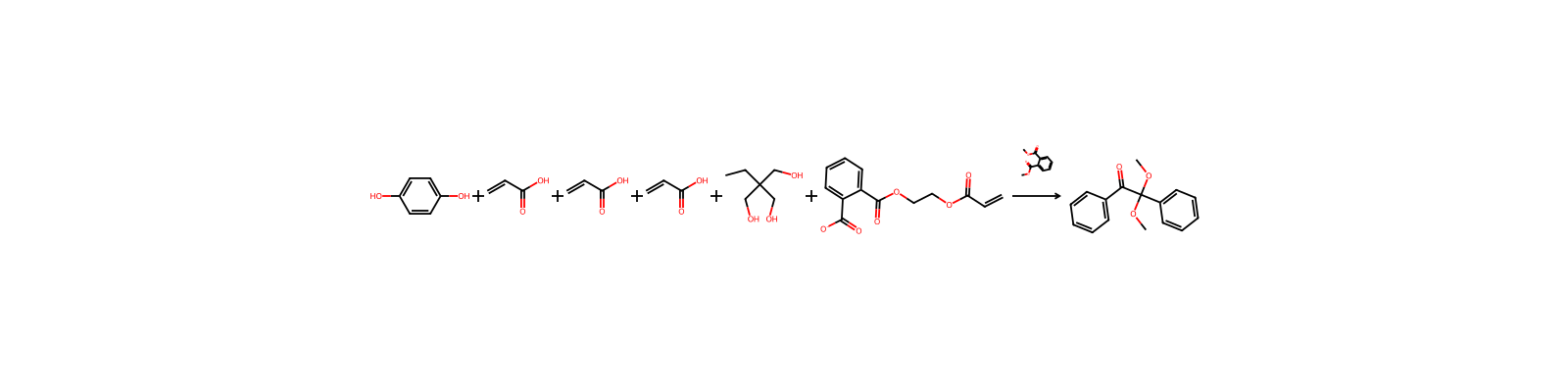
関連反応
19 件




関連ノート
読み込み中…