
ニッケル
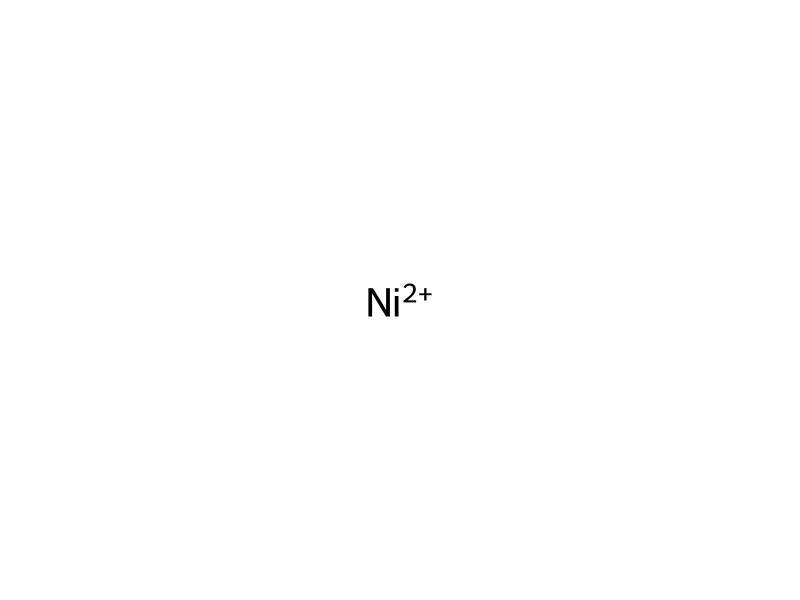
Nickel cation
基本情報
- CAS
14701-22-5- 標準SMILES
[Ni+2]- InChIKey
VEQPNABPJHWNSG-UHFFFAOYSA-N- 分子式
- Ni+2
- 平均分子量
- 58.693 g/mol
- 単同位体質量
- 57.935342
概要
Nickel(2+) is a nickel cation in which the nickel carries a double positive charge. It has a role as a cofactor. It is a nickel cation, a monoatomic dication, a divalent metal cation and a metal cation allergen.
名称と識別子
- 優先名称
- Nickel cation
- IUPAC
- nickel(2+)
- 現地名
- ニッケル
- 英語名
- Nickel
- 分子式
- Ni
- 分子量
- 58.69
名称と別名
Nickel(2+)Nickel cationnickelous ionNICKEL (II) IONNickel, ion (Ni2+)nickel(2+) ionNickel ionsNickel(II) ionNickel(2+)ionsnickel(II) cationNi++Ni2+
名称をさらに表示
ニッケル触媒ニッケル粉末ラネーニッケルニッケル(粉末)ニッケル(粒状)◎ニッケルニッケル(金属)ニッケル,スポンジニッケル,板状ニッケル,粉末ニッケル,粒状ニッケル,球状ニッケル,線状ニッケルおよびその化合物ニッケル粉ニッケル化合物(人体接触部分への使用が対象。SUS等の合金成分は除外)ニッケル及びその化合物ニッケル鉱ニッケル(キューブ),5Nニッケル(板状)(60×50×0.3 MM)Niraney niRaney nickelNickel powderSILVER(I) NITRATENickel, p.a.Ranery NiNickel 270nickel atomNickel plate
Nickel ion(2+)14701-22-5Nickel cation (Ni2+)OIS2CXW7AMUNII-OIS2CXW7AMNiIICHEBI:49786Ni(2+)
データベース識別子
- CAS
14701-22-5、7440-02-0- PubChem CID
- 934
- DTXSID
DTXSID60163564- ChEBI
CHEBI:49786- UNII
- OIS2CXW7AM
- Nikkaji
- J2.510.549D
物性
構造計算による物性
- 極性表面積
- 0 Ų
- 水素結合供与体数
- 0
- 水素結合受容体数
- 0
- 回転可能結合数
- 0
- 重原子数
- 1
- 形式電荷
- 2
- 複雑度
- 0
実験および物理化学的性質
Melting Point1455 °C
Physical DescriptionSolid
物理化学的性質
- 融点
- 1453 °C · 1453 °C (lit.)
- 沸点
- 2732 °C · 2732 °C (lit.)
- 比重(密度)
- 8.9 g/mL · 8.9 g/mL at 25 °C (lit.)
- 蒸気密度
- 5.8 · 5.8 (vs air)
- 貯蔵温度
- no restrictions.
- 溶解性
- 2 O; · insoluble in H2O; slightly soluble in dilute acid solutions
- 外見
- ワイヤー
- 色
- 白色から灰白色
- 比重
- 8.9 · 8.9
- 臭い (Odor)
- 無臭
- PH
- 8.5 · 8.5-12.0
- Flame Color
- Colorless to silvery white
- 水溶解度
- 水に不溶です。
- 比熱容量
- 0.44 J/ · Cp(crystal): 0.44 J/(g·K); Cp(gas): 0.4 J/(g·K), at 25℃
- Merck
- 14 · 14,8107
- 安定性
- ブロック状で安定。粉末は自然発火する可能性があります。チタン、硝酸アンモニウム、過塩素酸カリウム、ヒドラジン酸と激しく反応することがある。酸、酸化剤、硫黄と相容れない。
安全と法規制
安全情報は参考情報です。供給元の安全データシート(SDS)、適用法令、専門家による評価に代わるものではありません。
安全と保護具
Minimum Risk LevelIntermediate Inhalation: 0.0002 mg/m3 (L134)
Chronic Inhalation: 0.00009 mg/m3 (L134)
毒性情報
TreatmentExcess exposure to nickel is usually handled by preventing further exposure and symptomatic treatment. Nickel poisoning may also be treated using chelation therapy with sodium diethyldithiocarbamate. (L42)
Health Effects
The most common harmful health effect of nickel in humans is an allergic reaction. This usually manifests as a skin rash, although some people experience asthma attacks. Long term inhahation of nickel causes chronic bronchitis and reduced lung function, as well as damage to the naval cavity. Ingestion of excess nickel results in damage to the stomach, blood, liver, kidneys, and immune system, as well as having adverse effects on reproduction and development. (L41)
Exposure RoutesOral (L41) ; inhalation (L41) ; dermal (L41)
Toxicity Summary
Nickel is known to substitute for other essential elements in certain enzmes, such as calcineurin. It is genotoxic, and some nickel compounds have been shown to promote cell proliferation. Nickel has a high affinity for chromatin proteins, particularly histones and protamines. The complexing of nickel ions with heterochromatin results in a number of alterations including condensation, DNA hypermethylation, gene silencing, and inhibition of histone acetylation, which have been shown to disturb gene expression. Nickel has also been shown to alter several transcription factors, including hypoxia-inducible transcription factor, activating transcription factor, and NF-KB transcription factor. There is also evidence that nickel ions inhibit DNA repair, either by directly inhibiting DNA repair enzymes or competing with zinc ions for binding to zinc-finger DNA binding proteins, resulting in structural changes in DNA that prevent repair enzymes from binding. Nickel ions can also complex with a number of cellular ligands including amino acids, peptides, and proteins resulting in the generation of oxygen radicals, which induce base damage, DNA strand breaks, and DNA protein crosslinks. (L41, A40)
化学と産業
薬理情報
Metabolism/Metabolites
Nickel is absorbed mainly through the lungs and gastrointestinal tract. Once in the body it enters the bloodstream, where it binds to albumin, L-histidine, and α2-macroglobulin. Nickel tends to accumulate in the lungs, thyroid, kidney, heart, and liver. Absorbed nickel is excreted in the urine, whereas unabsorbed nickel is excreted in the faeces. (L41)
用途と製造
UsesPure nickel is mainly used to make alloys, which are found in items such as coins, jewelry, valves and heat exchangers. Nickel compounds are used for nickel plating, to color ceramics, to make some batteries, and as catalysts. (L41)
応用分野
解説ニッケル,銀白色,通常は面心立方格子.密度8.902 g cm-3(25 ℃).融点1453 ℃,沸点2732 ℃.標準電極電位 Ni2+/Ni-0.257 V.第一イオン化エネルギー7.635 eV.鍛造,鍛接ができ,展延性に富む.立方格子のものは強磁性だが,鉄よりは弱い.キュリー温度は358 ℃.金属結合半径0.125 nm.Ni2+(六配位)0.083 nm.森北出版「化学辞典(第2版)
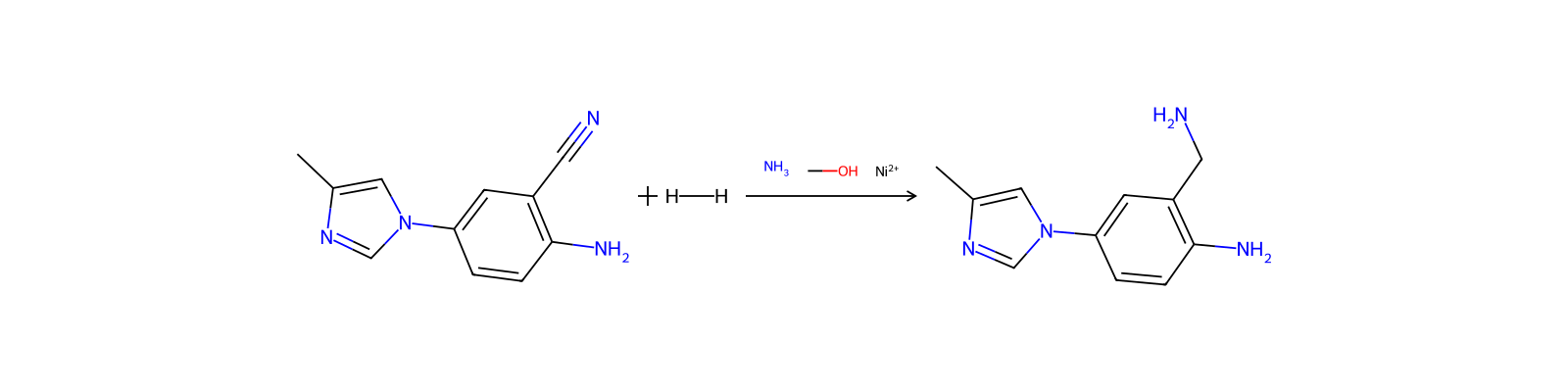
用途ラネーニッケル触媒の原料。
用途高純度金属、合金材料。
用途2007年における世界のニッケル消費量は132万トンであり、そのうち日本は13%を占める。純金属として実験器具や家具などの材料に、まためっき用として金属表面の保護に用いられる。微粉末状のものは水素を吸蔵するので、水素添加用触媒として用いられる。しかしそれ以上に各種の合金の成分としての需要のほうが多く、たとえば、洋銀、ニクロム、コンスタンタン、マンガニン、ニッケリンなどの合金として多方面に用いられるほか、鋼に添加してニッケル鋼、ニッケルクロム鋼、ステンレス鋼、耐熱鋼、磁石鋼などの特殊鋼が製造される。
天然物の起源Nickel is the 23rd most abundant element found in the Earth’s crust. It is somewhat plentiful but scattered and makes up one-hundredth of 1% of igneous rocks. Nickel metal is foundin meteorites (as are some other elements). It is believed that molten nickel, along with iron,makes up the central sphere that forms the core of the Earth.There are several types of nickel ores. One is the major ore for nickel called pentlandite(NiS 2FeS), which is iron/nickel sulfide. Another is a mineral called niccolite (NiAs), discovered in 1751 and first found in a mining area of Sweden. By far, the largest mining area fornickel is located in Ontario, Canada, where it is recovered from what is thought to be a verylarge meteorite that crashed into the Earth eons ago. This large nickel deposit is one reasonfor the theory of the Earth’s core being molten nickel and iron, given that both the Earth andmeteorites were formed during the early stages of the solar system. Some nickel ores are alsofound in Cuba, the Dominican Republic, and Scandinavia. Traces of nickel exist in soils, coal,plants, and animals.
関連反応
29 件






化合物ノート
読み込み中…