
亜鉛ジヒドロキシド
Zinc Hydroxide

基本情報
- CAS
20427-58-1- 標準SMILES
[OH-].[OH-].[Zn+2]- InChIKey
UGZADUVQMDAIAO-UHFFFAOYSA-L- 分子式
- H2O2Zn
- 平均分子量
- 99.4 g/mol
- 単同位体質量
- 97.934621
概要
The CIR Expert Panel concluded that the following 27 zinc salts are safe in cosmetics in the present practices of use and concentration described in this safety assessment when formulated to be non-irritating...Zinc Hydroxide...
名称と識別子
- 優先名称
- Zinc Hydroxide
- IUPAC
- zinc dihydroxide
- 現地名
- 亜鉛ジヒドロキシド
- 英語名
- Zinc hydroxide
- 分子式
- H2O2Zn
- 分子量
- 99.41
名称と別名
ZINC HYDROXIDEZinc dihydroxideOXK3V8KJ7LDTXSID7042516RefChem:904951zinc(2+) ion dihydroxideDTXCID5022516243-814-320427-58-1Zinc hydroxide (Zn(OH)2)ZINCHYDROXIDEMFCD00049620
名称をさらに表示
亜鉛ジヒドロキシドジヒドロキシ亜鉛水酸化亜鉛水酸化znmc hydroxideZinc dihydoxidezincdihydroxidezinchydroxide(zn(oh)2)Zinc oxide ammonia complexZinc hydroxide≥ 99% (Assay)ZINC HYDROXIDE ISO 9001:2015 REACH
Zinc hydroxide [VANDF]SCHEMBL19509AKOS015833777NS00084213F510145Q204820
データベース識別子
- CAS
20427-58-1- PubChem CID
- 9812759
- DTXSID
DTXSID7042516- UNII
- OXK3V8KJ7L
- EC Number
- 243-814-3
- Nikkaji
- J134.217G
物性
構造計算による物性
- 極性表面積
- 2 Ų
- 水素結合供与体数
- 2
- 水素結合受容体数
- 2
- 回転可能結合数
- 0
- 重原子数
- 3
- 形式電荷
- 0
- 複雑度
- 0
実験および物理化学的性質
Chemical ClassesMetals -> Metals, Inorganic Compounds
CosmeticsCosmetic ingredients (Zinc Hydroxide) -> CIR (Cosmetic Ingredient Review)
Food Contact SubstancesFCS -> FDA Inventory of Food Contact Substances Listed in 21 CFR
Physical Description
Liquid; Wet Solid
Colorless solid; [Hawley] White odorless powder; [MSDSonline]
物理化学的性質
- 融点
- 125 · 125, decomposes [HAW93]
- 比重(密度)
- 3.05 · 3.050
- 蒸気圧
- 0 Pa · 0Pa at 20℃
- 貯蔵温度
- Store at room temperature, keep dry and cool
- 外見
- 無色の斜方晶
- 色
- colorless orthorhombic crystals, crystalline
- PH
- 8.88 · 8.88(1 mM solution);8.88(10 mM solution);8.88(100 mM solution)
- 水溶解度
- 2 O · 難溶性H2O [HAW93]
- 安定性
- 安定。
- 化粧品成分の機能
- 吸収性
- InChI
- InChI=1S/2H2O.Zn/h2*1H2;/q;;+2/p-2
安全と法規制
安全情報は参考情報です。供給元の安全データシート(SDS)、適用法令、専門家による評価に代わるものではありません。
GHS分類
GHS Classification
This chemical does not meet GHS hazard criteria for 3.2% (11 of 348) of reports.
Warning
H315 (18.1%): Causes skin irritation [Warning Skin corrosion/irritation]
P264, P264+P265, P273, P280, P302+P352, P305+P351+P338, P321, P332+P317, P337+P317, P362+P364, P391, and P501 (click each P-code to see the statement)
Aggregated GHS information provided per 348 reports by companies from 11 notifications to the ECHA C&L Inventory. Each notification may be associated with multiple companies.
危険有害性情報
Regulatory Information
Chemical: Zinc hydroxide (Zn(OH)2)
Zinc hydroxide (Zn(OH)2) is listed on the EPA's Chemical Data Reporting (CDR) system. Manufacturers and importers of Zinc hydroxide (Zn(OH)2) are required to report information about their production and use of this chemical to the EPA under the Toxic Substances Control Act (TSCA). (40 eCFR Part 711)
REACH registered substance: Zinc hydroxide (EC: 243-814-3)
Zinc hydroxide: Does not have an individual approval but may be used under an appropriate group standard
Hazards SummaryAn irritant; [MSDSonline] See Zinc.
Hazard Classes and CategoriesSkin Irrit. 2 (18.1%)
安全と保護具
Exposure Control and Personal Protection0.1 [mg/m3] (respirable fraction), 2 mg/m3 (inhalable fraction) for Zn inorg. cmpnds[German Research Foundation (DFG)]
Minimum Risk LevelIntermediate Oral: 0.3 mg/kg/day (L134)
Chronic Oral: 0.3 mg/kg/day (L134)
化学と産業
薬理情報
Metabolism/Metabolites
Zinc can enter the body through the lungs, skin, and gastrointestinal tract. Intestinal absorption of zinc is controlled by zinc carrier protein CRIP. Zinc also binds to metallothioneins, which help prevent absorption of excess zinc. Zinc is widely distributed and found in all tissues and tissues fluids, concentrating in the liver, gastrointestinal tract, kidney, skin, lung, brain, heart, and pancreas. In the bloodstream zinc is found bound to carbonic anhydrase in erythrocytes, as well as bound to albumin, _2-macroglobulin, and amino acids in the the plasma. Albumin and amino acid bound zinc can diffuse across tissue membranes. Zinc is excreted in the urine and faeces. (L49)
用途と製造
Uses
CIR ingredient: Zinc Hydroxide
Used in chemical production, surgical dressings (absorbent), and rubber compounding; [Hawley]
Zinc hydroxide is used in surgical dressings. (L68)
U.S. Production2023: 5,000,000 - <10,000,000 lb
Consumer UsesSoil amendments (fertilizers)
Industry UsesOther
General Manufacturing Information
Miscellaneous Manufacturing
Zinc hydroxide (Zn(OH)2): ACTIVE
応用分野
解説水酸化亜鉛,Zn(OH)2(99.41).亜鉛酸水溶液に水酸化アルカリを加えると,白色の沈殿として得られる.α,β,γ,δ,ε形の5種類の変態があり,結晶として得られるのはε形で斜方晶系である.密度3.05 g cm-3.結晶構造はOHを共有するZn(OH)4の四面体の連なりからなっている.125 ℃ で分解して酸化亜鉛となる.両性で,酸にもアルカリにも溶け,亜鉛酸および亜鉛酸基をつくる.水にほとんど不溶.ゴムの配合剤,外科用包帯,酸化亜鉛などの製造に用いられる.
用途亜鉛水酸化物は多くの工業用途に使用されます例えばゴムやプラスティックの製造において充填剤や安定剤として使用されますまた医薬品業界では抗菌性のあるクリームや軟膏の成分としても利用されています
亜鉛II水酸化物はその特性を活かしてさまざまな工業製品の製造に利用されます特にゴム製品の製造における加硫促進剤としてまた塗料の製造において白色顔料として用いられますこの他にも日焼け止めクリームの有効成分としてまた医薬品としての応用も見られますさらに水処理技術において重金属イオンの除去剤としての利用も研究されています
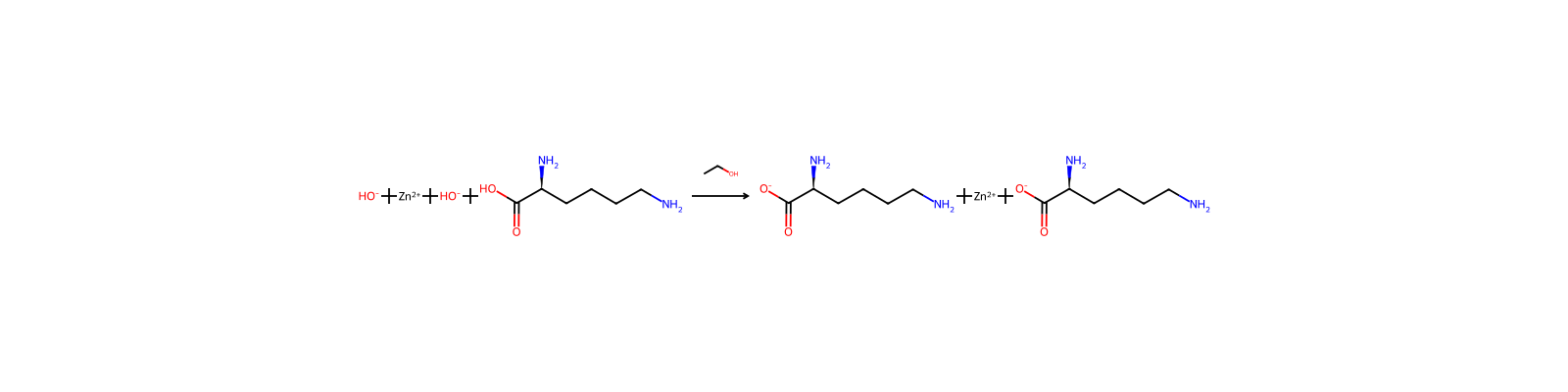
関連反応
8 件






化合物ノート
読み込み中…