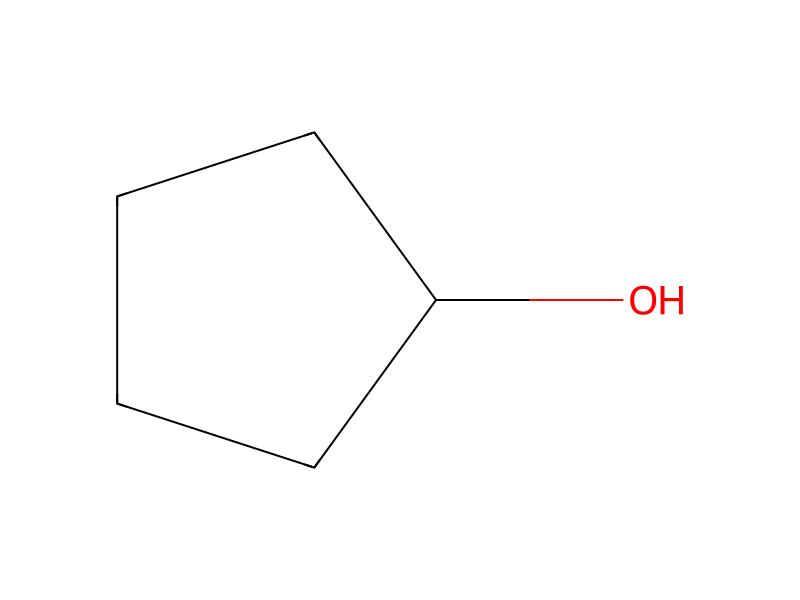
[CH2:1]([O:8][C:9]([NH:11][C@H:12]([C:17]([OH:19])=[O:18])[C@H:13]([CH2:15][CH3:16])[CH3:14])=[O:10])[C:2]1[CH:7]=[CH:6][CH:5]=[CH:4][CH:3]=1.Cl.CN(C)CCCN=C=NCC.[CH:32]1(O)[CH2:36][CH2:35][CH2:34][CH2:33]1>C(Cl)Cl>[CH:32]1([O:18][C:17](=[O:19])[C@H:12]([C@H:13]([CH2:15][CH3:16])[CH3:14])[NH:11][C:9]([O:8][CH2:1][C:2]2[CH:3]=[CH:4][CH:5]=[CH:6][CH:7]=2)=[O:10])[CH2:36][CH2:35][CH2:34][CH2:33]1A solution of N-benzyloxycarbonyl-L-isoleucine (10.0 g, 37.7 mmol) in DCM (150 mL) was treated with N-(3-dimethylaminopropyl)-N′-ethylcarbodiimide hydrochloride (7.94 g, 41.5 mmol), cyclopentanol (3.90 g, 45.2 mmol) and N,N-dimethylaminopyridine (20 mg). The reaction was allowed to stand at room temperature for 18 hours. The reaction mixture was washed with 1M hydrochloric acid, saturated sodium bicarbonate, and brine before drying over magnesium sulphate, filtration and removal of solvent under reduced pressure to leave N-benzyloxycarbonyl-L-isoleucine cyclopentyl ester as a colourless ester as a colourless oil (10.99 g, 87%). 1H-NMR; δ (CDCl3) 7.44-7.30 (5H, m), 5.37-5.34 (1H, m), 5.22-5.18 (1H, m), 5.11 (2H, s), 4.33-4.27 (1H, m), 1.90-1.55 (10H, m), 1.51-1.35 (1H, m), 1.28-1.20 (2H, m), 0.93 (3H, d, J 6.9 Hz) and 0.91 (3H, d, J=7.0 Hz).