反応式

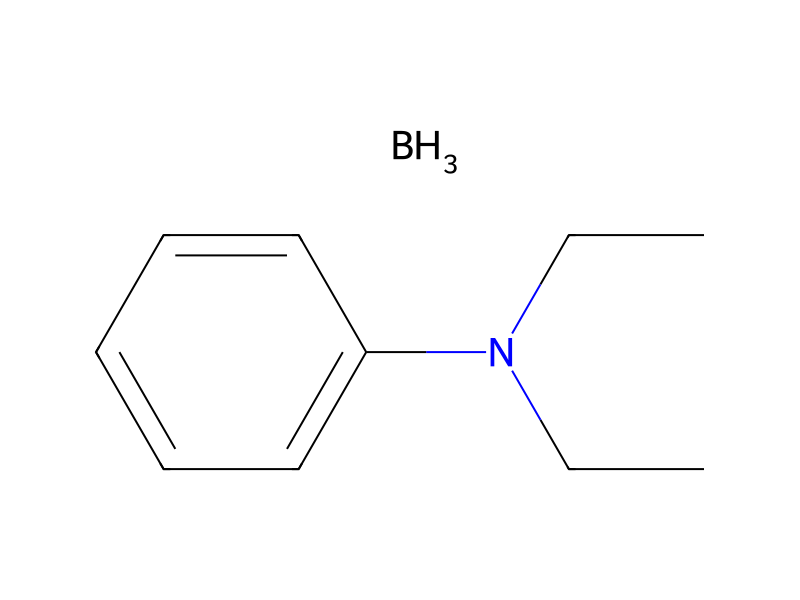
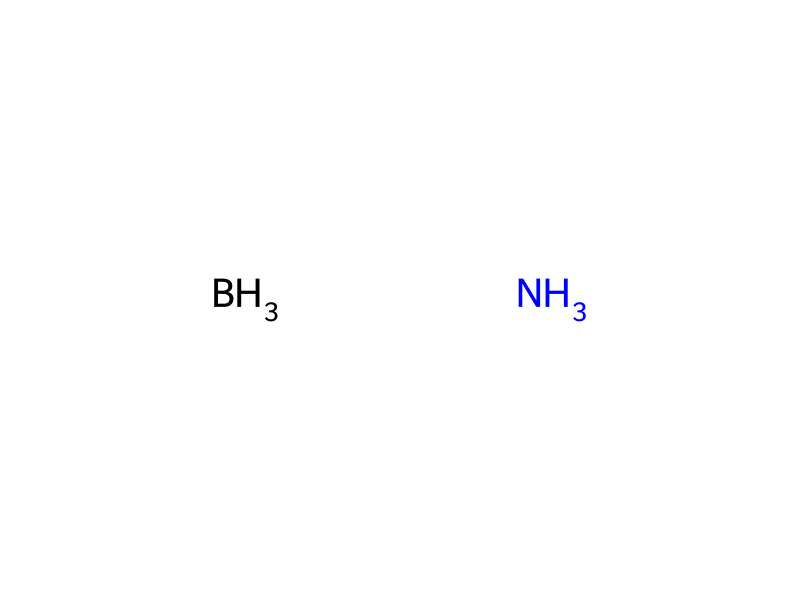
N.[BH3:2].C([N:5]([CH2:12][CH3:13])[C:6]1[CH:11]=[CH:10][CH:9]=C[CH:7]=1)C.B.[C:15]1([N:21]2[CH2:26][CH2:25][O:24][CH2:23][CH2:22]2)[CH:20]=[CH:19][CH:18]=[CH:17][CH:16]=1.B.[N:28]1C(C)=CC=CC=1C>>[C:15]1([N:21]2[CH2:26][CH2:25][O:24][CH2:23][CH2:22]2)[CH:20]=[CH:19][CH:18]=[CH:17][CH:16]=1.[N:5]1[C:6]([CH3:7])=[CH:11][CH:10]=[CH:9][C:12]=1[CH3:13].[NH3:28].[BH3:2]参加物
7



実験手順
For example, dimethylaniline borane can be reacted with ammonia to produce ammonia borane as shown below. (C6H5)(CH3)2N.BH3+NH3=(C6H5)(CH3)2N+NH3.BH3 In other examples, diethylaniline borane, phenylmorpholine borane or lutidine borane can be reacted with ammonia to form ditethylaniline and ammonia borane, phenylmorpholine and ammonia borane, or lutidine and ammonia borane.
出典と根拠
- ORDレコード
- ord-889a1419970e4c178f8797f81dee20b9
- 出典データセット
- uspto-grants-2011_07
- 特許番号
- US07977508B2
関連ノート
読み込み中…