Ammonia → 2-Chlorobicyclo[4.2.0]octa-1,3,5-triene-7-carbonitrile
反応式

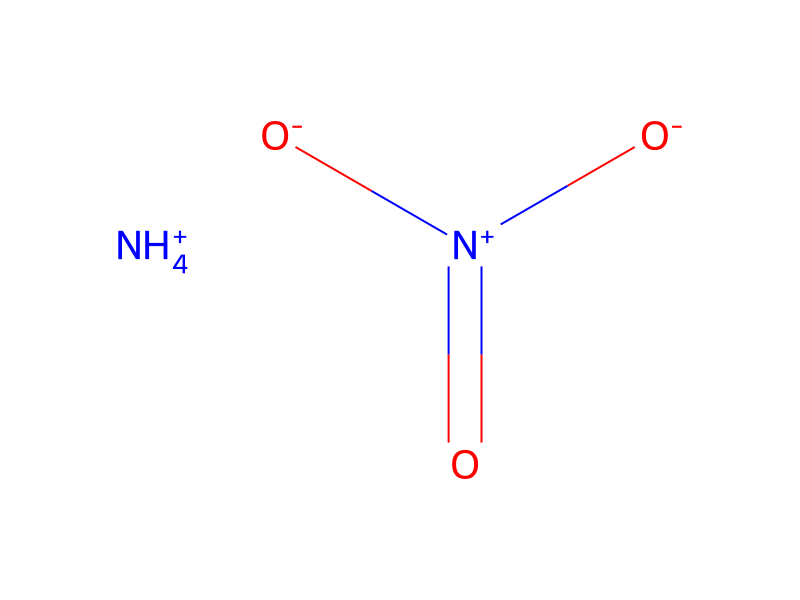
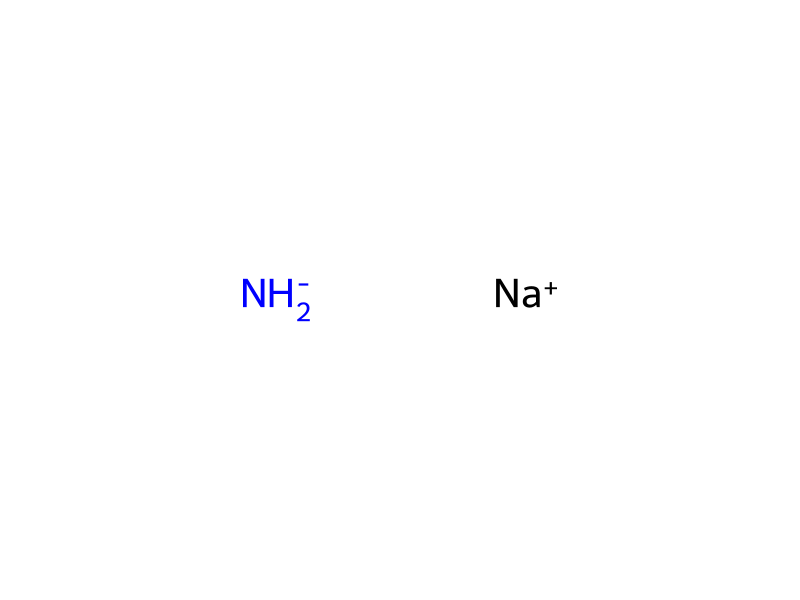
N.[NH2-].[Na+].Cl[C:5]1[CH:10]=[CH:9][CH:8]=[C:7]([Cl:11])[C:6]=1[CH2:12][CH2:13][C:14]#[N:15].[N+]([O-])([O-])=O.[NH4+]>>[Cl:11][C:7]1[C:6]2[CH2:12][CH:13]([C:14]#[N:15])[C:5]=2[CH:10]=[CH:9][CH:8]=1参加物
5



反応条件
- 温度
- -78 °C
実験手順
A dried 2 L 3-neck flask was fitted with a card-ice condenser, sealed under nitrogen and cooled to −78° C. Ammonia gas was condensed into the flask from a cylinder until approximately required volume was present (˜300 mL). Commercial sodium amide (800 mmol, 31.2 g) was added to the ammonia at −78° C. and after stirring for 10 minutes 3-(2,6-dichlorophenyl)propanenitrile (200 mmol, 40 g) was added over a 5 minute period. The mixture was allowed to warm such that the resultant mixture was stirred at reflux for 4 h before being neutralised with solid ammonium nitrate (800 mmol, 64.0 g) and allowed to stand overnight under a flow of nitrogen. The ammonia was evaporated and water was added to the solid residue and the products were extracted with dichloromethane (×3). The combined organics were washed with dilute hydrochloric acid (5%), followed by water. The organics were dried with sodium sulfate and concentrated to afford crude 3-chloro-1,2-dihydrocyclobutabenzene-1-carbonitrile as a brown residue (98% yield, 32 g).