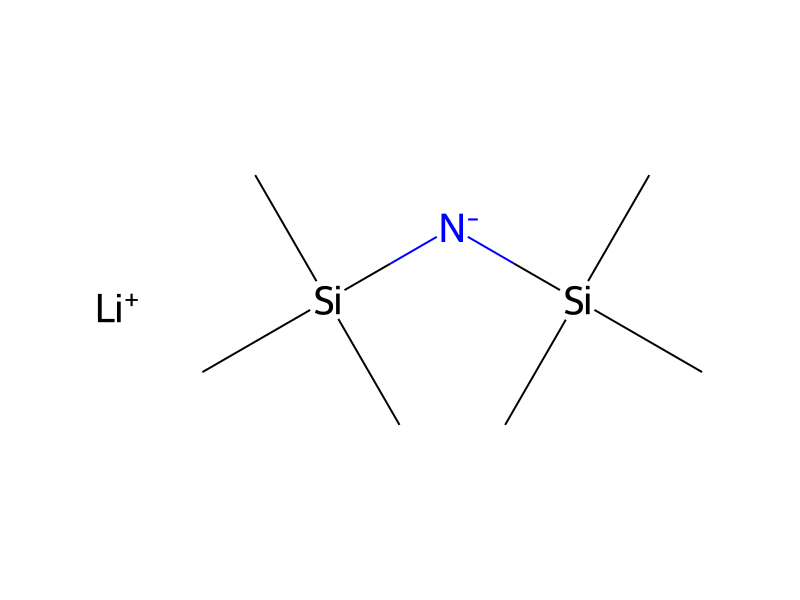
To a flame-dried flask was added 2-(4-isopropyl-piperazin-1-yl)-isonicotinonitrile (1.09 g, 4.75 mmol) and anhydrous THF (5 ml). To this stirred solution under nitrogen atmosphere was added a 1.0 M solution of lithium bis(trimethylsilyl)amide in tetrahydrofuran (4.75 ml, 1.0 equiv) via syringe. The reaction mixture was stirred at room temperature for 3 hours. Saturated aqueous sodium bicarbonate solution (7.78 ml) was added, followed by water (7.8 ml), K2CO3 (0.59 g, 4.27 mmol, 0.9 equiv), and a solution of 2-bromo-3′-chloro-4′-fluoroacetophenone (1.19 g, 4.75 mmol, 1.0 equiv) in chloroform (20 ml). After stirring overnight, the aqueous phase was separated and extracted with chloroform. The organic phases were combined, dried over anhydrous magnesium sulfate, filtered, and concentrated in vacuo. The residue was dissolved in glacial acetic acid (10 ml) and heated to 50° C. for 1 hour. The mixture was cooled to room temperature and partitioned between aqueous 1N NaOH solution and ethyl acetate. The organic phase was removed, and the aqueous phase was saturated with NaCl and extracted again with ethyl acetate. The organic phases were combined, dried over anhydrous magnesium sulfate, filtered, and concentrated in vacuo. Purification of the residue by flash column chromatography (CH2Cl2 grading to 10% methanol/0.5% ammonium hydroxide/CH2Cl2) provided the desired product, which was converted to its hydrochloride salt (MeOH/ethereal HCl; 0.92 g). MS m/z 400 (M++1).