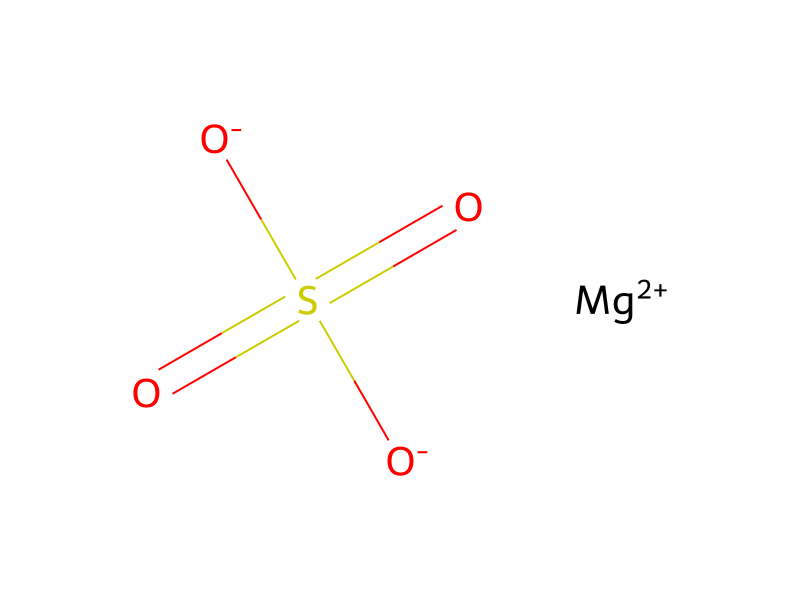
[CH3:1][O:2][C:3]1[CH:8]=[CH:7][N:6]=[C:5]([C:9]2[CH:16]=[CH:15][C:12]([CH:13]=[O:14])=[C:11]([N+:17]([O-:19])=[O:18])[CH:10]=2)[CH:4]=1.S([O-])([O-])(=O)=O.[Mg+2].[OH2:26].[C:27]1([CH3:37])C=CC(S(O)(=O)=O)=CC=1.[OH-].[Na+]>C1(C)C=CC=CC=1.C(O)CO>[CH3:1][O:2][C:3]1[CH:8]=[CH:7][N:6]=[C:5]([C:9]2[CH:16]=[CH:15][C:12]([CH:13]3[O:26][CH2:27][CH2:37][O:14]3)=[C:11]([N+:17]([O-:19])=[O:18])[CH:10]=2)[CH:4]=1To a suspension of 4-(4-methoxypyridin-2-yl)-2-nitrobenzaldehyde (413 mg), ethyleneglycol (0.266 ml) and magnesium sulfate (1.0 g) in toluene (10 ml) was added p-toluenesulfonic acid monohydrate (334 mg), and the resultant suspension was refluxed for 5 hours. After cooling, the mixture was poured into 0.1N aqueous sodium hydroxide and extracted with ethyl acetate. The organic layer was washed with brine, dried over potassium carbonate and evaporated under reduced pressure. The residue was triturated with diisopropyl ether. The solid was collected by filtration, washed with diisopropyl ether and dried under reduced pressure to give 2-(4-(4-methoxypyridin-2-yl)-2-nitrophenyl)-1,3-dioxolane (412 mg).