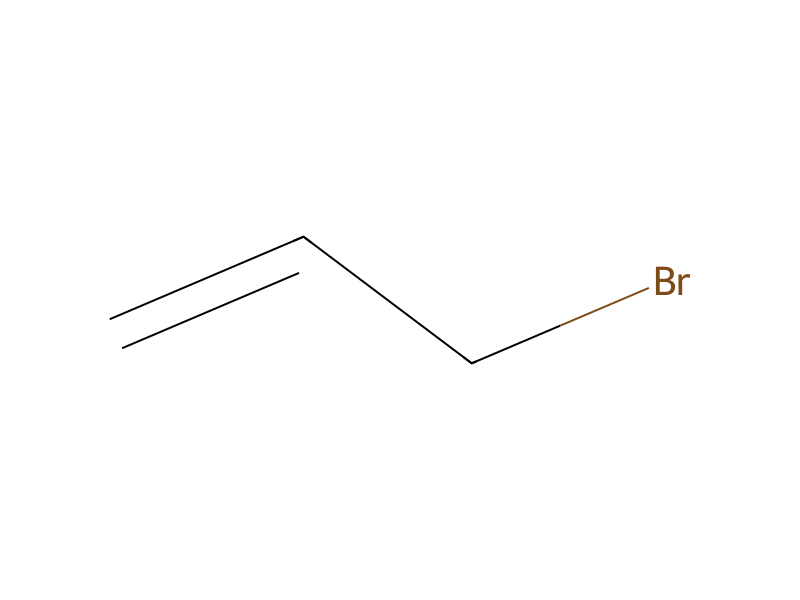
C(=O)([O-])[O-].[K+].[K+].[CH2:7](Br)[CH:8]=[CH2:9].[OH:11][C:12]1[CH:21]=[C:20]([NH:22][C:23]([CH3:25])=[O:24])[CH:19]=[CH:18][C:13]=1[C:14]([O:16][CH3:17])=[O:15]>[Cl-].C([N+](CCCC)(CCCC)CCCC)C1C=CC=CC=1.C(#N)C>[CH2:7]([O:11][C:12]1[CH:21]=[C:20]([NH:22][C:23]([CH3:25])=[O:24])[CH:19]=[CH:18][C:13]=1[C:14]([O:16][CH3:17])=[O:15])[CH:8]=[CH2:9]138 g of potassium carbonate, 16.5 g of benzyltributylammonium chloride, 650 ml of acetonitrile and 133 g of allyl bromide were introduced into a 2-liter round-bottomed flask and 209 g of ground methyl 2-hydroxy-4-acetaminobenzoate were then added in small amounts. The contents were heated under reflux for 11 hours, a part of the acetonitrile was then distilled off and the residue was taken up with water. The precipitate formed was drained, washed with water and dried in an oven at 50° C.
読み込み中…

