ホームMCPワークベンチSkills
ホームワークベンチ通知マイページ
llms.txt · MCPガイドプライバシーポリシー · 利用規約 · サポートv1.8.0
  1. ホーム
  2. /化合物

アリルブロミド

Allyl bromide

HCID 7841
ノートを作成反応を作成見積依頼を出す
印刷プレビュー

データを補完しています。しばらくしてからページを更新すると最新の内容を表示できます

基本情報概要名称と識別子物性安全と法規制化学と産業関連反応化合物ノート
部分構造検索類似構造を探す

基本情報

CAS
106-95-6
標準SMILES
C=CCBr
InChIKey
BHELZAPQIKSEDF-UHFFFAOYSA-N
分子式
C3H5Br
平均分子量
120.98 g/mol
単同位体質量
119.95746226

概要

Allyl bromide appears as a clear colorless to light yellow liquid with an irritating unpleasant odor. Flash point 30 °F. Irritates eyes, skin, and respiratory system. Toxic by skin absorption. Denser than water and slightly soluble in water.

名称と識別子

優先名称
Allyl bromide
IUPAC
3-bromoprop-1-ene
現地名
アリルブロミド
英語名
Allyl bromide
分子式
C3H5Br
分子量
120.98

名称と別名

ALLYL BROMIDE106-95-63-bromoprop-1-ene3-Bromopropene3-Bromo-1-propene1-Propene, 3-bromo-3-Bromopropylene2-Propenyl bromideBromallylene1-Bromo-2-propenePropene, 3-bromo-DTXSID8024442
名称をさらに表示
アリルブロミド2-プロペニルブロミド3-ブロモ-1-プロペン臭化アリル1-ブロモ-2-プロペン3-ブロモプロペン3-ブロモプロピレン3-臭化プロピレン3臭化プロピレン臭化アリル(3-ブロモ-1-プロペン)3‐ブロモプロペンアリルブロミド (STABILIZED WITH PROPYLENE OXIDE)3 - ブロモ- 1 - プロペン臭化アリル(3- ブロモ -1- プロペン)3-ブロモプロパ-1-エンアリルブロマイド3-bromopropaneAllylbromid3-Brompropen3-bromo-prop-1-eneCH2=CHCH2Br
FXQ8X2F74ZNSC-7596DTXCID204442RefChem:5525203-446-6allylbromideNSC 7596MFCD00000244

データベース識別子

CAS
106-95-6
PubChem CID
7841
DTXSID
DTXSID8024442
ChEMBL
CHEMBL1429506
UNII
FXQ8X2F74Z
EC Number
203-446-6
Nikkaji
J4.040A

物性

構造計算による物性補完中

XLogP
1.8
極性表面積
0 Ų
水素結合供与体数
0
水素結合受容体数
0
回転可能結合数
1
重原子数
4
形式電荷
0
複雑度
17.2

実験および物理化学的性質

Chemical Classes · 2 件

Other Classes -> Halogenated Aliphatics, Unsaturated

Flammable agents - 3rd degree

SpringerMaterials PropertiesSchoenflies notation
LogP · 2 件

log Kow = 1.79

1.9

OdorUnpleasant, pungent
Density · 3 件

1.4161 at 68 °F (USCG, 1999) - Denser than water; will sink

1.398 at 20 °C/4 °C

1.3980 @ 20°C

Color/FormColorless to light yellow liquid
Solubility · 2 件

Miscible with alcohol, chloroform, ether, carbon disulfide, carbon tetrachloride

In water, 3,835 mg/L at 25 °C

Flash Point · 3 件

28 °F (USCG, 1999)

-1 °C

30 °F (-1 °C)

Boiling Point · 3 件

158 °F at 760 mmHg (USCG, 1999)

71.3 °C at 760 mm Hg

71.3 °C @760 [mm Hg]

安全と法規制

安全情報は参考情報です。供給元の安全データシート(SDS)、適用法令、専門家による評価に代わるものではありません。

GHS分類

GHS Classification · 6 件

Danger

H225 (92.6%): Highly Flammable liquid and vapor [Danger Flammable liquids]

P203, P210, P233, P240, P241, P242, P243, P260, P261, P262, P264, P264+P265, P270, P271, P273, P280, P284, P301+P316, P301+P330+P331, P302+P352, P302+P361+P354, P303+P361+P353, P304+P340, P305+P351+P338, P305+P354+P338, P316, P318, P319, P320, P321, P330, P332+P317, P337+P317, P361+P364, P362+P364, P363, P370+P378, P391, P403+P233, P403+P235, P405, and P501 (click each P-code to see the statement)

Aggregated GHS information provided per 68 reports by companies from 18 notifications to the ECHA C&L Inventory. Each notification may be associated with multiple companies.

Danger

H225: Highly Flammable liquid and vapor [Danger Flammable liquids]

危険有害性情報

Regulatory Information · 5 件

Chemical: 1-Propene, 3-bromo-

1-Propene, 3-bromo- is listed on the EPA's Chemical Data Reporting (CDR) system. Manufacturers and importers of 1-Propene, 3-bromo- are required to report information about their production and use of this chemical to the EPA under the Toxic Substances Control Act (TSCA). (40 eCFR Part 711)

Status: Active Update: 18-06-2018 https://echa.europa.eu/registration-dossier/-/registered-dossier/10333

3-Bromo-1-propene: HSNO Approval: HSR004256 Approved with controls

The New Jersey Worker and Community Right to Know Act requires public and private employers to provide information about hazardous substances at their workplaces. (N.J.S.A. 34:5A-1 et. seq.)

DOT LabelFlammable Liquid Poison
Fire Hazards · 2 件

Special Hazards of Combustion Products: Toxic hydrogen bromide and bromine gases formed in fire.

· HIGHLY FLAMMABLE: Will be easily ignited by heat, sparks or flames.

Fire PotentialDangerous fire and explosion hazard when exposed to heat or flame.

化学と産業

薬理情報

Metabolism/Metabolites · 5 件

/Allyl bromide/...dosed sc to male rats /was/...metabolized into allylmercapturic acid, S-allylcysteine, and S-allylcysteine S-oxide. 3-Hydroxypropylmercapturic acid was /probably/ a metabolite...

S-Allyl-L-cysteine was isolated from urine of rats dosed with allyl bromide.

Urinary excretion of 3-hydroxypropylmercapturic acid (S-(3-hydroxypropyl)-N-acetyl-L-cysteine) following exposure to allylic compounds was studied in rats to examine the possibility of using 3-hydroxypropylmercapturic acid (S-(3-hydroxypropyl)-N-acetyl-L-cysteine) as a biological marker of exposure to allylic compounds that were metabolized to acrolein and excreted as 3-hydroxypropylmercapturic acid (S-(3-hydroxypropyl)-N-acetyl-L-cysteine) in the urine. Male Sprague Dawley rats were given ... 120 mg/kg allylbromide ... by gavage. Twenty four hour urine samples were collected for the next 48 hours and analyzed for 3-hydroxypropylmercapturic acid (S-(3-hydroxypropyl)-N-acetyl-L-cysteine) by HPLC. ... Total urinary excretion of 3-hydroxypropylmercapturic acid (S-(3-hydroxypropyl)-N-acetyl-L-cysteine) as a percentage of the dose ... averaged ... 3.0 percent for allylbromide ... .

Wistar rats were administered carbon 14 labeled ... allyl bromide ... orally. Urine, feces, exhaled carbon dioxide, and air were collected and analyzed for metabolites. The major metabolite found after treatment with ... allylbromide was S-carboxyethyl mercapturic acid.

Allyl bromide is metabolized into allylmercapturic acid, S-allylcysteine, and S-allylcysteine S-oxide and secreted in the urine. 3-Hydroxypropylmercapturic acid is also a metabolite.

用途と製造

Uses · 6 件

Used to make perfumes, resins (copolymer with sulfur dioxide), fragrances, plastics, and dyestuffs; Also used as an insecticidal fumigant and contact poison; [HSDB]

Farming (Pesticides) [Category: Industry]

Manufacture of synthetic perfumes, other allyl compounds.

Insecticidal fumigant

Chemical intermediate in organic synthesis, for resins (copolymer with sulfur dioxide) and fragrances

As a fumigant (if quite volatile) or as a contact poison

U.S. Production · 3 件

関連反応

4,197 件
反応記録を作成
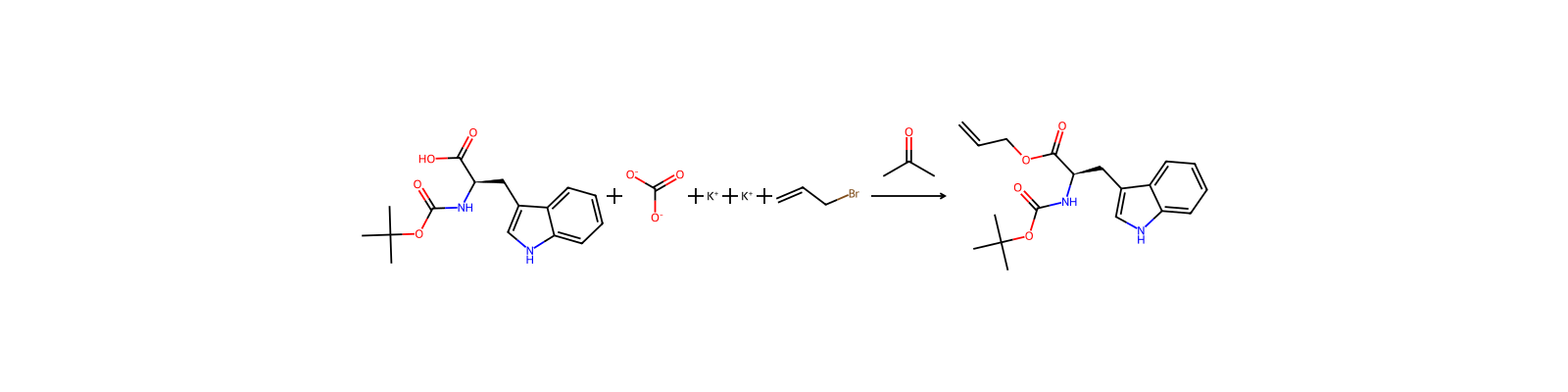
HRID 1489 の反応式
HRID 1489反応物としてuspto-grants-1998_03
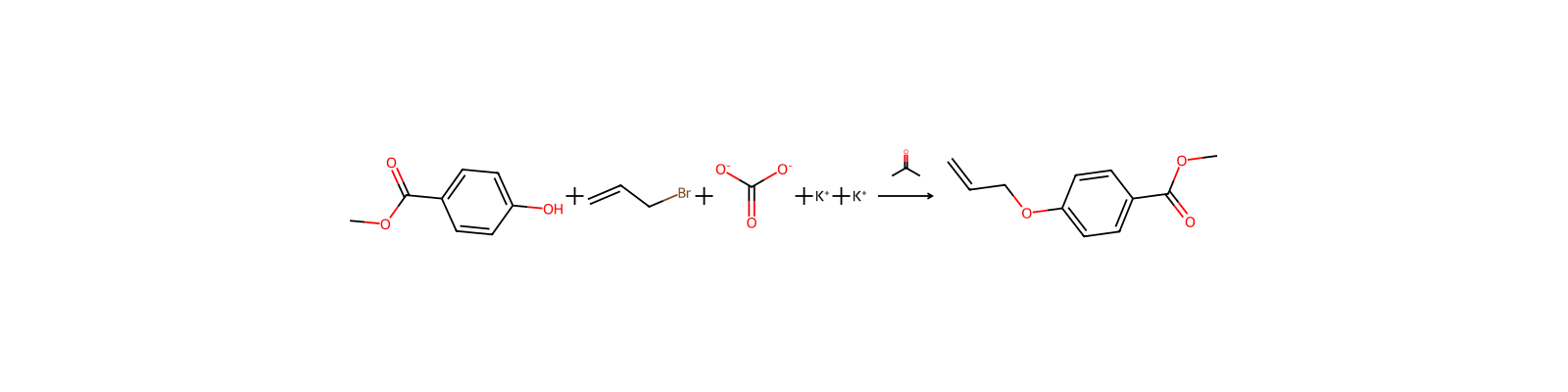
HRID 1918 の反応式
HRID 1918反応物としてuspto-grants-1998_03
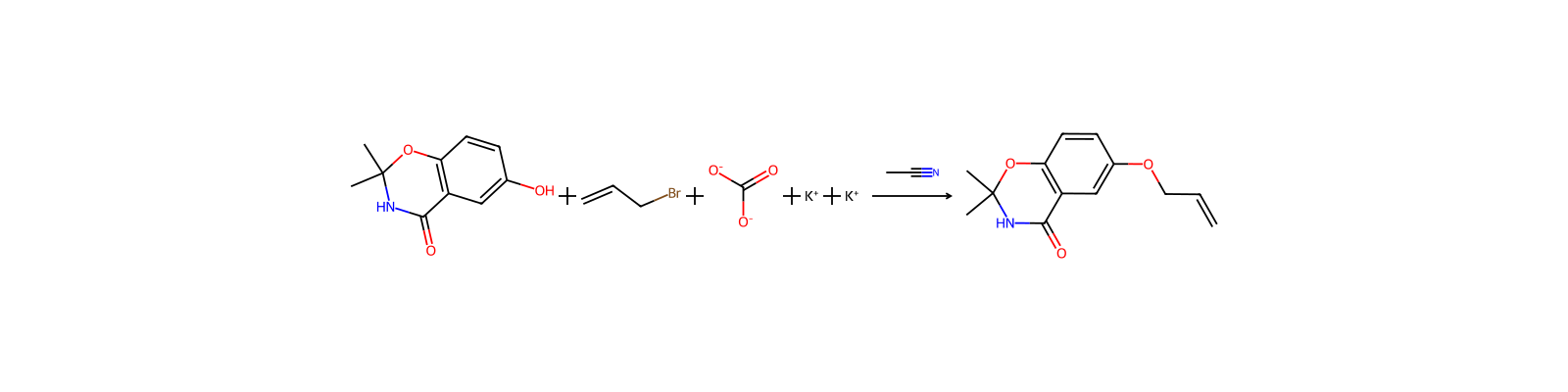
HRID 2953 の反応式
HRID 2953反応物としてuspto-grants-1998_03
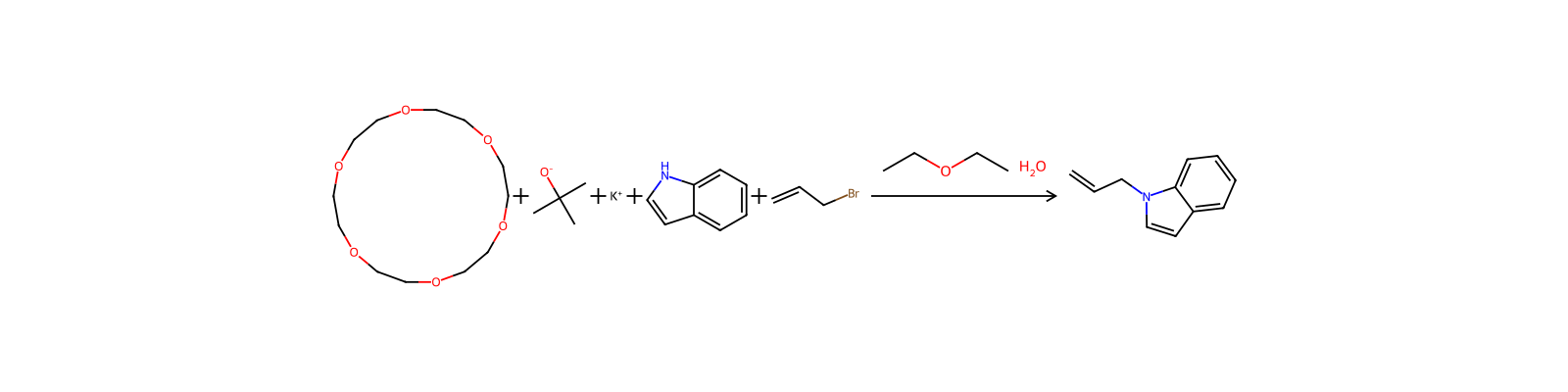
HRID 2976 の反応式
HRID 2976反応物としてuspto-grants-1998_03
HRID 3750 の反応式
HRID 3750反応物としてuspto-grants-1988_02
HRID 4548 の反応式
HRID 4548反応物としてuspto-grants-1988_02
HRID 5375 の反応式
HRID 5375反応物としてuspto-grants-1993_09
HRID 5599 の反応式
HRID 5599反応物としてuspto-grants-1993_09
1 / 500 ページ

化合物ノート

読み込み中…

このページの内容基本情報概要名称と識別子物性安全と法規制化学と産業関連反応化合物ノート
その他の操作
ノートを作成反応を作成見積依頼を出す
Decomposition
When heated to decomposition it emits toxic fumes of /hydrogen bromide/.
Melting Point · 3 件

-182 °F (USCG, 1999)

-119 °C

-119 °C

Vapor Density4.17 (Air = 1)

物理化学的性質

融点
-119 °C · -119 °C
沸点
70 · 70-71 °C(lit.)
比重(密度)
1.398 g/mL · 1.398 g/mL at 25 °C(lit.)
蒸気密度
4.2 · 4.2 (vs air)
蒸気圧
18.66 kPa · 18.66kPa at 25℃
屈折率
20 · n20/D 1.469(lit.)
闪点
28 °F · 28 °F
貯蔵温度
2 · 2-8°C
溶解性
Chloroform (Soluble)
外見
液体
色
無色透明~微有色透明
比重
1.398 · 1.398
臭い (Odor)
不快
爆発限界(explosive limit)
4.3 · 4.3-7.3%(V)
水溶解度
不溶性
Merck
14 · 14,288
BRN
605308 · 605308
Henry's Law Constant
1.7 · 1.7×10-3 mol/(m3Pa) at 25℃, Yaws (2003)
Dielectric constant
7 · 7.0
安定性
安定。可燃性。強力な酸化剤とは相容れない。
InChI
1S/C3H5Br/c1-2-3-4/h2H,1,3H2
InChIKey
BHELZAPQIKSEDF-UHFFFAOYSA-N
SMILES
BrCC=C
LogP
1.79 · 1.79
CAS データベース
106 · 106-95-6(CAS DataBase Reference)
NISTの化学物質情報
1 · 1-Propene, 3-bromo-(106-95-6)
EPAの化学物質情報
3 · 3-Bromopropene (106-95-6)
化学的性質 · 1 件

化学的特性Allyl bromide is a flammable liquid with an intense, acrid, persistent smell. It is insoluble in water but in alcohol, aether, acetone, carbon tetrachloride, and chloroform. Allyl bromide is used to synthesize other allyl compounds, to synthesize dyestuff and spice, and as a curative in the medicine industry. Allyl bromide has a very high mobility in soil. It is also used as a soil fumigant and as a contact poison. Allyl bromide induces unscheduled DNA synthesis in HeLa cells.

Health Hazards · 2 件

Inhalation of vapor irritates mucous membranes and causes dizziness, headache, and lung irritation. Contact with liquid irritates eyes and skin. Ingestion causes irritation of mouth and stomach. (USCG, 1999)

· TOXIC; may be fatal if inhaled, ingested or absorbed through skin.

Hazards Summary · 1 件

A skin, eye, and respiratory tract irritant; May cause severe burns to skin and eyes; May be mutagenic; [HSDB] May polymerize; A strong reducing agent; A skin, eye, and respiratory tract irritant; [CAMEO] No evidence of carcinogenic activity in mice fed up to 8 mg/kg by corn oil gavage 5 days a week for 40 weeks; [NTP] TLV basis is eye and upper respiratory tract irritant; [ACGIH] A lachrymator; [CHEMINFO]

DOT ID and Guide1099 131P
Reactive GroupHalogenated Organic Compounds
Reactivity AlertsHighly Flammable
Reactivity Profile · 1 件

ALLYL BROMIDE decomposes upon heating and exposure to light, forming HBr (a strong reducing agent). Reacts violently with oxidizing agents. Can react exothermically with reducing agents to release hydrogen gas. In the presence of various catalysts (such as acids) or initiators, may undergo exothermic addition polymerization reactions.

Flammable LimitsLower flammable limit: 4.4% by volume; Upper flammable limit: 7.3% by volume
DOT Emergency Guidelines · 5 件

/GUIDE 131: FLAMMABLE LIQUIDS - TOXIC/ Fire or Explosion: HIGHLY FLAMMABLE: Will be easily ignited by heat, sparks or flames. Vapors may form explosive mixtures with air. Vapors may travel to source of ignition and flash back. Most vapors are heavier than air. They will spread along ground and collect in low or confined areas (sewers, basements, tanks). Vapor explosion and poison hazard indoors, outdoors or in sewers. Those substances designated with a (P) may polymerize explosively when heated or involved in a fire. Runoff to sewer may create fire or explosion hazard. Containers may explode when heated. Many liquids are lighter than water.

/GUIDE 131: FLAMMABLE LIQUIDS - TOXIC/ Health: TOXIC; may be fatal if inhaled, ingested or absorbed through skin. Inhalation or contact with some of these materials will irritate or burn skin and eyes. Fire will produce irritating, corrosive and/or toxic gases. Vapors may cause dizziness or suffocation. Runoff from fire control or dilution water may cause pollution.

/GUIDE 131: FLAMMABLE LIQUIDS - TOXIC/ Public Safety: CALL Emergency Response Telephone Number on Shipping Paper first. If Shipping Paper not available or no answer, refer to appropriate telephone number listed on the inside back cover. As an immediate precautionary measure, isolate spill or leak area for at least 50 meters (150 feet) in all directions. Keep unauthorized personnel away. Stay upwind. Keep out of low areas. Ventilate closed spaces before entering.

/GUIDE 131: FLAMMABLE LIQUIDS - TOXIC/ Protective Clothing: Wear positive pressure self-contained breathing apparatus (SCBA). Wear chemical protective clothing that is specifically recommended by the manufacturer. It may provide little or no thermal protection. Structural firefighters' protective clothing provides limited protection in fire situations ONLY; it is not effective in spill situations where direct contact with the substance is possible.

For more DOT Emergency Guidelines (Complete) data for ALLYL BROMIDE (8 total), please visit the HSDB record page.

安全と保護具

Fire FightingExcerpt from ERG Guide 131 [Flammable Liquids - Toxic; polymerization hazard]:
Accidental Release Measures · 2 件

· CALL 911. Then call emergency response telephone number on shipping paper. If shipping paper not available or no answer, refer to appropriate telephone number listed on the inside back cover.

· ELIMINATE all ignition sources (no smoking, flares, sparks or flames) from immediate area.

First Aid · 2 件

INHALATION: remove from exposure; if not breathing, give artificial respiration; if breathing is difficult, give oxygen; call physician.

General First Aid:

Firefighting HazardsVapors are heavier than air and may travel to a source of ignition and flash back.
Exposure Control and Personal Protection · 2 件

· Wear positive pressure self-contained breathing apparatus (SCBA).

257.0 [ppm]

Fire Fighting Procedures · 4 件

Water may be ineffective.

Use dry chemical, foam, carbon dioxide, or water spray. Water may be ineffective. Use water spray to keep fire-exposed containers cool. Approach fire from upwind to avoid hazardous vapors and toxic decomp products.

If material on fire or involved in fire: Do not extinguish fire unless flow can be stopped or safely confined. Use water in flooding quantities as fog. Solid streams of water may spread fire. Cool all affected containers with flooding quantities of water. Apply water from as far a distance as possible. Use "alcohol" foam, dry chemical or carbon dioxide.

Evacuation: If fire becomes uncontrollable or container is exposed to direct flame - consider evacuation of one-third (1/3) mile radius.

Storage Conditions · 2 件

Separate from oxidizing materials, alkalies. Store in cool, dry, well-ventilated location.

Keep tightly closed.

Cleanup Methods · 1 件

Spill or leak procedures: Releases may require isolation or evacuation. Eliminate all ignition sources. Stop or control the leak, if this can be done without undue risk. Use appropriate foam to blanket release and supress vapors. Absorb in noncombustible material for proper disposal.

Nonfire Spill ResponseExcerpt from ERG Guide 131 [Flammable Liquids - Toxic; polymerization hazard]:
Disposal Methods · 1 件

SRP: The most favorable course of action is to use an alternative chemical product with less inherent propensity for occupational exposure or environmental contamination. Recycle any unused portion of the material for its approved use or return it to the manufacturer or supplier. Ultimate disposal of the chemical must consider: the material's impact on air quality; potential migration in soil or water; effects on animal, aquatic, and plant life; and conformance with environmental and public health regulations.

Preventive Measures · 5 件

SRP: The scientific literature for the use of contact lenses in industry is conflicting. The benefit or detrimental effects of wearing contact lenses depend not only upon the substance, but also on factors including the form of the substance, characteristics and duration of the exposure, the uses of other eye protection equipment, and the hygiene of the lenses. However, there may be individual substances whose irritating or corrosive properties are such that the wearing of contact lenses would be harmful to the eye. In those specific cases, contact lenses should not be worn. In any event, the usual eye protection equipment should be worn even when contact lenses are in place.

If material not on fire and not involved in fire: Keep sparks, flames, and other sources of ignition away. Keep material out of water sources and sewers. Build dikes to contain flow as necessary. Attempt to stop leak if without undue personnel hazard. Use water spray to disperse vapors and dilute standing pools of liquid.

Personnel protection: Avoid breathing vapors. Keep upwind. ... Avoid bodily contact with the material. ... Do not handle broken packages unless wearing appropriate personal protective equipment. Wash away any material which may have contacted the body with copious amounts of water or soap and water. If contact with the material anticipated, wear appropriate chemical protective clothing.

Evacuation: If material leaking (not on fire) consider evacuation from downwind area based on amount of material spilled, location and weather conditions.

For more Preventive Measures (Complete) data for ALLYL BROMIDE (6 total), please visit the HSDB record page.

Isolation and Evacuation · 2 件

Excerpt from ERG Guide 131 [Flammable Liquids - Toxic; polymerization hazard]:

Immediate precautionary measure

毒性情報

Treatment · 1 件

EYES: irrigate opened eyes for several minutes under running water. INGESTION: do not induce vomiting. Rinse mouth with water (never give anything by mouth to an unconscious person). Seek immediate medical advice. SKIN: should be treated immediately by rinsing the affected parts in cold running water for at least 15 minutes, followed by thorough washing with soap and water. If necessary, the person should shower and change contaminated clothing and shoes, and then must seek medical attention. INHALATION: supply fresh air. If required provide artificial respiration.

Interactions · 1 件

In rats, cysteine magnesium nitrate and cysteine magnesium acetate administration ip resulted in 17-33% higher survival rate following allyl bromide poisoning than did cysteine administration. Cysteine magnesium bromide was as effective as cysteine against allyl bromide poisoning.

Health Effects · 1 件

Acute poisoning of laboratory animals is accompanied by a transient motor agitation followed by depression and loss of balance. Death occurs within 24 hours. Allyl bromide is considered as one of the most toxic of the halogenated hydrocarbons, causing deaths in experimental animals exposed for 4 hr to concentrations as low as 1 mg/L. It is mutagenic but there is no evidence that it is carcinogenic. Target organs are gastrointestinal system, eyes, skin, respiratory system.

Ecotoxicity Values · 2 件

LC50 Carassius auratus (Goldfish) <800 ug/L/24 hr; static

LC50 Xenopus laevis (Clawed toad) 660 ug/L/48 hr; static /formulated product/

Environmental Fate · 3 件

TERRESTRIAL FATE: Based on a classification scheme(1), an estimated Koc value of 230(SRC), determined from a log Kow of 1.79(2) and a regression-derived equation(3), indicates that allyl bromide is expected to have moderate mobility in soil(SRC). Volatilization of allyl bromide from moist soil surfaces is expected to be an important fate process(SRC) given an estimated Henry's Law constant of 1.1X10⁻² atm-cu m/mole(SRC), using a fragment constant estimation method(4). Allyl bromide is expected to volatilize from dry soil surfaces(SRC) based upon an estimated vapor pressure of 140 mm Hg(SRC), determined from a fragment constant method(5). Based on BOD values of 56 and 74% in 5 days using sewage sludge(6), biodegradation may be an important environmental fate process in soil(SRC).

AQUATIC FATE: Based on a classification scheme(1), an estimated Koc value of 230(SRC), determined from a log Kow of 1.79(2) and a regression-derived equation(3), indicates that allyl bromide is not expected to adsorb to suspended solids and sediment(SRC). Volatilization from water surfaces is expected(3) based upon an estimated Henry's Law constant of 1.1X10⁻² atm-cu m/mole(SRC), developed using a fragment constant estimation method(4). Using this Henry's Law constant and an estimation method(3), volatilization half-lives for a model river and model lake are 3 hours and 4 days, respectively(SRC). According to a classification scheme(5), an estimated BCF of 5(SRC), from its log Kow(2) and a regression-derived equation(6), suggests the potential for bioconcentration in aquatic organisms is low(SRC). Based on BOD values of 56 and 74% in 5 days using sewage sludge(8), biodegradation may be an important environmental fate process in water(SRC).

ATMOSPHERIC FATE: According to a model of gas/particle partitioning of semivolatile organic compounds in the atmosphere(1), allyl bromide, which has an estimated vapor pressure of 140 mm Hg at 25 °C(SRC), determined from a fragment constant method(2), is expected to exist solely as a vapor in the ambient atmosphere. Vapor-phase allyl bromide is degraded in the atmosphere by reaction with photochemically-produced hydroxyl radicals(SRC); the half-life for this reaction in air is estimated to be 20 hours(SRC), calculated from its rate constant of 2.0X10⁻¹¹ cu cm/molecule-sec at 25 °C(SRC), that was derived using a structure estimation method(3). In addition, vapor-phase allyl bromide will react with ozone with a half-life of 7 days(SRC) calculated from an estimated rate constant of 1.5X10⁻¹⁶ cu cm/ molecule-sec(SRC), that was derived using a structure estimation method(3). Allyl bromide does not contain chromophores that absorb at wavelengths >290 nm and therefore is not expected to be susceptible to direct photolysis by sunlight(SRC).

Adverse EffectsDermatotoxin - Skin burns.
Exposure RoutesOral (L626) ; inhalation (L626) ; dermal (L626)
Toxicity Summary · 1 件

Organobromide compounds such as allylbromide are strong alkylating agents. Consequently they can readily modify free thiols (cysteines) and methionine residues of the surfaces of proteins leading to the disruption of enzyme, transporter or membrane functions. One of the most probable protein targets is the TRPA1 ion channel that is expressed in sensory nerves (trigeminal nerve) of the eyes, nose, mouth and lungs. Allyl bromide appears to target the stomach and lining of the stomach as animals given chronically high doses exhibit lesions of the forestomach, including hyperplasia, inflammation, degeneration, and hyperkeratosis. Alkylation of DNA by alkylbromides may also lead to mutations or a reduced ability of cells to divide.

Signs and SymptomsCauses severe eye and skin burns. Irritating to eyes, skin, and respiratory system. Causes gastrointestinal burns.
Ongoing Test Status · 1 件

The following link will take the user to the National Toxicology Program (NTP) Test Agent Search Results page, which tabulates all of the "Standard Toxicology & Carcinogenesis Studies", "Developmental Studies", and "Genetic Toxicity Studies" performed with this chemical. Clicking on the "Testing Status" link will take the user to the status (i.e., in review, in progress, in preparation, on test, completed, etc.) and results of all the studies that the NTP has done on this chemical. [http://ntp-apps.niehs.nih.gov/ntp_tox/index.cfm?fuseaction=ntpsearch.searchresults&searchterm=106-95-6]

Soil Adsorption/Mobility · 1 件

The Koc of allyl bromide is estimated as 230(SRC), using a log Kow of 1.79(1) and a regression-derived equation(2). According to a classification scheme(3), this estimated Koc value suggests that allyl bromide is expected to have moderate mobility in soil.

TSCA Test Submissions · 2 件

Toxicity of 3-bromopropene (BP) with respect to testicular changes was evaluated in male albino Wistar rats (10/treated group, 20 in arachis oil vehicle control group) exposed orally to BP by gavage at dosage levels of 15 or 60 mg/kg/day for 14 days. On day 15, the animals were sent for pathological examination. Significant differences between treated and control animals were observed only in reduced body weights (high-dose level). No significant differences between treated and control animals were observed in the following: testes weights, morphology, or detailed macroscopic and microscopic examination of the kidneys, testes, epididymides, ductuli efferentes, and vasa deferentes.

3-Bromopropene (CAS # 106-95-6) was evaluated for subchronic oral toxicity. The test substance was administered by oral gavage to 10 male rats/group for 14 days at 15 mg/kg or 60 mg/kg. Additional groups were exposed to the control vehicles (water or arachis oil) or the positive control, glycerol-a-monochlorohydrin. At 60 mg/kg, signs of compound-related intoxication included excessive salivation in a small number of animals, severe gastric irritation, reduced body weights, and reduced body weight gains. Exposure caused no morphological changes of the reproductive tract and no significant changes in mean testes weights.

安全データ

F
8-19
wgk
2
tsca
TSCA listed
rtecs
UC7090000
ridadr
UN 1099
毒性
LD50 orally in Rabbit: 120 mg/kg
PRTR法
第二種指定化学物質
hs_code
29033036
risk_code
11-23/25-34-50-25-46-45
化審法
(2)-107, (9)-129
安衛法
変異原性物質
消防法
危-4-1-II
hazard_code
F,T,N
safety_code
16-26-36/37/39-45-60-61-53
hazard_class
3
packing_group
I
自然発火温度
554 °F
Hazard Classifications
Acute Tox. 3 InhalationAcute Tox. 3 OralAquatic Acute 1Carc. 1BEye Dam. 1Flam. Liq. 2Muta. 1BSkin Corr. 1B
ストレージクラス
3 - Flammable liquids
有毒物質データの
106-95-6(Hazardous Substances Data)

2023: 75,000 - <500,000 lb

(1998) > 10 thousand to 500 thousand pounds

(2002) > 10 thousand to 500 thousand pounds

Industry UsesUV stabilizer
Methods of Manufacturing · 2 件

Reaction of hydrogen bromide and allyl alcohol; partial dehydrobromination of dibromopropane and separation of isomers.

Prepared from hydrobromic acid and allyl alcohol; ... from triphenylphosphite, allyl alcohol and benzyl bromide.

Formulations/Preparations · 2 件

Grade: Technically pure (95% minimum purity by bromine titration).

Grades or Purity: Commercial

General Manufacturing Information · 2 件

All Other Chemical Product and Preparation Manufacturing

1-Propene, 3-bromo-: ACTIVE

応用分野 · 3 件

用途有機合成(和光試薬時報Vol.64 No.2,p.26(1996))。

用途有機合成原料 (化学工業日報社)

一般的な説明Allyl bromide appears as a clear colorless to light yellow liquid with an irritating unpleasant odor. Flash point 30 °F. Irritates eyes, skin, and respiratory system. Toxic by skin absorption. Denser than water and slightly soluble in water.

調製方法

合成方法アリルアルコールに三臭化リンや臭化水素酸を作用させて合成する

純化方法Wash the bromide with NaHCO3 solution then distilled water, dry (CaCl2 or MgSO4), and fractionally distil. Protect it from strong light.

上流・下流製品情報

上流原料

アリルアルコール

下流製品

アネトールアリルトリメチルシラン3-ヒドロキシ-3-メチルグルタル酸ロクロニウム臭化物1-[3-(トリフルオロメチル)フェニル]-3-クロロ-4-(クロロメチル)ピロリジン-2-オン4-Allyl-piperidine-1,4-dicarboxylic acid mono-tert-butyl ester(2-メトキシアリル)ブロミド(2-メトキシフェニル)アリルエーテル[2S,3R,(+)]-2-デシル-3-(5-メチルヘキシル)オキシラン1-オクテンクロペンチキソールベルガプテンアリルシアニドオイゲノール4-アリルアニソールアリルベンゼンイソチオシアン酸アリルフタル酸ジアリルネドクロミル2,6-オクタジエン9-ヒドロキシ-7H-フロ[3,2-g][1]ベンゾピラン-7-オン7-(アリルオキシ)クマリン3-アリル-2-ヒドロキシベンズアルデヒド